 PlaceBee

Introduction to Wingsuit Flying Training
Wingsuit flying represents one of the most exhilarating extremes in adventure travel, allowing pilots to glide through the sky like human aircraft. For those targeting 2026 thrills, proper preparation transforms raw excitement into safe, skilled progression. This guide covers everything from foundational fitness to advanced certifications, drawing on real-world examples to help aspiring flyers build confidence step by step.
Physical Fitness Routines for Wingsuit Success
Building the body for wingsuit flying demands targeted strength, endurance, and flexibility. Focus on core stability and shoulder power through routines like weighted pull-ups, planks, and resistance band exercises performed three times weekly. Cardio elements such as swimming and cycling simulate the sustained effort of flight, while yoga enhances body awareness critical for controlling suit dynamics in turbulent air.
Pro athletes like those on the Red Bull Air Force team emphasize compound movements including squats and deadlifts to handle the physical demands of deployment and landing. Consistency over months yields noticeable improvements in flight stability and reduces fatigue during longer glides.
Mental Conditioning Techniques
Beyond the physical, mental resilience separates successful wingsuit pilots from novices. Visualization exercises help rehearse every phase of a jump, from exit to flare. Mindfulness meditation, practiced daily for 10-15 minutes, sharpens focus and manages adrenaline spikes that can impair decision-making at altitude.
Many experts recommend scenario-based training using flight simulators to rehearse emergency responses. This mental rehearsal builds the calm needed for precise control in variable winds, a skill that proves invaluable when transitioning to real wingsuit flights.
Step-by-Step Training Progression
Every wingsuit pilot begins with skydiving mastery. Complete at least 200 solo skydives before considering wingsuit progression, as this foundation teaches canopy control and freefall awareness. Next comes ground school covering suit aerodynamics, followed by tunnel flying sessions to practice body positioning without altitude risks.
Initial wingsuit jumps occur under direct coach supervision, typically starting with larger suits for stability. Progression advances to smaller suits and more complex maneuvers only after demonstrating consistent control. This methodical path minimizes risks while accelerating skill acquisition.
Essential Certifications for 2026
Certifications from recognized bodies ensure standardized safety knowledge. The United States Parachute Association (USPA) offers wingsuit endorsements after meeting jump minimums and completing specialized courses. Internationally, the Fédération Aéronautique Internationale (FAI) provides equivalent ratings recognized across global drop zones.
These credentials not only validate your skills but also open doors to advanced training camps and insurance options. Always verify current requirements directly with certifying organizations before enrolling.
USPA official resources and FAI guidelines provide the latest details on progression tracks.
Real Examples of Pro Athletes' Regimens
Top wingsuit athletes like Jari Kuosma structure weekly training around 20+ jumps combined with strength sessions and video analysis. Their routines integrate recovery protocols such as mobility work and nutrition optimization to sustain high-volume training without injury. Following these models helps enthusiasts create personalized plans that scale with experience levels.
Gear Recommendations for Outdoor Adventures
Selecting the right wingsuit involves balancing glide performance with safety features. Beginners benefit from suits with larger wing surfaces for forgiveness, while advanced pilots prefer streamlined designs. Pair your suit with a reliable helmet, altimeter, and automatic activation device. Quality harnesses from established manufacturers ensure comfort during extended flights.
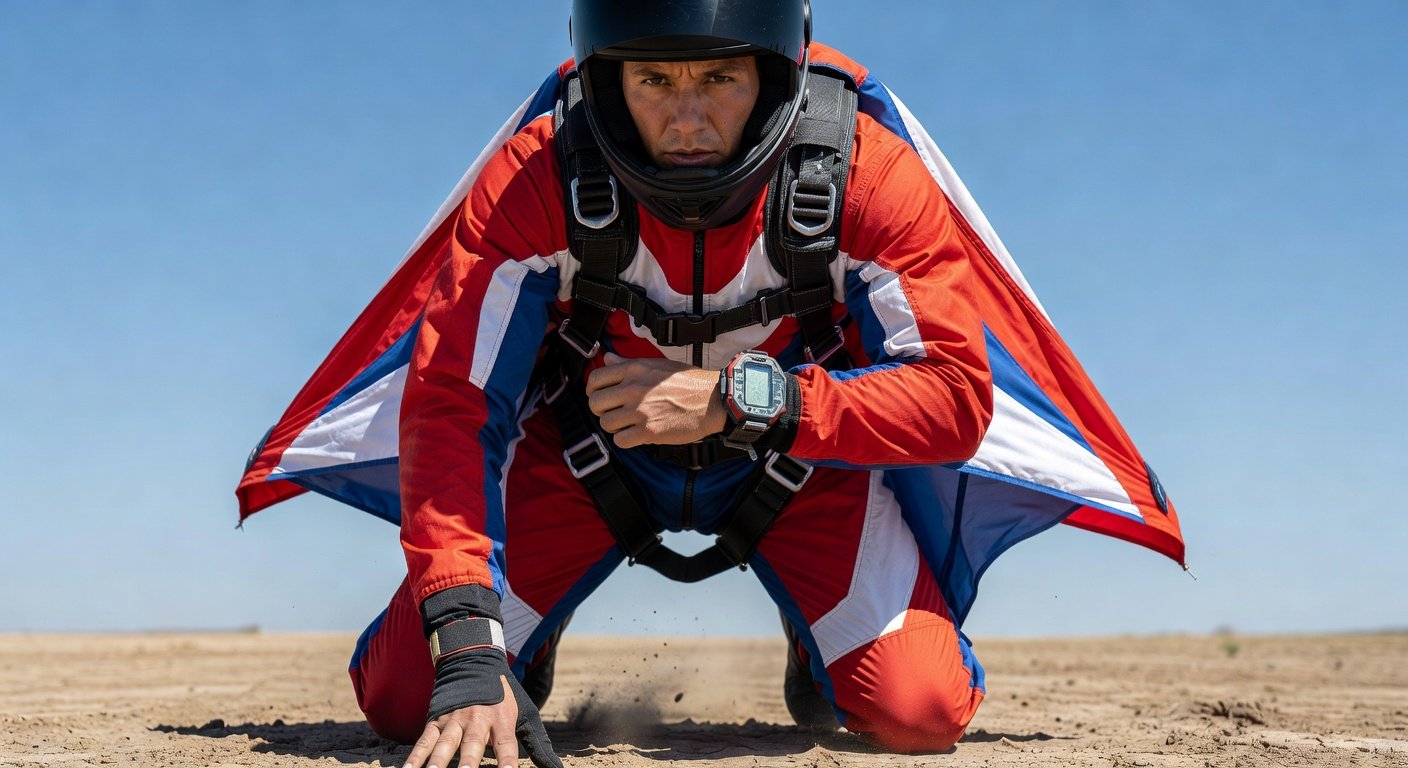
Always test gear in controlled environments before committing to full wingsuit jumps. Proper fit and maintenance extend equipment lifespan and enhance overall safety margins.
Safety Drills and Best Practices
Regular safety drills form the backbone of responsible wingsuit training. Practice emergency procedures like cutaway drills and reserve parachute deployment monthly. Ground-based simulations using mock harnesses reinforce muscle memory for high-stress situations.
Weather assessment skills are equally vital; learn to interpret wind patterns and avoid conditions that exceed your current abilities. Buddy systems at drop zones provide real-time feedback and accountability during every session.
Comparisons to Paragliding
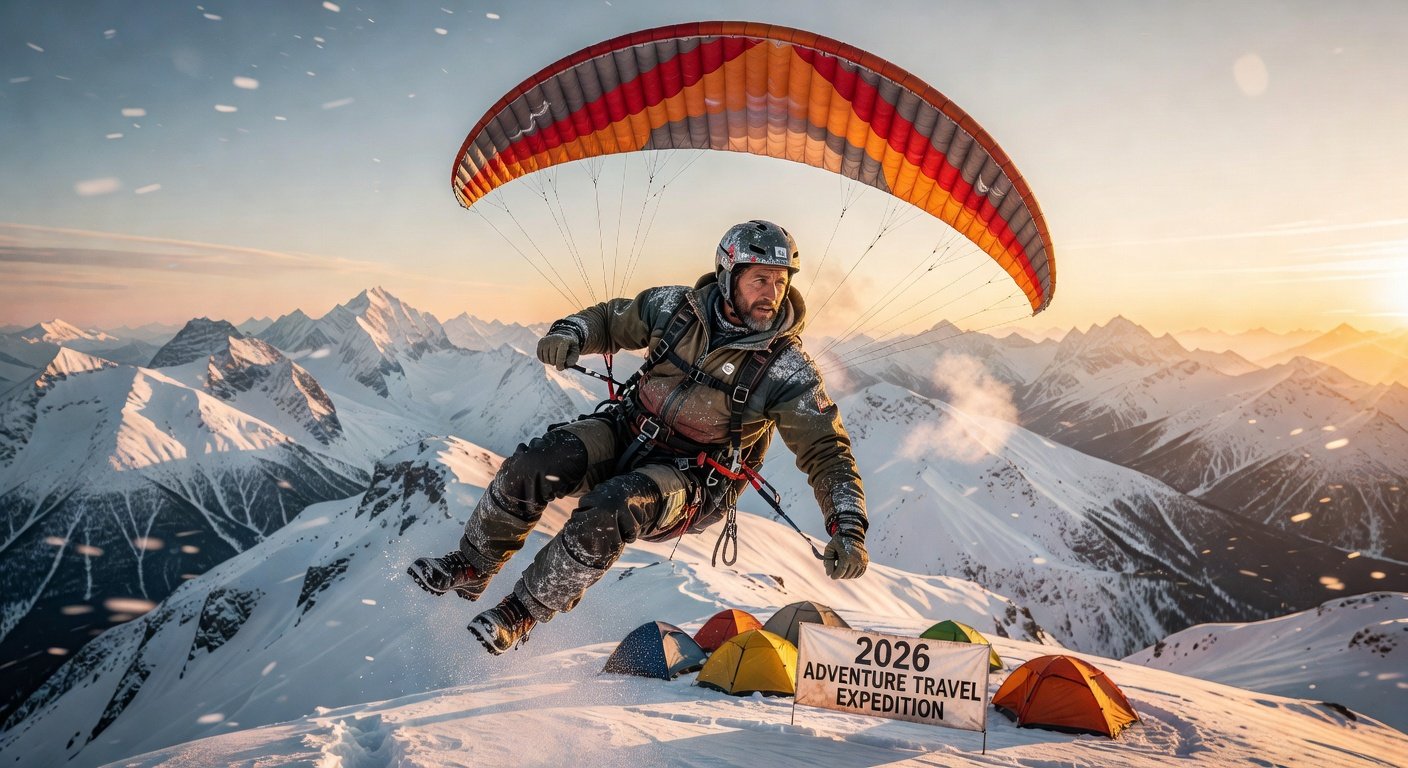
Wingsuit flying differs markedly from paragliding in speed, altitude requirements, and control dynamics. Paragliding offers longer sustained flights with easier launch options, making it more accessible for beginners. Wingsuit training, however, demands higher initial skydiving experience due to faster descent rates and precise body control needs.
Many pilots enjoy both sports, using paragliding to refine navigation skills that transfer effectively to wingsuit routes. Understanding these distinctions helps you choose the right entry point based on your adventure preferences and risk tolerance.
FAQs on Training Timelines and Global Camps
How long does training typically take? Most dedicated athletes reach first wingsuit jumps within 12-18 months of consistent skydiving, though individual progress varies with aptitude and frequency.
What are top global training camps? Renowned locations include facilities in Switzerland's Alps and California's Sierra Nevada, offering structured programs blending classroom theory with practical jumps under expert guidance.
Are there any recent cost considerations? Training expenses vary by location and intensity; focus on quality instruction rather than seeking specific figures, as market rates fluctuate with demand and equipment needs.
Conclusion
Training for wingsuit flying in 2026 combines disciplined fitness, mental sharpness, and structured progression into an unforgettable adventure pursuit. By following these steps and prioritizing safety, aspiring thrill travelers can unlock the skies with confidence and skill. Start your journey today with foundational skydiving to build toward those first breathtaking glides.

No comments yet. Be the first!