 PlaceBee
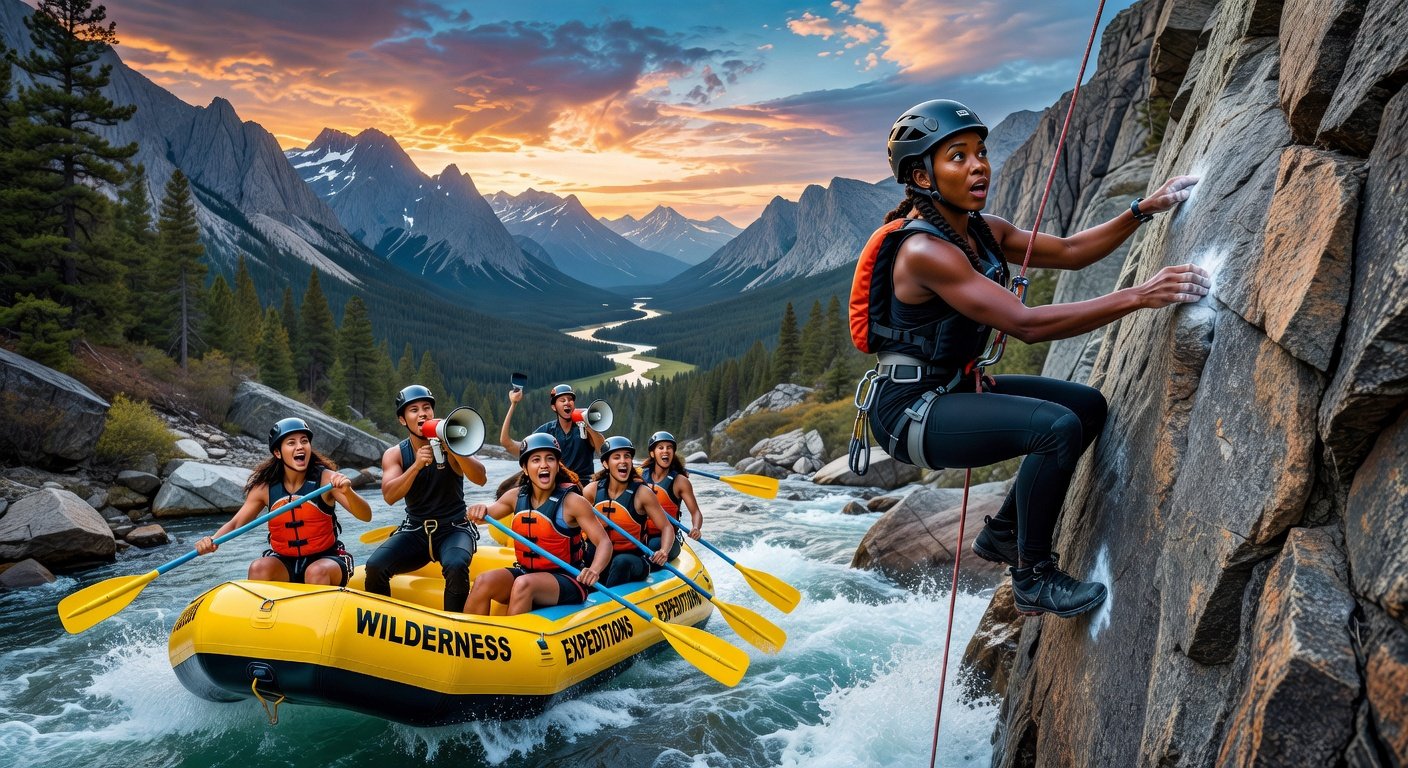
Embark on Thrilling Outdoor Adventures in 2026
Ready to push your limits? Extreme outdoor adventures like rock climbing and white-water rafting offer heart-pounding excitement and unforgettable memories. This comprehensive guide walks you through every step of planning your thrill-seeking trip, from sport selection to sustainable practices. Whether you're a beginner or seasoned explorer, discover top global destinations, real itineraries, and essential tips for 2026 adventures.
Step 1: Selecting Your Extreme Sport
Choosing the right activity sets the tone for your adventure. Consider your fitness level, experience, and desired adrenaline rush.
- Rock Climbing: Scale sheer cliffs or boulders. Ideal for strength and problem-solving lovers.
- White-Water Rafting: Navigate raging rapids in inflatable rafts. Perfect for team thrills and water lovers.
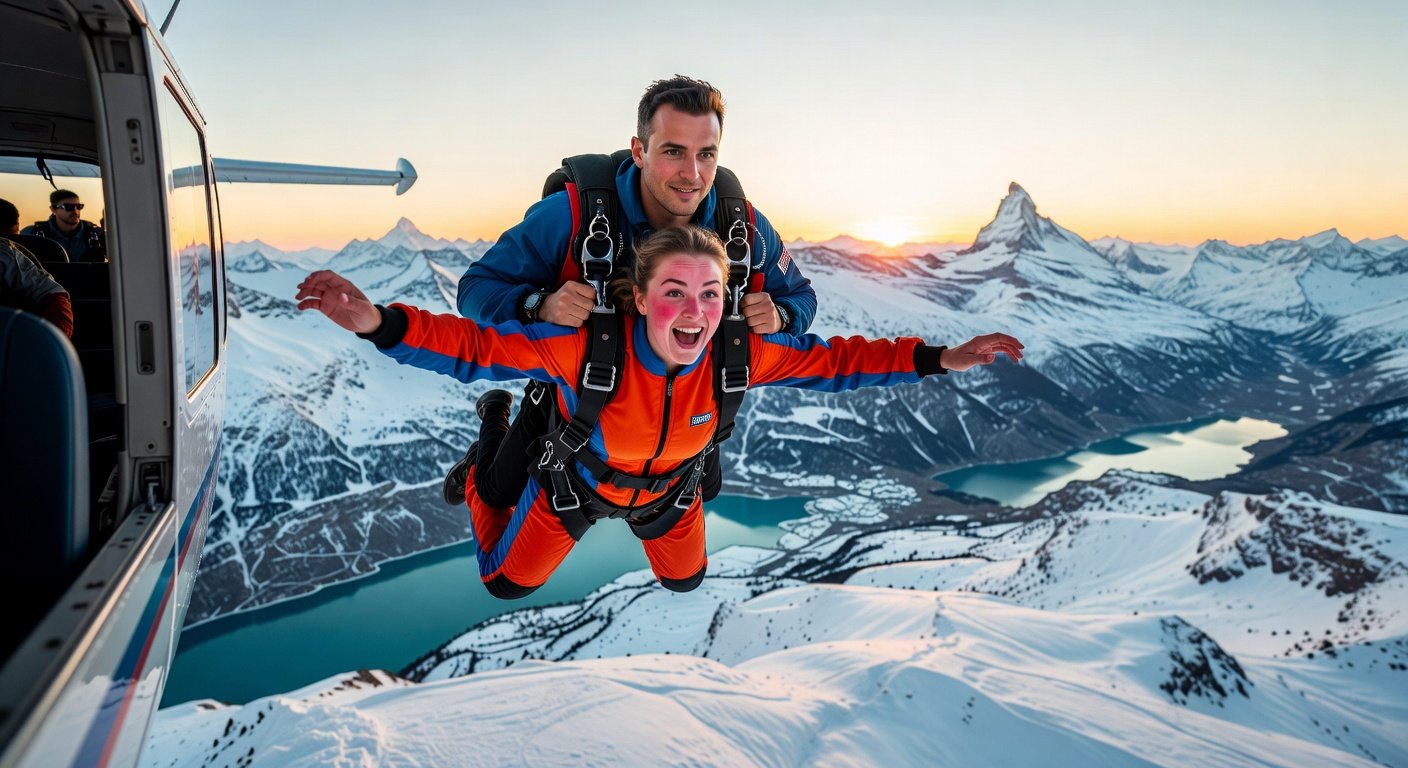
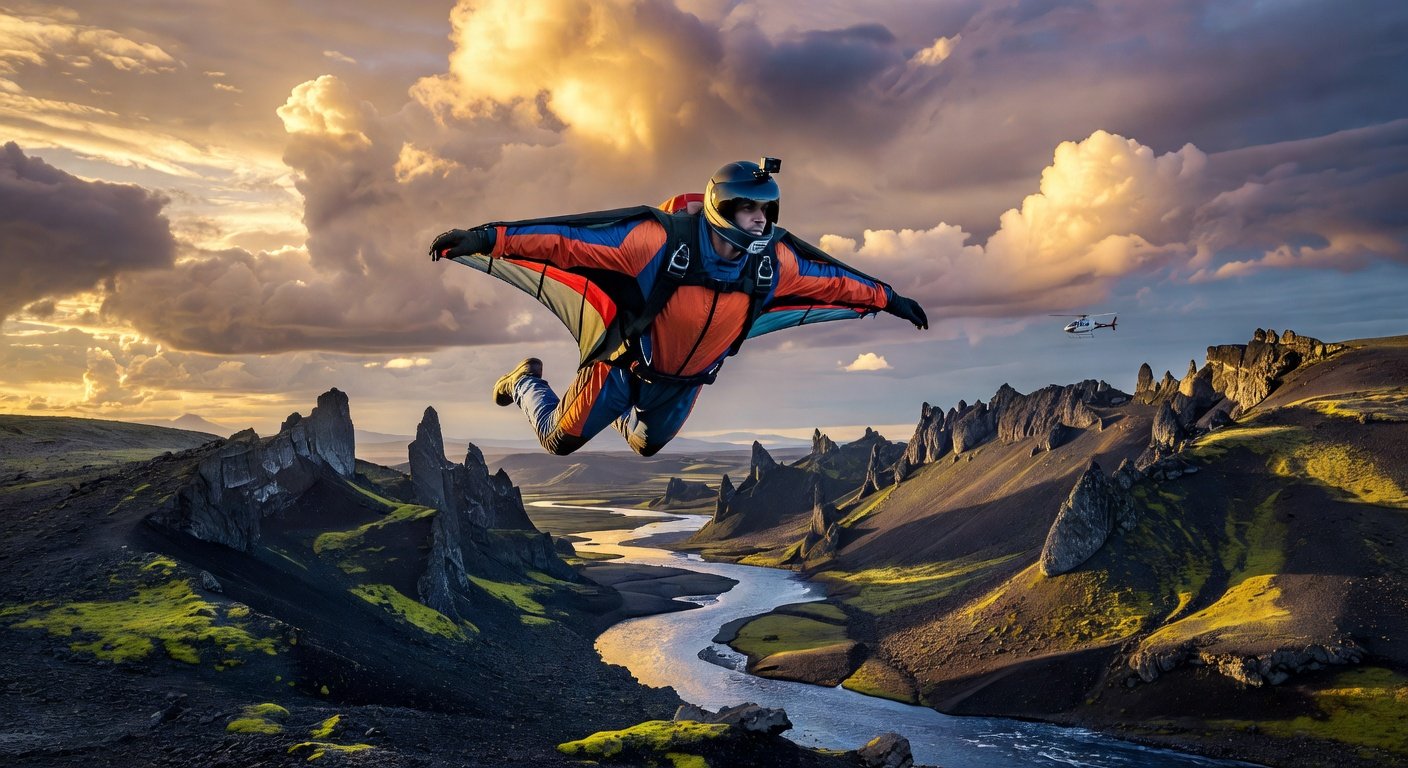
- Other Options: Paragliding, canyoneering, or ice climbing for variety.
Research local regulations and skill requirements. Beginners should opt for guided intro sessions; pros can tackle advanced routes.
Step 2: Budgeting for Your Thrill Travel
Extreme sports aren't cheap, but smart planning keeps costs in check. Expect $1,500–$5,000 per person for a week-long trip, covering gear rental ($200–$500), guides ($300–$1,000), travel ($500–$1,500), lodging ($300–$800), and food ($200–$400).
- Book early for off-peak discounts (e.g., shoulder seasons in 2026).
- Prioritize all-inclusive packages from reputable outfitters.
- Factor in travel insurance—essential for high-risk activities (around $100–$200).
- Use apps like Trail Wallet for tracking expenses.
Pro tip: Group travel splits costs on guides and transport.
Step 3: Packing Essentials for Extreme Adventures
Pack light but smart. Focus on durable, multi-use gear suited to your sport.
- Clothing: Quick-dry layers, waterproof jacket, sturdy hiking boots, gloves, helmet.
- Sport-Specific: Climbing harness, carabiners, raft paddle, dry bag.
- Safety & Survival: First-aid kit, headlamp, multi-tool, emergency beacon (e.g., Garmin inReach).
- Personal: Sunscreen, insect repellent, reusable water bottle, power bank.
Avoid overpacking—rent bulky items onsite to save space and money.
Prioritizing Safety Protocols
Safety first in extreme sports. Follow these protocols to minimize risks.
- Get certified training: Take courses from certified instructors (e.g., AMGA for climbing).
- Check weather and conditions daily via apps like Mountain Forecast.
- Travel with experienced guides and buddies—never solo for beginners.
- Know emergency procedures: Carry a whistle, know CPR basics, and have evacuation plans.
For health advice, consult resources from the World Health Organization, emphasizing vaccinations and altitude sickness prevention.
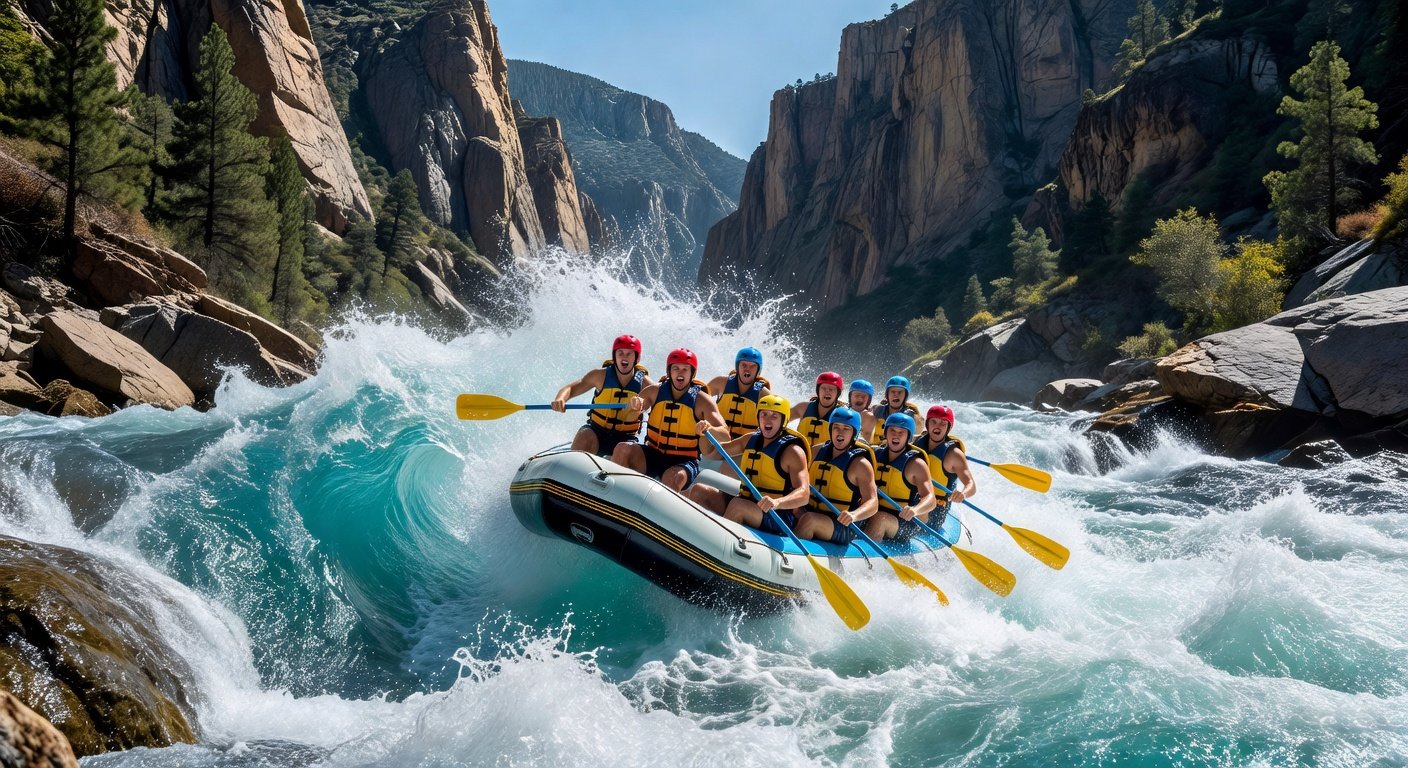
Top Global Destinations for Thrill Travel in 2026
2026 promises epic spots with improved infrastructure and eco-initiatives.
- Yosemite National Park, USA: Iconic granite walls like El Capitan for climbers.
- Interlaken, Switzerland: Alpine rafting on the Aare River and paragliding.
- Patagonia, Chile/Argentina: Torres del Paine for multi-sport epics.
- Queenstown, New Zealand: Bungee, rafting, and heli-skiing hub.
- Canadian Rockies, Canada: Ice climbing and backcountry rafting.
Monitor travel advisories and book permits early, as popular sites cap visitors for sustainability.
Embracing Sustainable Adventure Travel Practices
Thrill travel impacts the environment—travel responsibly in 2026.
- Follow Leave No Trace principles: Pack out waste, stick to trails, minimize campfires.
- Choose low-impact operators certified by Global Sustainable Tourism Council.
- Offset carbon via programs like Cool Effect.
- Support local communities: Hire indigenous guides and buy eco-gear.
Sustainable choices ensure these wild playgrounds thrive for future adventurers.
Real Itineraries: Beginner vs. Seasoned Explorer
Beginner: 5-Day Yosemite Rock Climbing Intro
Day 1: Arrive San Francisco, drive to Yosemite Valley. Gear fitting and safety briefing with guide.
Day 2–3: Half-day climbs on beginner routes like Swan Slab. Evenings: Campfire stories and stargazing.
Day 4: Full-day guided top-rope session. Practice anchors.
Day 5: Free hike to Glacier Point, depart.
Budget: ~$2,000. Stay: Curry Village tents.
Seasoned: 7-Day Patagonia Multi-Sport Epic
Day 1–2: Fly to Punta Arenas, transfer to Puerto Natales. Acclimatize with kayak tour in fjords.
Day 3–4: White-water rafting on Baker River (Class IV rapids).
Day 5–6: Rock climbing in Torres del Paine, multi-pitch routes.
Day 7: Heli-hike and depart.
Budget: ~$4,500. Stay: Eco-lodges. Pro tip: Train for high winds.
Customize these with outfitters like REI Adventures for seamless logistics.
Final Tips for Your 2026 Adventure
Mentally prepare: Build fitness with gym sessions mimicking your sport. Document your journey ethically—no drone overuse. Join communities like Reddit's r/adventure for real-talk advice. With meticulous planning, your extreme outdoor adventure will be safe, sustainable, and exhilarating. What's your first climb or rapid? Start planning today!
No comments yet. Be the first!