 PlaceBee
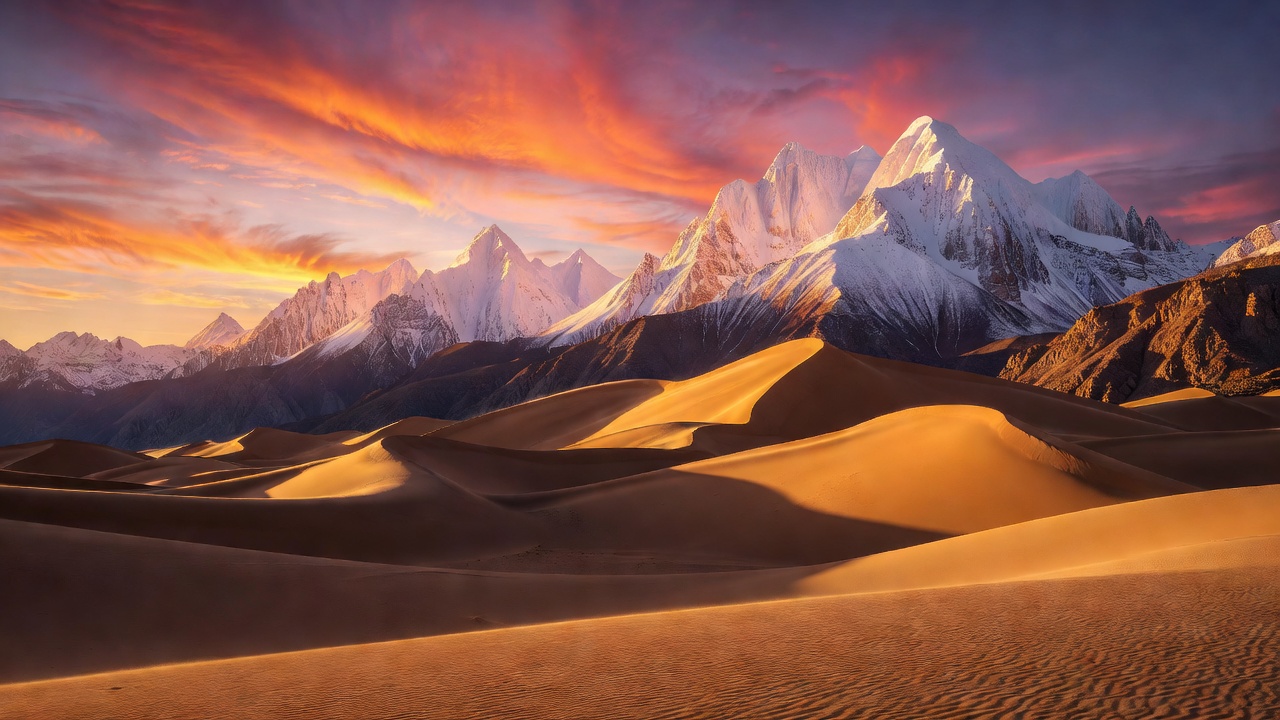
Why Choose Mountain or Desert Escapes in 2026?
Travelers in 2026 are increasingly drawn to contrasting landscapes that offer both adventure and tranquility. Mountain retreats provide rugged trails, fresh air, and wildlife encounters, while desert oases deliver vast horizons, stargazing, and rich cultural heritage. This guide helps match your preferences with practical insights on activities, climate, accessibility, and seasonal highlights. Whether you seek physical challenges amid towering peaks or serene nights under endless skies, understanding the nuances of each environment ensures a memorable trip tailored to your style.
Key Differences in Activities and Experiences
Mountain destinations excel in hiking, rock climbing, and spotting wildlife such as bears or eagles. In contrast, deserts offer unique pursuits like dune bashing, camel treks, and night sky photography. Both appeal to adventure seekers but cater to different energy levels and interests. Mountains often involve multi-day treks with elevation gains that build endurance, while deserts emphasize exploration on foot or by vehicle across sandy expanses. Real differences emerge in daily pacing: mountain days might start at dawn to avoid afternoon storms, whereas desert adventures peak in cooler early mornings or evenings to evade midday heat.
Climate Considerations and Seasonal Highlights
Mountains feature cooler temperatures with snow possible even in summer at high elevations, making spring and fall ideal for hiking. Deserts experience extreme heat during the day and cold nights, with winter and early spring providing the most comfortable conditions for exploration. Always check forecasts to avoid sudden weather shifts. In 2026, climate patterns suggest monitoring El Niño effects that could extend shoulder seasons in both regions. Mountains in the northern hemisphere see vibrant wildflower blooms from May through July, while deserts transform with rare spring rains that carpet valleys in colorful blooms.
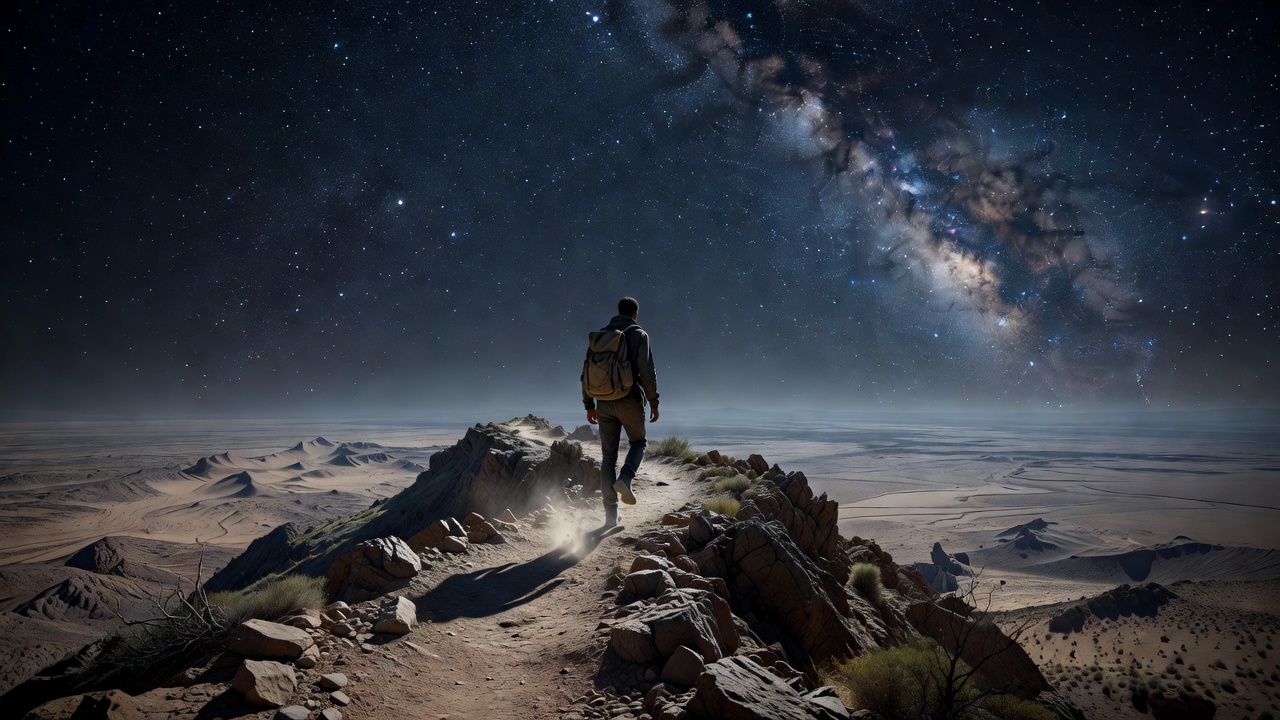
Top Mountain Retreats for Hiking and Wildlife
Popular spots include the Rocky Mountains in the US and the Swiss Alps. These areas boast well-marked trails, national park protections, and opportunities to see diverse flora and fauna. For instance, visitors often report memorable encounters with elk herds during early morning hikes. The Canadian Rockies offer additional draws with turquoise lakes and glacier views, perfect for photography enthusiasts. In the Himalayas, cultural immersion combines with trekking routes passing ancient monasteries. Wildlife safaris in places like Yellowstone National Park complement hiking, where guided tours reveal hidden ecosystems. Planning ahead for permits ensures access to popular trails without overcrowding.
Desert Oases Featuring Stargazing and Cultural Sites
Iconic locations like the Mojave Desert and Jordan's Wadi Rum combine ancient ruins with pristine dark skies perfect for astronomy. Travelers frequently describe the silence and vastness as transformative, especially during guided cultural tours. The Sahara offers nomadic experiences and fossil hunting, while Australia's Outback features Aboriginal rock art sites. Stargazing events in 2026 align with meteor showers in August and November, enhancing night activities. Many oases provide eco-lodges with sustainable practices that support local communities and preserve fragile habitats.
Packing and Safety Tips
Layered clothing for mountains to handle temperature drops is essential, along with sturdy boots and trekking poles for stability on uneven terrain. High-SPF sunscreen, wide-brim hats, and ample water for deserts prevent dehydration and sun damage. Navigation apps and first-aid kits for both terrains are non-negotiable. Altitude acclimatization strategies versus heat management techniques include gradual ascents with rest days and electrolyte monitoring in arid zones. Additional items like portable chargers, multi-tools, and emergency beacons enhance safety. Always inform others of your itinerary and carry enough supplies for unexpected delays.
- Layered clothing for mountains to handle temperature drops
- High-SPF sunscreen, wide-brim hats, and ample water for deserts
- Navigation apps and first-aid kits for both terrains
- Altitude acclimatization strategies versus heat management techniques
- Emergency whistles, headlamps, and weatherproof maps
Accessibility and Cost Comparisons
Mountain locations often require flights to regional airports followed by scenic drives, while many deserts offer direct access via major highways. Costs vary by season and lodging type but generally favor shoulder periods for savings. Public transport options in popular areas reduce car dependency. For authoritative travel planning resources, consult National Park Service and U.S. Department of State Travel. International visitors should review entry requirements and health advisories well in advance.
Real Traveler Examples
One couple shared how a week in Banff National Park rejuvenated them through daily hikes, spotting grizzly bears and relaxing in hot springs after long days on the trails. Another group enjoyed a stargazing retreat in the Atacama Desert that included astronomy workshops and local cuisine tastings under the Milky Way. A solo traveler documented a multi-week journey across both terrains, noting how mountain solitude contrasted with desert community interactions at Bedouin camps. Families report success by choosing moderate trails and shaded desert tours to keep all ages engaged.
Decision Flowchart: Which Escape Fits You?
- Prefer cooler climates and physical challenges? Choose mountains.
- Seek solitude and celestial views? Opt for deserts.
- Traveling with kids or seniors? Consider accessibility factors for each.
- Budget-conscious? Shoulder seasons reduce expenses in both.
- Interested in wildlife photography? Mountains offer more variety.
- Crave cultural immersion? Deserts often feature ancient sites and traditions.
FAQ: Common Concerns Addressed
How does altitude affect visitors compared to desert heat?
Altitude sickness can cause headaches and nausea above 8,000 feet; gradual ascent helps. Desert heat demands hydration and timing activities for cooler hours to avoid heat exhaustion.
What are the best months for 2026 trips?
June to September suits many mountain spots, while October to April works well for deserts avoiding peak summer temperatures.
Are these destinations family-friendly?
Yes, with age-appropriate activities and guided tours available at both types of locations, ensuring safe and educational experiences.
Do I need special gear for either location?
Yes, invest in quality layers and hydration systems; check rental options at trailheads to minimize packing weight.
How do I handle emergencies in remote areas?
Satellite communicators and local ranger contacts provide reliable support when cell service is unavailable.
Conclusion
Whether you crave the crisp air of peaks or the golden sands of dunes, 2026 offers unforgettable escapes. Weigh your priorities using the details above to plan a trip that creates lasting memories and matches your adventure style perfectly.

No comments yet. Be the first!