 PlaceBee
Introduction: Planning Pet-Inclusive Travel in 2026
Travelers with dogs and cats are seeking destinations that offer genuine welcome rather than mere tolerance. In 2026, pet-friendly must-see spots combine accessible policies with modern amenities that prioritize animal wellness. Choosing the right location requires understanding local rules, comparing regions, and preparing thoroughly. This guide covers everything from top cities to practical checklists so your next trip feels seamless. Whether you are a first-time pet traveler or a seasoned explorer, the growing number of welcoming locations makes 2026 an excellent year to explore with your companion animal by your side.
Top Dog-Friendly Cities for 2026
Several cities stand out for their progressive pet policies and infrastructure. Austin, Texas, offers extensive off-leash parks and pet-welcoming restaurants where dogs can join owners at outdoor patios. Barcelona provides beach access for dogs during designated seasons along with numerous pet-friendly hotels. Tokyo continues to expand pet-friendly cafés and green spaces, making it easy to enjoy urban exploration without leaving your cat or dog behind. Additional standouts include Vancouver in Canada, known for its extensive trail systems that permit leashed pets, and Melbourne in Australia, which features dedicated dog beaches and parks. These locations demonstrate how urban planning can support both residents and visitors traveling with animals while fostering a sense of community among pet owners.
Comparing US, Europe, and Asia Options
The United States leads in wide-open spaces and national park access with clear pet guidelines published by federal agencies. Many national parks allow dogs on leashes in developed areas, though restrictions apply in wilderness zones to protect wildlife. Europe excels in urban integration, with many cities allowing dogs on public transport and in outdoor dining areas. Countries like France and Germany have long traditions of including pets in daily life, making travel feel natural. Asia offers innovative wellness-focused facilities, particularly in Japan and Singapore, where pet spas and specialized hotels are becoming standard. Travelers should weigh space availability against cultural attitudes toward animals when deciding between regions. For example, the US provides more hiking opportunities, while Europe offers easier city-to-city movement via trains that often accommodate pets in designated cars. In Asia, the emphasis on hygiene and specialized services can make stays more comfortable for pets with specific needs.
Beach and Park Access Rules
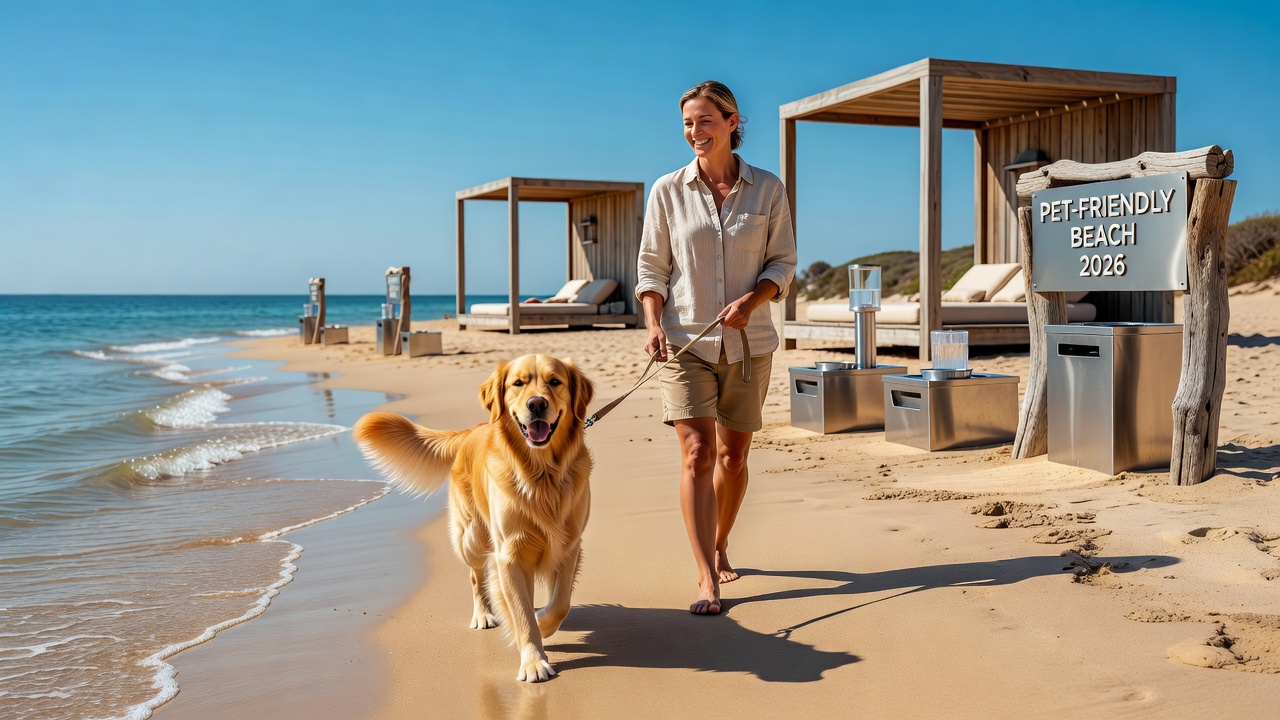
Access rules vary significantly by location and season. Many US coastal states require leashes except in designated off-leash zones, and some beaches close to pets during bird nesting periods. European beaches often have seasonal restrictions to protect wildlife, with certain stretches open to dogs only outside peak summer months. In Asia, dedicated pet beaches are emerging with strict waste and vaccination enforcement to maintain cleanliness. Always verify current local ordinances before arrival to avoid fines. Practical steps include checking municipal websites in advance, carrying proof of vaccination, and respecting quiet hours in shared park spaces. Many destinations now provide maps of approved areas, helping travelers plan daily outings efficiently.

Airline Pet Travel Tips
Air travel with pets demands advance preparation and attention to detail. Major carriers now provide clearer guidelines on cabin-approved carriers and health documentation. Book early because pet spots are limited on most flights. Consider direct flights to reduce stress for your animal. Review temperature restrictions during summer months and confirm cargo policies if your pet travels in the hold. Additional tips include acclimating your pet to the carrier weeks before departure, choosing flights during cooler parts of the day, and notifying airline staff of any special needs. International routes may require extra forms, so allow several weeks for processing. Resources such as the CDC offer reliable information on entry requirements for returning to the United States.
2026 Trends: Pet Wellness Amenities
Forward-thinking destinations are adding pet wellness features such as on-site grooming, anxiety-reducing lounges, and specialized diets at hotels. These amenities reflect growing demand for travel experiences that support both physical and mental health of companion animals. Some resorts now offer yoga sessions for dogs, while others provide aromatherapy or massage services. In 2026, expect more properties to incorporate sustainable practices like organic pet foods and eco-friendly waste disposal systems. These trends differentiate leading destinations and create memorable experiences for both pets and owners.
Real Traveler Case Studies
A family from New York documented their month-long European trip with two golden retrievers, highlighting easy train access and pet-friendly hotels in Portugal. They noted that advance reservations for pet-friendly cabins on overnight trains made the journey comfortable, and local parks provided daily exercise opportunities. Another traveler shared experiences navigating Japanese airports with a senior cat, emphasizing the value of microchip verification and advance health certificates. The traveler recommended carrying extra copies of documents and contacting the airline multiple times to confirm arrangements. These real-world examples illustrate common challenges and solutions that can help others prepare more effectively.
Step-by-Step Packing Checklist
Creating a comprehensive packing list ensures nothing essential is forgotten. Start with health records and vaccination proof, which should be printed and stored digitally. Include collapsible food and water bowls to save space while keeping your pet hydrated. Pack a sturdy leash, harness, and plenty of waste bags for daily walks. Bring familiar bedding and toys to reduce anxiety in new environments. Medications and a basic first-aid kit are essential, along with a portable crate or carrier that meets airline size requirements. Current photos of your pet can assist if separation occurs. Add a few favorite treats and a portable water bottle with bowl attachment for convenience during long days of sightseeing.
Mistakes to Avoid When Traveling with Pets
Common errors include failing to research local leash laws, which can result in unexpected fines. Another frequent mistake is underestimating the time needed for health documentation, leading to last-minute stress. Travelers sometimes choose accommodations without confirming pet fees or size restrictions in advance. Overpacking unnecessary items while forgetting essentials like waste bags is also common. Finally, skipping practice runs with the carrier can cause distress at the airport. Avoiding these pitfalls leads to smoother trips.
FAQs on Vaccination Requirements and Off-Leash Areas
What vaccinations are typically required? Most destinations request proof of rabies vaccination at least 21 days prior to travel. Additional requirements may include distemper or bordetella depending on the country. Always consult official sources such as the European Commission for the latest rules when traveling to Europe.
Where can I find reliable off-leash areas? Check official tourism websites and local park departments. Many cities maintain updated maps of approved zones with seasonal variations. Apps dedicated to pet travel can supplement official information but should be verified against government sources.
Conclusion
Selecting pet-friendly must-see spots in 2026 is easier when you research policies, compare regional strengths, and pack thoughtfully. With the right preparation, your travels can be enjoyable for both you and your animal companions. Start planning early to secure the best accommodations and experiences, and remember that responsible pet travel benefits everyone involved. By following the guidance in this article, you can create lasting memories while keeping your pet safe and happy throughout the journey.


No comments yet. Be the first!