 PlaceBee
Introduction to Strategic 2026 Travel Timing
Travelers planning trips in 2026 will encounter an exciting range of must-see destinations, yet the key to unforgettable journeys lies in mastering seasonal shifts. Timing your visits correctly allows you to avoid overwhelming crowds, enjoy favorable weather conditions, and connect more deeply with local cultures and natural wonders. This comprehensive guide explores optimal travel windows by examining month-by-month patterns, weather influences, major events, and regional variations in visitor experiences. Whether you seek serene mountain hikes, vibrant city festivals, or pristine beach escapes, strategic scheduling ensures maximum enjoyment with minimal stress. By the end of this article, you will possess actionable insights to build a personalized 2026 calendar tailored to your preferences and priorities.
Peak Versus Shoulder Seasons: Data-Driven Pros and Cons
Understanding the distinction between peak and shoulder seasons forms the foundation of smart travel planning. Peak periods typically coincide with school holidays, major festivals, and ideal weather, resulting in higher demand for accommodations and attractions. This leads to crowded sites, longer wait times, and a more commercial atmosphere. In contrast, shoulder seasons offer a compelling middle ground with pleasant conditions, reduced visitor numbers, and greater opportunities for authentic interactions. For instance, visiting European capitals during spring shoulder months provides blooming landscapes and easier access to museums compared to the bustling summer peak. Pros of peak travel include full operational hours at attractions and lively social scenes, while cons encompass inflated demand and potential fatigue from navigating throngs of tourists. Shoulder advantages feature enhanced photography conditions and relaxed pacing, though some remote services may operate on reduced schedules. Data from meteorological and tourism authorities consistently show that shoulder visits correlate with higher traveler satisfaction scores due to balanced experiences. Weighing these factors helps determine whether your priority is energy and events or tranquility and immersion.
Month-by-Month Breakdowns for Top Regions
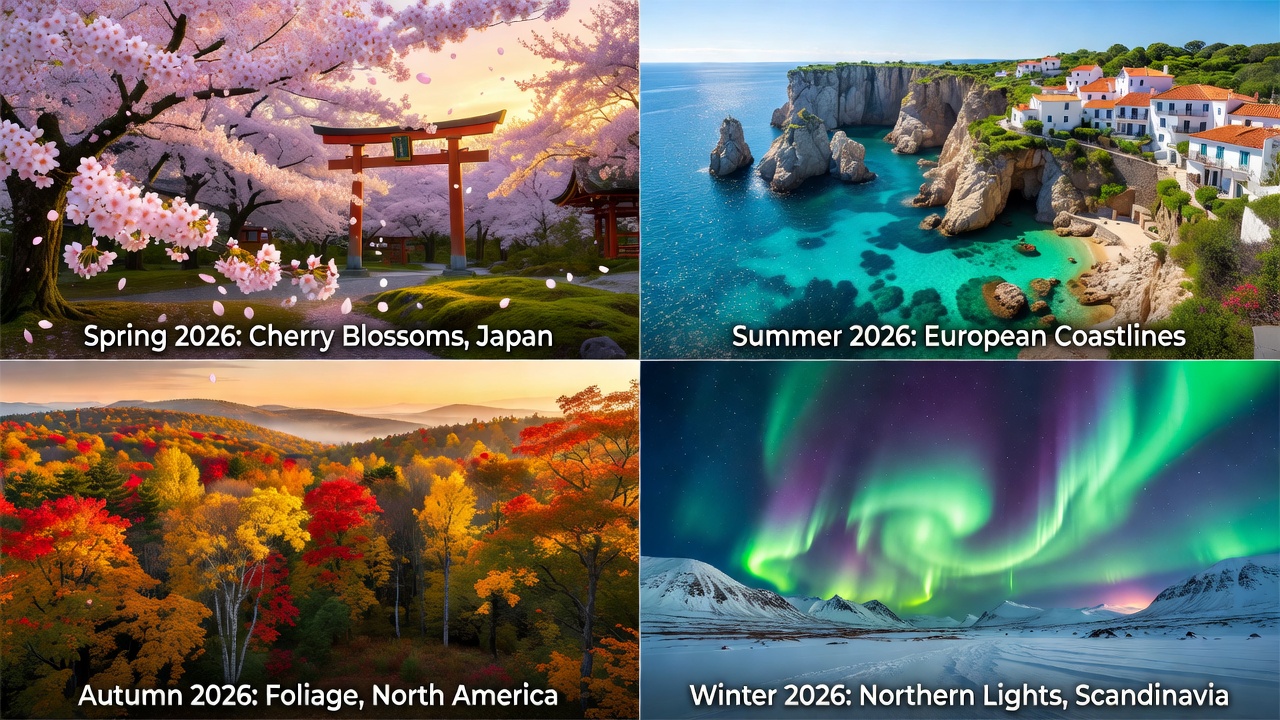
Breaking down the year month by month reveals clear windows for optimal visits. January to March favors Northern Hemisphere winter destinations such as the Canadian Rockies for snow sports and aurora hunting or Japanese countryside retreats centered around hot springs and cultural traditions. April through June excels for European springtime explorations including cherry blossom viewing in historic gardens and North American national parks alive with wildflowers and migrating wildlife. July to September captures peak summer beach seasons along the Mediterranean, yet shoulder August visits to Scandinavian fjords deliver long daylight hours without extreme heat. October to December highlights spectacular autumn foliage across New England trails and festive holiday markets throughout Central Europe. Southern Hemisphere patterns reverse these trends, positioning December as prime for Australian coastal road trips and New Zealand adventure treks amid summer warmth. Each month carries unique advantages; cross-referencing personal interests with these patterns allows precise alignment of travel dates with desired activities like hiking, wildlife spotting, or cultural festivals.
Weather Impacts and Event Tie-Ins
Weather patterns profoundly shape travel quality and should guide every scheduling decision. Reliable sources such as NOAA supply detailed climate data that helps anticipate temperature swings, rainfall probabilities, and storm risks across destinations. For example, avoiding hurricane seasons in the Caribbean or monsoon periods in Southeast Asia prevents disruptions and safety concerns. Event tie-ins add another layer of richness when timed correctly. Aligning trips with celebrations such as Brazil's Carnival or India's Diwali creates immersive cultural encounters, yet requires early reservations for popular venues. Combining weather awareness with event calendars maximizes both comfort and excitement, transforming ordinary trips into extraordinary memories.

Cost Variations Across Regions
Seasonal demand directly influences overall trip expenses, with shoulder periods often presenting noticeable savings on lodging, flights, and guided tours. While exact percentages fluctuate by region and booking timing, travelers consistently report better value when avoiding peak windows. Focusing on flexible mid-week departures and monitoring availability trends further enhances affordability without sacrificing quality. Qualitative comparisons reveal that shoulder travel frequently delivers comparable or superior experiences at lower overall investment, freeing budget for memorable activities like private tours or extended stays.
Practical Steps for Building a Personalized 2026 Calendar
- Compile a shortlist of three to five dream destinations based on personal interests such as nature, history, or adventure.
- Research each location's peak, shoulder, and off-season characteristics using official tourism and weather resources.
- Map major events and holidays onto a master calendar to identify overlaps or conflicts with preferred activities.
- Evaluate weather impacts on specific pursuits like hiking, diving, or sightseeing to refine suitable months.
- Compare pros and cons of peak versus shoulder timing for crowd levels, costs, and accessibility.
- Block tentative travel windows while allowing buffer days for weather flexibility or spontaneous extensions.
- Monitor booking platforms for early-bird opportunities and set alerts for price drops during shoulder periods.
- Consult recent traveler reviews and forums for real-time insights on conditions and hidden challenges.
- Finalize your calendar with contingency plans including alternative indoor activities or backup destinations.
- Review and adjust the schedule quarterly as new information about events or climate forecasts emerges.
Real-World Examples from Three Continents
Europe offers compelling shoulder season opportunities, such as a May visit to Italy's Amalfi Coast where mild temperatures enable comfortable coastal walks and boat excursions without the intense summer crowds. Travelers often discover quieter villages, fresher local produce markets, and more personal interactions with residents during this window. In Asia, October timing for Japan's Kyoto temples provides crisp autumn air ideal for garden strolls and temple photography while avoiding both summer humidity and peak foliage congestion. This period balances pleasant weather with manageable visitor numbers for a contemplative experience. Across the Americas, March shoulder travel to Patagonia in South America delivers stable conditions for multi-day treks and abundant wildlife sightings before the influx of summer hikers. Each example demonstrates how deliberate timing transforms standard sightseeing into deeper, less rushed adventures that highlight the unique character of each continent.
FAQ: Common Timing Mistakes to Avoid
What is the biggest mistake when choosing travel months?
Overlooking local holidays, school breaks, and sudden weather anomalies frequently results in unexpected closures, inflated demand, or uncomfortable conditions that derail even well-planned trips.
How far in advance should I book for shoulder seasons?
Securing flights, lodging, and popular activities three to six months ahead remains advisable, particularly for shoulder windows that are gaining popularity among savvy travelers.
Can shoulder seasons still deliver great experiences?
Yes, many visitors report more authentic cultural exchanges, superior photography opportunities, and relaxed pacing that often surpass peak-season visits in overall satisfaction.
How do I handle unpredictable weather within a chosen season?
Build flexibility into itineraries by prioritizing destinations with diverse indoor and outdoor options and maintaining a close watch on short-term forecasts from authoritative meteorological services.
Should I avoid all peak periods entirely?
Not necessarily; peak timing suits travelers prioritizing festivals, maximum service availability, or specific seasonal phenomena like midnight sun or cherry blossoms when the energy outweighs the crowds.
Conclusion
Mastering seasonal shifts empowers you to experience 2026's premier destinations at their absolute best. By integrating insights on weather patterns, event alignment, cost dynamics, and structured planning steps, your journeys will combine efficiency, comfort, and profound enjoyment for years to come.

No comments yet. Be the first!