 PlaceBee
Introduction to Top Scuba Diving Destinations in 2026
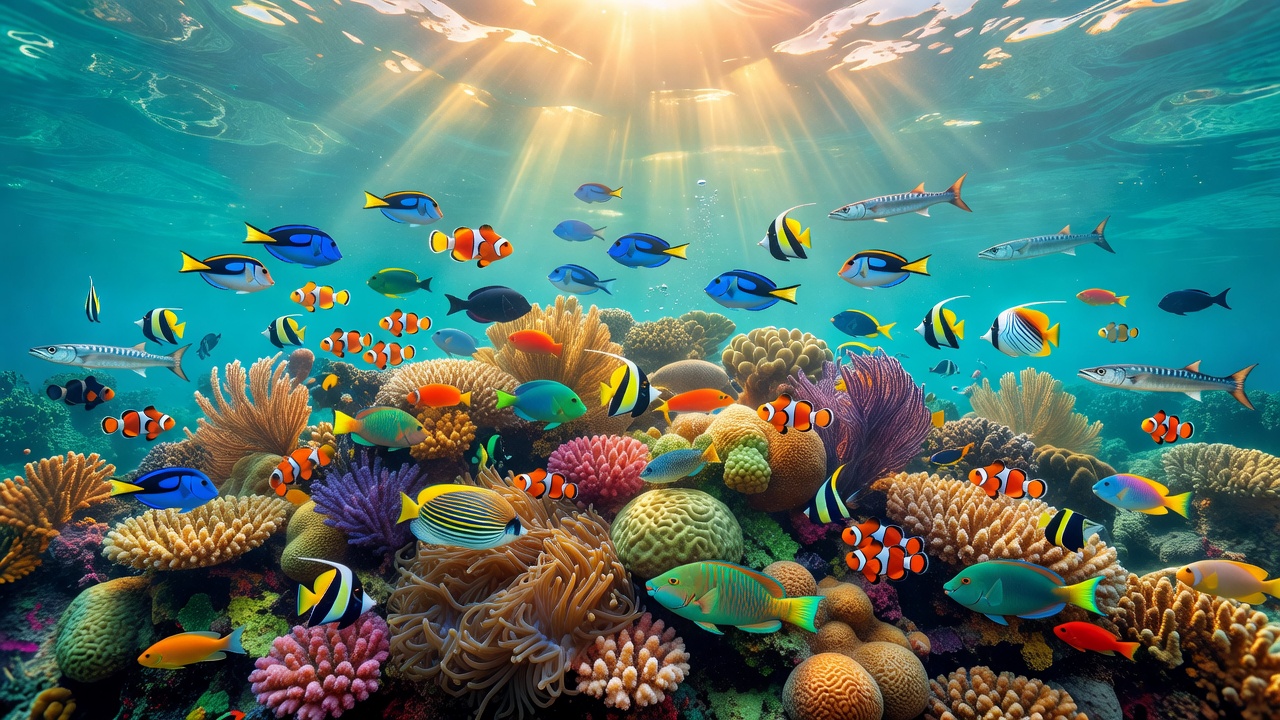
Scuba diving continues to rank among the most rewarding ways to explore the planet's oceans, offering encounters with vibrant coral reefs, diverse marine species, and dramatic underwater landscapes. For travelers planning 2026 adventures, selecting destinations that balance accessibility, biodiversity, and responsible tourism practices is essential amid ongoing climate considerations. This guide examines premier spots that deliver strong visibility, rich ecosystems, and opportunities for all experience levels while emphasizing sustainable operators. Enthusiasts seeking unique experiences beyond typical surface tourism will find detailed comparisons, timing strategies, and planning advice tailored to real-world conditions.
Why Focus on These Spots for 2026
Climate shifts affect ocean temperatures and coral health worldwide, making it important to choose sites with resilient reefs and active conservation programs. Locations highlighted here feature established marine protected areas and operators committed to low-impact diving. Travelers benefit from improved visibility during optimal seasons and chances to observe species such as manta rays, sea turtles, and reef sharks in their natural habitats. Choosing these destinations supports broader efforts to protect underwater environments, as many implement strict no-touch policies and limit daily diver numbers to reduce stress on fragile ecosystems. NOAA provides ongoing data on ocean health that informs these selections.
Premier Scuba Diving Destinations
Several locations stand out for their combination of accessibility and underwater excellence. Raja Ampat in Indonesia offers world-class biodiversity across thousands of islands, with visibility often exceeding 30 meters during peak months. Divers here encounter everything from tiny pygmy seahorses to massive whale sharks, making it a bucket-list site for photographers and marine enthusiasts alike. The Great Barrier Reef in Australia provides iconic coral formations accessible via day trips or liveaboards from Cairns, where divers can explore vast wall dives and shallow lagoons teeming with colorful fish. The Red Sea near Egypt delivers year-round warm waters and dramatic drop-offs teeming with fish, including schools of barracuda and occasional oceanic whitetip sharks. Belize's Barrier Reef features the famous Blue Hole for advanced divers alongside shallow sites suitable for beginners, offering a mix of cenote-like formations and vibrant fringing reefs. Finally, the Galápagos Islands in Ecuador present unique opportunities to dive with sea lions and hammerhead sharks in cooler currents, creating unforgettable encounters with endemic species found nowhere else on Earth.
Each destination has distinct advantages. Raja Ampat's remote location preserves its pristine condition, while the Great Barrier Reef offers extensive infrastructure for easy access. The Red Sea combines historical wrecks with natural reefs, adding variety to itineraries. Belize provides a more relaxed Caribbean vibe with excellent snorkeling options for non-divers in groups. Galápagos stands apart for its volcanic underwater terrain and high likelihood of large pelagic sightings. These sites collectively represent both established favorites and emerging hotspots that prioritize sustainability.
Skill-Level Comparisons Across Destinations
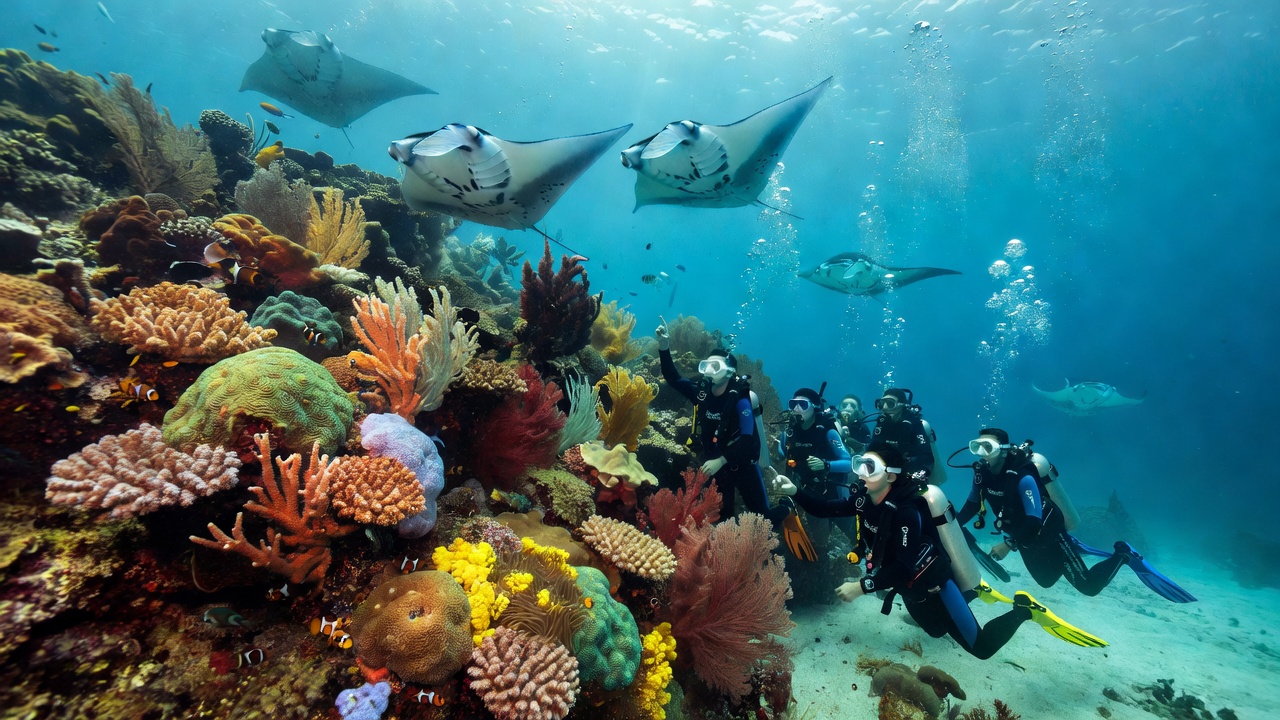
Beginners thrive at sites with calm waters and gentle slopes, such as certain reefs in Belize where depths stay under 18 meters and currents remain minimal. Training in these conditions builds confidence quickly through short, guided dives focused on buoyancy and basic navigation. Intermediate divers enjoy Raja Ampat's varied terrain that includes both easy drift dives and mild currents, allowing progression to slightly deeper profiles around 25 meters. Advanced enthusiasts tackle the Red Sea's deeper walls or the Galápagos' stronger currents that require precise buoyancy control and experience with safety stops in moving water. Comparing these options helps match personal certification level to the right location, reducing risk and maximizing enjoyment. Many operators offer refresher courses on arrival for those returning after a break.
Seasonal Timing Advice for Optimal Conditions
Timing visits correctly maximizes visibility and marine activity. In Raja Ampat, the best window runs from October to April when seas are calmest and rainfall is lower, leading to better surface conditions for boat travel between dive sites. The Great Barrier Reef shines from June to October with cooler, clearer waters that enhance visibility to 20 meters or more. Red Sea conditions remain favorable nearly year-round, though spring and fall avoid peak crowds and offer pleasant water temperatures around 24 degrees Celsius. Belize offers excellent diving from November to June before the rainy season begins, while Galápagos diving peaks between December and May for warmer surface waters that make surface intervals more comfortable. Checking local forecasts and operator reports ensures alignment with these windows, and monitoring coral bleaching alerts from organizations like UNEP helps avoid periods of stress on reefs.
Gear Essentials with Real-World Examples
Core equipment includes a properly fitted mask, snorkel, fins, buoyancy compensator, regulator, and dive computer. At Raja Ampat, many divers add a 3mm wetsuit for comfort during longer dives and a reef hook for holding position in mild currents. Red Sea operators often recommend a dive light for exploring crevices and night dives around wrecks. Travelers to the Galápagos benefit from thicker exposure suits due to cooler temperatures averaging 22 degrees Celsius. Renting quality gear from reputable centers allows testing before purchase, and many top locations offer full rental packages that include tanks and weights. Always inspect equipment for proper function and consider bringing personal items like masks for hygiene and fit.
Practical Planning Steps
- Obtain or renew open-water certification through recognized agencies if not already held, such as through programs detailed on the PADI website.
- Research visa requirements and entry rules for each destination well in advance, including any COVID-related or environmental entry fees.
- Book with operators holding eco-certifications to support conservation efforts and verify their commitment to marine protection.
- Arrange travel insurance that covers diving activities and medical evacuation, ensuring the policy includes recompression chamber access.
- Prepare a flexible itinerary allowing rest days between multi-dive trips to prevent fatigue and allow time for non-diving activities.
- Pack reef-safe sunscreen and reusable water bottles to minimize environmental impact during your stay.
Marine Life Highlights and Biodiversity
These destinations showcase extraordinary marine biodiversity. Raja Ampat hosts over 1,500 fish species and 500 coral types, creating a living kaleidoscope for divers. The Great Barrier Reef supports giant clams and diverse shark populations, while the Red Sea is famous for its abundance of anemonefish and moray eels. Belize offers manatee sightings in shallower areas, and Galápagos divers frequently report penguin and marine iguana encounters alongside sharks. Understanding local species behavior enhances safety and appreciation during dives.
Common Mistakes to Avoid
New divers often overlook proper buoyancy training, leading to accidental reef contact. Another frequent error is ignoring seasonal weather patterns, which can result in canceled dives or rough seas. Overpacking heavy gear without checking rental availability adds unnecessary cost and hassle. Always verify operator credentials and avoid last-minute bookings that may pair you with less experienced guides.
Budget Considerations for 2026 Trips
Costs vary by destination and trip style. Liveaboard experiences in remote areas tend to command higher daily rates than resort-based day trips. Budget travelers can find affordable options in Egypt's Red Sea region, while premium experiences in the Galápagos reflect the remote logistics involved. Focus on value through package deals that bundle diving, accommodation, and meals rather than tracking individual line items.
FAQ
Do I need certification to dive at these spots?
Yes, most operators require at least an open-water certification for guided dives. Beginners can complete courses on-site at many locations, often finishing in three to four days.
How do I choose eco-friendly operators?
Look for certifications from organizations focused on marine protection and check recent reviews mentioning low-impact practices such as limited group sizes and no-touch policies.
What if I encounter strong currents?
Advanced sites like parts of the Galápagos require drift-diving techniques. Always dive with guides familiar with local conditions and follow their lead while maintaining buddy contact.
Are there options for non-divers in my group?
Yes, most destinations offer snorkeling, glass-bottom boat tours, or land-based excursions that complement diving schedules for mixed-ability travel parties.
How far in advance should I book?
Popular sites like Raja Ampat and Galápagos fill quickly, so securing spots six to nine months ahead is recommended for 2026 peak seasons.
Conclusion
Selecting the right scuba destination for 2026 involves balancing personal skill level, preferred marine encounters, and commitment to sustainability. The spots outlined deliver exceptional underwater experiences while supporting conservation. With careful planning around seasons, gear, and operators, divers can enjoy memorable adventures that contribute positively to ocean health. Start researching operators and availability early to secure spots at these sought-after locations and prepare for transformative underwater journeys.


No comments yet. Be the first!