 PlaceBee
Why Visit Underrated Hidden Gems in 2026?
In a world where Instagram-famous spots are overrun with tourists, 2026 calls for something different. Imagine wandering cobblestone streets in forgotten European villages, trekking through lush Asian eco-parks teeming with biodiversity, or witnessing raw wildlife in remote African safaris. These emerging destinations promise authentic experiences, cultural immersion, and natural wonders without the crowds. From sustainable eco-adventures to off-the-grid safaris, here's your guide to the best places to visit in 2026 for unforgettable trips.
These hidden gems are rising in popularity due to improved infrastructure, eco-conscious tourism, and post-pandemic wanderlust for solitude. Planning now ensures better deals and availability as they gain traction.
Secret European Villages: Timeless Charm Awaits
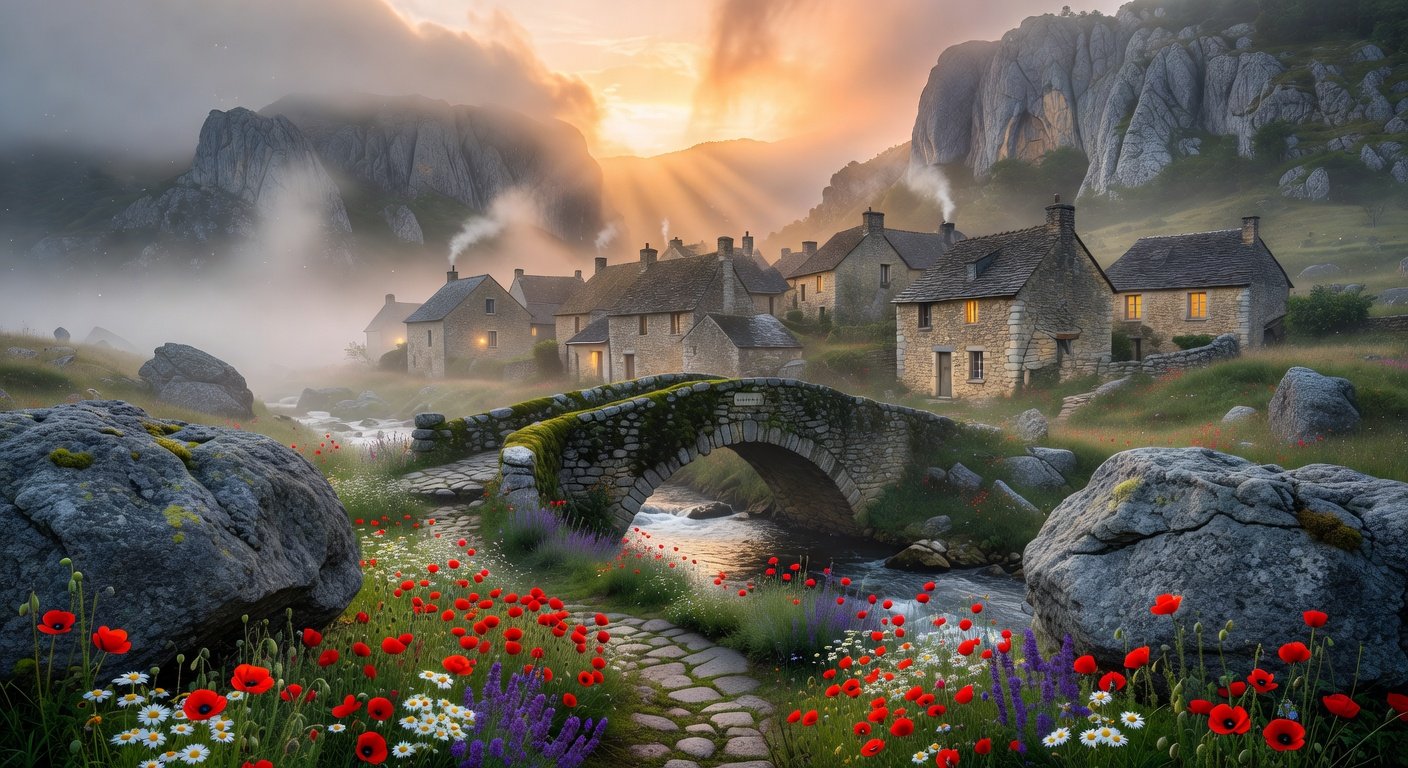
Europe's lesser-known villages offer medieval magic minus the masses. Skip Venice or Santorini; head to these secret spots for genuine local life.
Civita di Bagnoregio, Italy – The Dying City
Perched on a crumbling plateau in Lazio, Civita di Bagnoregio is a fairy-tale village accessible only by footbridge. Unique attractions include Etruscan caves, Renaissance palaces, and family-run trattorias serving handmade pasta. Why it's authentic: Only 10 residents live here year-round, preserving its 13th-century essence. Visit in spring for wildflowers blanketing the cliffs.
Travel Tips: Fly into Rome (1.5-hour drive), stay in a restored stone house via Airbnb. Hike the surrounding canyons at dawn to avoid day-trippers. Budget: €800-1,200/week including meals.
Monsanto, Portugal – Boulder Village Extraordinaire
In central Portugal, Monsanto blends seamlessly with giant granite boulders that form homes and streets. Explore prehistoric dolmens, a 16th-century castle, and honey from free-roaming bees. Its isolation (no train station) keeps it crowd-free, offering stargazing under unpolluted skies.
Travel Tips: Base in nearby Idanha-a-Nova; rent a car for flexibility. Best in autumn for truffle hunts. Check UNESCO World Heritage for nearby sites like the Idanha-a-Velha Roman ruins.
Asian Eco-Parks: Nature's Best-Kept Secrets
Asia's eco-parks are biodiversity hotspots emphasizing sustainability. Perfect for eco-travelers seeking immersive green escapes.
Sinharaja Forest Reserve, Sri Lanka – Rainforest Paradise
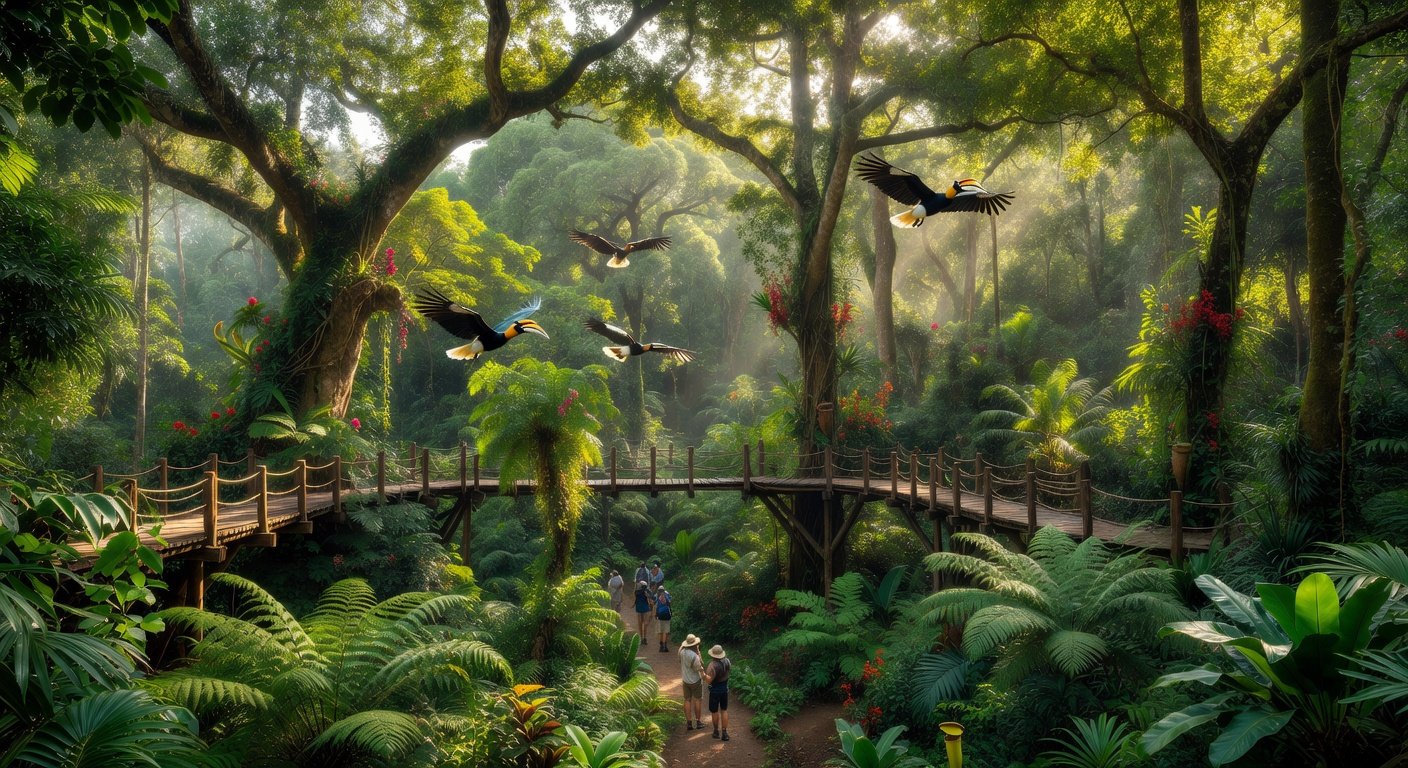
This UNESCO-listed ancient rainforest hides 60% endemic species, including leopards and 147 orchid varieties. Trek canopy boardwalks, spot blue magpies, and join guided night walks for glowing fungi. Authentic appeal: Community-led tourism supports locals, far from beach crowds.
Travel Tips: Fly to Colombo, then 4-hour drive south. Stay in eco-lodges like Rainforest Edge. Pack leech socks for monsoons (May-Oct); dry season (Dec-Apr) ideal. Entry: $25 USD.
Taman Negara National Park, Malaysia – Ancient Jungle Heart
One of Earth's oldest rainforests (130 million years), Taman Negara offers treetop canopy walks, river rapids, and cave explorations with bats and swiftlets. Spot elephants, tapirs, and pygmy tribes' crafts. Low-key vibes ensure solitude amid 14,000 plant species.
Travel Tips: Kuala Lumpur to park (3 hours by bus). Book riverboat safaris in advance. Sustainable tip: Use refillable bottles; avoid single-use plastics. Visit mid-week for peace.
African Safaris: Wild Frontiers Beyond the Big Five
Forget Serengeti crowds; Africa's emerging parks deliver intimate wildlife encounters on vast, untouched plains.
Liuwa Plain National Park, Zambia – Antelope Spectacle
In Zambia's Barotseland, Liuwa hosts the world's second-largest wildebeest migration (40,000 animals). Lions, cheetahs, and hyenas roam freely. Unique: November's black lechwe floods create surreal scenes. Authentic because it's only accessible by 4x4, with mobile camps blending into the savanna.
Travel Tips: Fly to Lusaka, charter to Kalabo airstrip. Best June-Oct for dry season migrations. Partner with local operators like Natural Selection for ethics. Cost: $5,000-8,000/week all-inclusive.
Pendjari National Park, Benin – West African Wilderness
Benin's Pendjari rivals East Africa's parks with elephants, hippos, and Derby elands amid baobab groves. Boat safaris on the Pendjari River reveal crocs and birds. Underrated due to regional obscurity, it offers cultural village visits for authentic Fulani interactions.
Travel Tips: Cotonou flights, then 8-hour drive or domestic flight. Dry season (Dec-May). Consult U.S. State Department travel advisories for updates. Malaria prophylaxis essential.
Planning Your 2026 Hidden Gems Adventure
To craft unforgettable trips:
- Book Early: Emerging spots fill fast; use sites like Lonely Planet for itineraries.
- Sustainable Choices: Opt for eco-lodges, low-emission flights, and carbon offsets.
- Visas & Health: Check requirements 6 months ahead; vaccinations for yellow fever in Africa.
- Packing Essentials: Binoculars, quick-dry clothes, power bank, offline maps.
- Budget Breakdown: €1,500-10,000/person depending on safari luxury. Multi-destination trips via Eurail or budget airlines save money.
Combine regions: Fly Europe-Asia-Africa via hubs like Dubai. Apps like Rome2Rio aid routing.
Embrace the Authentic in 2026
These hidden gems redefine travel: deeper connections, rarer sightings, lasting memories. Ditch the tourist traps for 2026's best-kept secrets. Start planning your escape today – the world awaits, quietly.


No comments yet. Be the first!