 PlaceBee
Introduction to 2026's Best Photography Destinations
Photography enthusiasts are constantly seeking new horizons that ignite visual storytelling and fuel wanderlust. In 2026, destinations stand out for their ability to deliver unforgettable scenes across landscapes, cultural moments, and wildlife encounters. This guide dives deep into prime spots like Iceland's ice caves and Japan's cherry blossoms, offering practical shooting techniques, qualitative gear insights, sample itineraries, and answers to common questions. Whether you are a beginner capturing your first sunset or an experienced shooter chasing rare wildlife behaviors, these locations provide endless opportunities for memorable images that tell powerful stories. The focus remains on visual inspiration to spark dream trips while delivering actionable advice to help you succeed in the field. Planning ahead with research on local conditions and regulations ensures you maximize every moment behind the lens.
Landscape Photography Hotspots
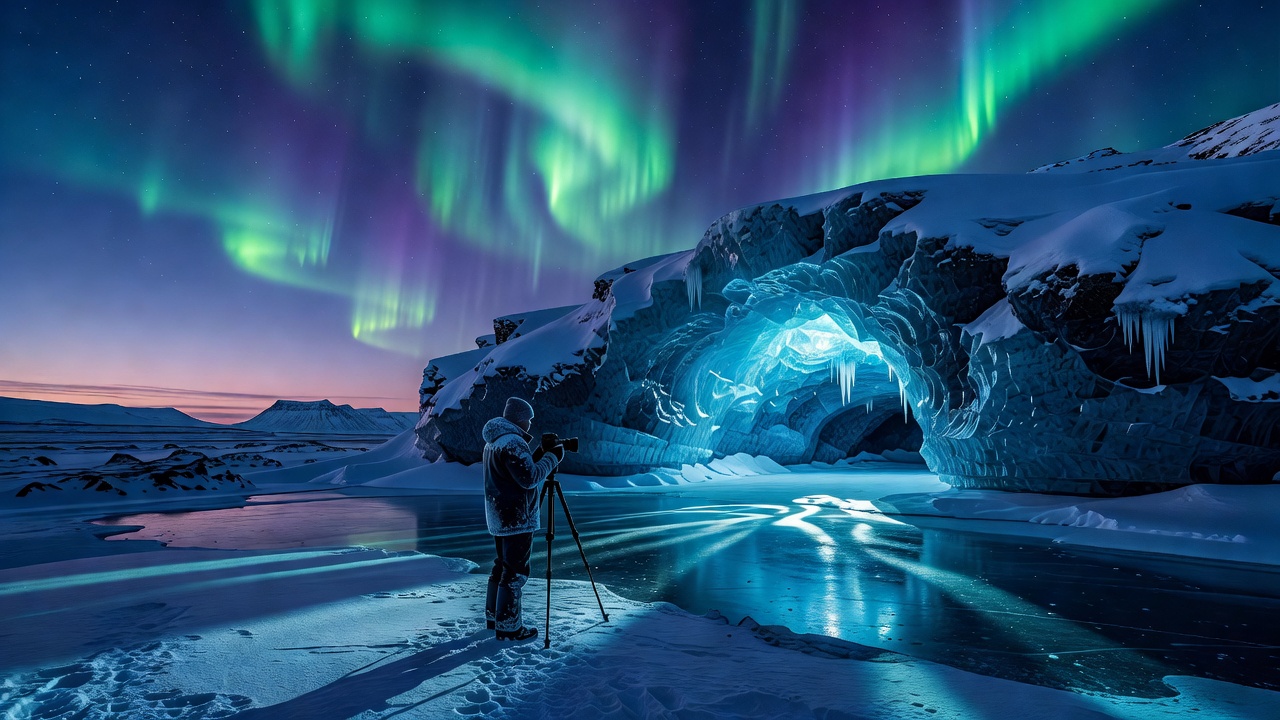
Iceland's ice caves offer ethereal blue interiors perfect for dramatic wide-angle shots. Visit during winter for optimal conditions and experiment with long exposures to capture light play on ice formations. The shifting ice creates unique tunnels each season, making return visits rewarding. Another standout is Patagonia in South America, where jagged peaks and turquoise lakes create layered compositions ideal for golden hour photography. Banff National Park in Canada adds alpine lakes and towering mountains that reflect perfectly in still waters during summer months. For desert enthusiasts, the Grand Canyon provides vast canyons and dramatic light changes that reward patient waiting at sunrise or sunset viewpoints. New Zealand's Milford Sound delivers fjord landscapes with misty mountains and waterfalls that shine in overcast conditions.
Step-by-step shooting tips for ice caves include first scouting safe entry points with a local guide to avoid unstable areas. Second, use a sturdy tripod and wide lens to frame the cave's scale against human figures for perspective. Third, adjust white balance to enhance the natural blues without over-saturation while checking histograms on site. Fourth, bracket exposures to handle high contrast between ice and deep shadows, then blend in post-processing. Always pack headlamps and extra batteries as temperatures drop quickly inside these formations. Consider the impact of wind and moisture on your equipment by using protective covers and allowing time for acclimatization.
Cultural Photography Experiences
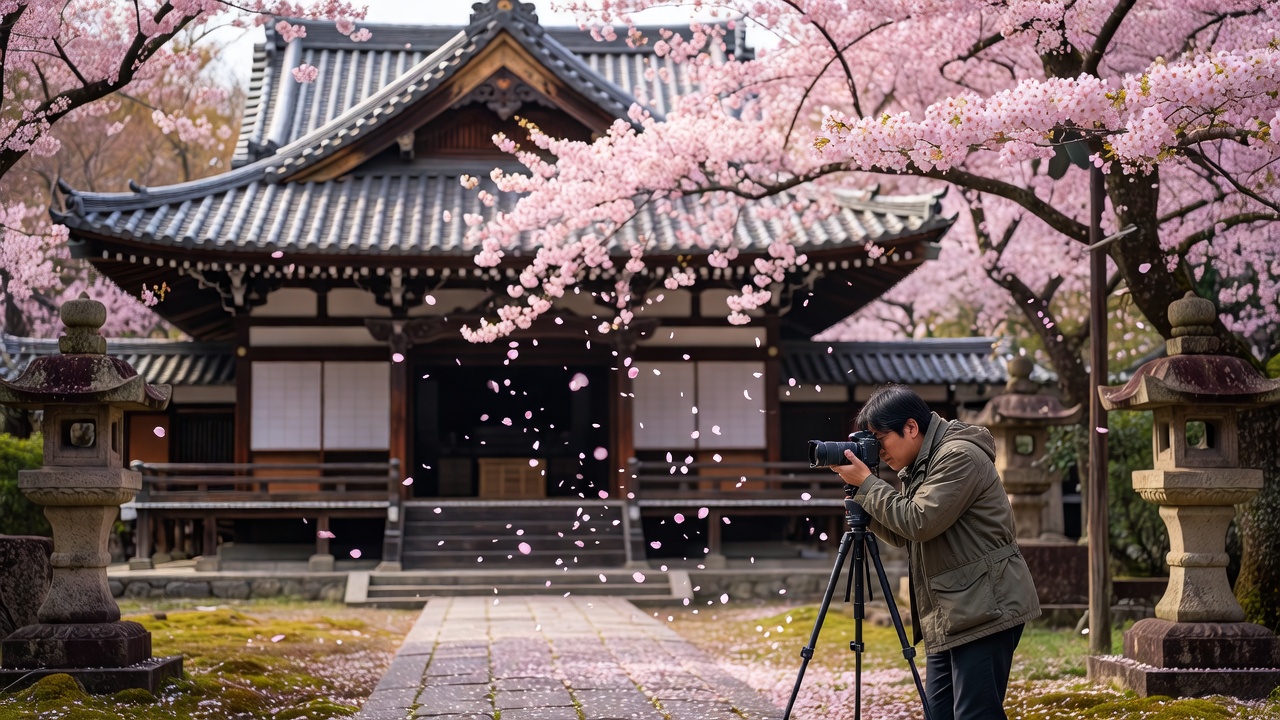
Japan's cherry blossoms provide fleeting pink canopies that symbolize renewal. Kyoto's temples frame these blooms beautifully for cultural portraits and street scenes. Capture the delicate petals with a macro lens during early morning light to avoid crowds and capture dew drops. In India, the vibrant festivals of Rajasthan offer colorful markets and traditional attire that add human interest to architectural backdrops like the Taj Mahal at dawn. Morocco's blue-washed streets in Chefchaouen create striking contrasts for travel portraits and detail shots of intricate doorways and textiles. Peru's Machu Picchu combines ancient ruins with mountainous backdrops for storytelling images that blend history and nature at golden hour.
Wildlife Photography Destinations
African savannas remain premier for wildlife, where patient observation yields intimate animal behaviors. Focus on ethical distances and use telephoto lenses to isolate subjects against dramatic backdrops like sunsets over the Serengeti. The Galapagos Islands deliver unique close encounters with fearless species such as giant tortoises and marine iguanas, ideal for environmental storytelling. Alaska's coastal areas provide opportunities to photograph bears fishing in rivers during salmon runs, requiring careful timing and long lenses for safety and impact. Australia's Great Barrier Reef offers underwater opportunities with colorful marine life, where snorkeling with wide-angle setups captures both reef details and larger scenes in one frame.
Qualitative Gear Comparisons for Different Budgets
Entry-level setups suit beginners with versatile zoom lenses for flexibility across scenes, offering good image stabilization for handheld shooting in dynamic environments. Mid-range options add weather-sealed bodies for rugged locations like Iceland, balancing portability with improved low-light performance for dawn and dusk captures. Advanced users benefit from mirrorless systems with superior autofocus for fast-moving wildlife, along with interchangeable lenses that cover wide to telephoto ranges. Compare based on portability needs versus image quality priorities when planning trips. Consider tripods for landscapes, extra memory cards for extended shoots, and lightweight backpacks to carry gear comfortably over long hikes. Battery life and weather resistance become key factors in remote areas without easy recharging options.
Sample Itineraries for Photographers
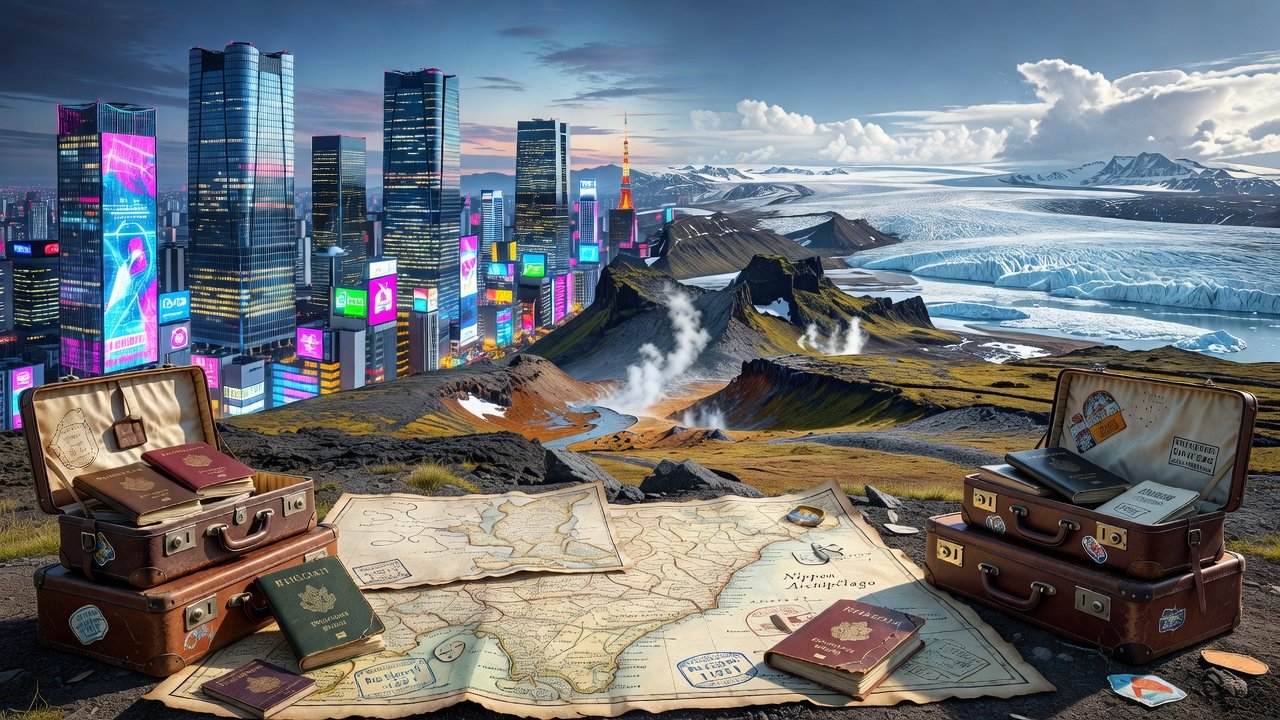
A 10-day Iceland circuit starts in Reykjavik with cityscapes, moves to ice caves on day three for blue ice details, then explores waterfalls and black sand beaches. Include buffer days for weather changes common in the region. For Japan, a 7-day spring itinerary covers Tokyo neon nights, Kyoto blossoms at temples, and rural temples with early starts for soft light. Patagonia requires a 14-day plan including Torres del Paine hikes and lake reflections, while an African safari might span 12 days across multiple parks for diverse species coverage. Each itinerary should incorporate rest days to review images and recharge creatively.
Top Mistakes to Avoid When Shooting Travel Photography
- Overpacking heavy gear that limits mobility and causes fatigue on long days, leading to missed spontaneous moments.
- Ignoring local customs which can lead to missed cultural moments or disrespectful images that harm relationships with communities.
- Shooting only at midday without seeking shade or waiting for better light angles, resulting in harsh shadows and flat colors.
- Skipping backup plans for weather or access restrictions that alter daily schedules and waste valuable shooting time.
- Neglecting post-capture organization, making it hard to find the best shots later when editing under time pressure.
Seasonal Considerations and Best Times to Visit
Understanding seasonal patterns helps align trips with peak visual conditions. Spring in Japan maximizes cherry blossom vibrancy, while winter in Iceland ensures ice cave access. Summer brings long daylight hours in northern latitudes for extended shooting windows, but autumn offers richer foliage colors in places like Banff. Always monitor forecasts and local advisories to adapt plans dynamically.
FAQs on Permits, Seasons, and Editing
Permits are often required for protected areas—check local regulations in advance through official tourism channels to avoid fines or denied access. Best seasons align with natural events like cherry blossom peaks in April or winter ice formations from November to March. Editing apps such as Lightroom help refine colors and contrast post-capture to enhance storytelling while preserving natural tones. Always back up files daily during trips and review images each evening to adjust next-day plans. For deeper planning resources, visit National Geographic, Iceland's official tourism site, and Japan's official travel site.
Conclusion
These 2026 hotspots blend accessibility with visual richness, empowering photographers to create compelling narratives. Plan thoughtfully to maximize each opportunity and return with images that inspire further adventures. By combining preparation with creative vision, every trip becomes a chance to grow both technically and artistically while building a portfolio of unforgettable scenes.
No comments yet. Be the first!