 PlaceBee
Introduction: Turning Pages into Passports
Reading has long sparked the desire to explore, and in 2026 literary wanderlust offers a fresh way to plan trips beyond standard bucket lists. Fictional worlds from beloved novels map directly onto real locations, creating immersive experiences that blend storytelling with adventure. This approach appeals to readers seeking meaningful travel that connects personal passions with global exploration. Instead of generic sightseeing, literary travelers walk the same streets as characters, stand in landscapes described in vivid prose, and gain new appreciation for both the book and the place. Whether you crave the windswept moors of a Gothic tale or the sun-drenched markets of magical realism, pairing literature with destinations turns every journey into a living narrative.
Why Literary Travel Resonates in 2026
Travel inspired by books provides deeper cultural context and emotional connection. Whether following the moors of a Gothic romance or the bustling streets of a dystopian classic, these journeys transform passive reading into active discovery. Literary tourism continues to grow as travelers seek authentic encounters that echo the themes of their favorite stories. Many report that revisiting a novel after visiting its setting reveals layers of meaning previously hidden in the text. In an era of digital overload, literary travel encourages slow, intentional exploration that prioritizes reflection over checklists. Resources such as the Library of Congress offer extensive archives that help travelers research historical and geographic details before departure.
7 Concrete Literary Destination Examples
Here are seven pairings of novels with real-world locations, complete with author quotes to set the mood and practical visiting notes.
- Pride and Prejudice by Jane Austen – The English countryside of Derbyshire and the Peak District. Austen wrote, “It is a truth universally acknowledged, that a single man in possession of a good fortune, must be in want of a wife.” Visitors can tour Chatsworth House, the inspiration for Pemberley, and nearby villages that retain their Regency charm.
- 1984 by George Orwell – London’s historic districts. The novel’s warnings about surveillance come alive near the Houses of Parliament and the British Library, where original manuscripts are displayed.
- The Great Gatsby by F. Scott Fitzgerald – Long Island’s North Shore in New York. The opulent mansions and waterfront views capture the Jazz Age glamour described in Fitzgerald’s prose.
- One Hundred Years of Solitude by Gabriel García Márquez – The Caribbean coast of Colombia, particularly Aracataca. The magical realism of Macondo finds echoes in the region’s lush landscapes and colorful architecture.
- The Hobbit by J.R.R. Tolkien – New Zealand’s South Island, especially the volcanic regions used in film adaptations that honor the book’s spirit of adventure.
- To Kill a Mockingbird by Harper Lee – Monroeville, Alabama. The courthouse square and surrounding neighborhoods mirror the small-town setting of Scout’s childhood.
- The Shadow of the Wind by Carlos Ruiz Zafón – Barcelona’s Gothic Quarter. The Cemetery of Forgotten Books and narrow alleyways evoke the novel’s atmospheric mystery.
Each destination rewards travelers who read the source material beforehand for richer context and emotional resonance.
Seasonal Timing Tips for 2026 Visits
Aligning visits with weather and local events enhances the literary experience. Spring in England suits Austen country for blooming gardens and milder temperatures ideal for long walks. Autumn in New York captures Gatsby’s reflective mood with golden foliage along the Sound. Summer works well for Colombia’s coast, where vibrant festivals complement the tropical setting of García Márquez’s world. Shoulder seasons in New Zealand offer fewer crowds around Tolkien-inspired sites, allowing quieter hikes through volcanic landscapes. Research local literary festivals in advance; many towns host annual events celebrating their famous authors with readings, tours, and themed dinners.
Packing Lists Inspired by Book Themes
Theme your luggage to the novel for an immersive touch. For Austen adventures, pack lightweight linens, sensible walking shoes, and a journal for sketching estates. Tolkien treks call for sturdy boots, layered clothing, and a compass or map. Gatsby glamour suggests vintage-style accessories, linen suits, and evening wear for waterfront dinners. Always include a physical copy of the book for on-site reading, plus a notebook to record observations that connect fiction to reality. Consider a lightweight scarf or shawl that doubles as a picnic blanket for outdoor scenes described in the text.

Step-by-Step Guide to Building a Personal Reading-to-Travel Map
- Choose 3–5 books that excite you most and reread key passages highlighting locations.
- Research real locations mentioned or implied using maps, author biographies, and tourism sites.
- Check 2026 event calendars for literary festivals, author anniversaries, or seasonal highlights that align with your reading.
- Map routes that connect multiple destinations logically, minimizing backtracking and maximizing thematic flow.
- Book accommodations near key literary landmarks to allow easy morning or evening visits when sites are quieter.
- Document your journey with photos, journal entries, and short voice notes to create your own story upon returning home.
- Share select experiences on reader forums to connect with fellow literary travelers and gather future ideas.
Reader Testimonials as Case Studies
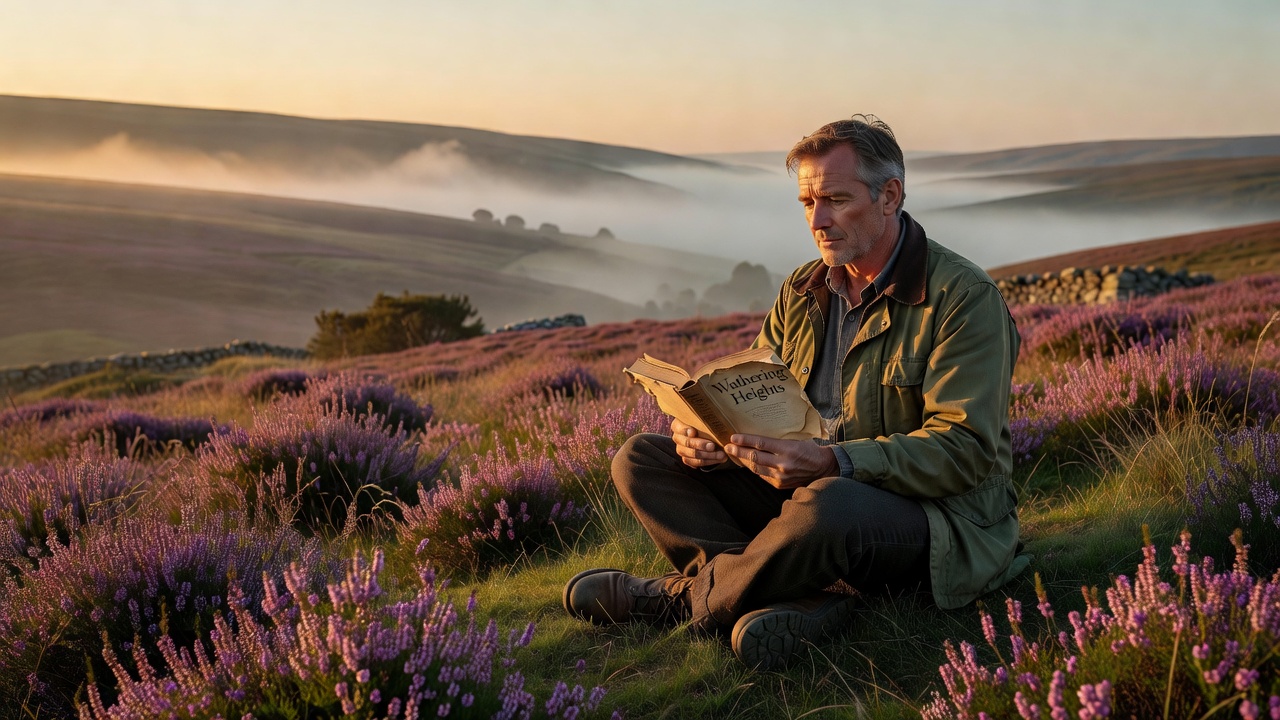
One traveler followed Wuthering Heights across the Yorkshire moors and reported feeling “transported into the novel itself, with every gust of wind echoing the characters’ turmoil.” Another visited Dublin inspired by Ulysses and described the city as “a living text waiting to be explored, where every corner revealed new layers of Joyce’s Dublin.” A third reader combined Pride and Prejudice with a Peak District hike and noted that seeing the landscape made Austen’s social commentary far more vivid. These stories highlight how literary travel creates lasting memories that enrich both future readings and personal growth.
Common Mistakes to Avoid
Many first-time literary travelers over-schedule, leaving little time for spontaneous discovery. Others skip rereading the book before the trip, missing subtle references. Always verify opening hours of historic sites in advance, as some estates close seasonally. Finally, resist the urge to photograph every scene; pause to simply stand in the place and absorb the atmosphere the author described.
FAQ: Literary Travel Logistics and Costs
How do I start planning a literary trip? Begin with one book and its primary setting, then expand using travel resources from institutions like the Library of Congress and literary archives.
What are typical costs involved? Expenses vary widely by destination and season; focus on value through shoulder-season travel and public transport rather than fixed figures.
Are group tours available? Many literary destinations offer self-guided options or small-group experiences through local tourism boards and museums.
How do I combine multiple books in one trip? Use the step-by-step map above and prioritize geographic clusters to keep travel efficient.
Do I need special permissions to visit private estates? Most literary sites welcome visitors during public hours; check official websites for any seasonal restrictions.
Conclusion
Literary wanderlust transforms reading into purposeful exploration. By pairing novels with real destinations, travelers in 2026 can create journeys rich in imagination and discovery. Start with one book, follow the map, and let the stories guide your next adventure. The result is not just a vacation, but a deeper relationship with literature that lingers long after you return home.


No comments yet. Be the first!