 PlaceBee
10 Hidden Gems in North America for 2026: Secret Spots
While popular spots like Niagara Falls, Yellowstone, and Cancun draw massive crowds, North America is brimming with underrated destinations perfect for 2026 travelers seeking solitude and authenticity. These 10 hidden gems span Canada's vast wilderness, tucked-away U.S. national park corners, and off-the-beaten-path Mexican pueblos. They're ideal for adventurers wanting immersive experiences without the tourist throngs. In this guide, we'll dive into unique attractions, why they're still secret, practical itineraries, best visit times, and sustainable travel tips to ensure your trip leaves no trace.
Why Visit Hidden Gems in 2026?
Post-pandemic travel trends show a shift toward sustainable, low-impact adventures. By 2026, overtourism at major sites will push savvy explorers to these spots. They offer pristine nature, cultural depth, and fewer crowds, aligning with rising eco-conscious travel. According to UNESCO, preserving lesser-known heritage sites is crucial amid climate change. Expect fewer flights, more road trips, and apps like AllTrails for navigation.
Canada's Remote Wilderness Wonders
1. Nahanni National Park Reserve, Northwest Territories
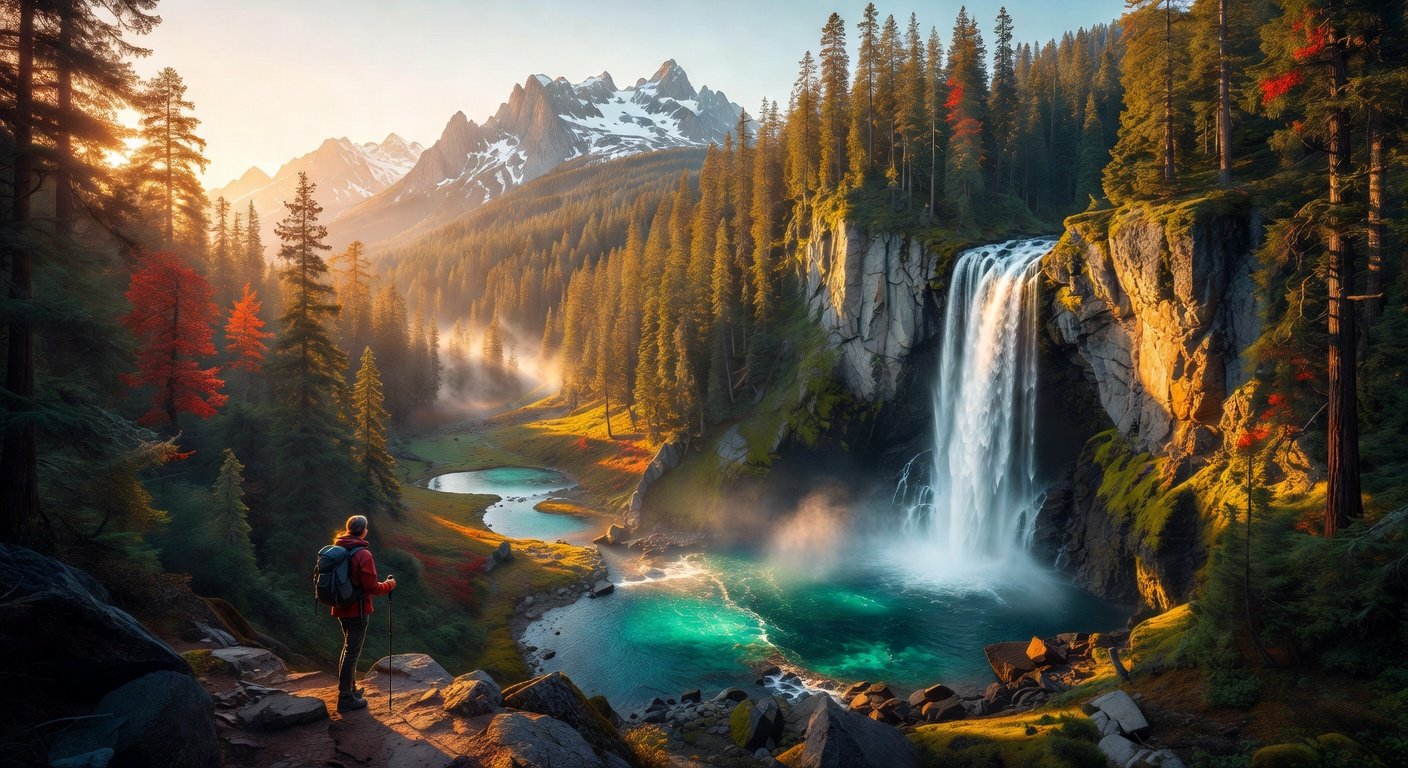
This UNESCO World Heritage Site in the remote South Nahanni River valley boasts Virginia Falls—twice the height of Niagara—and limestone canyons. It's hidden due to its fly-in access only, keeping visitor numbers under 1,000 annually. Paddle the South Nahanni River for rafting amid grizzly habitats and First Nations history.
Best time: July-August for milder weather. Itinerary: Fly from Fort Simpson (2-hour charter), base camp 4 days for hiking Rabbitkettle Hotsprings trail (8km roundtrip). Day 5: River float to Virginia Falls.
Insider tip: Book with licensed outfitters; pack bear spray. Sustainable: Follow Leave No Trace via Parks Canada guidelines.
2. Haida Gwaii (Queen Charlotte Islands), British Columbia
These ancient islands feature totem-lined beaches and old-growth Sitka spruce forests. Off the radar because of ferry-only access and stormy winters, they're a Haida cultural stronghold with sites like SGang Gwaay.
Best time: June-September. Itinerary: Ferry from Prince Rupert (8 hours), rent a car for Naikoon Provincial Park trails. Kayak Graham Island's east coast (3 days), visit cultural centers.
Tip: Join Haida-led tours for Gwaii Haanas National Park Reserve. Sustainable: Support local artisans, avoid single-use plastics.
3. Tombstone Territorial Park, Yukon
Grizzly Creek and the North Klondike Highway reveal alpine tundra and grizzly sightings. Hidden by its 2,000km drive from Whitehorse, it's raw Yukon wilderness.
Best time: Mid-July to August. Itinerary: Drive in, hike Grizzly Creek Ridge (moderate 5km), camp at Tombstone Mountain (2 nights). Spot Dall sheep from overlooks.
Tip: Rent a 4x4; check wildlife cams online. Sustainable: Use park compost toilets.
Hidden Corners of U.S. National Parks
4. Congaree National Park, South Carolina
The largest old-growth bottomland hardwood forest floods seasonally, hosting fireflies and champion trees. Undervisited (under 250,000/year) due to its swampy, buggy rep and proximity to busier Charleston.
Best time: Winter (Dec-Feb) for synchronous fireflies off-season. Itinerary: Boardwalk loop (4km), canoe Cedar Creek (full day). Camp Weston Lake.
Tip: Bring DEET; visit NPS.gov for ranger programs. Sustainable: Stay on trails to protect rare flora.
5. North Cascades National Park, Washington
Glacier-carved peaks and Diablo Lake's turquoise waters are eclipsed by Olympic NP. Accessible via Highway 20, but backcountry requires permits.
Best time: July-September. Itinerary: Drive North Cascades Highway, hike Blue Lake (8km, stunning views). Backpack Maple Pass loop (2 days).
Tip: Ferries from Anacortes; watch for goats. Sustainable: Pack out micro-trash.
6. Great Basin National Park, Nevada
Lehman's Caves and Wheeler Peak (13,063ft) offer stargazing in a Dark Sky Park. Hidden in rural Nevada, far from Vegas.
Best time: Summer nights. Itinerary: Drive from Ely, tour caves (90min), summit Wheeler via Alpine Lakes trail (4 days). Stargaze at Wheeler Peak Campground.
Tip: Altitude prep; no light pollution. Sustainable: Use red flashlights.
7. Pinnacles National Park, California
Volcanic rock spires and condor releases make it unique, but it's overshadowed by Yosemite. Talus caves and reservoirs draw climbers.
Best time: Spring (wildflowers). Itinerary: Hike Balconies Cave (5km), High Peaks trail. Camp Pinnacles Campground (2 nights).
Tip: Headlamps for caves. Sustainable: Water conservation key in drought.
Mexico's Off-the-Beaten-Path Pueblos
8. Real de Catorce, San Luis Potosí
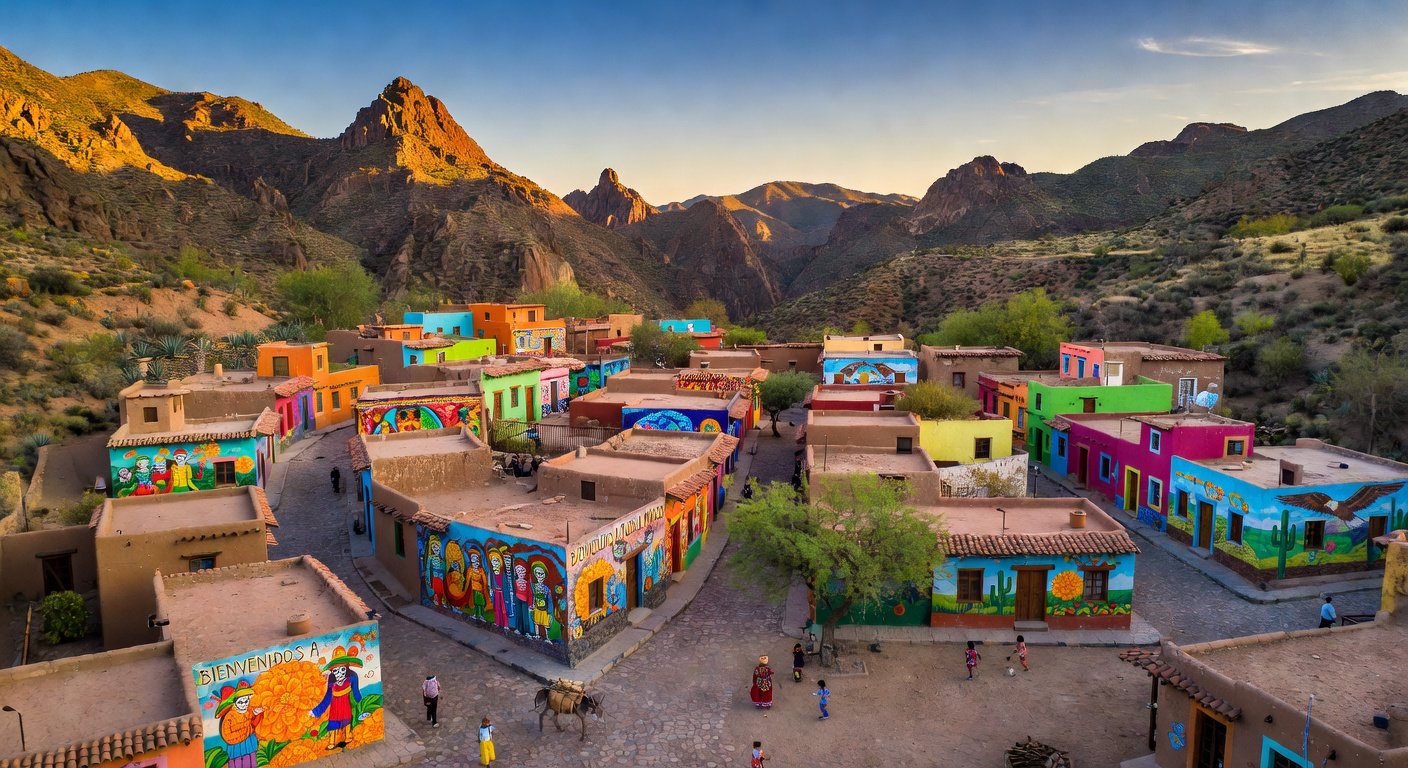
A former silver mining ghost town turned peyote pilgrimage site in the desert. Reached by 4x4 through the Ogarrio Tunnel, it's culturally rich with Huichol art.
Best time: October-March (cooler). Itinerary: Bus to Matehuala, tunnel drive, explore Wirikuta trails. Overnight in posada.
Tip: Respect peyote ceremonies. Sustainable: Buy from local cooperatives.
9. Copper Canyon (Barrancas del Cobre), Chihuahua
Deeper than Grand Canyon, with Tarahumara (Rarámuri) villages. Skip touristy train; hike remote rims.
Best time: Spring/Fall. Itinerary: Fly to Creel, hike to Urique Canyon (multi-day), visit Batopilas ghost town.
Tip: Hire Rarámuri guides. Sustainable: Support community ecotourism.
10. Isla Holbox, Quintana Roo
Car-free island with bioluminescent waters and whale sharks (seasonal). Pre-Yucatan boom, accessed by ferry from Chiquilá.
Best time: May-September (whale sharks). Itinerary: Ferry from Cancun (3 hours), bike to Punta Mosquito, kayak mangroves. Beach hop 4 days.
Tip: No ATMs; golf carts for rent. Sustainable: Sunscreen-free swimming.
Practical Travel Tips for These Gems
- Packing essentials: Layers, sturdy boots, reusable water bottle, offline maps (e.g., Gaia GPS).
- Getting there: Mix flights (WestJet for Canada, Southwest for US) with rentals; Mexico via Volaris.
- Budget: $1,500-3,000/week per person, excluding flights.
- Mistakes to avoid: Underestimating remoteness—overpack food; ignoring weather apps.
Sustainable Travel Advice
Prioritize low-impact: Use public transport where possible, choose eco-lodges, offset carbon via UNESCO partners. Support Indigenous communities directly. These gems thrive on responsible visitors—your choices preserve them for 2027 and beyond.
Conclusion: Plan Your 2026 Escape Now
These 10 North America hidden gems promise transformative 2026 adventures. From Nahanni's roar to Holbox's glow, they're calling. Book permits early, travel light, and disconnect to reconnect. Which will you conquer first?
No comments yet. Be the first!