 PlaceBee
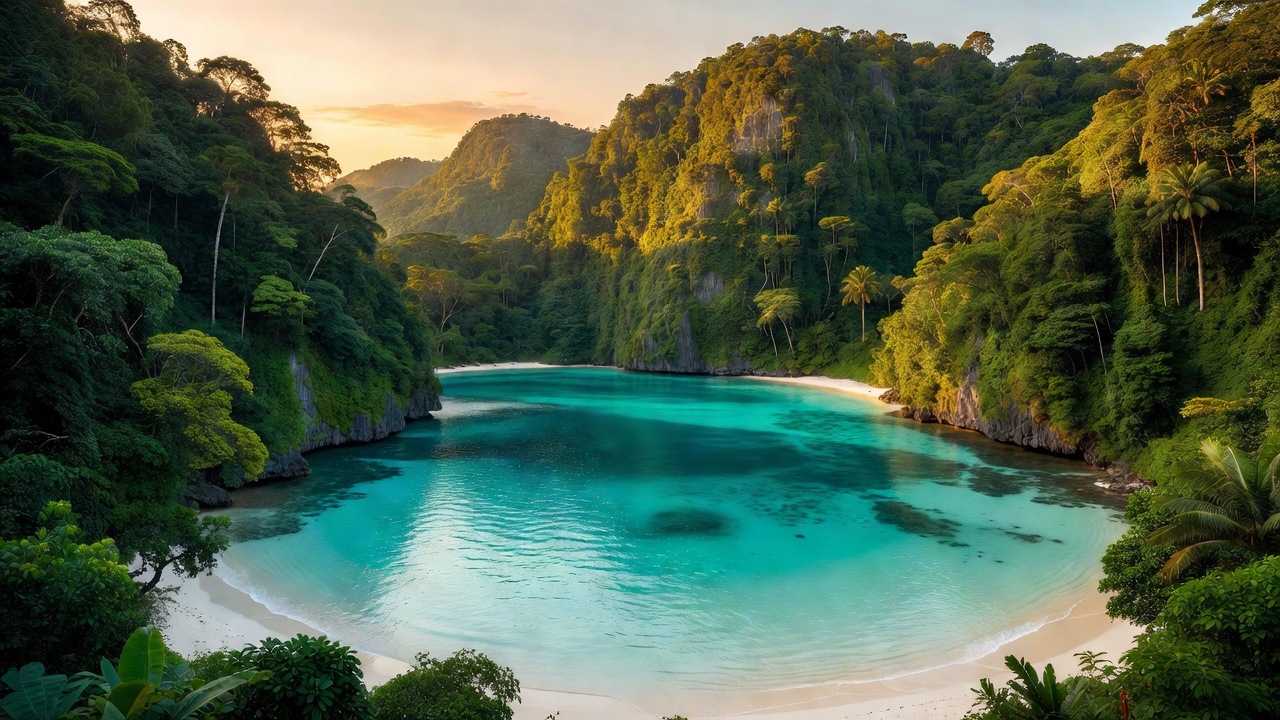
Introduction: Why Seek Hidden Gems in 2026?
Travelers today are shifting away from overcrowded landmarks toward authentic experiences in lesser-known locations. Hidden gems, secret spots, and off-the-beaten-path destinations offer quieter environments, genuine cultural interactions, and memorable adventures that popular sites often lack. This beginner’s guide provides detailed strategies to identify and explore these places responsibly, helping new explorers build confidence for their first secret-spot journeys in 2026 and beyond. With thoughtful preparation, anyone can transition from typical tourist routes to rewarding discoveries that foster personal growth and environmental awareness.
Defining a True Hidden Gem
A true hidden gem remains relatively undiscovered by mass tourism yet holds significant natural beauty, cultural depth, or adventure potential. Core criteria include sparse online visibility, strong community backing, limited infrastructure development, and a focus on preservation over commercialization. These locations differ from mainstream attractions because they reward careful research and mindful visitation. Beginners should look for places where local traditions thrive without heavy tourist influence, ensuring visits feel personal rather than performative. Evaluating factors such as visitor numbers, media coverage, and ecological sensitivity helps distinguish genuine hidden gems from merely marketed alternatives.
Step-by-Step Research Methods
Effective discovery starts with structured digital and offline approaches. Begin by using mapping tools such as Google Earth to scan satellite imagery for isolated areas near major routes. Supplement this with specialized travel apps like AllTrails for hiking paths or Rome2Rio for transport options that reveal secondary destinations. Search forums and social platforms using terms like hidden gems and off-the-beaten-path to gather user reports, then verify findings through official tourism websites.
Next, tap into local sources by emailing regional tourism offices or joining community-led tours upon arrival. Cross-check information across at least three platforms to confirm accessibility, seasonal conditions, and entry requirements. Create a simple spreadsheet to track potential spots, noting coordinates, estimated travel time, and contact details. This methodical process reduces guesswork and increases the likelihood of rewarding discoveries. Consider consulting printed travel guides from established publishers for historical context that digital sources may overlook. Reach out to embassies or cultural centers for insider recommendations unavailable online. Layer multiple data sources including weather archives and trail condition reports to build a comprehensive profile for each candidate location.
Combine keyword research with map layering techniques to identify overlooked villages or trails adjacent to famous landmarks. Always confirm details via government travel resources before finalizing plans.
Real-World Examples Across Continents
Europe features quiet inland hamlets in Portugal’s Alentejo region as peaceful alternatives to Lisbon’s bustling squares. Asia presents secluded mountain monasteries in northern Vietnam instead of Hanoi’s crowded markets. North America includes hidden alpine lakes in British Columbia’s backcountry, offering serene views far from Yellowstone’s busy boardwalks. South America showcases understated coastal coves in Chile’s less-visited stretches as calmer options compared to Argentina’s popular beaches. Africa highlights understated savanna reserves in Botswana’s remote zones for intimate wildlife encounters without the density of major safari hubs.
These examples demonstrate how secret spots deliver comparable scenery and activities with significantly fewer visitors, creating space for reflection and authentic engagement. Each continent holds dozens of comparable alternatives waiting for curious beginners willing to venture slightly further afield.
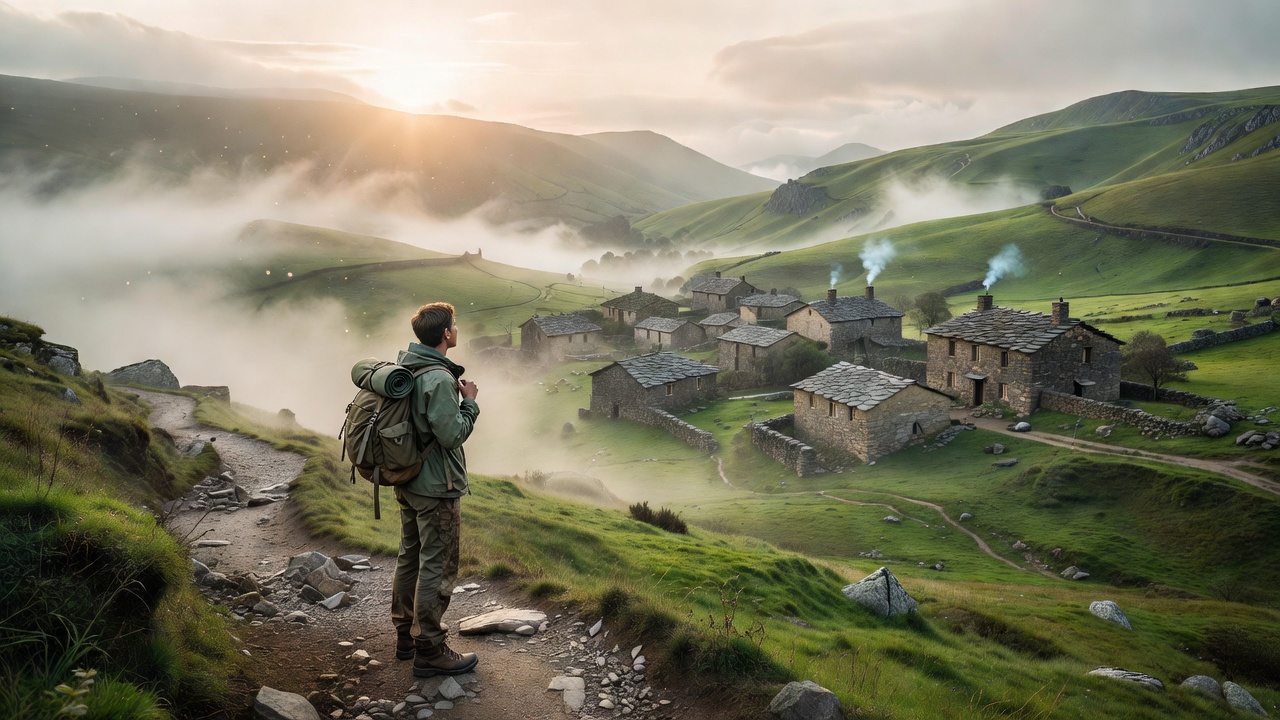
Comparisons Between Popular Tourist Sites and Secret Alternatives
Popular destinations often suffer from long queues, inflated prices, and diluted cultural experiences. In contrast, their hidden alternatives provide similar highlights with greater tranquility. For instance, instead of Rome’s Colosseum, explore the lesser-known ruins of Ostia Antica for ancient history without crowds. Rather than Thailand’s Phuket beaches, visit quiet bays on nearby Koh Yao Noi for relaxed island vibes. These comparisons show that strategic choices lead to deeper satisfaction while distributing tourism pressure more evenly across regions.
Safety and Sustainability Tips for 2026 Travel
Safety begins with thorough preparation. Consult official advisories from sources like the U.S. Department of State and health guidelines from the Centers for Disease Control and Prevention. Pack appropriate gear, share itineraries with trusted contacts, and learn basic emergency phrases in the local language. Additional measures include registering with your embassy and carrying comprehensive travel insurance that covers remote medical evacuation.
Sustainability practices protect these fragile locations. Choose low-impact transportation such as trains or buses, support locally owned businesses, and adhere strictly to leave-no-trace principles. Avoid sharing precise coordinates on public platforms to prevent overuse. These habits ensure hidden gems remain accessible for future generations. The United Nations World Tourism Organization provides further guidance on responsible tourism practices that align with 2026 sustainability goals.
- Research current entry permits and seasonal closures in advance.
- Carry reusable water bottles and eco-friendly toiletries.
- Engage in community workshops or volunteer opportunities when available.
- Monitor weather apps daily and adjust plans accordingly.
- Respect wildlife by maintaining safe distances at all times.
Mistakes to Avoid as a Beginner
Common pitfalls include relying solely on social media for recommendations, which can lead to outdated or overcrowded information. Another error is underestimating travel logistics, such as limited public transport in remote areas. Overpacking heavy gear can also hinder mobility on narrow trails. Finally, neglecting to inform locals of your presence or failing to tip appropriately in small communities can strain relationships. Learning from these mistakes helps create smoother, more respectful journeys.
Practical Packing and Preparation Steps
Preparation extends beyond research to physical readiness. Assemble a versatile wardrobe suited to variable weather, including moisture-wicking layers and sturdy footwear. Include a compact first-aid kit, multi-tool, and offline maps downloaded to your device. Test all electronics and power banks before departure. Practice basic navigation with a compass or GPS app during short local outings. These steps minimize surprises and maximize enjoyment once you reach your chosen hidden gem.
Short FAQ Section
Are hidden gems accessible for beginners?
Many secret spots feature straightforward access with basic preparation. Start with short day trips from established hubs to develop navigation skills and confidence before tackling more remote locations.
What about costs for these trips?
Expenses often align closely with standard travel when emphasizing local lodging and off-peak timing, though individual budgets vary based on destination and duration.
How do I handle language barriers?
Translation applications combined with patient locals make communication manageable in most off-the-beaten-path areas, especially when gestures and smiles supplement spoken words.
Can I visit hidden gems solo?
Yes, but always inform someone of your plans, stick to well-marked paths initially, and consider joining small group excursions for added security and insight.
Do hidden gems require special permits?
Some locations need advance reservations or permits; always verify through official channels to avoid disappointment upon arrival.
Conclusion
Discovering hidden gems transforms ordinary travel into meaningful exploration. By applying the research methods, comparisons, and responsible practices outlined here, beginners can confidently plan their first off-the-beaten-path adventures. These experiences not only enrich personal journeys but also contribute to the preservation of special places worldwide throughout 2026 and the years ahead.
No comments yet. Be the first!