 PlaceBee
Why Seek Out Hidden Coffee Gems in 2026?
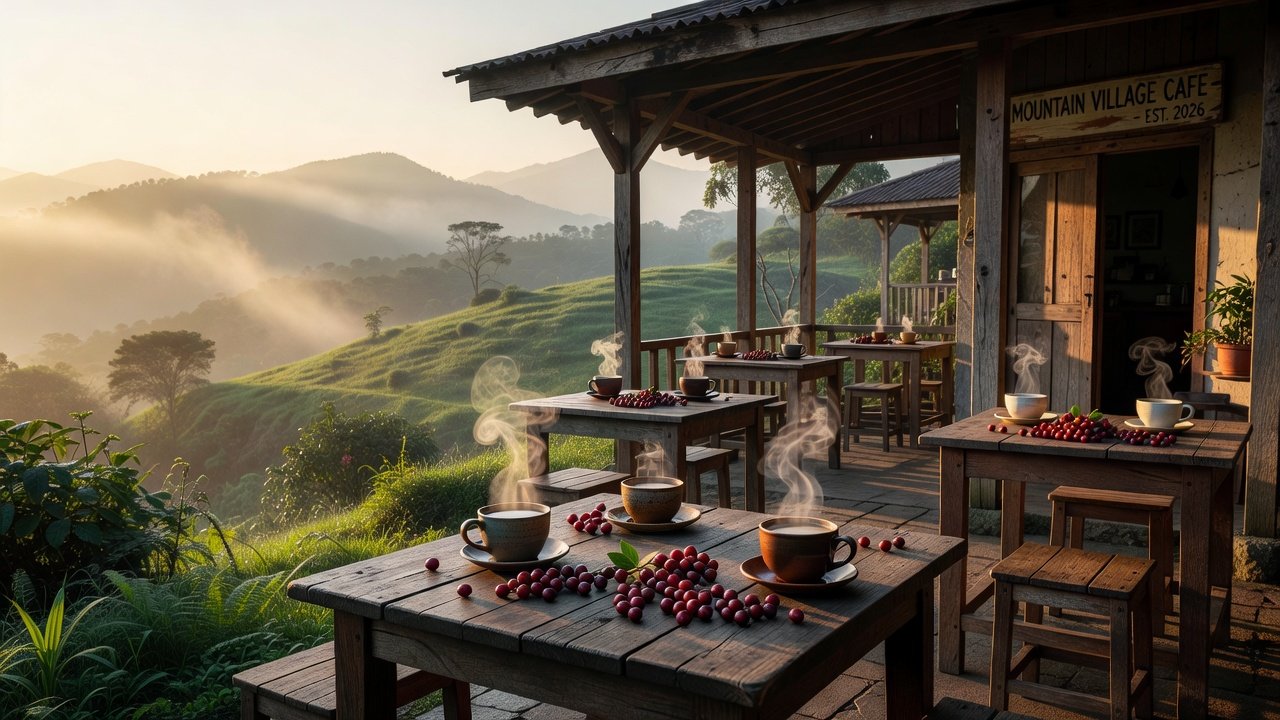
Coffee enthusiasts tired of crowded tourist traps are turning to lesser-known destinations for authentic experiences. These spots emphasize sustainability, small-batch roasting, and pairings with local cuisine while avoiding overtourism. In 2026, travelers can explore unique brewing techniques rooted in indigenous traditions across eight global locations. The appeal lies in discovering beans with distinct terroir, learning from local farmers, and enjoying low-crowd environments that preserve the cultural integrity of coffee production. Many of these hidden gems operate on principles of regenerative agriculture, ensuring that future generations can continue enjoying high-quality coffee without environmental degradation.
1. Finca La Esperanza, Colombia
Nestled in the hills near Salento, this family-run farm offers pour-overs from heirloom beans. The beans here carry notes of caramel and citrus due to the high-altitude volcanic soil. Visit during the dry season from December to March for optimal harvests when the cherries reach peak ripeness. Take the local bus from Pereira for budget-friendly access; rail connections via Medellín provide scenic alternatives that wind through the Andes. Compared to bustling Bogotá cafés, this spot offers quieter immersion where you can participate in manual sorting of beans. Pair your cup with fresh arepas made from locally grown corn. Solo travelers find the on-site guesthouses welcoming and secure, with hosts providing maps of safe walking trails.
2. Yirgacheffe Cooperative, Ethiopia
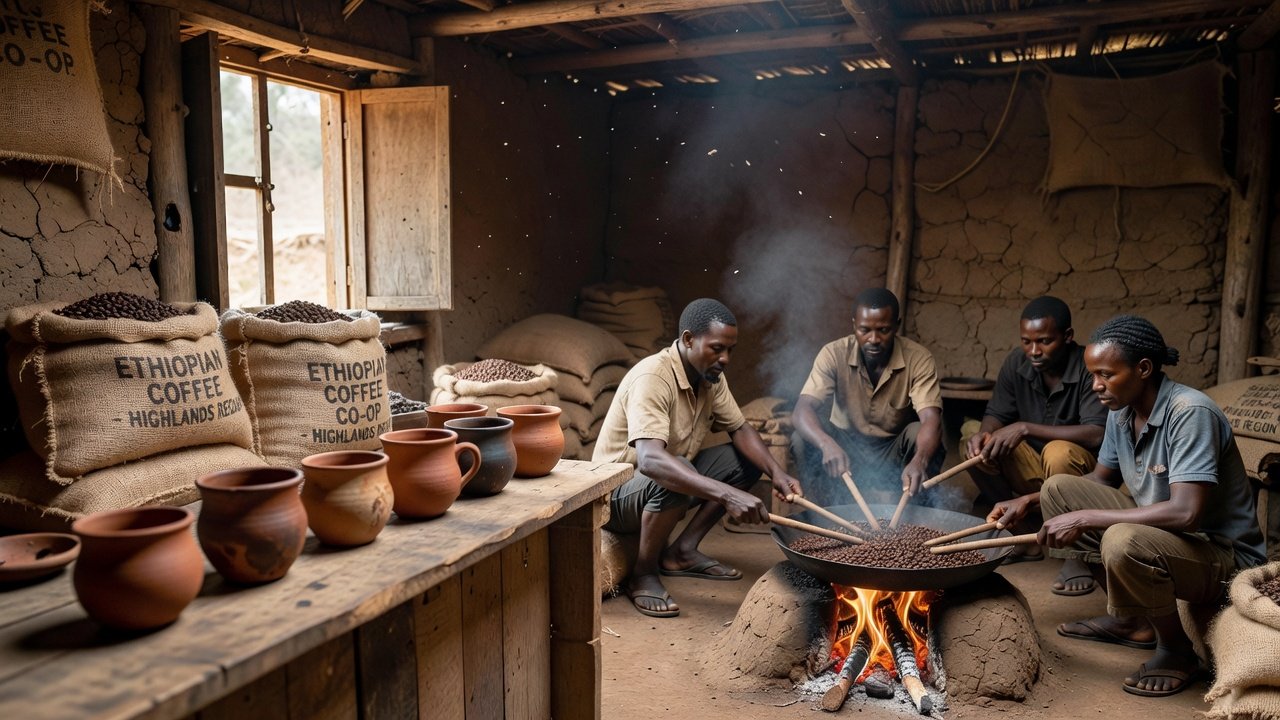
Sample naturally processed beans at this village collective where fermentation happens in raised beds under the sun. The floral and berry profiles shine through in every sip. Spring visits from February to April align with flowering seasons, offering a chance to see the plants in bloom. Local minibuses connect from Addis Ababa, allowing travelers to stop at roadside markets for spices that complement the coffee. Solo travelers appreciate well-lit paths and community-guided tours for safety, often joining groups for tastings that highlight traditional Ethiopian coffee ceremonies. This contrasts sharply with the commercialized experiences in larger cities.
3. Da Lat Highlands, Vietnam
Explore egg coffee variations at a hillside shed using robusta from nearby plots, where the drink is topped with whipped egg yolk for a creamy texture. Avoid peak summer crowds by traveling in shoulder months like April or October when the weather remains mild. Overnight buses from Ho Chi Minh City make it accessible on a budget, with routes that pass through scenic rice paddies. The local method involves slow-drip brewing that extracts maximum flavor, and pairings often include fresh baguettes from French-influenced bakeries in the area. This provides a stark contrast to the noisy chains found in Hanoi.
4. Antigua Valley Outpost, Guatemala
Try traditional clay-pot brewing paired with tamales at this small cooperative. The clay imparts a subtle earthy note to the medium-roast beans. The rainy season offers fewer visitors, allowing deeper conversations with growers about their shade-grown practices. Chicken buses from Guatemala City are reliable and cheap, stopping directly near the farm gates. Visitors can join workshops on identifying flavor defects, making it educational as well as relaxing.
5. Toraja Highlands, Indonesia
Experience luwak-free ethical processing in remote Sulawesi villages where beans are dried on bamboo mats. The resulting cups feature chocolate and spice undertones. Fly into Makassar then bus onward through winding mountain roads for an adventurous yet affordable journey. Packing a portable aeropress is recommended for custom brews during hikes between farms. Community stays emphasize cultural exchange, including lessons on traditional Toraja funeral rites that indirectly influence local agriculture calendars.
6. Nyeri Slopes, Kenya
AA-grade beans with blackberry notes are the highlight here, grown on smallholder plots with careful attention to water conservation. Best visited in cool dry months from June to September. Matatus from Nairobi ensure easy transport and often include stops at fruit stands for perfect pairings. Solo women travelers note secure guesthouses nearby with female-run operations that prioritize safety protocols like verified driver networks.
7. Serra da Mantiqueira, Brazil
Hidden farm stays feature nitro cold brews served in repurposed silos. The mild winters reduce crowds significantly, allowing peaceful tastings. Regional trains from São Paulo connect affordably, offering views of the rolling hills. Expanded comparisons show these farms produce beans with brighter acidity than the mass-market varieties popular in Rio de Janeiro.
8. Tarrazú Hills, Costa Rica
Shade-grown arabica with honey pairings defines the experience at these family plots. The dry season from December to April is ideal for clear skies and visible birdlife that aids pollination. Interbus services from San José offer comfortable, low-cost options versus rental cars, with routes designed for scenic stops. Practical examples include joining morning picking sessions followed by immediate roasting demos.
Practical Packing List for Coffee Gear
- Reusable travel grinder and filters to maintain freshness on the road
- Portable scale for precise ratios that highlight each bean's unique profile
- Insulated mug for on-the-go tastings during bus journeys
- Notebook for flavor notes and farm contact details
- Lightweight rain jacket for mountain weather changes
- Reusable water bottle with built-in filter for remote areas
- Small first-aid kit including motion sickness remedies for winding roads
Budget vs Tourist Alternatives Comparison
Hidden spots average half the cost of major city chains while supporting direct trade. Rail or bus routes cut expenses compared to private transfers, and many cooperatives offer free tastings in exchange for purchases of whole beans. This approach delivers richer cultural context than standardized tourist menus.
Solo Traveler Safety Tips
Research community reviews thoroughly before arrival, share itineraries with hosts, and stick to daylight travel in remote areas. Many cooperatives offer group tastings that enhance security through numbers. Download offline maps and carry a basic translation app for local dialects.
Expanded FAQ: Sourcing Ethical Beans and Avoiding Overtourism
How do I verify ethical sourcing? Look for Fairtrade certifications and direct farm partnerships that ensure fair wages for growers. What about seasonal bean availability? Check harvest calendars from the International Coffee Organization to time visits perfectly. How to minimize overtourism impact? Travel off-peak, support small cooperatives, and limit group sizes at each location. Are there ways to source beans sustainably after the trip? Many farms ship small quantities directly; check FAO guidelines on sustainable coffee trade for best practices. Always prioritize low-impact transport like buses or trains to reduce your carbon footprint.
Conclusion
These eight destinations offer coffee lovers a chance to connect deeply with the origins of their favorite drink in 2026. By focusing on sustainability and low-impact travel, enthusiasts can enjoy memorable experiences that benefit local communities and preserve these hidden gems for years to come.
No comments yet. Be the first!