 PlaceBee

Introduction to Medical Tourism in 2026
Medical tourism continues to grow as patients seek high-quality care at lower costs combined with recovery in appealing destinations. This comprehensive guide helps travelers research and plan procedures abroad safely using specialized destination resources. Understanding success rates, recovery environments, and verification processes ensures informed decisions that prioritize health and safety. In 2026, more individuals are turning to destination guides to navigate options in countries known for advanced medical facilities and supportive post-treatment settings. These guides compile critical data on accredited clinics, surgeon expertise, and patient outcomes, allowing for comparisons that go beyond marketing materials. By leveraging such resources, travelers can align their medical needs with destinations that offer both clinical excellence and environments conducive to healing, such as mild climates or wellness-focused resorts. The process begins with clear goal setting around the type of procedure, budget considerations without specific figures, and personal recovery preferences.
Evaluating Top 2026 Destinations
Key destinations for 2026 include Thailand, Mexico, Turkey, and Costa Rica. Evaluation focuses on procedure-specific success rates from accredited facilities, overall healthcare infrastructure, and supportive recovery settings like serene coastal areas. Travelers should cross-reference official reports from organizations such as the World Health Organization to assess national healthcare standards. Thailand stands out for its blend of cutting-edge hospitals in Bangkok and Phuket with tropical recovery options that promote relaxation. Mexico provides convenient access for patients from North America, particularly for dental and weight-loss surgeries in border cities or major hubs like Mexico City. Turkey has built a strong reputation in hair restoration and cosmetic procedures through high-volume centers in Istanbul. Costa Rica appeals with its eco-tourism recovery environments and emphasis on personalized care in San José clinics. Each location requires assessing factors like air quality, accessibility for follow-up visits, and local support networks for international patients.
Success Rates and Recovery Factors
Thailand excels in cosmetic and dental work with high patient satisfaction due to modern hospitals and tropical recovery spots. Mexico offers proximity for North Americans with strong outcomes in bariatric procedures. Turkey reports excellent results in specialized fields backed by international training programs. Costa Rica emphasizes holistic recovery that includes nature-based therapies. Always review recent patient outcome data and environmental factors like climate that aid healing.
Step-by-Step Checklist for Verifying Clinic Credentials and Surgeon Qualifications
Follow this detailed checklist to minimize risks when selecting providers:
- Confirm international accreditation such as JCI or national equivalents by visiting the clinic website and cross-checking with accrediting body databases.
- Verify surgeon board certifications through official medical boards in the destination country and any international affiliations.
- Review hospital infection rates and patient reviews on independent platforms to identify patterns in care quality.
- Request before-and-after portfolios and direct communication with previous international patients for unfiltered insights.
- Ensure clear contracts covering complications, revision policies, and follow-up protocols are provided in writing.
- Investigate the facility's emergency response capabilities and partnerships with local hospitals for any complications.
- Assess language support services to guarantee clear communication throughout the treatment journey.
This systematic approach builds confidence in the chosen provider and reduces the likelihood of unexpected issues during and after the procedure.
Comparing Visa and Insurance Requirements Across Countries
Visa rules vary significantly by nationality and length of stay. Thailand offers 60-day visa exemptions for many nationalities with options for extensions, making it straightforward for short medical trips. Mexico requires an FMM tourist card for short stays, often issued upon arrival, while longer treatments may need a temporary resident visa. Turkey provides e-visas for most travelers valid up to 90 days. Costa Rica allows visa-free entry for up to 90 days for many passport holders. Insurance must cover medical tourism specifically; review policies that include repatriation and complication coverage. Consult the U.S. Department of State for country-specific travel advisories and entry requirements. Additional guidance is available from the Centers for Disease Control and Prevention on health precautions before departure. Always confirm requirements at least 60 days in advance to avoid delays.
Packing Essentials for Post-Treatment Travel
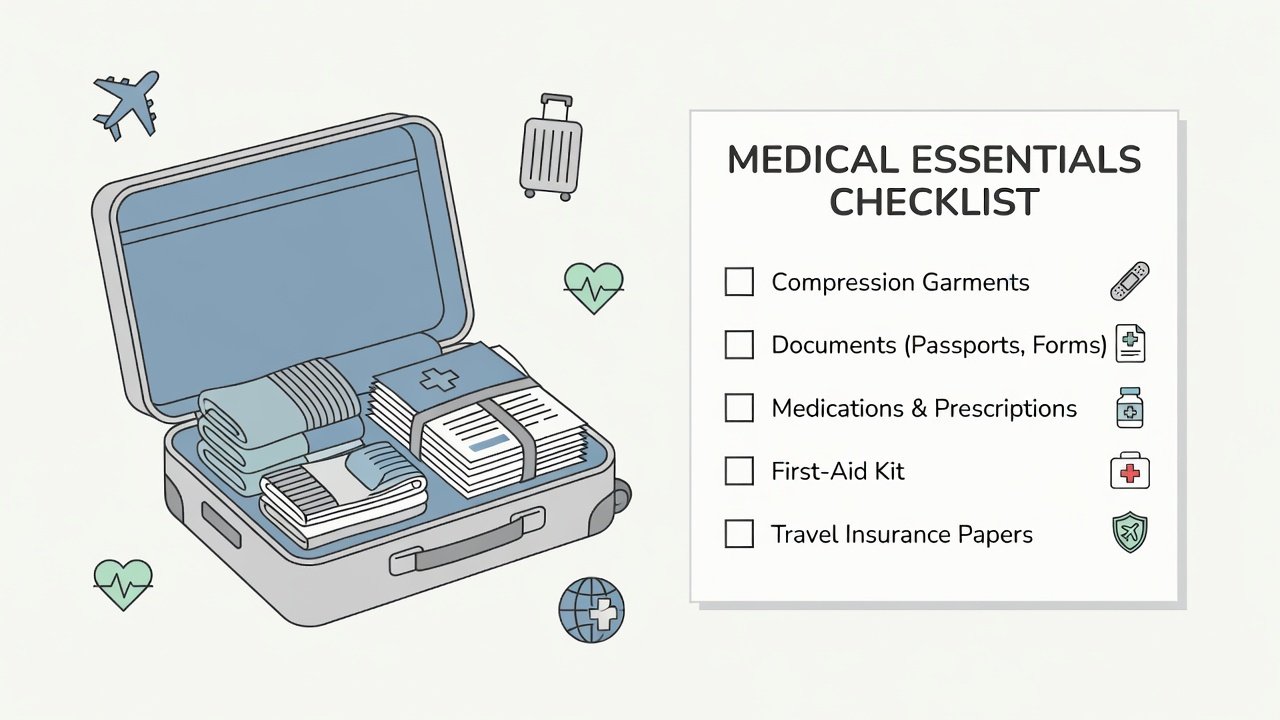
Prepare thoughtfully with these items and their purposes:
- Comfortable, loose clothing for easy movement post-surgery to avoid irritation on incisions.
- Prescription medications and a detailed medical summary from your home doctor to inform local providers.
- Compression garments if applicable to your procedure for proper healing during flights.
- Travel insurance documents and emergency contacts stored in both digital and printed formats.
- Light entertainment for recovery downtime such as books or tablets with pre-downloaded content.
- Basic wound care supplies recommended by your surgeon for in-transit maintenance.
- Snacks that align with any dietary restrictions during the initial recovery phase.
Proper packing supports a smoother healing journey during return travel and helps manage unexpected needs.
Real-World Case Examples of Successful Medical Journeys
One patient traveled to Turkey for dental implants, verifying clinic credentials beforehand and enjoying a coastal recovery that reduced stress while following a structured aftercare plan coordinated with a home dentist. Another underwent cosmetic surgery in Costa Rica, benefiting from comprehensive insurance and a detailed packing list that included all post-op supplies, resulting in minimal complications and a scenic recovery experience. A third individual chose Mexico for bariatric procedures, using destination guides to compare success rates and securing proper visas for an extended stay that allowed gradual return to normal activities. These examples highlight how preparation leads to positive outcomes and underscore the value of thorough research.
Comparison of Popular Procedures
| Procedure | Top Destination | Key Advantages | Considerations |
|---|---|---|---|
| Dental Work | Mexico | Quick appointments, advanced technology, proximity for follow-ups | Follow-up visits may require return travel planning |
| Cosmetic Surgery | Thailand | Experienced specialists, luxury recovery resorts, high success rates | Longer flights for some patients requiring extra rest |
| Hair Restoration | Turkey | Specialized clinics, comprehensive packages | Weather considerations during healing period |
Common Mistakes to Avoid
Many travelers overlook the importance of verifying insurance coverage for complications before booking. Another frequent error is choosing providers based solely on price rather than accreditation status. Failing to plan for extended recovery time or not arranging local follow-up care can lead to issues upon return. Always allocate buffer days in the itinerary and maintain open communication with both home and destination medical teams.
FAQ: Addressing Common Concerns
How is follow-up care handled after returning home?
Many clinics coordinate with local physicians for ongoing monitoring through shared medical records and scheduled virtual check-ins. Request a detailed aftercare plan before travel that includes timelines for appointments and warning signs to watch for.
What legal protections exist for medical tourists?
Protections depend on the destination's laws regarding medical liability. Review contracts thoroughly and consider legal advice from specialists familiar with cross-border healthcare to understand recourse options.
Are there risks associated with traveling soon after a procedure?
Yes, risks include swelling during flights and limited mobility. Destination guides often recommend waiting periods based on procedure type, and consulting both surgeons is essential.
How can patients ensure cultural and language barriers do not affect care?
Select facilities with dedicated international patient coordinators and translation services. Preparing translated medical histories in advance helps bridge gaps effectively.
Conclusion
Using 2026 medical tourism destination guides empowers safer, more successful experiences. By following verification checklists, comparing requirements, and preparing thoroughly, travelers can achieve excellent results while enjoying recovery abroad. Always prioritize accredited providers and comprehensive planning for the best outcomes, and revisit guides regularly as standards and offerings evolve.

No comments yet. Be the first!