 PlaceBee
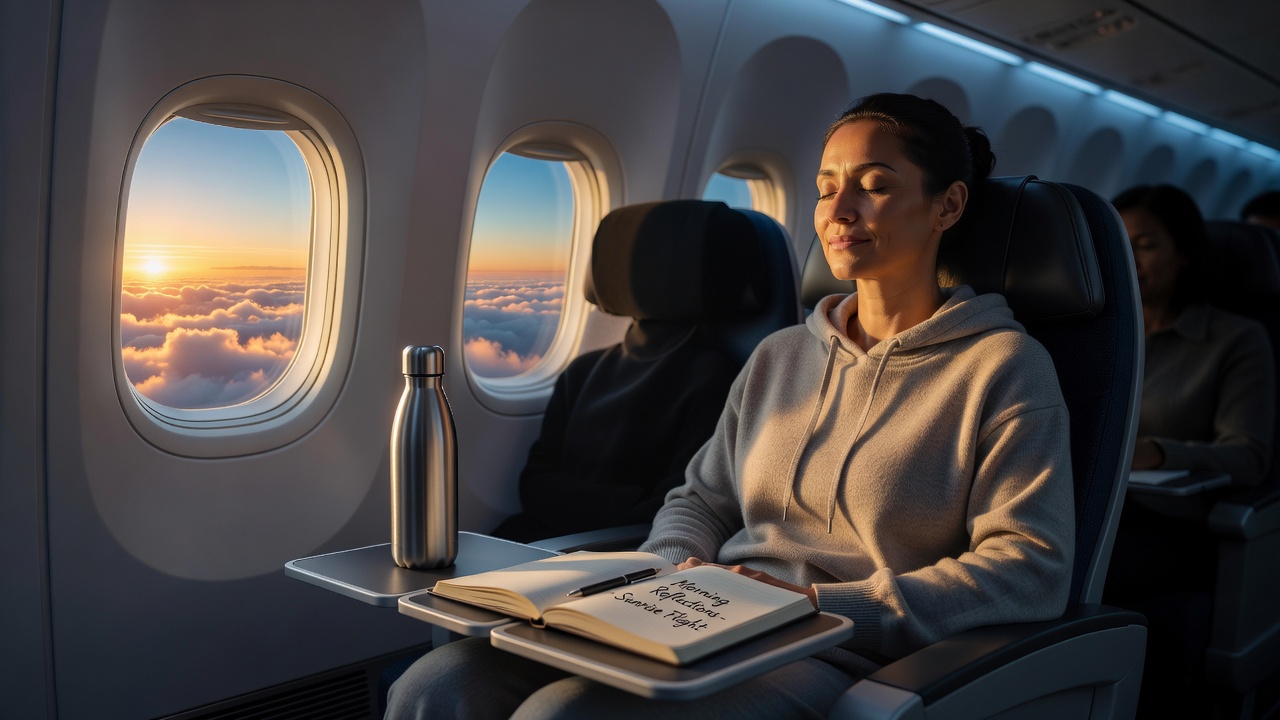
Introduction: Staying Healthy on Extended Travel Days
Long journeys in 2026 demand intentional wellness strategies that fit seamlessly into flights, train rides, or road trips. Frequent flyers and seasoned travelers know that maintaining physical and mental balance prevents fatigue, boosts immunity, and enhances enjoyment upon arrival. This guide delivers step-by-step protocols, practical comparisons, real-world examples, and checklists to build sustainable routines that work across time zones and transport modes. Whether crossing continents or enduring 12-hour drives, integrating movement breaks, smart nutrition swaps, and mindfulness practices keeps energy steady throughout the day. Drawing from insights shared by pilots, consultants, and digital nomads, these methods adapt to any mode of transport without requiring expensive equipment or complicated setups. Travelers who implement structured wellness routines often report arriving more refreshed and productive, turning potentially exhausting trips into opportunities for self-care and recovery.
Morning Protocol for Long Journeys
Start your travel day with a structured sequence that primes body and mind. Wake 90 minutes before departure to allow unhurried preparation and reduce stress hormones. Begin with 5 minutes of gentle stretching: neck rolls, shoulder shrugs, ankle circles, and cat-cow poses to increase circulation and loosen tight muscles from sleep. Follow with hydration—aim for 500ml of water infused with lemon or electrolytes to replenish overnight fluid loss. Next, practice 10 minutes of breathwork using box breathing: inhale for four counts, hold for four, exhale for four, hold for four. This technique, endorsed by the Mayo Clinic, reduces pre-travel anxiety effectively and improves focus. Finish the morning routine with a light, protein-rich breakfast such as Greek yogurt with berries and nuts or overnight oats prepared the night before. Avoid heavy meals that cause sluggishness mid-journey. Real-world examples from frequent flyers show that completing this full protocol leads to steadier energy levels during the first leg of travel, especially on early morning departures.
Evening Protocol to Wind Down
Evenings on the road require deliberate decompression to prepare for rest or the next day. After arriving or during overnight travel, dim lights and limit screen time 60 minutes before rest to support natural melatonin production. Use progressive muscle relaxation starting from the toes up to the scalp, tensing and releasing each muscle group for 5 seconds. Journal three gratitudes from the day to shift focus from logistics to positive experiences, which helps quiet racing thoughts. Pair this with herbal tea like chamomile if available. Consistent evening protocols help regulate circadian rhythms disrupted by travel, making it easier to adapt upon reaching your destination. Many long-haul travelers add a short 5-minute guided body scan to release accumulated tension from sitting.
Movement Breaks That Fit Any Transport
Pro travelers insert micro-movements every 90 minutes to combat stiffness and improve blood flow. On flights, stand for aisle stretches or perform seated marches and ankle pumps while buckled. Train passengers can walk the length of the car during stops or use platform time for light calisthenics. Road trippers benefit from scheduled park breaks featuring 10-minute walks around rest areas. Examples from frequent flyers include using layovers for quick yoga flows in airport corners or employing resistance bands discreetly at seats during long-haul segments. These breaks combat deep-vein thrombosis risks highlighted by health authorities and maintain alertness without caffeine overload. For road trips, alternating drivers every two hours combined with joint mobility drills keeps everyone sharper behind the wheel.
Nutrition Swaps for Sustained Energy
Replace typical travel snacks with nutrient-dense alternatives that stabilize blood sugar. Swap chips for roasted chickpeas or trail mix heavy on seeds and dried fruit. Carry portable options like apple slices with almond butter, hard-boiled eggs, or protein bars without added sugars. On longer trips, prioritize balanced meals at stops by focusing on vegetables, lean proteins, and complex carbs rather than fast food. Stay ahead of hunger by packing snacks rather than relying on limited onboard selections. A consultant who travels weekly between Chicago and Tokyo prepares bento-style boxes with quinoa, grilled chicken, and steamed vegetables the night before departure, reporting fewer energy crashes compared to previous trips relying on airport food.
Mindfulness Practices Adaptable Anywhere
Mindfulness anchors attention amid chaos and changing environments. Try the 5-4-3-2-1 grounding technique: name five things you see, four you can touch, three you hear, two you smell, and one you taste. This works equally well at 35,000 feet or in a car backseat during traffic. Body scans during delays help release tension in the shoulders and jaw. Many road warriors report using silent observation on trains or short seated meditations while waiting for connections. These practices build emotional resilience and reduce the mental drain of delays or crowded terminals.
Wellness Apps Versus Analog Methods
Digital tools like meditation apps offer convenience with timers, progress tracking, and varied guided sessions, yet analog approaches provide freedom from battery anxiety and notifications. Headspace and Calm deliver structured sessions ideal for beginners, while paper journals encourage deeper reflection without screens. Frequent flyers often blend both: use an app for timed breathwork on planes and a small notebook for evening reflections in hotels. Choose analog when Wi-Fi is unreliable or to reduce screen exposure before sleep. One pilot who flies transatlantic routes weekly prefers a physical checklist for routines because it feels more grounding than digital reminders during high-stress days.
Carry-On Wellness Checklist
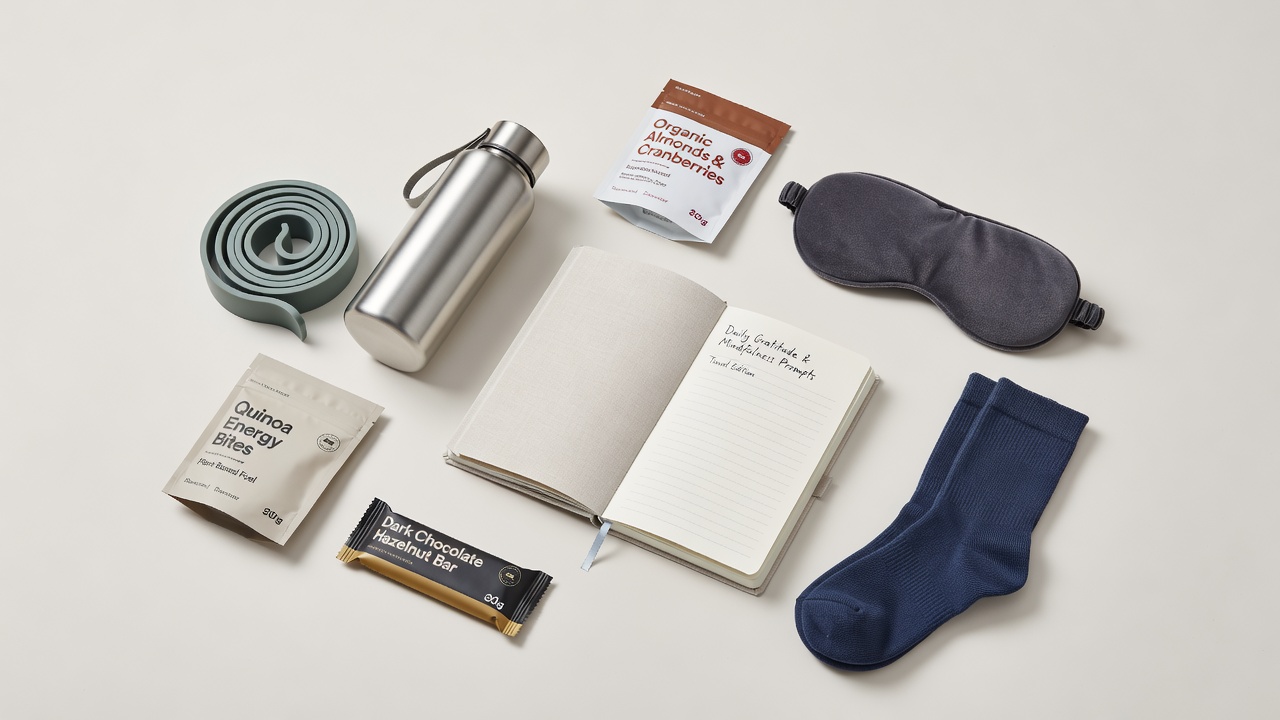
- Reusable water bottle with filter
- Compression socks and eye mask
- Portable resistance band and loop
- Healthy snacks and electrolyte packets
- Small journal and pen
- Neck pillow and noise-canceling headphones
- Hand sanitizer, lip balm with SPF, and moisturizer
- Travel-size herbal tea bags
- Lightweight resistance loop for seated exercises
Common Pitfalls and Practical Solutions
One frequent mistake is skipping hydration due to limited restroom access—counter this by sipping steadily rather than gulping large amounts at once. Another pitfall involves irregular sleep patterns; mitigate with consistent wind-down cues regardless of time zone. Overpacking gadgets leads to decision fatigue—streamline to three versatile items maximum. Travelers who skip pre-planning routines often experience higher post-journey exhaustion. Real-world examples show that those who test protocols on short trips first adapt faster on long-haul journeys. A digital nomad who once ignored evening routines now schedules them as non-negotiable calendar blocks, cutting recovery time by half. Another common error is neglecting leg movement on flights; the solution is setting phone reminders every 90 minutes even in economy seats.
FAQ: Jet Lag Alternatives and Energy Management
How can I manage jet lag without medication? Shift your sleep schedule gradually two days before travel and seek morning light exposure upon arrival. Stay active during daylight hours at your destination to help reset your internal clock naturally.
What are non-caffeine ways to maintain energy? Alternate sitting with standing, chew gum to stimulate alertness, and use cold water on wrists or the back of the neck for quick refreshment during slumps.
Are there specific routines for overnight trains? Yes—focus on layered clothing for temperature control, earplugs, a short evening stretch before attempting sleep, and avoiding heavy evening meals that disrupt rest.
How do I handle energy dips during long road trips? Schedule micro-stops every two hours for stretching and fresh air, rotate drivers, and keep protein-rich snacks accessible in the front seat rather than the trunk.
What mindfulness technique works best in crowded airports? The 5-4-3-2-1 method combined with noise-canceling headphones creates an instant calm zone even in busy terminals, allowing quick mental resets between connections.
Conclusion
Integrating these wellness routines transforms long journeys from draining ordeals into manageable, even restorative experiences. Start small by testing one morning or evening protocol on your next trip, then expand as habits form. Consistent application builds resilience that supports both immediate travel goals and long-term health. For broader travel health guidance, consult resources from the World Health Organization and stay updated on evolving best practices for modern travelers.

No comments yet. Be the first!