 PlaceBee
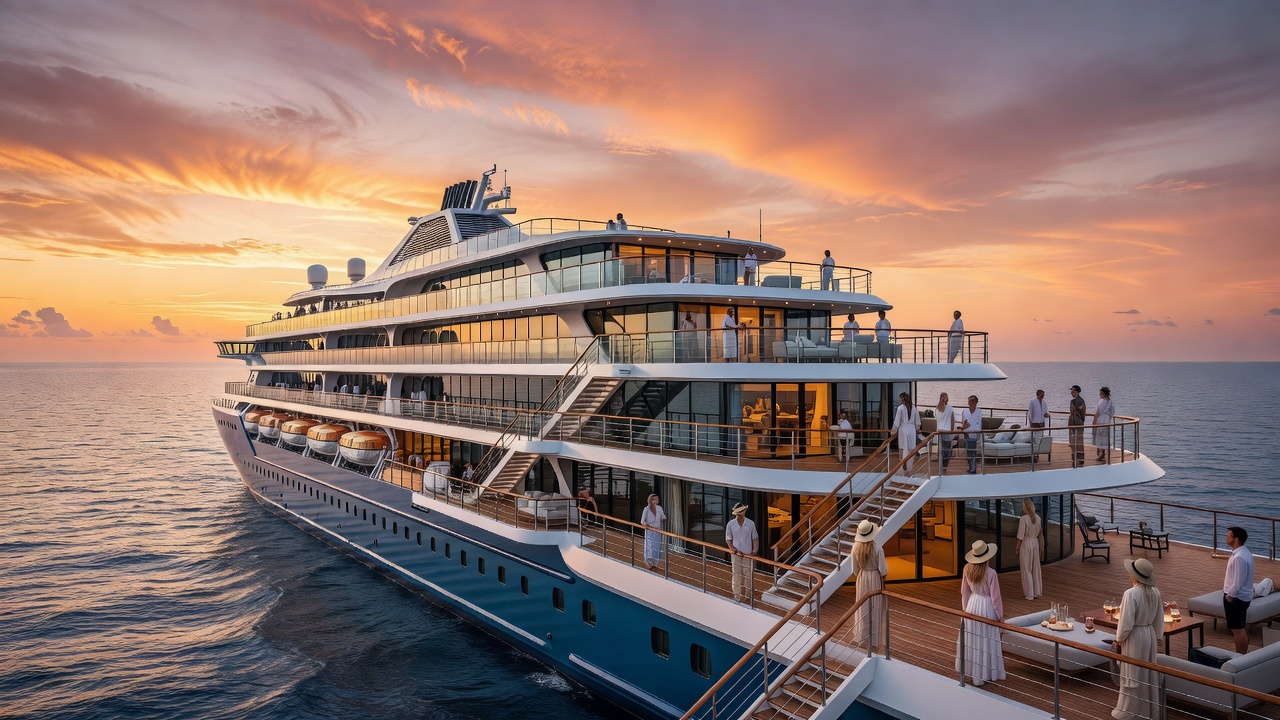
2026 Cruise Trip Itineraries: Day-by-Day Ship Vacation Plans
Planning a cruise in 2026 offers travelers a structured way to explore multiple destinations without the hassle of constant packing and unpacking. This comprehensive beginner guide explains how to build effective trip itineraries centered on sea days and port stops. By focusing on day-by-day schedules, you can create balanced vacations that mix relaxation with meaningful excursions while avoiding common pitfalls that lead to rushed or exhausting trips.
Understanding Cruise Itineraries in 2026
A typical cruise itinerary revolves around alternating sea days, where the ship sails between destinations, and port days featuring excursions or independent exploration. Sea days allow for onboard relaxation, spa visits, or attending enrichment lectures, while port stops provide opportunities for cultural immersion, dining ashore, or adventure activities. Successful planning starts with selecting a route that matches your interests, travel style, and time constraints. In 2026, many lines emphasize flexible options such as shorter turnarounds and themed sailings that cater to families, couples, or solo travelers. Understanding the rhythm of sea versus port days helps you pace yourself and make the most of limited vacation time.
Selecting the Right Route for Your Needs
Choosing a route begins with identifying your priorities. Do you want tropical beaches, historic cities, or scenic riverside villages? Consider the length of the cruise, departure port convenience, and seasonal weather patterns. For first-time cruisers, shorter 7-day trips reduce commitment while still delivering variety. Longer 10-day options allow deeper exploration of a region. Always review the ship’s daily program in advance and factor in travel time to the embarkation city. Researching port call durations and tendering procedures prevents surprises on the water.
Ocean Cruises vs River Cruises: Detailed Comparisons
Ocean cruises generally operate on larger vessels with extensive amenities, visiting coastal or island ports across seas and oceans. They suit travelers seeking variety in destinations and onboard entertainment such as theaters, pools, and multiple dining venues. River cruises, by contrast, use smaller ships navigating inland waterways, offering intimate access to cities and scenic landscapes with more focused itineraries. Ocean options often include more sea days, while river cruises emphasize daily port visits with minimal sailing time between stops. Both provide unique experiences, but river cruises appeal to those preferring slower-paced journeys through multiple countries. Ocean cruises typically feature more diverse passenger demographics and evening shows, whereas river cruises foster closer connections with fellow travelers due to smaller group sizes.
- Ocean cruises: Larger ships, more sea days, extensive entertainment, suitable for families and groups
- River cruises: Smaller vessels, daily ports, intimate experiences, ideal for culture and history enthusiasts
- Shared benefits: All-inclusive dining options and professional staff on both types
Three Real 7-10 Day Cruise Examples for 2026
Example 1: 7-Day Caribbean Ocean Cruise
This itinerary departs from Miami and visits popular islands with a good balance of sea and port time. It works well for first-time cruisers who want tropical relaxation alongside light adventure.
- Day 1: Embarkation in Miami and sea day orientation with safety drills and welcome shows
- Day 2: Full sea day featuring pool time, fitness classes, and evening comedy performances
- Day 3: Port stop in Nassau, Bahamas – beach excursion and local market visit
- Day 4: Sea day for relaxation with optional spa treatments and trivia contests
- Day 5: Port stop in Cozumel, Mexico – snorkeling or Mayan ruins tour
- Day 6: Sea day with evening entertainment and packing preparation
- Day 7: Disembarkation in Miami with early morning breakfast and transfer assistance
Example 2: 10-Day Mediterranean Ocean Cruise
Departing from Barcelona, this route combines historic ports with scenic sailing across the Mediterranean Sea. It provides a deeper cultural experience for history buffs.
- Day 1: Embarkation and welcome activities including deck parties
- Day 2: Sea day crossing to Italy with lectures on ancient history
- Day 3: Port in Rome (Civitavecchia) – guided tour of the Colosseum and Vatican
- Day 4: Sea day for rest and onboard dining experiences
- Day 5: Port in Naples – Pompeii visit and pizza tasting
- Day 6: Sea day with photography workshops
- Day 7: Port in Athens – Acropolis exploration and Greek cuisine
- Day 8: Sea day for reflection and souvenir shopping onboard
- Day 9: Port in Santorini – island views and wine tasting
- Day 10: Disembarkation in Barcelona with optional post-cruise extension
Example 3: 8-Day Rhine River Cruise
This European river journey from Amsterdam to Basel highlights castles and villages along the scenic Rhine. It offers consistent daily exploration with minimal motion.
- Day 1: Embarkation in Amsterdam and canal tour introduction
- Day 2: Port in Cologne – cathedral visit and local beer tasting
- Day 3: Port in Koblenz – wine tasting along the riverbank
- Day 4: Port in Rüdesheim – scenic walk through vineyards
- Day 5: Port in Strasbourg – old town tour and Alsatian food
- Day 6: Port in Basel – optional extension to nearby cities
- Day 7: Scenic sailing day with onboard presentations
- Day 8: Disembarkation with transfer options to airports
Balancing Relaxation and Excursions Effectively
Effective itineraries allocate sea days for rest and port days for activities. Prioritize two to three excursions per trip while leaving time for spontaneous exploration. This approach prevents fatigue and maximizes enjoyment. Consider booking a mix of guided tours and free time to customize your experience. Many cruisers find that alternating active and restful days leads to higher satisfaction upon return home.
Essential Packing List for Cruise Travelers
Thoughtful packing ensures comfort throughout the voyage. Focus on versatile items that transition easily between formal dinners and casual port days.
- Comfortable walking shoes for ports to handle cobblestone streets and long walks
- Light layers for varying climates including jackets for air-conditioned venues
- Swimwear and formal attire for dinners plus a reusable tote for beach days
- Medications and motion sickness remedies stored in carry-on luggage
- Reusable water bottle and power bank to stay hydrated and connected
- Travel documents and copies kept in a waterproof pouch
Always check your specific ship’s dress code and weather forecasts before departure for optimal preparation.
Budgeting Tips for 2026 Cruises
Focus on total costs including onboard expenses, excursions, and gratuities. Book early for better cabin selection and consider shoulder seasons to manage spending. Track daily budgets to avoid surprises at sea. Review what is included in your fare such as drinks packages or Wi-Fi to prevent unexpected charges. Setting aside a small contingency fund covers minor extras like specialty coffees or photos.
For health guidance during travel, consult official CDC travel resources. Passport and entry requirements are detailed on U.S. Department of State travel pages. Additional destination insights can be found through World Health Organization travel health information.
Common Mistakes to Avoid When Planning
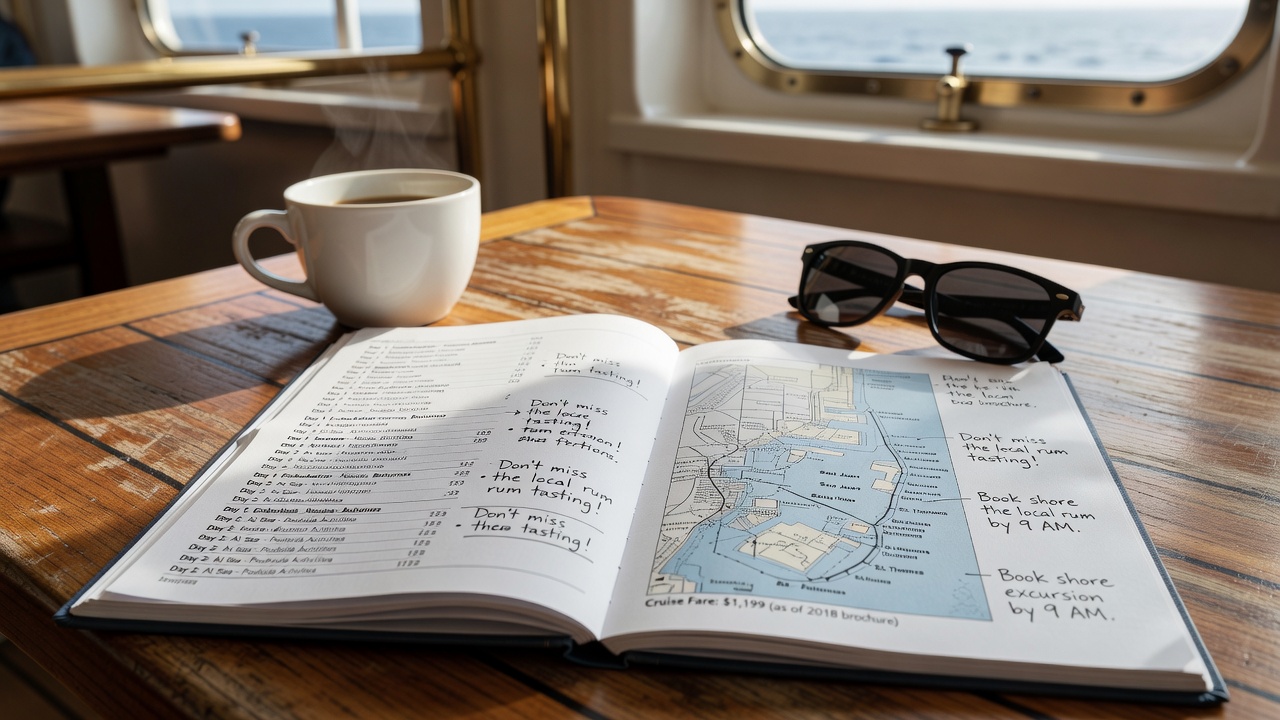
Many travelers overlook the importance of flexible booking policies or fail to read port maps in advance. Another frequent error is over-scheduling excursions without allowing recovery time between ports. Always verify visa requirements early and consider travel insurance that covers medical evacuation at sea. Reviewing cancellation policies protects your investment if plans change unexpectedly.
Frequently Asked Questions
How can I prevent seasickness on a cruise?
Choose cabins mid-ship on lower decks, use over-the-counter remedies, stay hydrated, and focus on the horizon during rough seas. Many modern ships feature stabilizers that reduce motion significantly. Natural options like ginger candies or acupressure bands also help some passengers. If symptoms persist, consult the ship’s medical center promptly for additional support.
When is the best time to book a 2026 cruise?
Booking 6 to 12 months in advance secures optimal pricing and availability. Last-minute deals exist but limit choices, especially for popular routes. Monitoring promotions during wave season in January and February can yield additional perks such as onboard credit or free upgrades.
Conclusion
With careful planning using day-by-day schedules, 2026 cruises deliver memorable vacations. Whether opting for ocean or river experiences, these strategies ensure balanced, enjoyable trips tailored to your preferences. Start early, research thoroughly, and enjoy the journey ahead.

No comments yet. Be the first!