 PlaceBee
Introduction to Budget Travel Planning in 2026
Creating memorable vacations on a tight budget requires smart planning and flexible itineraries. This guide provides step-by-step methods for building 7- to 14-day trip itineraries focused on low-cost regions, efficient transportation, and affordable lodging. Travelers can maximize experiences while minimizing expenses through strategic destination selection and daily breakdowns. Whether you are a solo adventurer, a couple seeking romance on a budget, or a family looking for value, these plans emphasize practical execution over luxury spending. By following proven frameworks, you can create personalized schedules that adapt to changing circumstances like weather or unexpected opportunities.
Selecting Affordable Destinations for 2026
Focus on regions with lower living costs and abundant free attractions. Southeast Asia, Eastern Europe, and parts of Central America offer excellent value. Research seasonal deals and off-peak travel periods to further reduce expenses. Consider factors such as visa requirements, local safety ratings, and connectivity via budget carriers. For instance, Eastern European capitals like Prague and Budapest combine rich history with walkable city centers. In Southeast Asia, cities such as Hanoi or Chiang Mai provide street food scenes and temple visits at minimal cost. Use resources like Lonely Planet for destination inspiration and current traveler insights. Cross-reference with government travel advisories to ensure safety before finalizing choices.
Transportation Hacks for Cost Savings
Opt for budget airlines, trains, and buses instead of private transfers. Book in advance for deals and consider regional passes for multi-city travel. Walking tours and public transit within cities keep daily costs low while providing authentic experiences. Tools like route planners help compare options across modes. For overland journeys, overnight buses can double as lodging on some routes. Always factor in baggage allowances and transfer times between airports and city centers. A practical example involves chaining low-cost flights from a hub city to secondary destinations, then using local trains for final legs. This approach reduces overall transport spend significantly compared to direct premium services. Check platforms such as Rome2Rio for integrated multi-modal suggestions that highlight the cheapest combinations.
Lodging Alternatives on a Budget
Hostels, guesthouses, and house-sitting arrangements provide comfortable stays at lower prices than hotels. Platforms specializing in budget accommodations help secure reliable options with good reviews. Prioritize locations near public transport hubs for convenience. Consider private rooms in hostels for couples or families needing more space. House-sitting through reputable networks can eliminate lodging costs entirely in exchange for caring for pets or plants during your stay. Always verify reviews for cleanliness and location accuracy. In popular budget hubs, book early to secure spots during peak shoulder seasons. This strategy allows longer trips without exceeding planned expenses.
Sample 7-Day Budget Itinerary: Eastern Europe Route
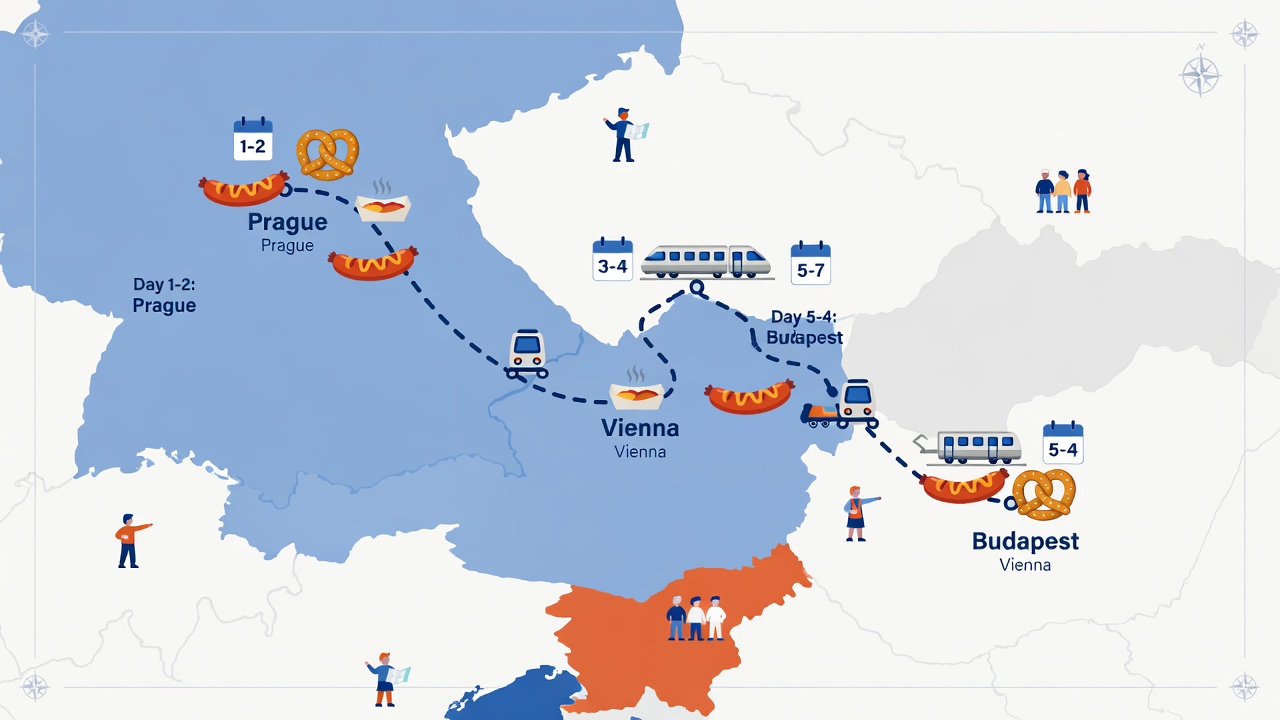
Day 1-2: Arrival in Prague – Explore historic sites on foot and enjoy street food. Focus on the Charles Bridge at dawn to avoid crowds and visit free viewpoints around the castle district. Day 3-4: Train to Budapest for thermal baths and markets. Use the efficient rail connection and spend time at the Great Market Hall sampling local produce. Day 5-7: Bus to Vienna for free park visits and cultural walks. Stroll through the Prater and attend free evening concerts in public squares if scheduled. This route balances cities with affordable transport links and builds in buffer time for rest or spontaneous discoveries. Adjust pacing based on energy levels and interest in museums versus outdoor exploration.
Extending to 14-Day Plans
Add stops in neighboring countries like Slovakia or Poland. Incorporate rest days and adjust based on interests such as hiking or local festivals. A sample extension might include two days in Bratislava for its riverside walks followed by three days in Krakow exploring medieval squares. Templates allow customization for family or solo travelers by swapping activity types or adding wellness elements like free yoga sessions in parks. Build flexibility by reserving the final two days as open for weather-dependent adjustments or extended stays in favorite locations.
Money-Saving Meal Strategies
- Shop at local markets for fresh ingredients and picnic lunches to control portions and variety.
- Choose street vendors and casual eateries over tourist restaurants, focusing on daily specials.
- Prepare simple meals in hostel kitchens when available, stocking staples like bread, cheese, and fruit.
- Look for lunch specials and happy hour deals for variety while avoiding peak dinner pricing.
- Carry a reusable water bottle and refill at public fountains to eliminate bottled drink purchases.
These tactics can stretch a daily food allowance while maintaining nutritional balance and cultural immersion through local flavors.
Free Activity Recommendations
Many destinations offer free walking tours, public parks, beaches, and museum days. Apps and local tourism sites list current free events. These activities enrich trips without adding costs. Examples include self-guided audio tours via free apps in historic districts or attending open-air markets for people-watching. In coastal areas, beachcombing and sunset viewing provide natural entertainment. Combine several free options into themed days, such as a park picnic followed by a neighborhood photography walk.
Budget vs Premium Options Comparison
Budget choices emphasize public transport and shared lodging for authentic immersion. Premium options provide convenience but at higher expense. Real-world examples show budget plans allow more days of travel for the same overall spend. A budget traveler might visit three cities in a week using trains and hostels, while a premium itinerary covers two cities with private drivers and resorts. The key difference lies in pace and flexibility rather than quality of memories. Budget approaches often lead to deeper local interactions through markets and community spaces.
2026 Budgeting Tools and Customizable Templates
Digital spreadsheets and apps help track expenses in real time. Downloadable templates include sections for daily costs, transport bookings, and activity lists. Update plans as new deals emerge throughout the year. Start by listing fixed costs like visas, then allocate flexible categories for food and activities. Review weekly to reallocate unused funds. Integrate currency converters and weather apps for on-the-go adjustments. These tools turn abstract plans into actionable roadmaps that evolve with real-time information.
Mistakes to Avoid When Planning Budget Itineraries
Common pitfalls include over-scheduling without rest days, ignoring baggage fees, and failing to verify seasonal closures. Always confirm opening hours for attractions and build contingency time for delays. Another frequent error is neglecting travel insurance, which can protect against medical or cancellation issues. Test your itinerary with a trial packing session to ensure luggage fits transport limits.
FAQ on Hidden Fees and Seasonal Deals
What are common hidden fees? Watch for baggage charges, resort fees, and currency conversion costs. Always read terms before booking and use fee-free payment methods where possible.
How to find seasonal deals? Monitor airline newsletters and travel sites for flash sales, especially in shoulder seasons. Set price alerts for specific routes to catch drops early.
Are 2026 itineraries affected by inflation? Flexible planning and early bookings help mitigate rising costs in popular areas. Focus on lesser-known secondary cities to stretch budgets further.
Can these plans work for families? Yes, by prioritizing free parks and shared hostel rooms while adding kid-friendly activities like playground visits.
Conclusion
With careful planning using these budget trip itineraries, 2026 vacations can deliver rich experiences affordably. Start with destination research, apply the hacks outlined, and customize templates to suit personal preferences for unforgettable trips. Consistent tracking and adaptability ensure success across varying group sizes and durations.


No comments yet. Be the first!