 PlaceBee
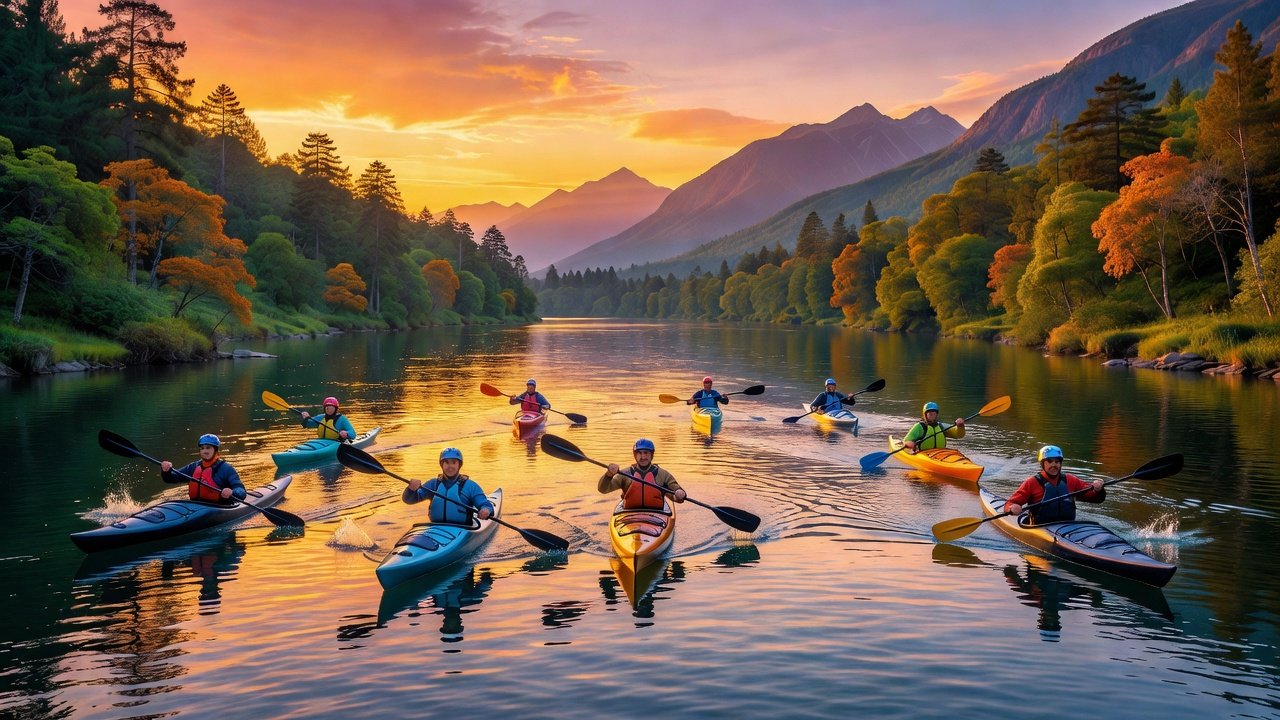
Introduction to River Kayaking Weekends
River kayaking delivers an unmatched combination of physical fitness, scenic exploration, and mental rejuvenation, making it a top choice for active weekend getaways in 2026. With increasing interest in short, immersive escapes from busy city life, 48- to 72-hour river trips allow participants to disconnect while staying close to major transportation hubs. These adventures suit a wide range of skill levels, from complete beginners learning basic strokes to intermediates ready for light rapids. This comprehensive guide highlights practical routes across North America and Europe, complete with launch details, sample paddling schedules, gear recommendations, safety protocols, recovery strategies, and budget considerations that keep total costs under $600 per person as of 2026-11-15. Whether you prefer the steady rhythm of flatwater or the thrill of controlled whitewater, these itineraries emphasize preparation, timing, and value to create memorable experiences without overwhelming logistics or expense.
Top North American and European River Routes
Starting from East Coast hubs like New York City, the Hudson River offers accessible flatwater segments perfect for novices. Popular launch points include Peekskill Beach or Constitution Marsh, reachable by train in under two hours. A typical 48-hour itinerary begins Friday evening with gear pickup and a two-hour orientation paddle to build comfort. Saturday features a six-hour downstream journey with stops for lunch on riverbanks, while Sunday morning includes a shorter return leg before heading home. For intermediates, sections near Poughkeepsie introduce mild currents.
From Chicago, the Fox River in Illinois provides calm waters with easy public access points in Geneva or Batavia. Beginners can complete a 72-hour loop by camping overnight, paddling 10-15 miles daily at a relaxed pace. The route passes through scenic parks ideal for wildlife spotting. In the West, Denver residents reach the South Platte River for flatwater training or the Arkansas River near Buena Vista for intermediate whitewater options. Launch sites like Salida offer rentals and shuttles, with sample schedules allocating mornings to paddling and afternoons to skill-building drills.
European options expand horizons for longer weekends. The Loire River in France features wide, gentle flatwater stretches near Tours, accessible from Paris by train. Launch at Montsoreau for a three-day progression covering castles and vineyards. The Danube River in Austria near Vienna provides beginner flatwater transitioning to Class I whitewater, with public ramps at Krems. These routes benefit from well-maintained infrastructure and multilingual outfitters.
Additional North American gems include the Russian River in California from San Francisco, emphasizing wine-country views on flat sections, and the Chattahoochee River in Georgia near Atlanta for urban-accessible paddling with recovery-friendly calm waters. All locations feature seasonal flow monitoring through official resources.
Flatwater Versus Whitewater: Detailed Comparisons
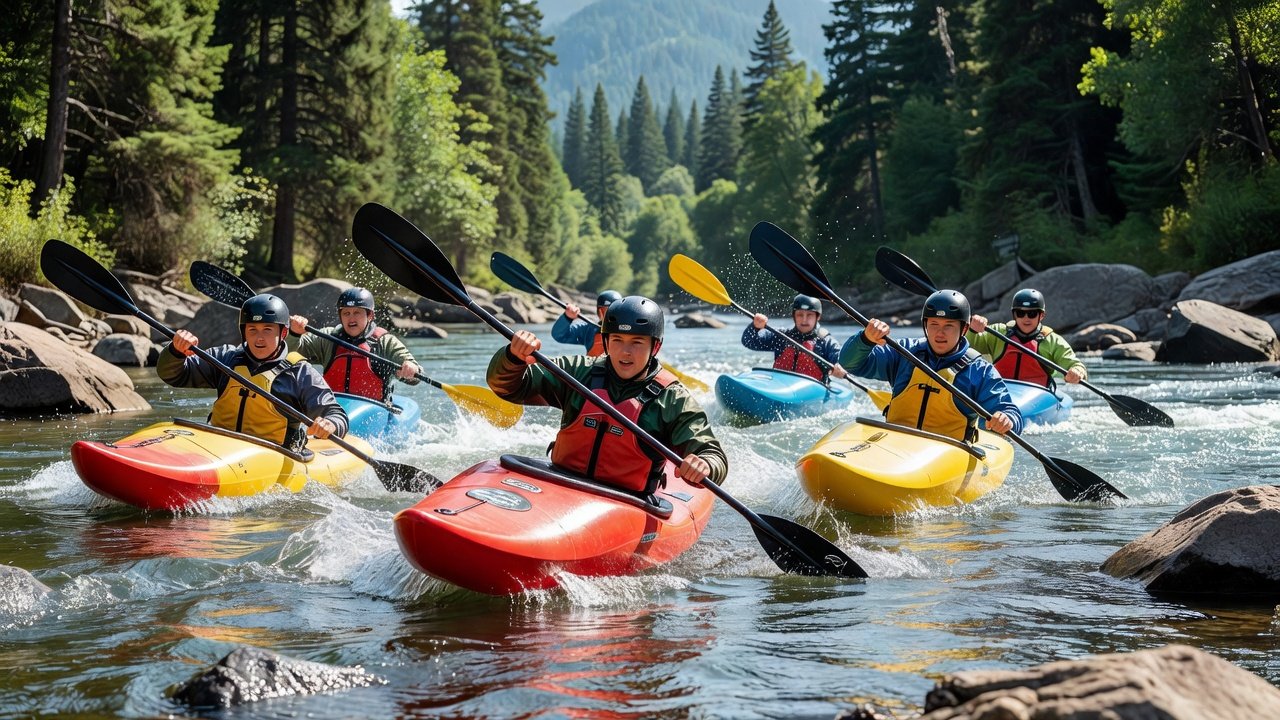
Flatwater kayaking prioritizes endurance, posture, and scenic immersion with predictable conditions that reduce intimidation for beginners. Paddlers cover greater distances at steady speeds, focusing on technique refinement and nature observation. Recovery is straightforward, involving simple stretches after longer sessions. In contrast, whitewater introduces dynamic elements like eddies and small waves, demanding quicker decision-making and stronger core engagement. This builds confidence and upper-body power but requires helmets and more frequent breaks. For weekend trips, flatwater suits pure relaxation and fitness maintenance, while whitewater adds excitement for those with prior experience. Both options deliver full-body workouts, yet flatwater minimizes risk for groups with mixed abilities, whereas whitewater rewards preparation with adrenaline and skill progression.
Comprehensive Gear Checklist
Essential items ensure comfort and safety across all routes. Begin with a properly fitted personal flotation device (PFD) rated for your weight, a lightweight paddle matched to your height, and a stable recreational kayak. Pack a dry bag for electronics and extra layers, a bilge pump for water removal, and a whistle for signaling. For whitewater, add a helmet and throw rope. Clothing layers include moisture-wicking tops, quick-dry pants, sun hat, and neoprene booties. Navigation tools comprise a waterproof map, compass, or smartphone app with offline capabilities. Recovery aids feature a compact first-aid kit with blister treatments, electrolyte packets, and a foam roller alternative like a lacrosse ball. Always include sunscreen, insect repellent, and a reusable water bottle with filter if sources are questionable. Test all gear before departure to avoid mid-trip issues.
Safety Tips and Recovery Advice
Safety protocols start with pre-trip research on river conditions using government gauges. Never paddle alone, and always share a detailed itinerary with contacts. Wear PFDs at all times and practice self-rescue techniques in calm water beforehand. Monitor for changing weather, avoiding lightning or high winds. On whitewater, scout rapids from shore and maintain spacing between boats. Recovery strategies emphasize immediate post-paddle hydration and protein-rich snacks, followed by gentle yoga or walking to ease muscle tension. Incorporate rest days between intense sessions and listen to your body for signs of fatigue. Group briefings on hazards like strainers or undercut rocks further reduce risks, while carrying a waterproof VHF radio or satellite messenger adds security in remote areas.
Budget Planning and Cost-Saving Strategies
Keeping a full weekend under $600 per person as of 2026-11-15 is achievable through deliberate choices. Allocate portions to transportation via carpooling or public transit, affordable rentals from local shops, and simple meals prepared in advance. Overnight stays favor tent camping over hotels, or budget glamping pods near launch sites. Group equipment sharing lowers per-person rental fees, while off-season timing reduces demand-driven prices. Track expenses with a simple spreadsheet covering fuel, food, and incidentals. Avoid last-minute bookings and consider membership discounts from outdoor organizations. These approaches maintain quality while preserving affordability for repeated adventures.
Seasonal Timing Recommendations
Optimal paddling windows vary by region but generally favor spring and fall for balanced water levels and milder temperatures. In the Northeast, April through June offers reliable flows before summer lows; September brings crisp air and fewer crowds. Midwest routes shine from May to October, avoiding winter ice. Western rivers peak in early summer snowmelt but remain viable into fall. European waterways like the Loire excel in May-June and September-October for pleasant conditions. Always cross-reference local forecasts and water data for safe timing.
Combining Kayaking with Camping or Glamping
Enhance any itinerary by pairing river time with overnight stays. Riverside campgrounds provide direct access for dawn paddles and stargazing, while glamping options add comfort with furnished tents or yurts near popular put-ins. Research sites through official recreation portals and reserve early for peak weekends. This integration turns a simple trip into a restorative escape, allowing full recovery between paddling days.
Frequently Asked Questions
Are permits required? Many public rivers need none for personal use, but protected zones require advance approval. Consult National Park Service resources and local authorities for specifics.
How to handle weather changes? Check updates from National Weather Service and have flexible plans, including shuttle alternatives or shortened routes. Carry rain gear and know evacuation points.
What about combining with nearby stays? Numerous campgrounds and glamping facilities sit adjacent to launch areas, bookable via recreation sites. This extends the experience affordably while supporting post-paddle relaxation.
Common mistakes to avoid? Underestimating currents, skipping PFD use, or neglecting hydration. Always scout unfamiliar sections and travel with experienced companions when possible.
Conclusion
These kayak escape routes provide structured yet flexible opportunities for active weekends that blend fitness, adventure, and nature connection. By following detailed planning for routes, gear, safety, and budgets, participants can enjoy rewarding experiences repeatedly. Begin with flatwater confidence-builders before advancing, and prioritize seasonal awareness for optimal conditions. With thoughtful preparation, these getaways deliver lasting benefits far beyond the weekend itself.
No comments yet. Be the first!