 PlaceBee
Introduction: Why Remote Work Weekend Getaways Matter in 2026
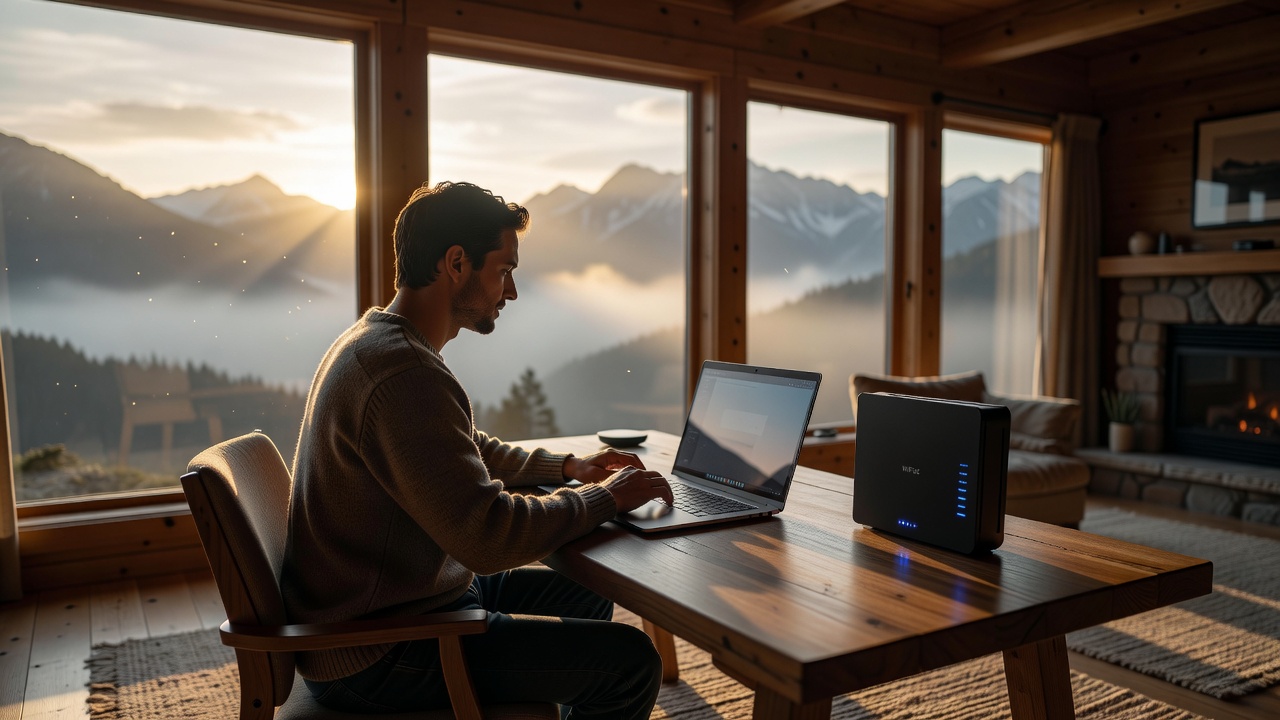
Remote workers increasingly seek short escapes that combine focused productivity with genuine relaxation. In 2026, weekend getaways offer an ideal format for recharging without derailing work routines. These trips emphasize destinations with strong connectivity, flexible coworking options, and easy logistics so professionals can maintain momentum while exploring new surroundings. The appeal lies in escaping daily monotony while preserving output, especially as hybrid work models continue evolving.
Successful escapes require intentional planning around internet reliability, structured schedules, and clear boundaries. This guide covers destination selection, tech essentials, proven strategies, and real examples to help you craft rewarding quick trips that feel both restorative and efficient. By focusing on these elements, remote professionals can turn brief getaways into sustainable habits that boost long-term performance and satisfaction.
Selecting Destinations with Reliable High-Speed WiFi and Coworking
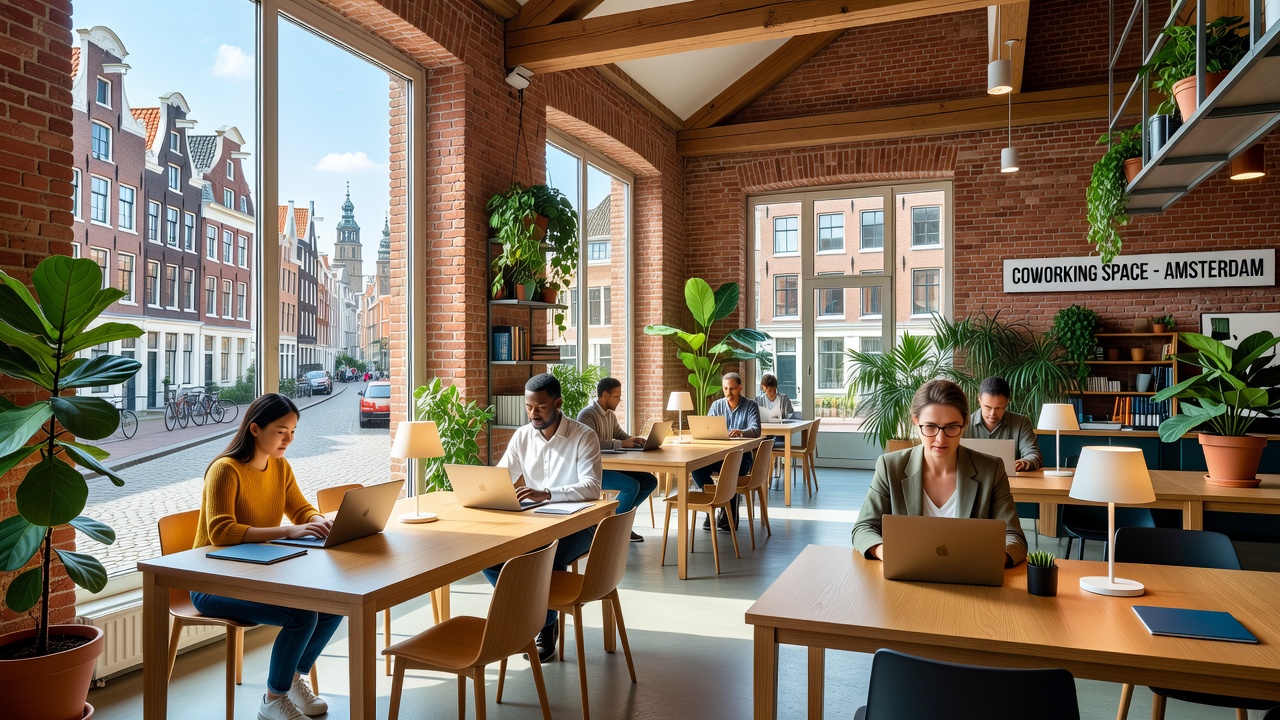
Focus on locations known for consistent connectivity and dedicated workspaces. Prioritize cities or towns with widespread fiber internet and multiple coworking hubs. Research coverage maps beforehand and verify speeds through user reports on platforms like Ookla Speedtest. Look for areas where average download speeds exceed 100 Mbps to handle video calls, file uploads, and cloud collaboration without interruptions.
Ideal spots often feature hybrid environments: mountain retreats near urban centers or coastal towns with modern infrastructure. Consider factors such as proximity to airports or train stations for minimal travel time, as well as local regulations supporting digital nomads. Many destinations now offer dedicated remote-work visas or incentives, making them even more attractive for weekend extensions. Always cross-reference recent traveler reviews to confirm current infrastructure quality before booking.
Essential Tech Packing List for Seamless Productivity
Pack light but strategically to avoid connectivity issues or forgotten tools. A comprehensive checklist ensures you stay operational regardless of venue limitations. Include these items and their purposes:
- Portable WiFi hotspot with international data plans for backup when hotel networks falter
- Noise-cancelling headphones for calls in shared spaces or noisy environments
- Compact laptop stand and ergonomic keyboard to maintain posture during extended sessions
- Universal power adapters and surge protectors suitable for various outlet types
- External hard drive or cloud-synced SSD for secure backups of critical files
- Tablet for reading documents and handling light tasks during downtime
- Multi-port USB-C hub to connect peripherals efficiently
- Portable monitor for dual-screen setups if your workflow demands it
- Small router with VPN support for secure connections on public networks
- Extra charging cables and a power bank rated at least 20,000 mAh
Test all devices thoroughly before departure. This preparation minimizes surprises and keeps your focus on work rather than troubleshooting.
Time-Blocking Strategies for Focused Work Sessions
Divide your weekend into clear blocks to protect output. Dedicate mornings to high-priority tasks when energy peaks, then shift to lighter activities after lunch. Use calendar tools to reserve two to three hours for deep work each day, with built-in buffers for travel delays or signal issues. A sample Saturday schedule might look like this: 7-9 a.m. for exercise and breakfast, 9 a.m.-12 p.m. for core project work, 12-1 p.m. for lunch and a short walk, 1-4 p.m. for meetings or collaborative tasks, and evenings free for local exploration.
Apply techniques such as the Pomodoro method during travel days to maintain momentum without burnout. Review your calendar the night before arrival to adjust for time zone differences or venue constraints. This disciplined approach helps replicate office-level focus even in unfamiliar settings.
Balancing Focused Work with Local Exploration
Integrate short outings that refresh the mind without consuming entire afternoons. Schedule walks or cultural visits during low-energy periods to prevent mental fatigue. This balance prevents cabin fever while preserving work quality and often sparks new ideas through environmental change.
Choose destinations with attractions close to your lodging or coworking venue. Even one-hour breaks for local markets, scenic trails, or historic sites can significantly boost creativity upon returning to tasks. Track your energy levels daily and adjust plans accordingly to avoid overcommitting.
Real-World Examples from Popular Spots
Consider Asheville, North Carolina, where fiber internet covers most areas and several coworking spaces welcome day visitors. Remote workers often base themselves in downtown lofts and explore nearby trails on breaks, combining morning focus sessions with afternoon hikes. Another strong option is Lisbon’s outskirts, offering reliable connectivity alongside historic neighborhoods perfect for evening strolls. Professionals frequently report high satisfaction combining video meetings with café work sessions.
Additional examples include Boulder, Colorado, known for its extensive trail networks and tech-friendly infrastructure, and the outskirts of Reykjavik, Iceland, where geothermal-powered coworking spaces pair well with short northern lights excursions. Each location demonstrates how targeted research leads to productive yet enjoyable escapes.
Cost Comparisons for Different Quick Escapes
Compare options qualitatively by weighing lodging proximity to coworking against activity fees. Urban-adjacent cabins typically cost more upfront but save on transport and time. Beach towns may offer lower daily rates yet require extra planning for connectivity backups. Evaluate total value by factoring in time saved through direct flights or short drives, prioritizing spots that minimize hidden expenses like premium WiFi add-ons or equipment rentals.
Consider seasonal variations and book mid-week for better rates when possible. Focus on overall return on investment rather than headline prices alone.
Mistakes to Avoid When Planning Remote Weekend Getaways
Common pitfalls include underestimating internet needs, overpacking schedules, and neglecting backup plans. Avoid choosing destinations based solely on aesthetics without verifying connectivity reports. Another frequent error is failing to communicate availability to colleagues, leading to unnecessary stress. Always test your setup upon arrival and maintain flexible daily goals to accommodate surprises.
FAQs: Maintaining Work-Life Boundaries During Travel
How do I set boundaries with teammates? Communicate your availability schedule in advance and stick to it. Use status updates in collaboration tools to signal focus periods clearly.
What if urgent requests arise? Establish a single point of contact and define response windows before leaving. This reduces interruptions while keeping you reachable for true emergencies.
How can I transition smoothly back to routine? Reserve Sunday evening for light planning and unpacking. Gradually ease into full workload rather than jumping straight into meetings on Monday morning.
Should I disclose travel plans to my employer? Check company policy first, but transparency often builds trust when paired with demonstrated productivity.
What about time zone challenges? Align your work blocks with your home office hours where possible and use scheduling tools to manage overlaps effectively.
Conclusion: Making Every Quick Escape Count
Remote work weekend getaways in 2026 succeed when connectivity, structure, and exploration receive equal attention. Apply these principles to create repeatable escapes that enhance both performance and well-being. With thoughtful preparation, short trips become powerful tools for sustained remote success and personal renewal.


No comments yet. Be the first!