 PlaceBee
Why Stargazing Makes the Perfect 2026 Weekend Escape
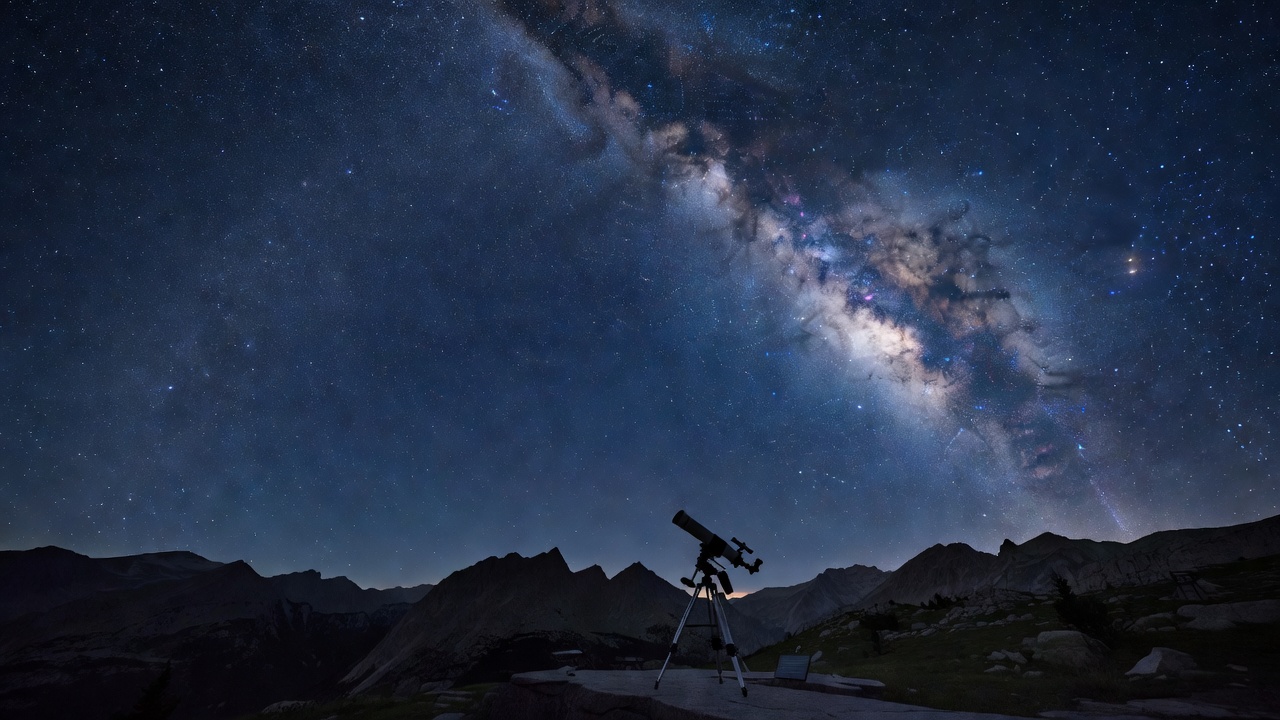
Stargazing weekend getaways offer a refreshing blend of nature immersion and celestial wonder, ideal for travelers craving short trips away from city lights. In 2026, accessible destinations with minimal light pollution continue to attract beginners and enthusiasts alike, providing clear views of constellations, planets, and meteor showers within a short drive or flight. These quick escapes combine relaxation with education, allowing participants to disconnect from screens and reconnect with the night sky. Whether you're a novice or seasoned observer, planning around seasonal events maximizes enjoyment and creates lasting memories under vast, sparkling heavens.
Many people find that even a single weekend away can reignite their sense of wonder about the universe. With increasing urban light pollution, dedicated dark-sky locations become essential for authentic experiences. Travelers can enjoy these trips without taking extended vacations, making them perfect for busy professionals or families seeking meaningful downtime.
Top Accessible Stargazing Destinations for Quick Trips
Several dark sky parks and remote areas stand out for their proximity to major cities. International Dark-Sky Association certified locations ensure optimal viewing conditions. Big Bend National Park in Texas sits just a few hours from major airports and offers vast open skies where visitors can spot the Milky Way clearly on clear nights. Great Basin National Park in Nevada remains remote yet reachable by car or short flight, featuring designated stargazing areas with ranger programs that explain celestial phenomena in detail.
Other strong options include areas near Joshua Tree National Park for West Coast travelers seeking desert skies and select spots in the Adirondacks for East Coast escapes with forested backdrops. Each location provides unique advantages, such as higher elevation for clearer views or protected lands that limit future development. 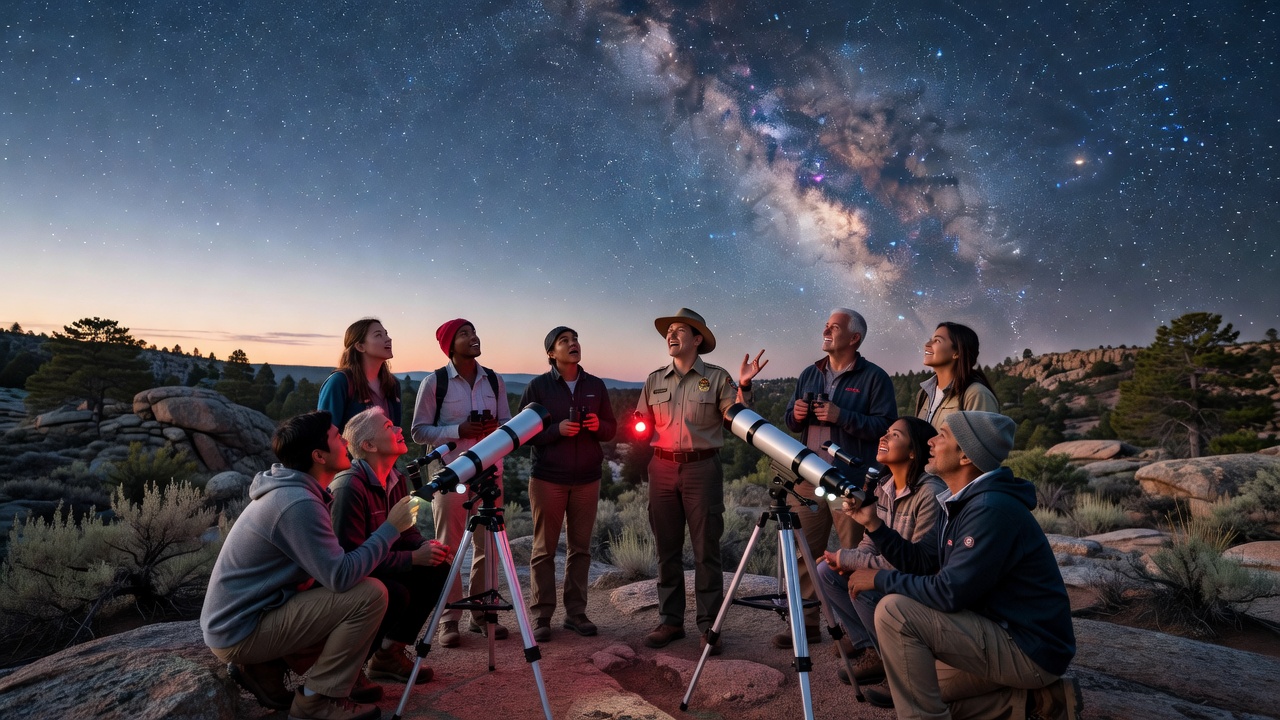
Urban Versus Rural Stargazing Options Compared
Urban areas provide convenience but suffer from light pollution, limiting views to bright planets and the moon. Rural destinations deliver darker skies for deeper observations but require more travel planning. For weekend trips, rural spots within 3-4 hours' drive often strike the best balance, offering superior celestial visibility without long-haul flights. Urban stargazing might involve rooftop setups or planetarium visits, yet nothing compares to the immersive experience of true darkness found in protected rural zones. Consider factors like travel time, accessibility, and group size when deciding between the two.
Essential Gear and Apps for Tracking Celestial Events
Start with a quality telescope or binoculars for magnification. Red-light flashlights preserve night vision, while apps like SkySafari or Stellarium help identify stars and predict events such as planetary alignments or meteor showers. Warm layers, a reclining chair, and a star chart complete the kit. Beginners should prioritize portable, easy-to-use equipment for short getaways. Advanced users might add DSLR cameras for astrophotography or portable power stations to keep devices running through the night. Always test gear before departure to avoid surprises in remote areas.
Seasonal Viewing Tips for 2026
Spring offers views of Orion and spring constellations, while summer brings the Perseid meteor shower with dozens of shooting stars per hour. Fall highlights Andromeda galaxy visibility, and winter showcases crisp Orion views with minimal atmospheric interference. Check moon phases to avoid bright nights that wash out fainter objects. Always verify local weather forecasts before departing, as clear skies are crucial. For example, scheduling around new moon weekends in August dramatically increases chances of seeing major meteor activity.
Planning Your Trip: Step-by-Step Guide
Begin by selecting a destination based on drive time and available facilities. Next, check astronomy event calendars from sources like NASA for upcoming highlights. Reserve lodging or campsites early, especially for peak viewing months. Pack thoughtfully using the checklist below, and consider joining a guided session for expert guidance. Finally, review park regulations regarding lights and group sizes to ensure a smooth experience.
Packing Checklist for Stargazing Weekends
- Binoculars or small telescope with tripod
- Red LED headlamp and spare batteries
- Smartphone with astronomy apps downloaded offline
- Layered clothing, warm jacket, and blankets
- Snacks, water, and a thermos for hot drinks
- Camping chair or reclining blanket
- Printed star maps as backup to digital tools
- Sunscreen and insect repellent for daytime activities
- Portable chair cushion and ground tarp
- First-aid kit and navigation device
Budget-Friendly Planning: Experiences Under $400 Per Person
Many stargazing getaways stay affordable with car camping or budget lodging. Fuel, park fees, basic gear rental, and meals can be managed effectively for short trips. Focus on national parks with low entry costs and free ranger-led sessions to keep totals reasonable as of 2026-08-20. Sharing transportation and bringing your own food further reduces expenses while maintaining comfort.
Beginner-Friendly Workshops and Guided Sessions
Many parks offer evening programs led by astronomers. These include telescope demonstrations and constellation tours, perfect for first-timers. Book ahead for popular 2026 weekends to secure spots. Sessions often cover safety tips, equipment basics, and identification techniques, turning a simple outing into an educational adventure.
Common Mistakes to Avoid on Stargazing Trips
One frequent error is arriving without checking the weather or moon phase, leading to disappointing views. Another is overpacking heavy equipment that becomes burdensome on short hikes. Travelers sometimes forget red lighting, which ruins night vision for the whole group. Always research local wildlife and trail conditions to stay safe after dark.
How to Combine Stargazing with Other Quick Escapes
Pair night sky viewing with daytime hiking, photography workshops, or scenic drives. Many destinations feature trails that lead to prime viewing spots, allowing seamless integration of activities. For instance, morning birdwatching followed by afternoon rest and evening astronomy creates a well-rounded weekend itinerary.
FAQs on Stargazing Getaways
Is stargazing safe at night in remote areas?
Yes, with basic precautions like staying in groups, using navigation apps, and checking park alerts for wildlife or weather changes.
What are the best months for stargazing weekends?
Months with new moons and clear seasons, such as August for meteor showers or January for crisp skies, often yield the best results.
Can I combine stargazing with hiking or other activities?
Absolutely—many destinations pair night sky viewing with daytime trails, making them versatile quick escapes that maximize your limited time away.
How do I protect equipment from dew or cold?
Use dew shields on optics and store gear in insulated bags when not in use to prevent condensation and battery drain.
Conclusion
Stargazing weekend getaways in 2026 deliver memorable celestial experiences without extensive travel. With the right preparation, these trips provide both relaxation and inspiration under the stars, encouraging a deeper appreciation for our place in the universe.
No comments yet. Be the first!