 PlaceBee
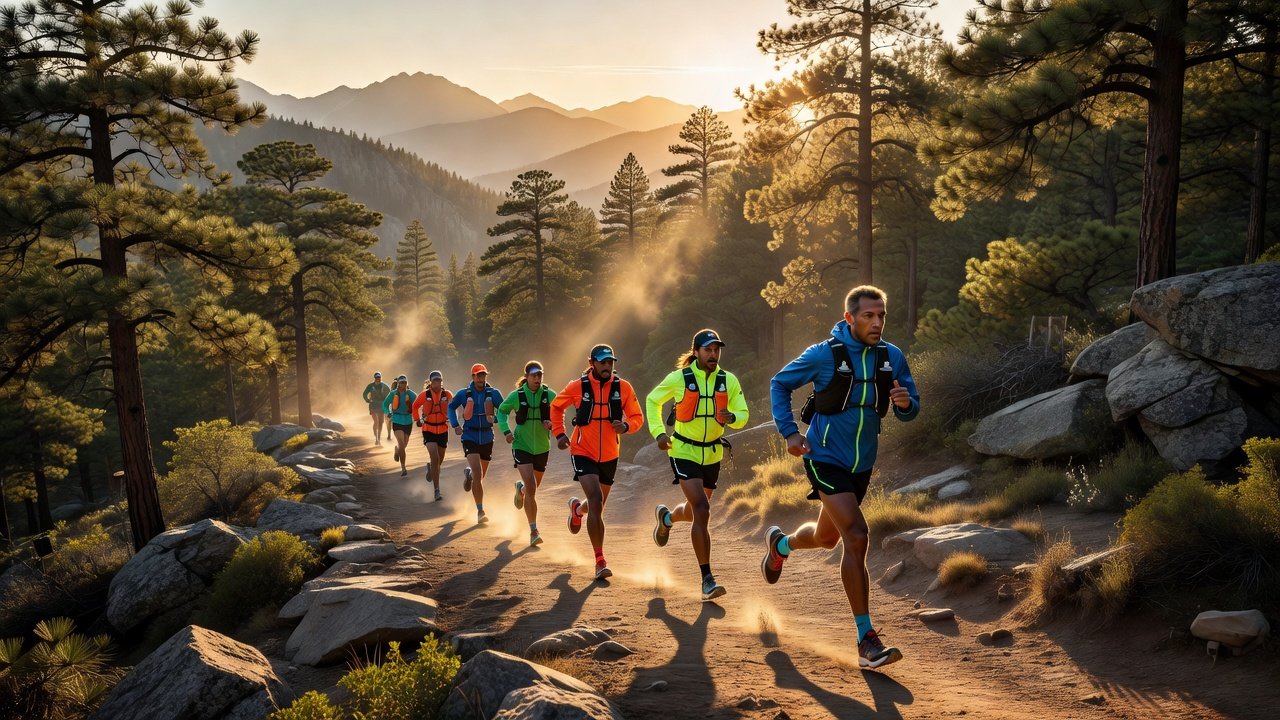
Why Trail Running Weekend Getaways Are Ideal for Active Runners in 2026
Active runners constantly seek short, high-impact escapes that blend challenging trails with essential recovery periods. In 2026, 48- to 72-hour trail running getaways provide the perfect balance, enabling participants to recharge mentally and physically while exploring scenic routes reachable by short flights or drives. These focused trips emphasize elevation gains, varied terrain, and post-run relaxation strategies that help prevent burnout and overuse injuries common in year-round training.
City dwellers or suburban athletes benefit tremendously from quick access to fresh air, mental clarity, and vibrant trail communities that typical gym-based weekends simply cannot replicate. Whether planning solo adventures or group outings, these escapes foster a deeper connection to nature and running itself.
Top US Trail Systems for Quick Escapes
The United States features an abundance of trail networks suited for weekend runners. Prime examples include the extensive National Park Service trails in Rocky Mountain National Park, offering moderate to advanced runs amid alpine scenery and wildlife viewing opportunities. Sections of the Appalachian Trail in Georgia and North Carolina deliver shorter, well-marked loops perfect for two-day itineraries with reliable water sources.
Western destinations managed by the USDA Forest Service include Colorado's San Juan Mountains and Washington's Olympic National Forest. These areas provide diverse paths with elevation changes ranging from 1,000 to 3,000 feet, accommodating beginners through experts. Additional standout spots encompass Utah's Wasatch Front for technical descents and California's Sierra Nevada foothills for spring wildflower routes.
Accessible International Destinations
Runners open to brief international flights can explore the Canadian Rockies near Banff, known for glacier-fed trails and efficient airport access. Lower valleys in the Swiss Alps allow seamless rail connections from European hubs, delivering high-alpine views without extended travel time. Always verify seasonal permits, border requirements, and total flight durations under four hours to maintain true weekend feasibility.
Sample 2-Day Itineraries Across Multiple Destinations
Rocky Mountain National Park, Colorado: Day 1 arrival by morning drive includes a 10-mile afternoon loop on Bear Lake Trail with 1,200 feet of gain. Evening recovery features stretching and local microbrewery options. Day 2 starts with a 12-mile sunrise run on Emerald Lake Trail before afternoon departure.
Appalachian Trail, North Carolina: Day 1 features an 8-mile out-and-back on Hot Springs sections with river views. Day 2 covers a 14-mile point-to-point with shuttle support, ending in a post-run massage session.
Olympic National Forest, Washington: Day 1 focuses on 9-mile rainforest trails near Hurricane Ridge. Day 2 adds coastal bluff runs with tide timing considerations for safety.
Elevation-Based Difficulty Tiers with Real-World Examples
- Beginner (under 1,000 ft gain): Flat forest loops on packed dirt, such as easy paths around Lake Tahoe's lower meadows.
- Intermediate (1,000-2,500 ft): Rolling hills and switchbacks like those found on Colorado's Mount Falcon trails.
- Advanced (over 2,500 ft): Steep, technical climbs including Washington's Mount Rainier approach routes with rocky scrambles.
Match your current fitness level to these tiers by reviewing recent training logs before selecting a destination.
Gear Checklists for Lightweight Packs
Essential items for mobility include trail running shoes with aggressive tread, moisture-wicking base layers, a hydration vest with 1-2 liter capacity, energy gels or chews, a lightweight headlamp, and a compact emergency whistle. Supplement with a minimal first-aid kit containing blister treatments, a weatherproof shell jacket, and trekking poles for steeper sections. Always test pack weight under 10 pounds for optimal speed on the trail.
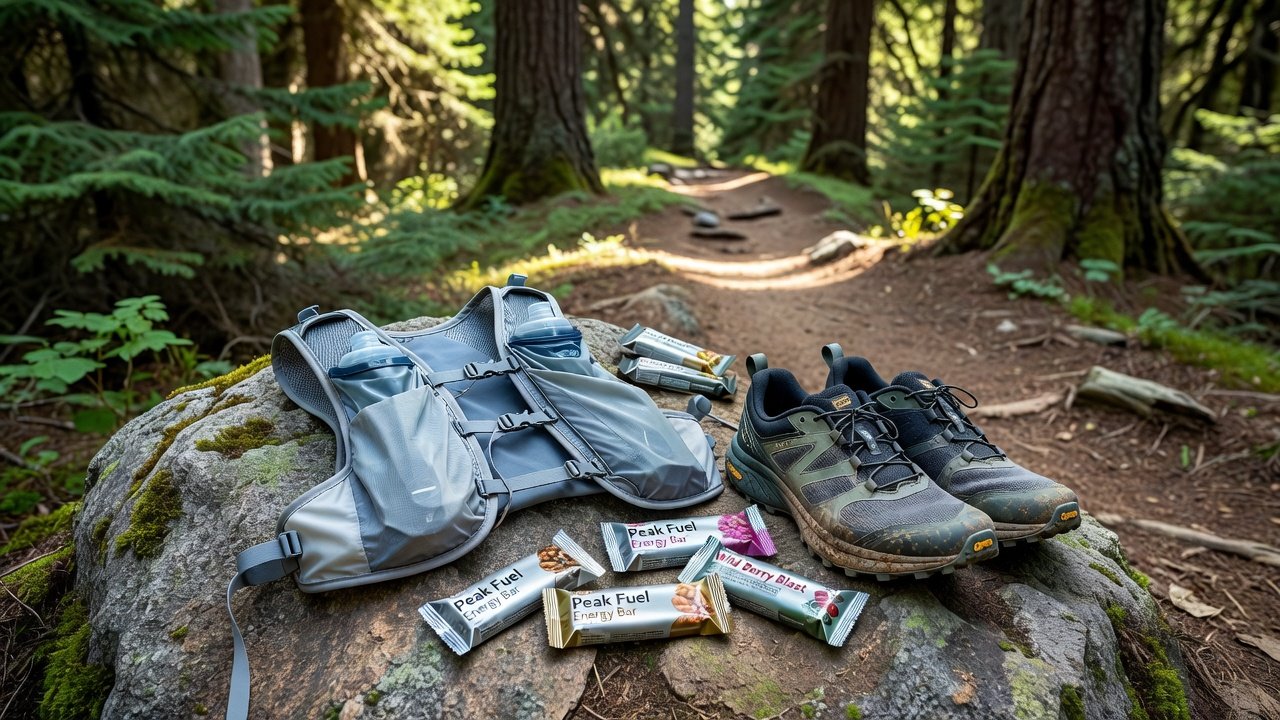
Injury-Prevention Warm-Ups and Post-Run Nutrition Strategies
Begin every session with 10 minutes of dynamic movements such as leg swings, high knees, and ankle circles to prepare joints for uneven surfaces. Incorporate hip openers and core activation drills to handle lateral trail stresses. Following runs, consume protein and carbohydrates within 30 minutes—examples include chocolate milk, Greek yogurt parfaits, or quinoa vegetable bowls paired with electrolyte beverages. Monitor sodium intake during longer efforts to avoid cramps.
Recommended Apps for Offline Trail Maps and Navigation
Downloadable options like Gaia GPS and onX Backcountry enable offline access to topographic maps, elevation profiles, and user-shared waypoints. These platforms support route planning, GPX exports, and emergency location sharing when cell service is unavailable. Cross-reference with local ranger reports for seasonal closures.
Running-Focused Stays Versus Standard Fitness Weekends
Specialized running lodges provide dedicated trail shuttles, organized group runs at varying paces, and athlete-specific recovery amenities like infrared saunas or compression therapy. In contrast, generic fitness weekends center on indoor gym equipment and generic yoga, missing the immersive outdoor progression and community support that dedicated trail runners value most.
Budget Breakdowns, Runner Testimonials, and Cost-Saving Tips
Many runners complete rewarding trips for under $600 as of 2026-10-19, covering shared transport, modest lodging, and trail-friendly meals. Testimonials frequently mention renewed motivation: one Colorado visitor noted the escape revived their training passion, while a North Carolina participant praised the social runs for accountability. Save further by carpooling, choosing off-peak lodging, and packing most meals in advance.
Seasonal Trail Conditions and Safety Considerations
Spring often features muddy conditions and vibrant wildflowers across the Appalachians. Summer brings extended daylight in the Rockies but requires heat management and early starts. Fall delivers crisp air and colorful foliage in Washington forests. Winter demands microspikes and avalanche awareness in higher elevations. Always consult current ranger updates and carry layered clothing plus navigation backups.
FAQ: Combining Runs with Local Cuisine, Rest Days, and More
How do I pair runs with local cuisine? Schedule lighter morning efforts before exploring farm-to-table restaurants for balanced recovery meals rich in whole grains and vegetables.
Should rest days be included? Yes—alternate intense runs with easy hikes, yoga sessions, or complete rest to maximize adaptation and reduce injury risk.
What about unexpected weather? Pack versatile layers and review daily forecasts through multiple sources before departing each morning.
Can I combine runs with sightseeing? Yes, plan afternoon cultural stops after morning mileage to blend adventure with exploration.
Are group runs recommended for safety? Joining local running clubs enhances both security and enjoyment on unfamiliar terrain.
Final Tips for Planning Your 2026 Escape
Reserve accommodations and permits early for peak seasons, engage runner forums for insider route advice, and prioritize listening to your body throughout the trip. These targeted getaways consistently deliver lasting energy, improved fitness, and renewed enthusiasm for dedicated athletes seeking efficient escapes.

No comments yet. Be the first!