 PlaceBee

Introduction to AI Wearables in Extreme Hiking
Extreme hiking in remote, high-risk terrains demands more than physical endurance. In 2026, AI wearables are transforming how adventurers prepare, navigate, and respond to dangers. These devices integrate sensors, machine learning, and real-time data to enhance safety without replacing human judgment. Tech-savvy thrill seekers now use smart helmets that detect falls and biometric suits that monitor vital signs during multi-day treks across challenging landscapes like the Andes or Alaskan ranges.
The search for actionable 2026 insights drives interest in drone-assisted trails paired with wearable tech. This article explores practical integration, from beginner explanations to advanced techniques, ensuring comprehensive coverage for safer adventures. Hikers benefit from predictive analytics that anticipate issues like sudden weather changes or physical overexertion long before they become critical problems. By blending cutting-edge technology with time-tested outdoor skills, these tools open new possibilities for both novice explorers and seasoned mountaineers seeking deeper immersion in nature while minimizing unnecessary risks.
How AI Wearables Enhance Safety and Performance
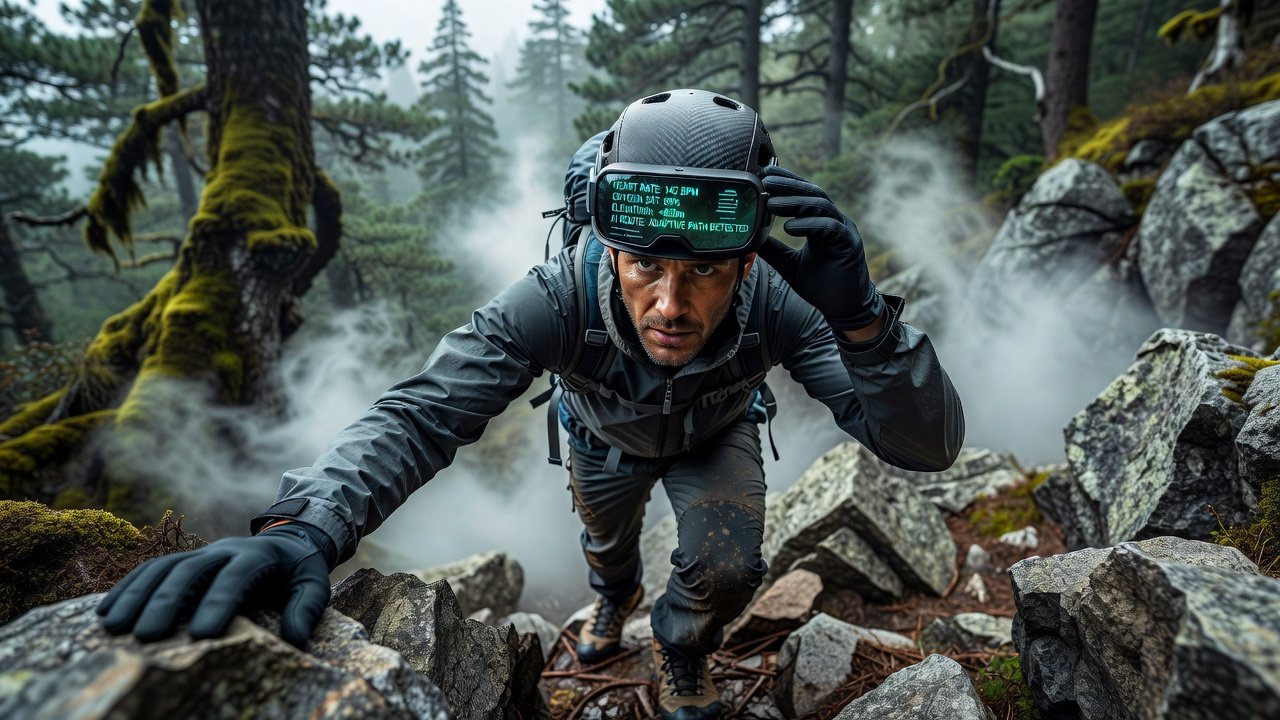
AI wearables analyze data from accelerometers, heart rate monitors, and GPS to predict risks like dehydration or altitude sickness. For instance, a smart helmet might alert users to irregular head movements indicating fatigue. Biometric suits track muscle strain and core temperature, providing haptic feedback to adjust pace instantly. These systems learn from individual patterns over time, creating personalized profiles that improve accuracy with each outing.
Real-world examples include trails in the Himalayas where drone-assisted systems sync with wearables to deliver emergency supplies. These integrations reduce response times in areas with poor cell coverage. In Patagonia, early adopters report fewer evacuations thanks to proactive alerts about crevasse dangers detected through combined sensor data and terrain mapping.
Key Benefits Compared to Traditional Gear
- Real-time risk assessment versus static maps
- Automated alerts for environmental changes such as rising winds or temperature drops
- Performance optimization through personalized AI coaching that suggests rest intervals
- Integration with satellite networks for global reach even in zero-signal zones
- Long-term data logging for post-hike analysis and training refinement
Risk comparisons show traditional hiking gear leaves gaps in early detection, while AI versions lower incident rates by providing proactive interventions based on continuous monitoring.
Detailed Gear Selection Steps for 2026 Adventures
Selecting the right AI wearables requires evaluating compatibility, battery life, and data accuracy. Follow these expanded steps for informed decisions:
- Assess your primary terrain and risks, such as high altitude or extreme weather patterns common in specific regions.
- Research devices with proven integrations, like those linking to National Park Service resources for trail data and safety protocols.
- Test battery performance in simulated conditions mimicking multi-day exposure to cold or heat.
- Verify software updates, privacy features, and water resistance ratings before committing to a purchase.
- Compare weight and comfort factors since heavy devices can hinder mobility on technical sections.
- Consult user communities for real feedback on durability during prolonged use in rugged environments.
Popular options combine helmets with embedded AI and suits featuring flexible sensors for comfort during long hikes. Always cross-reference specs with independent testing reports to ensure reliability.
Comprehensive Training Routines to Maximize Wearable Tech
Beginners should start with short hikes while wearing devices to learn baseline readings and interpret simple alerts without overload. Progress to moderate trails incorporating elevation gains where AI feedback on heart rate zones becomes valuable. Advanced users incorporate interval training synced to AI suggestions for optimizing endurance and recovery periods.
Include weekly drills simulating emergency scenarios, such as sudden weather shifts detected by the wearable or simulated falls triggering helmet sensors. Combine with standard fitness apps for holistic preparation that includes strength work for core stability and balance exercises. Over several months, this builds confidence in relying on tech while maintaining core outdoor competencies like map reading and first aid.
Risk Comparisons and Mitigation Strategies
Traditional setups rely on manual checks and group communication, which can fail in isolation. AI wearables add layers of automated oversight, such as fall detection that notifies pre-set contacts automatically. In high-risk zones like exposed ridges, the difference becomes pronounced as predictive models flag potential issues hours ahead based on cumulative data trends.
Practical Checklists for Tech Integration
- Pre-hike: Charge devices fully, update firmware, calibrate sensors, and share location data with emergency contacts while reviewing weather forecasts.
- During hike: Monitor alerts without distraction, adjust pace based on AI suggestions, log key metrics periodically, and maintain situational awareness.
- Post-hike: Review logs for insights into performance patterns, recharge sustainably using solar options where possible, and clean equipment thoroughly.
- Emergency protocol: Know manual override functions and backup communication methods independent of the wearable system.
Sustainability Tips for Responsible Tech Use
Choose rechargeable devices with long lifecycles and modular components that reduce replacement frequency. Minimize electronic waste by recycling old sensors through certified programs. When exploring sensitive ecosystems, disable non-essential transmissions to lower energy consumption and respect wildlife habitats. Pairing tech with low-impact practices ensures adventures remain viable for future generations.
FAQs on AI Wearables and Outdoor Adventures
How do these devices handle poor connectivity?
Many use offline AI processing with satellite fallback for critical alerts, drawing from established networks like those referenced by Centers for Disease Control and Prevention for health monitoring standards.
Are they suitable for beginners?
Yes, with intuitive interfaces that simplify data into actionable advice while allowing deeper customization for experts seeking granular control over metrics.
What about sustainability in remote areas?
Opt for solar-compatible wearables and follow leave-no-trace principles to protect environments from unnecessary impact.
Can wearables replace traditional navigation skills?
No, they serve as powerful supplements; always carry physical maps and practice core orienteering to handle any tech failure scenarios effectively.
How accurate are biometric readings during intense activity?
Modern models achieve high precision through multi-sensor fusion, though cross-verification with manual checks remains advisable in critical situations.
Conclusion
AI wearables represent a significant advancement for extreme hiking safety in 2026. By blending technology with traditional skills, adventurers can tackle challenges more confidently across diverse global destinations. Always prioritize ongoing training and environmental respect when integrating these tools into your routine for truly transformative outdoor experiences.

No comments yet. Be the first!