 PlaceBee
Why Choose Countryside Weekend Getaways in 2026?
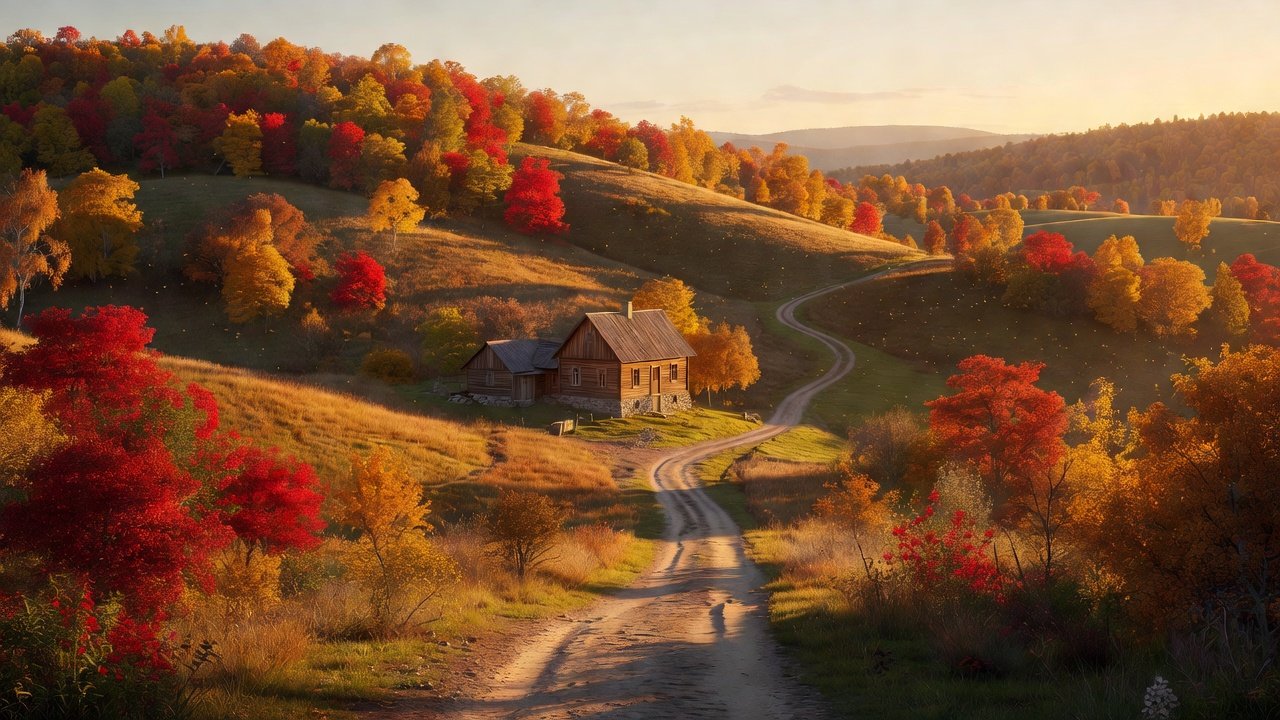
Travelers increasingly seek peaceful rural retreats to escape urban stress, focusing on nature immersion through short trips. These quick escapes, reachable in 4-6 hours, offer farm visits, hiking, and local markets without long commitments. This guide covers top North American and European destinations with practical 48-hour plans, budget advice, and more. Rural getaways provide mental health benefits backed by studies showing reduced stress from time in nature. They also support local economies through visits to farms and markets. In 2026, trends point toward sustainable travel with more people choosing low-impact destinations that allow disconnection from screens and reconnection with the land.
Top Countryside Destinations in North America
The Vermont countryside provides rolling hills and maple groves ideal for fall escapes. Visitors can explore the Green Mountains with trails like the Long Trail offering moderate hikes through forests filled with wildlife. Nearby, the Hudson Valley in New York offers historic farms and scenic trails along the river where kayaking and orchard visits are popular. In Canada, the rolling landscapes of Prince Edward Island deliver quiet beaches and potato fields where travelers can cycle on the Confederation Trail and sample fresh seafood. Another option is the Blue Ridge Mountains in Virginia, known for apple orchards and scenic drives on the Blue Ridge Parkway that feature overlooks perfect for photography. These spots are accessible within a short flight or drive from major cities like New York or Boston, making them perfect for quick weekend resets.
European Rural Gems
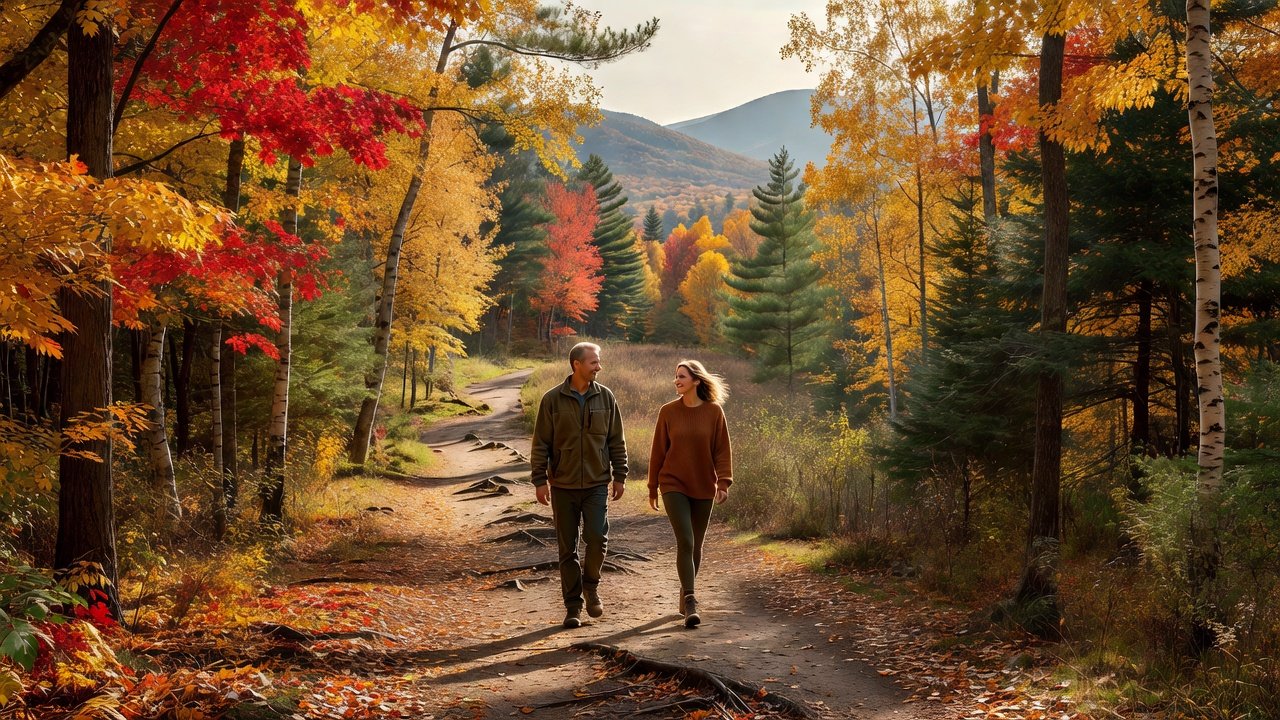
Scotland's Highlands feature dramatic glens perfect for hiking, with areas like the Cairngorms National Park providing wildlife spotting opportunities including deer and eagles. While Tuscany in Italy boasts vineyards and olive groves where visitors can join harvest activities in season and learn traditional cooking methods. The Cotswolds in England provide charming villages and gentle walks through honey-colored stone hamlets dotted with thatched roofs. For those seeking coastal rural vibes, Ireland's Ring of Kerry offers cliffside paths and traditional farms with opportunities to meet local artisans. Official guidance on protected areas is available from sources like the National Park Service for American sites and VisitBritain for UK countryside recommendations.
Sample 48-Hour Itineraries
For Vermont: Day one starts with arrival by car, check into a farm stay, followed by a visit to a local farmers market for maple syrup tasting and an afternoon hike on a moderate trail ending at a scenic viewpoint. Evening includes a farm-to-table dinner prepared with ingredients from the property. Day two features a morning yoga session in the fields, a guided tour of the farm animals, and a scenic drive stopping at roadside stands before departure. Similar structure applies to the Cotswolds with added village exploration, cream tea stops, and pub lunches featuring local ales. In Tuscany, incorporate wine tasting at a family vineyard, a visit to a medieval hill town, and olive oil production demonstrations. These itineraries emphasize relaxation with built-in downtime for journaling or simply enjoying the views.
Budget Comparisons Under $700
Many rural getaways fit comfortably under $700 total per person as of 2026-11-06, covering transport, lodging, and meals when choosing off-peak options. North American drives often cost less than European train journeys due to fuel and rail passes. Breakdowns show shared farm stays reducing lodging to under half the total, while self-catering meals from markets keep food expenses low. Comparisons between regions highlight that European destinations may require budgeting for rail passes but offer more inclusive cultural experiences like included tastings. Practical savings come from traveling mid-week where possible and packing snacks to reduce restaurant costs.
Transport Options: Scenic Drives vs Regional Trains
Scenic drives allow flexibility for spontaneous stops at viewpoints or roadside stands selling local produce. Regional trains provide relaxed, eco-friendly travel with opportunities to read or nap while enjoying passing landscapes. Compare routes via Amtrak for North America. In Europe, networks like those promoted by Eurail enable seamless connections to rural stations. Factors include group size, luggage volume, and preference for driving independence versus convenience and lower stress on trains.
Accommodations: Farm Stays vs Inns
Farm stays immerse you in rural life with possible animal interactions and fresh breakfasts from on-site produce. Inns offer historic charm, private bathrooms, and modern comforts like Wi-Fi for those who need connectivity. Both suit weekend trips when booked early. Examples include working dairy farms in Vermont versus boutique inns in the Cotswolds with garden views and afternoon tea service. Consider accessibility needs, group composition, and desired level of interaction when choosing between the two styles.
Seasonal Packing Checklists
- Spring: Waterproof jacket, light layers, insect repellent for emerging bugs, and binoculars for bird migration
- Summer: Sun hat, breathable clothing, reusable water bottle for hydration on trails, and light hiking shoes
- Fall: Warm fleece, sturdy boots for leaf-covered paths, gloves for cooler evenings, and a thermos for hot drinks
- Winter: Insulated coat, thermal base layers, hand warmers for short hikes, and microspikes for icy trails
Always include a first aid kit, multi-tool, and power bank regardless of season to handle unexpected changes.
Activity Gear Tips and Mistakes to Avoid
Pack versatile clothing and check forecasts the night before departure. Avoid overpacking by focusing on multi-use items like a good pair of hiking poles that double as walking sticks. Learn from recent escapes where travelers enjoyed spontaneous market visits in the Cotswolds but regretted forgetting binoculars for birdwatching or a portable charger for photos. Case studies show groups that prepared detailed gear lists had smoother trips with more time for relaxation rather than shopping for forgotten items on arrival.
Practical Steps for Planning Your Trip
Start by identifying your departure city and available travel time. Research availability for farm stays at least three weeks ahead. Create a flexible itinerary allowing for weather changes. Download offline maps and translation apps for international trips. Finally, confirm all bookings and share your plans with someone at home.
FAQ
Weather considerations? Rural areas can change quickly—always pack rain gear and check local forecasts the day before.
Accessibility options? Many trails offer accessible paths; confirm with providers in advance for wheelchair-friendly routes and adapted accommodations.
Last-minute bookings? Possible but limited; use apps for farm stays and have backup inns ready in case of full occupancy.
Pet-friendly options? Several farm stays welcome dogs with prior notice; inquire directly about policies and any extra fees.
Family suitability? Kid-friendly activities like apple picking and animal feeding make these ideal for all ages with age-appropriate trails available.
Sustainability tips? Choose eco-certified stays, support local markets to minimize impact, and use public transport where feasible.
Health and safety? Carry basic medications and know nearest medical facilities, especially in remote areas.
Conclusion
These countryside escapes deliver restorative weekends focused on nature. Plan ahead for 2026 to enjoy peaceful rural quick getaways that recharge body and mind through immersive experiences and meaningful connections with local communities.

No comments yet. Be the first!