 PlaceBee
Introduction to Extreme Sports for Thrill Seekers
Adventure travelers in 2026 continue to seek out high-adrenaline activities that merge stunning natural landscapes with intense physical and mental challenges. Among the most popular options are bungee jumping and BASE jumping, two extreme sports that deliver unforgettable freefall experiences but differ significantly in accessibility, preparation, and risk profiles. This comprehensive guide explores every critical aspect to help you determine which activity aligns best with your experience level, travel plans, and personal goals for the coming year.
Understanding Bungee Jumping
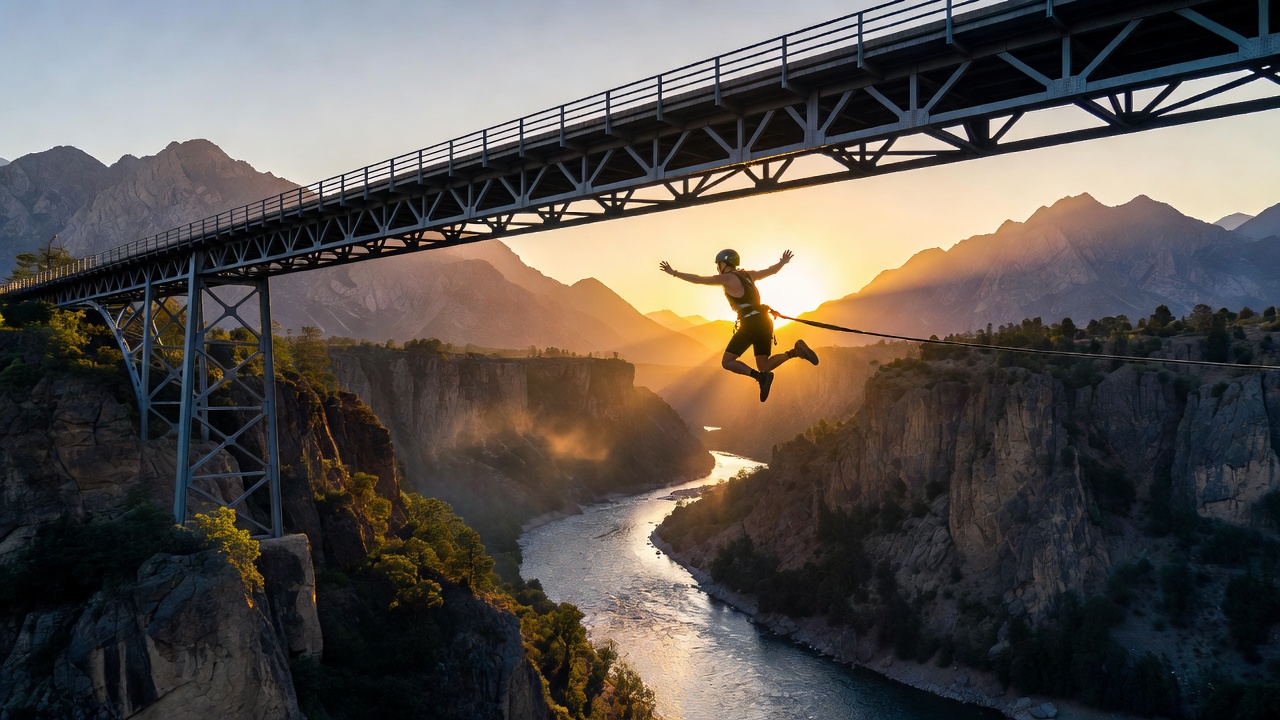
Bungee jumping consists of leaping from a secure platform such as a bridge, crane, or tower while attached to a specialized elastic cord secured around the ankles or harness. The cord stretches dramatically during the fall before contracting to pull the jumper back upward in a series of bounces. Over decades, the sport has matured into a professionally managed activity with standardized equipment testing, multiple backup systems, and on-site medical support at reputable locations worldwide. Participants often describe the initial leap as a mix of terror and exhilaration followed by a profound sense of achievement upon landing safely.
Understanding BASE Jumping
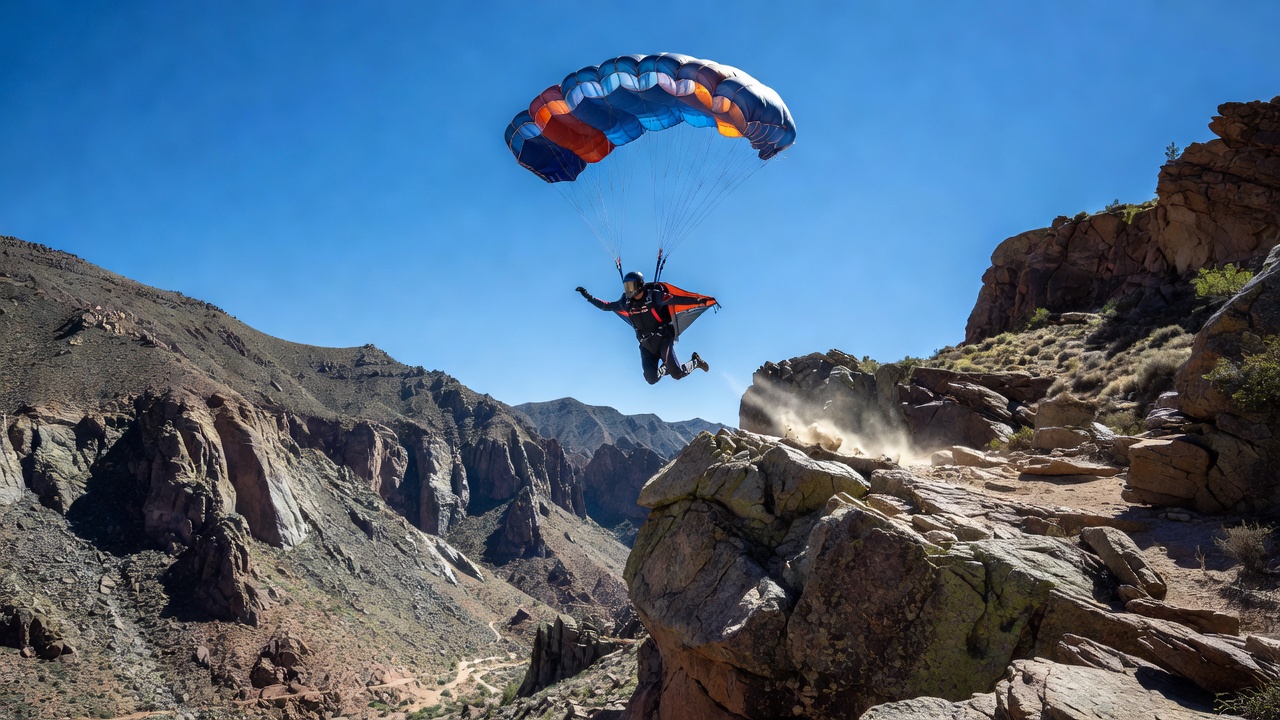
BASE jumping requires participants to leap from fixed objects classified as buildings, antennas, spans (bridges), or earth (cliffs) and deploy a parachute for a controlled descent to the ground. The acronym BASE directly references these four categories of launch points. Because the activity occurs at much lower altitudes than traditional skydiving, jumpers have only seconds to react, making timing and technique critical. BASE jumping remains largely unregulated in many regions and attracts experienced athletes who have already logged hundreds of skydives before transitioning to this more demanding discipline.
Safety Protocols and Risk Statistics
Reputable bungee operators conduct daily equipment inspections, use redundant cords and harnesses, and maintain strict weight and health guidelines for every participant. In contrast, BASE jumping relies heavily on individual judgment, weather assessment, and precise parachute packing. General statistics from global adventure safety reports indicate that BASE jumping carries substantially higher per-jump fatality rates primarily because of the narrow margin for error near the ground and variable wind conditions. The World Health Organization emphasizes that proper training and equipment maintenance dramatically lower incident rates across all extreme sports. Travelers should always verify that operators maintain current certifications and carry comprehensive emergency response plans.
Required Training and Certifications
Bungee jumping typically requires only a brief on-site orientation, a signed medical waiver, and confirmation of basic fitness. Some commercial sites additionally request a recent physical examination. BASE jumping demands far more rigorous preparation: most practitioners complete at least 200 skydives, attend specialized BASE courses, and obtain mentorship from certified instructors. Organizations such as the Federal Aviation Administration provide guidance on parachute equipment standards that serious BASE jumpers follow even when operating outside formal regulatory frameworks.
Physical Demands and Preparation
Both sports place significant demands on the cardiovascular system, core strength, and mental focus. Bungee jumping requires the ability to manage sudden acceleration and deceleration forces while maintaining composure. BASE jumping adds the challenge of hiking to remote launch sites while carrying equipment and executing rapid decision-making under stress. Prospective participants should undergo a full medical evaluation, practice breathing techniques for anxiety control, and gradually build tolerance to heights through progressive exposure activities such as climbing or zip-lining.
Environmental Impact Considerations
Responsible operators minimize ecological disturbance by using existing infrastructure for bungee platforms and by educating clients about Leave No Trace principles. BASE jumping from natural formations can disturb nesting birds and fragile rock surfaces if launch points are overused. Adventure travelers are encouraged to select operators that actively support local conservation projects and to avoid sensitive habitats during breeding seasons.
Top Global Locations for 2026
Iconic bungee destinations include New Zealand’s Kawarau Bridge, South Africa’s Bloukrans Bridge, and the Macau Tower in China, all of which feature professional operations and scenic surroundings. For BASE jumping, popular legal sites encompass the sheer cliffs of Norway’s Lysefjord, the Swiss Alps near Lauterbrunnen, and select bridges in the western United States where permissions are granted. Always confirm current access regulations before travel, as local authorities frequently update rules. The National Park Service publishes the latest information for American locations. Weather patterns in 2026 should be monitored closely, especially in alpine regions where wind and visibility change rapidly.
Combining with Multi-Day Adventure Itineraries
Integrating either sport into longer trips enhances the overall experience. A typical New Zealand itinerary might feature a morning bungee jump followed by a multi-day trek through Fiordland National Park and a helicopter tour of Milford Sound. In Europe, BASE enthusiasts often combine jumps in the Alps with road cycling through mountain passes and visits to historic villages. Allow at least two recovery days between high-intensity activities and maintain flexible schedules to accommodate weather delays.
Pros and Cons Comparison
| Aspect | Bungee Jumping | BASE Jumping |
|---|---|---|
| Accessibility | High for beginners with minimal prior experience | Low; requires extensive skydiving background |
| Risk Level | Moderate when using certified operators | Very high due to low altitude and limited reaction time |
| Cost | Generally more affordable with fewer equipment needs | Higher because of specialized gear, training, and travel |
| Scenery | Bridge and platform views over rivers or gorges | Dramatic cliff faces, urban skylines, or remote peaks |
| Group Participation | Easy to join with friends or family | Usually solitary or small experienced teams |
Real Traveler Case Studies
A 32-year-old Canadian hiker completed her first bungee jump at Kawarau Bridge and subsequently extended her trip into a 10-day wilderness trek, reporting increased self-confidence and stronger bonds with her travel companions. An experienced American skydiver transitioned to BASE jumping in Switzerland after two years of mentorship; he highlighted the importance of incremental skill-building and now leads small guided trips while emphasizing safety briefings. Another traveler from Australia combined bungee jumping in South Africa with a safari and river rafting expedition, noting that the structured environment of commercial bungee operations made it easier to integrate into a family-style multi-activity holiday.
Practical Steps for Beginners
- Research multiple licensed operators and read recent independent reviews from past participants.
- Obtain medical clearance from a physician familiar with adventure sports.
- Start with bungee jumping if you have limited extreme-sport experience.
- Book during shoulder seasons when weather is more predictable and crowds are smaller.
- Secure specialized travel insurance that explicitly covers the chosen activity.
- Pack appropriate clothing including layers for changing mountain conditions.
- Arrive early on jump day to complete paperwork and observe other participants.
- Follow all instructor commands without hesitation during the briefing and launch.
- Debrief with your guide afterward and note any physical or emotional reactions.
- Plan low-key activities for the following day to allow full recovery.
Mistakes to Avoid
Common errors include underestimating weather risks, skipping proper warm-up stretches, choosing the cheapest operator without verifying safety records, and attempting BASE jumping without sufficient skydiving hours. Always carry identification and emergency contact information, and never jump under the influence of alcohol or fatigue.
FAQ Section
Is insurance available for these sports?
Specialized adventure insurance policies cover both activities, though BASE jumping usually requires documented certification and higher premiums. Review policy wording carefully several weeks before travel.
How weather-dependent are these activities?
Both sports are highly sensitive to wind, rain, and visibility. Operators cancel jumps when conditions exceed safety thresholds, so flexible itineraries are essential.
Which is better for first-timers?
Bungee jumping offers a safer, professionally supervised introduction while BASE jumping suits only those who already possess advanced skydiving skills.
Can I combine both sports on one trip?
Yes, many travelers schedule bungee early in a journey and BASE later once they have gained additional experience and confidence.
What should I do if I feel anxious before the jump?
Communicate openly with instructors, practice controlled breathing, and remember that professional teams are trained to support nervous participants.
Conclusion
Selecting between bungee jumping and BASE jumping ultimately depends on your current skill level, appetite for risk, and the type of adventure travel experience you seek in 2026. Bungee provides an accessible gateway to extreme sports with professional oversight, while BASE delivers unmatched intensity for seasoned athletes. Regardless of your choice, prioritize safety, thorough preparation, and responsible environmental practices to create memories that last a lifetime.

No comments yet. Be the first!