 PlaceBee
Introduction to Extreme Adventure Travel in 2026
Thrill-seekers planning trips in 2026 are increasingly drawn to destinations that combine breathtaking landscapes with adrenaline-pumping activities. Whether you're into skydiving, ice climbing, or white-water rafting, these locations offer world-class opportunities paired with professional guides and evolving safety standards. This guide covers five standout spots, focusing on extreme sports options, how to reach them, optimal visit windows, safety considerations, local rules, and real traveler experiences. Planning an extreme sports trip requires attention to physical preparation, weather patterns, and operator credentials to ensure both excitement and security. Many adventurers combine multiple destinations for a packed itinerary that spans continents while respecting seasonal windows.
Queenstown, New Zealand: The Adventure Capital
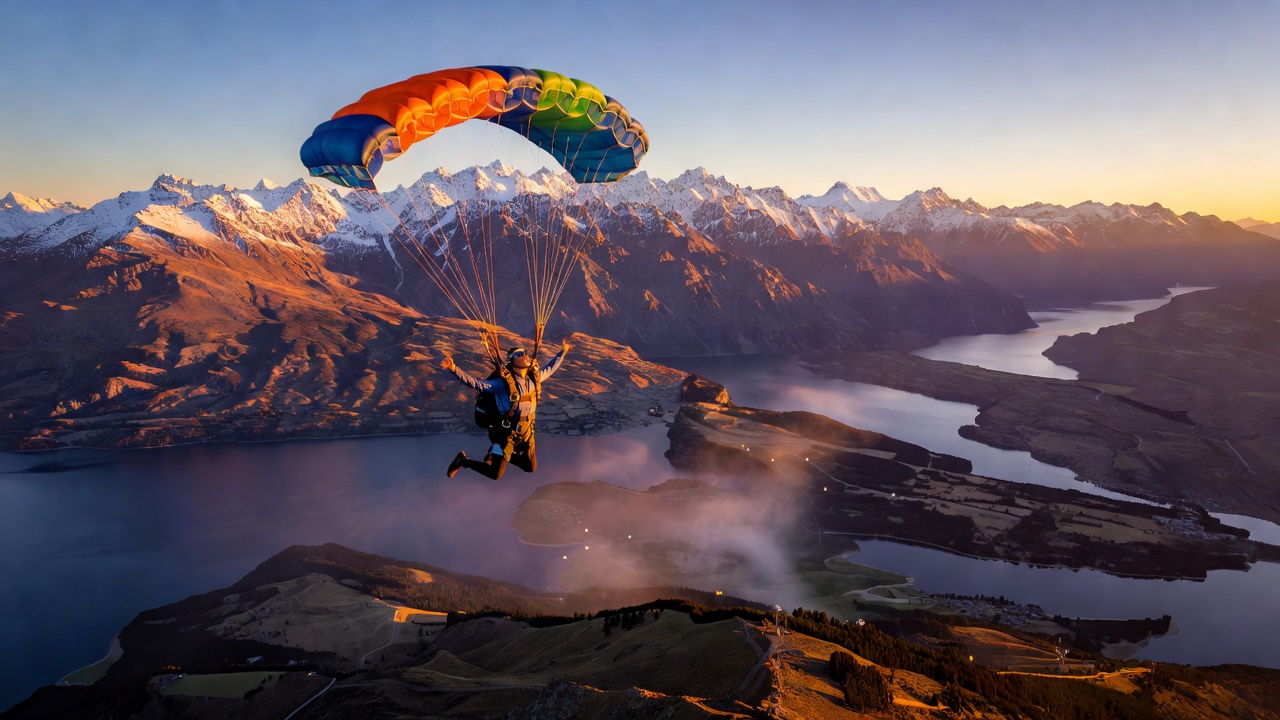
Queenstown remains a premier hub for extreme sports thanks to its dramatic Southern Alps backdrop. Visitors can try bungee jumping at the historic Kawarau Bridge, tandem skydiving over Lake Wakatipu, or jet boating through narrow canyons. Accessibility is straightforward via Queenstown Airport with direct flights from major hubs. The best season runs from December to March for milder weather, though winter brings heli-skiing opportunities. Safety protocols follow strict New Zealand standards, including mandatory briefings and certified operators. Regulations require participants to meet minimum age and health requirements. Costs are generally moderate for multi-activity packages when compared to European alternatives, allowing travelers to sample several sports without excessive outlay.
Traveler testimonial: "My skydiving jump in Queenstown was life-changing—the views and freefall sensation exceeded every expectation," shares frequent adventurer Mia Torres. Another visitor, James Patel, noted how the jet boat ride combined speed with scenic beauty in a way that felt both controlled and exhilarating.
Accessibility and Seasonal Timing
International travelers often connect through Auckland before a short domestic flight. Roads are well-maintained but can be winding, so renting a car with four-wheel drive is advisable in shoulder seasons. Summer offers longer daylight hours for extended activities while shoulder months like November provide fewer crowds.
Interlaken, Switzerland: Alpine Thrills
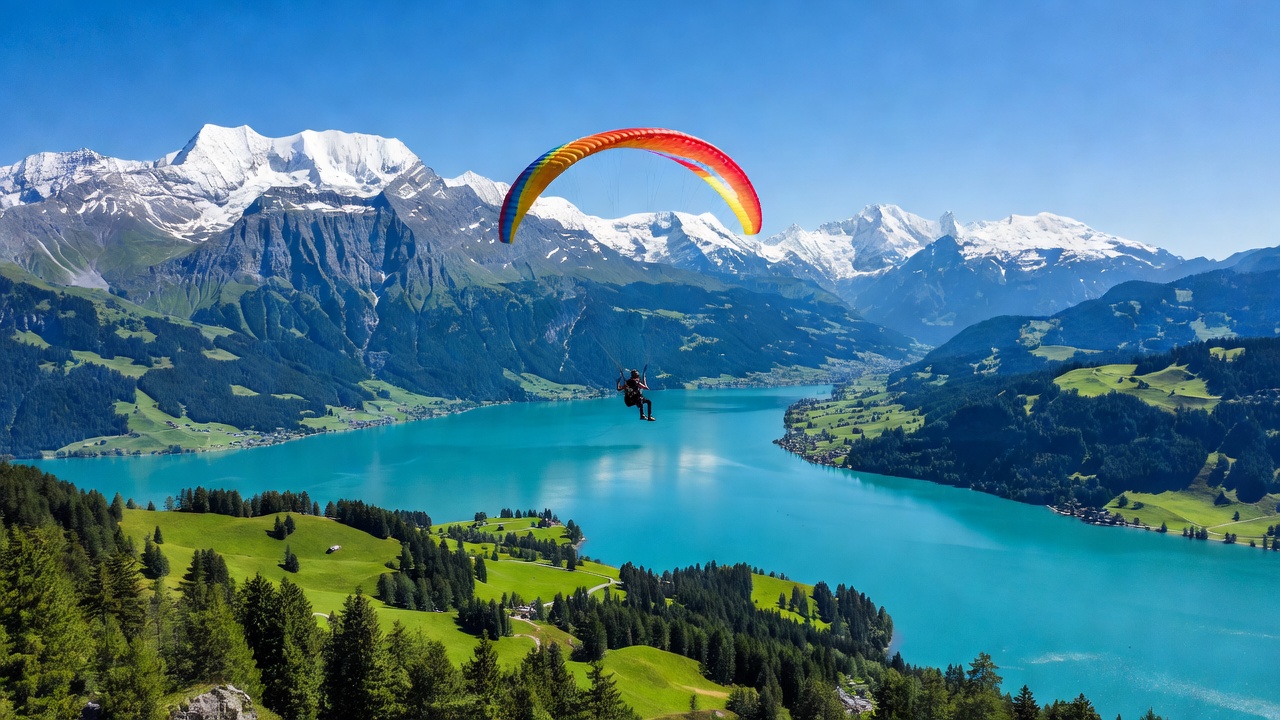
Interlaken delivers high-octane experiences amid the Swiss Alps, including paragliding from the Jungfrau region, canyoning in turquoise rivers, and via ferrata climbs. Reaching the town is easy by train from Zurich or Geneva airports. Peak season spans June to September for optimal conditions. Safety is prioritized through licensed guides and equipment checks, while local regulations limit group sizes in sensitive areas. Difficulty levels range from beginner-friendly tandem flights to expert-level multi-pitch routes. Many operators provide English-speaking staff and insurance options tailored to adventure travelers.
Practical Planning for Interlaken
Book train passes in advance for cost efficiency. Weather can change rapidly, so flexible itineraries are essential. A typical day might start with a morning paragliding session followed by an afternoon canyoning trip, allowing participants to compare the sensation of flight versus the rush of rushing water.
Reykjanes Peninsula, Iceland: Volcanic Extremes
Iceland's geothermal landscapes near Reykjavik enable unique activities like lava tube caving, glacier hiking on Sólheimajökull, and snorkeling in the Silfra fissure. Fly into Keflavik International Airport for quick transfers. Summer months from May to August provide extended daylight, while winter offers Northern Lights viewing alongside ice climbing. Safety considerations include monitoring volcanic activity alerts and wearing proper thermal layers. Regulations emphasize environmental protection, such as staying on marked trails. Travelers often praise the contrast between fiery geothermal areas and icy glaciers within the same day.
Cape Town, South Africa: Coastal Adrenaline
Cape Town combines mountain and ocean extremes, with Table Mountain paragliding, shark cage diving in Gansbaai, and abseiling down coastal cliffs. Direct international flights serve Cape Town International Airport. Optimal timing is October to April for calm seas. Certified operators enforce strict safety measures, and regulations include permits for marine activities. Difficulty comparisons show paragliding as accessible while shark dives suit those comfortable in water. Local guides often share stories of marine life encounters that add educational value to the thrill.
Jackson Hole, Wyoming, USA: Mountain Mastery
Jackson Hole excels in winter and summer extremes such as heli-skiing in the Tetons, rock climbing in Grand Teton National Park, and white-water rafting on the Snake River. Fly into Jackson Hole Airport for seamless access. Winter December to March suits skiing; summer June to September favors climbing. Safety involves avalanche training in winter and guide-led groups year-round, with U.S. park regulations protecting wildlife habitats. For more information on park rules, consult official National Park resources. Difficulty levels here span from family-friendly rafting to advanced technical climbs requiring prior experience.
Safety Considerations Across Destinations
Always consult official travel advisories before booking. Key practices include obtaining travel insurance covering extreme sports, completing medical questionnaires, and choosing operators accredited by international bodies. Common mistakes to avoid include underestimating altitude effects or skipping acclimatization days. Health guidance from sources such as global health organizations recommends hydration and gradual exposure to new environments. Additional tips include carrying a whistle, knowing emergency signals, and maintaining communication devices with offline maps.
Local Regulations and Cost Considerations
Each destination enforces unique rules, from permit requirements in national parks to age restrictions for water sports. In the United States, check travel advisories for updated entry information. Costs vary by activity intensity but generally reward advance booking and group packages. Focus on value rather than the lowest price to ensure reputable operators.
Packing Checklists and Difficulty Comparisons
- Essential gear: Helmet, harness, thermal base layers, waterproof jacket, sturdy boots, and personal first-aid kit.
- Advanced additions: Avalanche transceiver for winter trips, dry bags for water sports, and altitude medication if recommended by a physician.
- Difficulty scale: Beginner (tandem paragliding), Intermediate (canyoning), Advanced (ice climbing or heli-skiing).
Combining Multiple Adventures in One Trip
Many travelers successfully link Queenstown and Interlaken within a two-week window using efficient flight connections. Adding Iceland creates a northern hemisphere extension that balances volcanic and alpine experiences. Always allow buffer days for weather delays and jet lag recovery.
FAQs on Booking and Multi-Adventure Trips
How far in advance should I book? Secure spots 3-6 months ahead for peak seasons. Can I combine destinations? Yes, pair Queenstown with Interlaken via efficient flight routes for a two-week itinerary. What about combining activities in one trip? Many operators offer multi-sport packages to maximize time. Are there age limits? Most activities require participants to be at least 12-18 years old depending on the sport. How do I verify operator safety? Look for certifications from recognized adventure tourism associations and read recent reviews from multiple platforms.
Conclusion: These 2026 destinations promise unforgettable extreme sports experiences when planned with care for safety and logistics. Start researching operators and permits early to craft your perfect adventure.

No comments yet. Be the first!