 PlaceBee
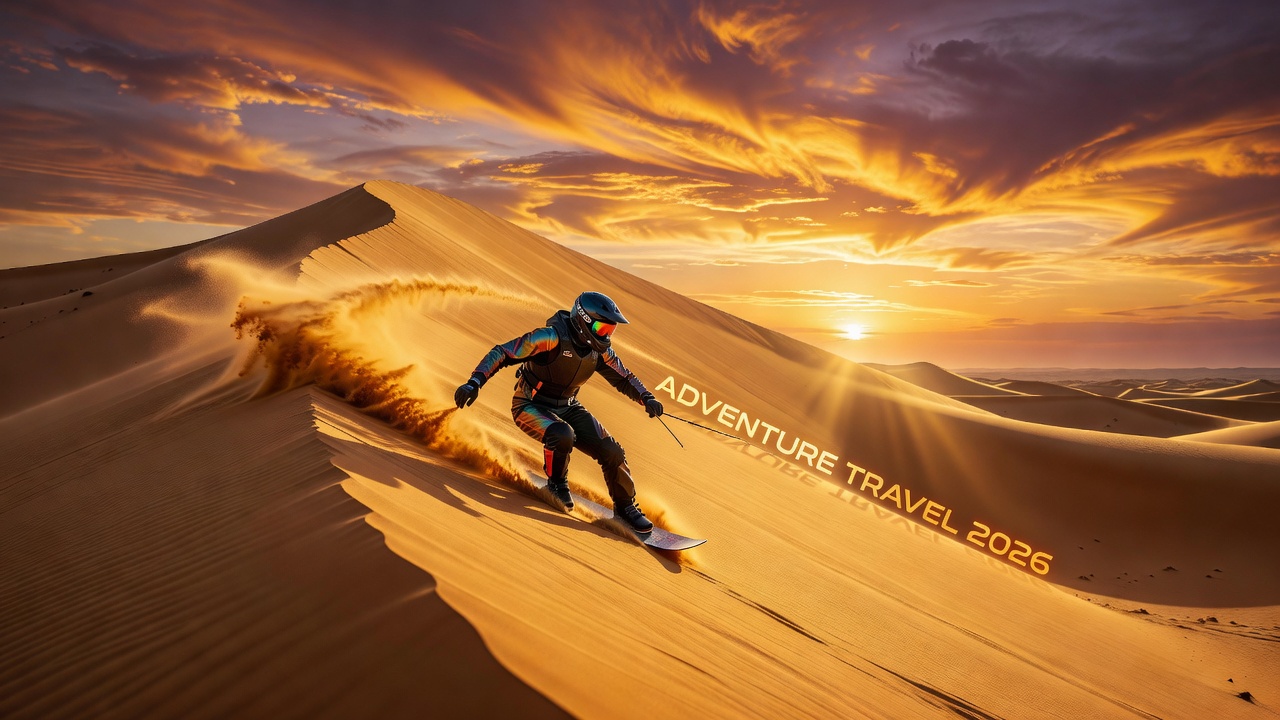
Introduction to Sandboarding in Adventure Travel
Desert dune thrills represent a growing segment of adventure travel that appeals to those seeking extreme sports in unique environments. Sandboarding combines elements of balance, speed, and natural beauty on shifting sands rather than snow or water. For 2026, this activity fits into broader trends of outdoor adventures that emphasize remote arid regions over traditional mountain or coastal destinations. Enthusiasts appreciate the consistent conditions and the opportunity to explore vast landscapes while engaging in physical challenges that test endurance and skill.
The appeal lies in its accessibility for various experience levels and its connection to cultural experiences in desert communities. This comprehensive guide examines sandboarding within the context of thrill travel, providing practical insights for participants planning trips in the coming year.
Why Sandboarding Stands Out in 2026 Thrill Travel
Sandboarding distinguishes itself from other extreme sports through its year-round availability in stable desert climates. Unlike seasonal activities, dunes remain accessible regardless of weather patterns elsewhere. Adventure travel reports for 2026 indicate rising interest in arid extreme sports as travelers seek novel outdoor adventures that minimize environmental disruption compared to high-impact mountain sports. The sensory experience of warm sand underfoot and panoramic dune vistas adds a distinctive dimension that resonates with thrill seekers looking for fresh challenges.
Top Global Desert Locations for Sandboarding
The Sahara Desert in Morocco offers expansive dunes reaching heights over 150 meters, ideal for intermediate to advanced sandboarders. Visitors often combine sessions with camel treks and Berber cultural encounters. Namibia's Namib Desert provides some of the world's tallest dunes, with guided experiences that highlight the region's unique biodiversity. Access typically involves flights to Windhoek followed by overland transfers.
In the United States, the Imperial Sand Dunes in California serve as an entry point for beginners due to proximity to major cities and established rental facilities. Australia's Great Victoria Desert attracts experienced thrill travel participants with its remote, untouched slopes and opportunities for multi-day expeditions. Additional noteworthy sites include the Atacama Desert in Chile for high-altitude runs and the Gobi Desert in Mongolia for cultural immersion alongside boarding. Each destination requires careful planning around permits and local regulations to ensure sustainable practices.
Step-by-Step Beginner Techniques for Sandboarding
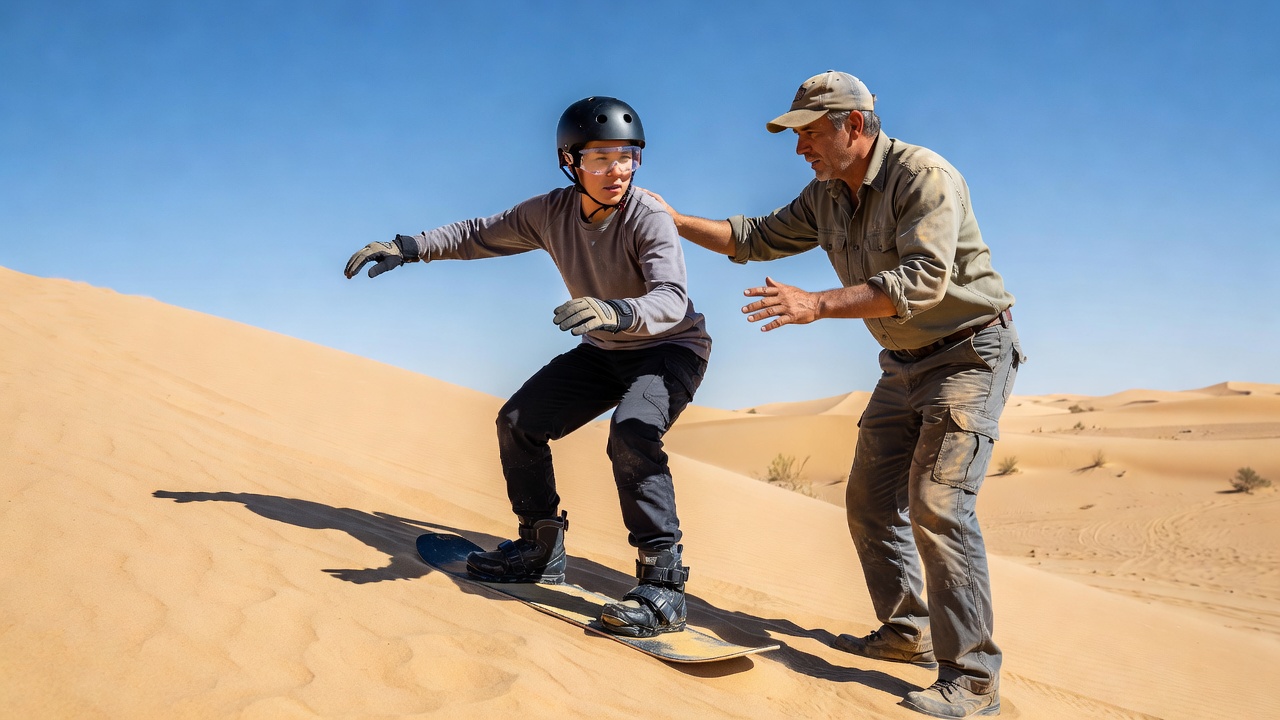
Mastering sandboarding begins with proper equipment fitting and stance. Position feet shoulder-width apart on the board, knees slightly bent, and weight centered. Lean forward gently to initiate movement down the slope while keeping eyes focused ahead. To execute basic turns, shift weight to the heels for heelside turns or toes for toeside turns, practicing on gentle inclines first.
Progress to carving by maintaining momentum through linked turns rather than stopping abruptly. Common mistakes include leaning back too far, which causes falls, or neglecting to wax the board base regularly for better glide. Warm-up routines should include dynamic stretches targeting legs and core. Many operators provide on-site instruction that accelerates learning for those new to extreme sports. Once comfortable with straight runs, incorporate small jumps to build confidence before attempting steeper dunes.
Essential Gear for Desert Extreme Sports
A quality sandboard features a smooth, waxed base and adjustable bindings suited to sand conditions. Footwear should include closed-toe boots with good traction for climbing dunes. Clothing choices favor moisture-wicking fabrics in light colors to reflect heat, paired with long sleeves for sun protection. Essential accessories encompass polarized goggles to shield against sand particles, a wide-brimmed hat, and a hydration system with at least two liters capacity.
Protective items like helmets and wrist guards reduce injury risk during falls. Many adventure travel companies supply boards and basic safety equipment, allowing participants to focus on the experience. Additional items such as sand socks prevent blisters and a small repair kit handles minor board damage in remote areas.
Environmental Safety Protocols in Extreme Heat
Operating in desert environments demands rigorous attention to heat management. Begin activities during cooler periods such as dawn or dusk and limit exposure during peak midday temperatures. Stay hydrated by drinking water at regular intervals even without thirst signals. Recognize early symptoms of heat exhaustion including dizziness and nausea, and retreat to shaded areas immediately if they appear.
World Health Organization resources emphasize gradual acclimatization over several days for visitors from cooler climates. Centers for Disease Control and Prevention travel health guidelines recommend monitoring for dehydration and carrying electrolyte supplements. Dune preservation involves staying on designated paths, avoiding vegetation, and removing all waste to protect fragile ecosystems. Local operators enforce these measures to support long-term viability of thrill travel sites.
Comparisons to Other Extreme Sports
Sandboarding shares core mechanics with snowboarding but adapts to a granular surface that provides different resistance and requires adjusted edging techniques. It contrasts with surfing by offering solid footing without waves or currents. Compared to mountain biking or rock climbing, sandboarding emphasizes descent speed over sustained effort, yet builds similar balance and coordination skills. Thrill travel participants often transition between these activities, using sandboarding as an off-season alternative that extends adventure opportunities year-round.
Real-World Traveler Examples
A solo traveler from Germany completed a week-long sandboarding itinerary across Moroccan dunes, noting improved confidence after guided progression sessions. A group of friends from Brazil highlighted the family-friendly aspects at California dunes, where varied slope difficulties accommodated mixed skill levels. Another account from a Japanese adventurer described multi-day treks in Namibia, combining sandboarding with stargazing for a holistic outdoor adventure experience that aligned with 2026 sustainability trends.
FAQ on Preparation Challenges
- How do I prepare physically? Incorporate strength training for legs and core alongside cardiovascular exercises to manage dune ascents and descents.
- What if I'm a complete beginner? Select guided packages that supply equipment and progressive instruction tailored to first-time participants.
- Are there age restrictions? Most reputable operators accept teens with adult supervision and assess fitness levels individually.
- How to handle travel logistics? Verify entry requirements, arrange transport to remote sites, and confirm eco-certified tour providers ahead of time.
- What about medical considerations? Consult a physician regarding heat tolerance and carry necessary medications in sealed containers.
- How does weather affect sessions? Monitor forecasts for wind or sandstorms that may delay activities and require flexible itineraries.
Sustainability and Responsible Participation
Engaging in desert extreme sports responsibly means selecting operators committed to low-impact practices. Support initiatives that fund dune restoration and limit group sizes to reduce erosion. World Wildlife Fund principles encourage awareness of local wildlife habitats during excursions. By prioritizing these approaches, thrill travel enthusiasts contribute positively to the destinations they visit.
Conclusion
Sandboarding enhances adventure travel by merging physical excitement with exploration of dramatic desert landscapes. Through detailed preparation in techniques, gear selection, and safety awareness, participants can pursue these outdoor adventures confidently in 2026. The activity offers a compelling alternative within extreme sports that rewards respect for natural environments and thoughtful planning.
No comments yet. Be the first!