 PlaceBee
Why Mountain Lakes Offer the Perfect Serene Escape in 2026
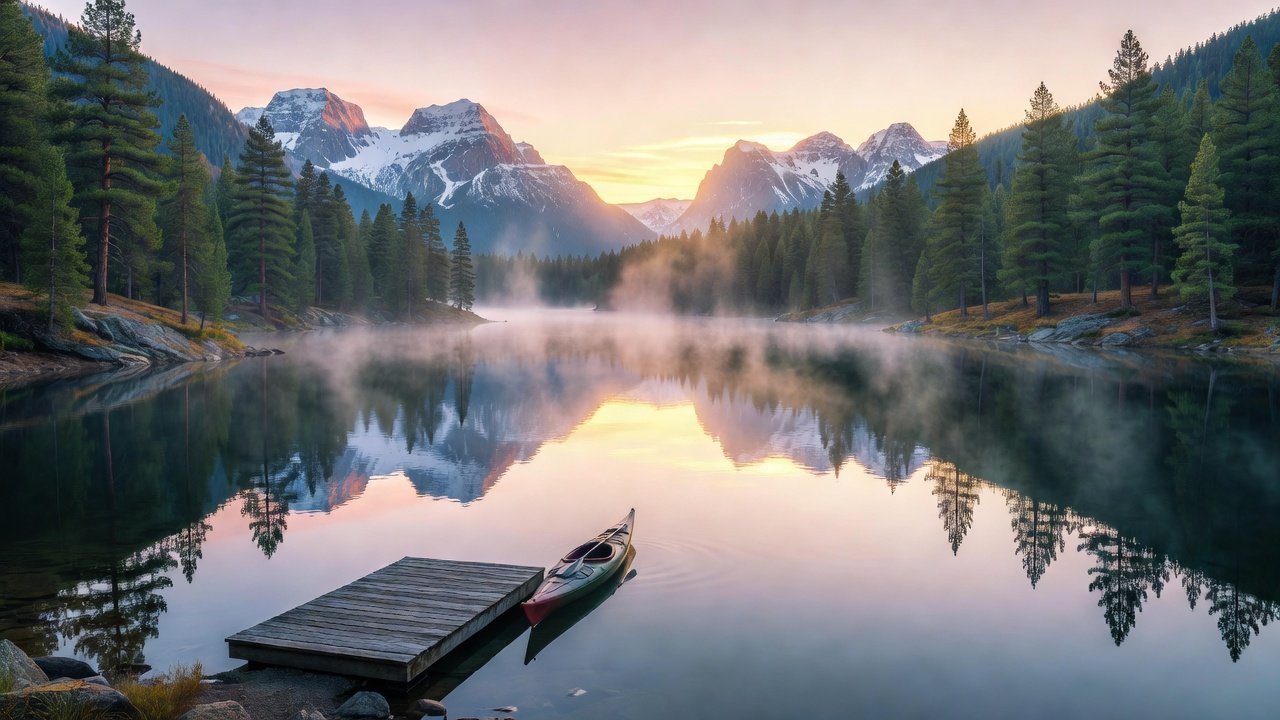
Short 48-72 hour getaways to mountain lakes provide unmatched tranquility for urban dwellers seeking nature immersion without long commitments. These destinations emphasize low-key relaxation over adventure thrills, allowing visitors to recharge amid reflective waters and forested peaks. From major US cities like Seattle, Denver, or New York, many spots are reachable by car or short flight, making them ideal for weekend resets. The appeal lies in the combination of still waters that mirror surrounding mountains and the absence of crowds during off-peak times, creating an environment perfect for mindfulness and disconnection from daily stressors.
Unlike crowded river cruises or bustling city breaks, mountain lake trips focus on quiet paddling and gentle hikes. They deliver mental health benefits through solitude and fresh air, with variable weather adding to the serene, unpredictable charm of high-altitude settings. Research from sources like the National Park Service highlights how even brief exposure to such landscapes can reduce cortisol levels and improve overall well-being, making these escapes particularly valuable in 2026 when remote work fatigue remains common.
Top Hidden Gem Mountain Lakes in the US and Canada
Several lesser-known lakes stand out for their accessibility and peaceful vibes. In the US, Lake Crescent in Washington’s Olympic National Park offers crystal-clear waters surrounded by old-growth forests, just a 2-hour drive from Seattle. Further east, Lake McDonald in Glacier National Park provides stunning views with short drives from Kalispell. In Canada, Lake O’Hara in Yoho National Park delivers alpine serenity via shuttle access from Calgary, while Moraine Lake near Banff attracts fewer crowds on weekdays. Another strong option is Lake Quinault on Washington’s Olympic Peninsula, reachable within three hours from Seattle and known for its temperate rainforest setting that enhances the sense of seclusion.
These gems prioritize drive or short-flight access: many are within 3-5 hours of airports like SEA, DEN, or YYC. Focus on shoulder seasons to maintain the low-key atmosphere. For travelers from the East Coast, consider lakes near Denver such as those in Rocky Mountain National Park for flights under three hours. Each location offers unique geological features, from glacial origins to volcanic influences, providing educational yet relaxing experiences through self-guided exploration.
Sample 2-Day Itineraries for Quick Escapes
A typical 48-hour trip starts with an early arrival and ends with a relaxed departure. Day 1: Settle in, rent a kayak for a calm 2-hour paddle on the lake, followed by a lakeside picnic and sunset viewing. Evening includes stargazing with minimal light pollution. For a 72-hour extension from Denver, add a second night with a guided nature walk at dawn.
Day 2: Morning hike on a moderate trail like the 3-mile loop around the lake, then optional fishing or simply reading by the shore before heading home. Adjust for drive times to fit 72-hour extensions with an extra night. Example from Seattle to Lake Crescent: Depart Friday morning, arrive by lunch, spend afternoon on water, return Sunday evening. Similar patterns work for Canadian destinations with passport considerations handled in advance.
Kayaking Routes and Hiking Options
Kayaking on mountain lakes is gentle due to calm waters. Routes often span 4-6 miles round-trip along shorelines with wildlife spotting opportunities. Bring your own or rent locally for under-budget trips. Specific routes at Lake Crescent include the eastern shoreline path past Storm King Mountain, offering views of waterfalls and minimal boat traffic.
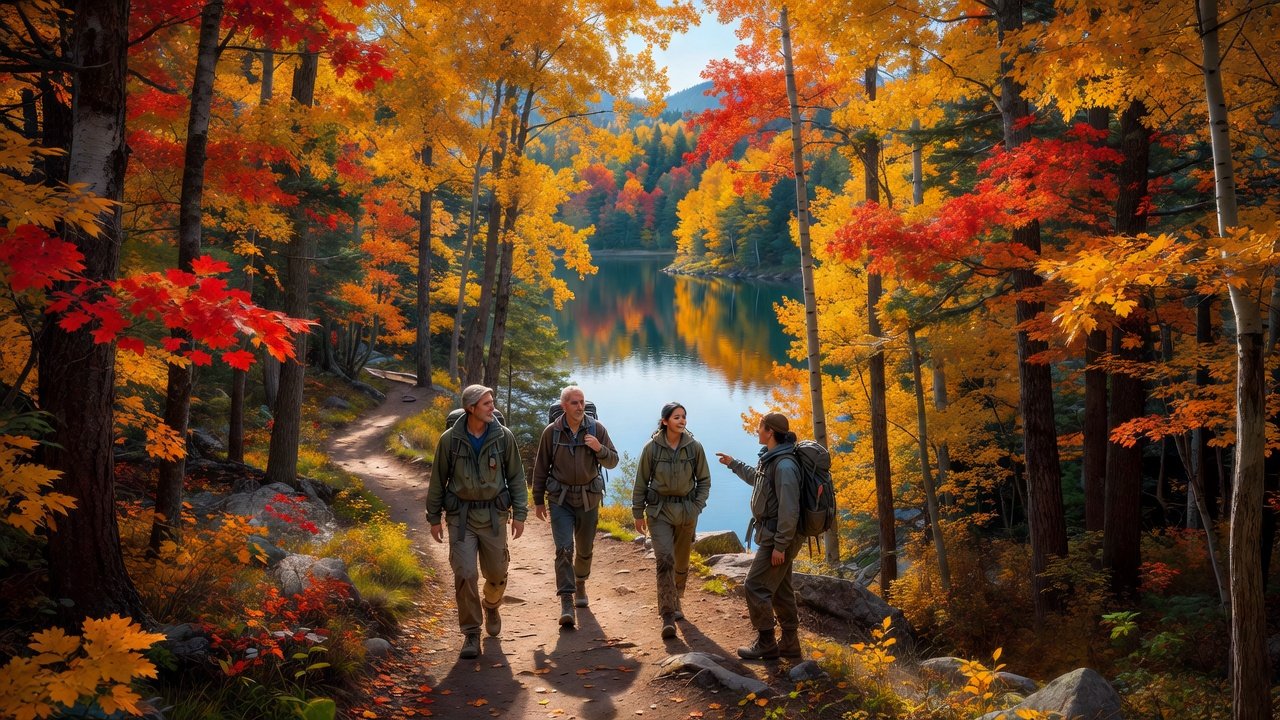
Hiking pairs well: choose easy paths like 2-4 mile lakeside trails with elevation under 500 feet for recovery focus. Trails in national parks offer interpretive signs for nature education without exertion. At Lake McDonald, the 2.5-mile trail to Johns Lake provides wildflower meadows in summer and fall color displays. Always check trail conditions through official park resources to ensure safety and serenity.
Recovery Tips for Nature Immersion
After arrival, prioritize slow transitions: begin with 30 minutes of quiet sitting by the water to acclimate. Incorporate breathing exercises during paddling sessions and limit screen time to enhance the restorative effects. Post-hike, use cold lake water for gentle foot soaks if temperatures allow, aiding muscle recovery. These steps help maximize the mental reset within the short timeframe.
Budget Breakdowns and Money-Saving Tips
Plan for total costs under $700 per person for lodging, meals, transport, and activities. Prioritize car camping or budget cabins near lakes, pack lunches, and use free park entry days. Book midweek for lower rates on rentals. Divide expenses into categories such as transportation (gas or flight under $200), lodging ($150-250 for two nights), food ($100), and activities ($50) to stay within limits while enjoying quality experiences.
Packing Checklists for Variable Weather
- Layered clothing: base layers, fleece, waterproof jacket for sudden temperature drops
- Footwear: sturdy hiking boots and water shoes for wet launches
- Essentials: reusable water bottle, sunscreen, headlamp, first-aid kit, and multi-tool
- Weather extras: quick-dry towel, hat for sun or wind, and lightweight gloves
- Additional items: binoculars for wildlife, journal for reflection, and reusable bags for leave-no-trace practices
Always check forecasts, as mountain conditions shift quickly. Test gear before departure to avoid discomfort during the short trip.
Comparisons to River Cruises or Urban Getaways
Mountain lake escapes contrast with river cruises by offering static serenity rather than movement, and with urban trips by replacing noise with natural sounds. They cost less in activities and provide deeper restoration. River cruises often involve schedules and groups, while lakes allow flexible pacing. Urban getaways provide convenience but lack the immersive quiet that supports true recovery, making lakes superior for those prioritizing mental clarity over entertainment.
FAQs on Best Seasons, Pet Policies, and Booking Hacks
Best seasons: Late spring through early fall for accessible roads and mild temps; avoid winter unless equipped for snow. Shoulder months like May and September offer fewer visitors and vibrant scenery.
Pet policies: Many lakes in national parks allow leashed dogs on trails—confirm via official sites like National Park Service. Some Canadian parks have stricter rules requiring permits.
Booking hacks: Reserve 4-6 weeks ahead, use flexible dates, and check Parks Canada for shuttle deals. Consider Recreation.gov for US campsite reservations to secure spots early.
Additional questions: Is solo travel safe? Yes, with basic precautions like sharing itineraries. Can families join? Many locations welcome children on easy trails with supervision.
Conclusion: Planning Your 2026 Mountain Lake Retreat
These serene escapes deliver restorative weekends with nature at the core. Start planning now for memorable, low-stress trips that fit busy schedules and budgets. By selecting the right lake and preparing thoughtfully, travelers can enjoy repeated short getaways throughout the year for sustained well-being.
No comments yet. Be the first!