 PlaceBee
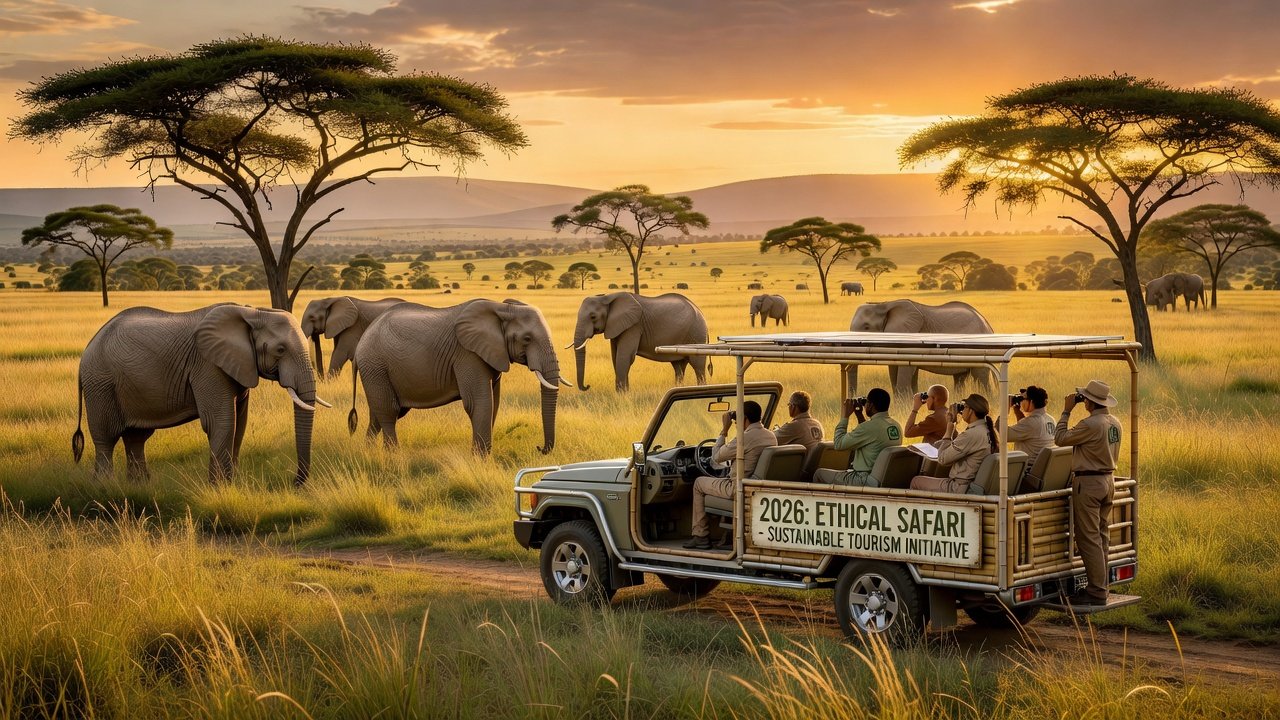
Introduction to Ethical Wildlife Adventures in 2026
Planning an ethical wildlife adventure in 2026 demands thorough preparation using the latest country guides. These resources empower conscious travelers to design trips that prioritize conservation, respect local regulations, and deliver authentic encounters without harming ecosystems. Ethical wildlife tourism has evolved to focus on long-term sustainability, ensuring that visits support habitat protection and community livelihoods rather than exploitation. This comprehensive guide explains how to leverage country-specific information for transformative experiences across Africa and South America while avoiding common pitfalls associated with mass tourism.
Travelers increasingly seek meaningful connections with nature that align with global conservation efforts. By consulting updated guides, you can identify destinations where tourism revenue directly funds anti-poaching initiatives and habitat restoration projects. The emphasis remains on observation from a distance, minimal disturbance, and verifiable positive impacts on wildlife populations.
Key Conservation Criteria and Local Regulations
Effective country guides outline essential conservation criteria such as protected area management plans, species population monitoring, and enforcement mechanisms against illegal activities. Regulations often mandate licensed guides, restricted access zones, and limits on group sizes to prevent overcrowding. For instance, many regions require adherence to IUCN Red List assessments when planning sightings of vulnerable species.
Local laws frequently include seasonal restrictions, buffer zones around nesting sites, and prohibitions on flash photography or drone use near animals. Always verify permit requirements through official channels well in advance. Cross-reference information with authoritative bodies including IUCN for species status updates and CITES for international protections on traded wildlife products. Additional guidance from WWF helps travelers understand on-the-ground conservation partnerships.
Comparing Top Destinations: Africa vs South America
Africa excels in large-mammal viewing opportunities within countries such as Kenya, Tanzania, Botswana, and South Africa, where guides detail community conservancies that integrate tourism with anti-poaching patrols. South America provides unparalleled biodiversity in nations including Ecuador, Peru, Costa Rica, and Brazil, with emphasis on canopy walks, river safaris, and primate observation in protected rainforests. Both continents require careful evaluation of infrastructure, enforcement quality, and revenue distribution models.
African experiences typically involve open-vehicle game drives with strict no-off-road policies, while South American adventures often feature multi-day hikes or motorized canoe trips. Destination choice depends on traveler interests in savanna ecosystems versus tropical forests, combined with personal fitness levels and time availability for travel logistics.
Checklist for Verifying Tour Operators
Selecting the right operator forms the cornerstone of ethical travel. Use this expanded checklist when evaluating options through country guides:
- Confirm active membership in recognized responsible tourism networks with annual audits
- Verify that all guides hold local certifications and receive fair wages with ongoing training
- Ensure the operator maintains a strict policy against any captive wildlife interactions or feeding
- Review detailed reports on how trip fees contribute to conservation projects and local employment
- Examine transparency regarding waste management, water usage, and renewable energy adoption at lodges
- Assess recent independent reviews and third-party certifications for compliance with sustainability standards
- Confirm small group sizes and vehicle limits to reduce wildlife stress
Operators failing any of these criteria should be avoided in favor of those demonstrating measurable positive outcomes.
Real-World Examples from Africa and South America
Kenya's Northern Rangelands Trust showcases successful models where tourism partnerships fund ranger teams protecting elephants and rhinos across vast conservancies. Visitors participate in educational walks led by local Samburu guides, gaining insights into cultural coexistence with wildlife while contributing directly to habitat security.
In Botswana's Okavango Delta, low-impact mobile camps emphasize walking safaris that avoid vehicle congestion. These operations allocate portions of revenue to anti-poaching units and community education programs, resulting in stable wildlife populations over multiple seasons.
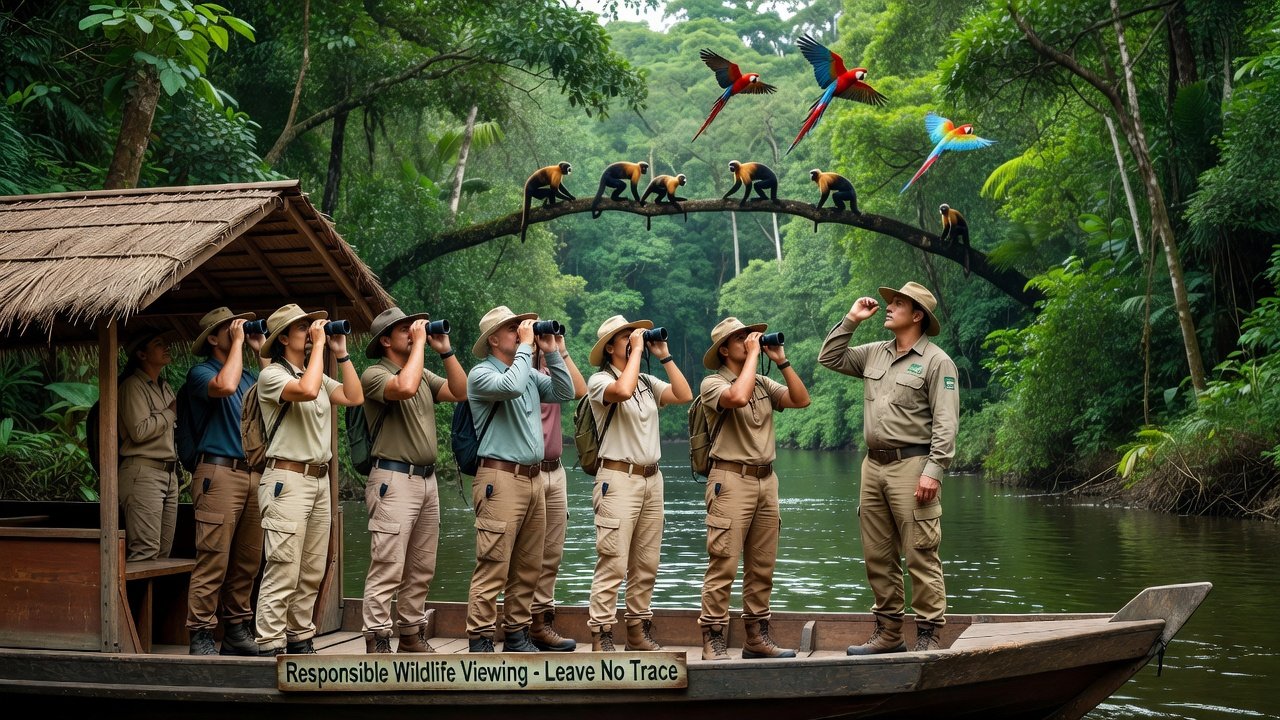
South America's Manu National Park in Peru offers river-based tours through indigenous-managed territories. Travelers observe macaws and giant otters from covered boats without disembarking in sensitive zones, supporting reforestation efforts funded by tourism levies.
Ecuador's Galapagos Islands demonstrate strict regulatory frameworks where licensed operators follow biosecurity protocols to prevent invasive species introduction. Educational briefings before each landing reinforce responsible behavior among visitors.
Seasonal Timing Tips for Optimal Ethical Travel
Strategic timing reduces environmental pressure and improves wildlife viewing quality. In East Africa, the June to October dry season concentrates animals near water sources, but shoulder periods in April-May and November offer fewer crowds and lower rates of habitat disturbance. Southern African winter months from May to August provide excellent visibility with mild temperatures.
South American dry seasons vary by region; the Amazon experiences lower water levels from June to November, facilitating access while minimizing boat traffic impacts. Costa Rica's December to April period delivers reliable weather for bird migrations without overwhelming popular trails. Always consult 2026 country guides for precise migration calendars and park capacity limits to select windows that balance animal activity with conservation needs.
Packing Essentials for Sustainable Adventures
Thoughtful packing supports ethical practices and personal comfort. Include reusable stainless steel water bottles with filters, quick-dry neutral clothing for minimal visibility, and high-quality binoculars or telephoto lenses to maintain respectful distances. Add biodegradable insect repellent, reef-safe sunscreen, and a compact first-aid kit with medications approved for the destination.
Essential items also encompass lightweight rain gear, headlamps with red filters for night walks, and durable notebooks for recording observations without digital distractions. Leave behind single-use plastics, bright colors, and any products containing palm oil derivatives that contribute to deforestation. Many operators now provide detailed packing lists tailored to local ecosystems through their country guide integrations.
Cross-Referencing with City Guides for Transit Hubs
Wildlife destinations frequently connect through major transit cities. Nairobi serves as a primary gateway for East African safaris, where city guides recommend eco-certified hotels near the airport and sustainable shuttle services to national parks. Quito functions similarly for Andean and Amazonian adventures, offering guidance on low-emission transfers and responsible dining options that source from local farms.
Combining country wildlife guides with city resources ensures seamless journeys that minimize carbon emissions during transfers and support urban businesses aligned with conservation values. This holistic approach strengthens overall trip sustainability.
Mistakes to Avoid in Ethical Wildlife Planning
Common errors include booking operators based solely on price or online photos without verifying credentials. Another frequent issue involves ignoring seasonal closures or attempting self-guided visits in restricted zones. Travelers should also steer clear of experiences promising close encounters or guaranteed photography sessions, as these often involve habituation or baiting practices that harm animals long-term.
Overlooking permit timelines or failing to research community benefit structures can inadvertently support exploitative models. Always prioritize transparency and documented conservation outcomes over convenience.
FAQ on Permits and Carbon Offsets
What permits are typically needed for wildlife viewing?
Entry permits, vehicle access fees, and sometimes specialized photography or research permits are standard. Country guides provide step-by-step application processes, required documentation, and processing times to prevent delays.
How should travelers approach carbon offsets?
Select verified offset programs that fund verified projects such as reforestation or clean cookstoves. Align choices with standards promoted by UNEP for credible, additional impact beyond basic travel reductions.
Are there age or health restrictions for certain destinations?
Many remote areas recommend moderate fitness levels due to terrain and climate. Country guides list medical requirements and age guidelines for specific activities.
Conclusion
Mastering 2026 country guides enables travelers to craft ethical wildlife adventures that genuinely advance conservation while delivering unforgettable experiences. Through detailed comparisons, rigorous operator verification, strategic timing, and mindful packing, individuals can contribute meaningfully to wildlife protection in Africa and South America. By integrating city transit planning and addressing common mistakes, every journey becomes an opportunity for positive impact. Begin with authoritative resources to ensure your next adventure aligns with the highest standards of sustainability and respect for nature.

No comments yet. Be the first!