 PlaceBee
Introduction to Group Thrill Travel
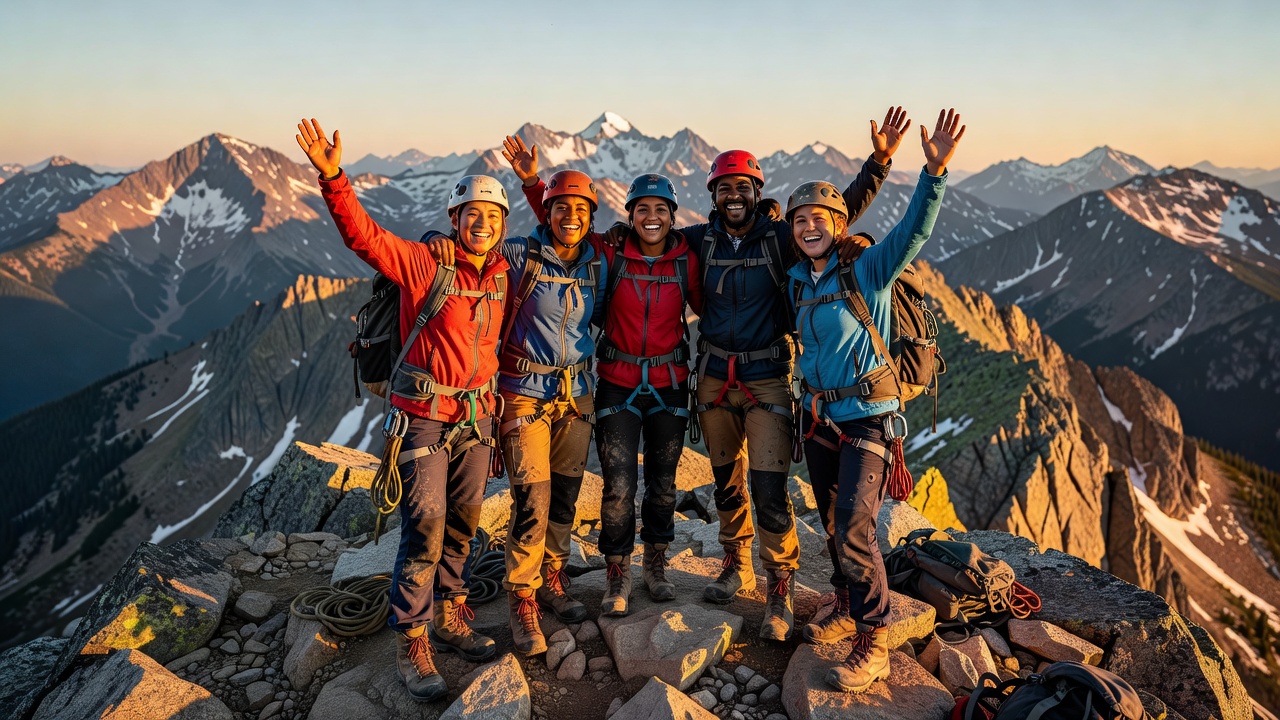
Group thrill travel combines the excitement of extreme sports with the camaraderie of friends, creating shared adventures that build lasting memories. In 2026, more teams are seeking social outdoor experiences that blend hiking, climbing, and other high-adrenaline activities while emphasizing safety and inclusivity. This guide covers everything needed to organize successful expeditions, from selecting compatible challenges to handling logistics under pressure. The appeal lies in pushing personal limits together, fostering teamwork, and returning with stories that strengthen friendships for years to come.
Whether you are a seasoned organizer or planning your first group trip, focusing on risk management ensures everyone returns home safely. Real-world examples from recent expeditions highlight how proper preparation turns potential chaos into seamless fun. By addressing varying fitness levels, coordinating equipment, and building in flexibility, groups can maximize enjoyment without unnecessary hazards. This comprehensive approach helps avoid common pitfalls that derail many group outings.
Selecting Compatible Extreme Sports Activities
Choosing activities that suit varying skill levels is essential. Popular combinations include multi-day hiking paired with rock climbing or mountain biking followed by whitewater rafting. These options allow beginners to participate alongside experts through guided segments and progressive challenges. For instance, a group might start with moderate trails to build endurance before tackling technical ascents, ensuring no one feels left behind.
Consider group size when mixing sports. Smaller teams of 4-6 excel at technical climbs, while larger groups thrive on trail-based hikes. Always assess physical fitness beforehand to avoid mismatches that could lead to frustration or injury. Additional options like canyoneering or via ferrata routes add variety, but require specialized gear and permits. Evaluate weather dependencies and backup indoor alternatives if conditions shift unexpectedly.
Choosing Ideal Destinations for Teams
Top 2026 destinations balance accessibility with thrill. National parks offer established routes and emergency support. Look for locations with diverse terrain, such as areas combining granite cliffs and forested trails. Research seasonal weather patterns and permit requirements early to secure spots. Popular choices include the Sierra Nevada range for its mix of hiking and climbing opportunities or the Pacific Northwest for its volcanic landscapes and river activities.
International options like parts of the Andes or European Alps provide epic backdrops but require extra attention to travel regulations. Check official travel resources for the latest advisories before booking. Domestic alternatives such as national forests provide similar excitement with fewer logistical hurdles. Compare accessibility via airports, road conditions, and local support services when narrowing options.
Budgeting Tips for Group Adventures
Effective budgeting starts with shared costs like transportation, lodging, and guides. Allocate funds for equipment rentals and insurance that covers group activities. Splitting expenses evenly through apps keeps things transparent and prevents disputes. Focus on value over luxury by choosing mid-range accommodations near trailheads. This approach maximizes time outdoors while controlling overall spend. Factor in contingency funds for weather delays or unexpected gear needs. Consider group discounts for rentals and shuttles to stretch resources further without compromising quality.
Coordinating Logistics and Safety Protocols
Logistics form the backbone of any successful trip. Create detailed itineraries that include daily schedules, emergency contacts, and evacuation plans. Hire certified guides for high-risk elements and ensure all participants carry personal first-aid kits. Develop a shared communication plan using satellite devices in remote areas where cell service fails. Schedule regular rest days to prevent burnout and allow for spontaneous adjustments.
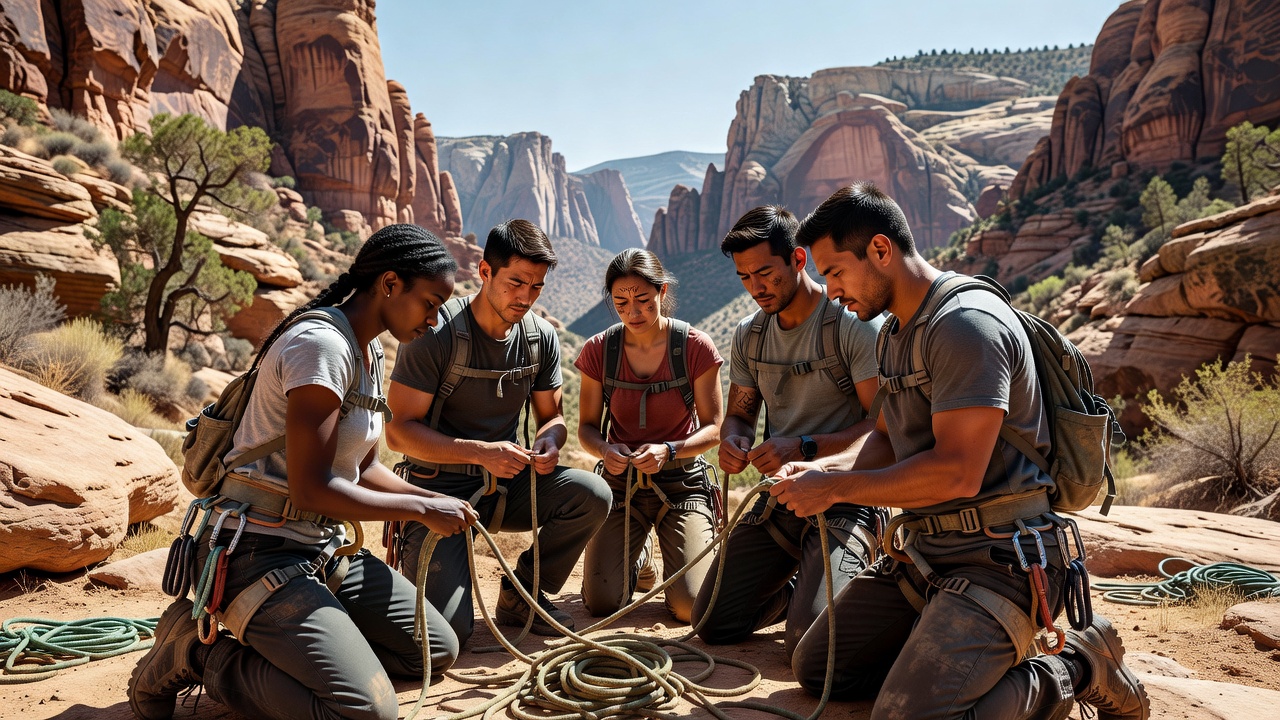
Safety briefings should cover weather monitoring, communication devices, and buddy systems. Review health and travel guidelines from trusted health authorities to prepare for altitude or environmental risks. Establish clear rules for hydration, nutrition, and pace setting. Conduct gear checks the night before each activity to catch issues early.
Managing Group Dynamics Under Pressure
High-adrenaline conditions can amplify personalities. Establish clear leadership roles and decision-making processes before departure. Regular check-ins help address fatigue or conflicts early. Encourage inclusive communication so quieter members feel heard. Assign rotating responsibilities such as meal prep or navigation to distribute workload evenly. Post-adventure debriefs strengthen bonds and provide lessons for future trips. Address potential issues like differing risk tolerances by setting group agreements in advance.
Incorporating Pre-Trip Training Sessions
Training builds confidence and reduces injury risk. Organize weekend skill workshops covering climbing techniques, navigation, and endurance building. Virtual sessions can supplement in-person practice for remote teams. Simulate trip conditions during training to identify gaps. Include team-building exercises that mirror on-trail decision making. This preparation ensures the group performs cohesively when adrenaline rises. Track progress with measurable benchmarks like completing a certain elevation gain or mastering basic knots.
Real-World Examples of 2026 Expeditions
One successful 2026 group expedition combined Yosemite hiking with multi-pitch climbs. The team of eight used phased training and professional guides, resulting in zero incidents and strengthened friendships. Another example involved a cycling and rafting trip in the Rockies, where flexible pacing accommodated all abilities. A third case saw a mixed-experience group tackle coastal kayaking and cliff jumping in the Pacific Northwest, using detailed checklists to manage tides and group energy levels effectively. These cases demonstrate that thorough planning leads to repeatable success across different group compositions.
Step-by-Step Planning Checklist
- Define group goals and skill assessments three months out.
- Research and book destinations with permits secured.
- Develop a shared budget and assign roles.
- Schedule training sessions and safety briefings.
- Finalize insurance, gear lists, and emergency protocols.
- Conduct final reviews one week before departure.
- Prepare contingency plans for weather or health issues.
Mistakes to Avoid in Group Thrill Travel
Common errors include underestimating preparation time, ignoring individual fitness differences, and skipping insurance reviews. Overpacking shared gear can slow the group, while neglecting environmental impact harms future access. Always verify guide certifications and avoid last-minute changes to itineraries without full consensus.
FAQ: Common Concerns in Group Thrill Travel
How do we handle varying skill levels?
Pair experienced members with novices and use guides for technical sections. Offer optional easier alternatives on multi-activity days. Create subgroups for parallel activities when needed.
What insurance is recommended?
Choose policies covering adventure sports and medical evacuation. Verify coverage details with providers well in advance. Review exclusions for high-risk sports carefully.
How can we minimize environmental impact?
Follow Leave No Trace principles, use established trails, and select eco-certified operators where possible. Pack out all waste and respect wildlife habitats.
What if someone wants to back out mid-trip?
Build flexibility into the schedule and have non-participation options ready. Support the decision without pressure to maintain group harmony.
Conclusion
Group thrill travel in 2026 offers unparalleled opportunities for connection through extreme sports. By prioritizing safety, inclusive planning, and thorough preparation, organizers create experiences that resonate long after the trip ends. Start early, communicate openly, and focus on shared enjoyment to maximize every moment. With the right framework, these adventures become highlights that groups revisit in stories and plan to repeat annually.

No comments yet. Be the first!