 PlaceBee

Introduction to Pet-Friendly Extreme Sports
Adventure travel has evolved significantly by 2026, becoming far more inclusive for pet owners who want to share thrilling experiences with their dogs or cats. Pet-friendly extreme sports now allow enthusiasts to combine high-adrenaline activities like hiking, kayaking, and trail running with responsible animal companionship. This trend reflects growing demand for practical, inclusive thrill travel that does not require leaving pets at home. Success depends on matching activities to your pet’s breed, age, fitness level, and temperament while strictly following safety protocols and local regulations.
Modern adventurers recognize that pets can enhance the journey when properly prepared. From rugged mountain trails to serene river passages, the focus remains on mutual well-being. This comprehensive guide explores every aspect of planning such trips, offering concrete advice drawn from real-world practices that help travelers avoid common pitfalls and maximize enjoyment.
Selecting Suitable Pet-Compatible Activities
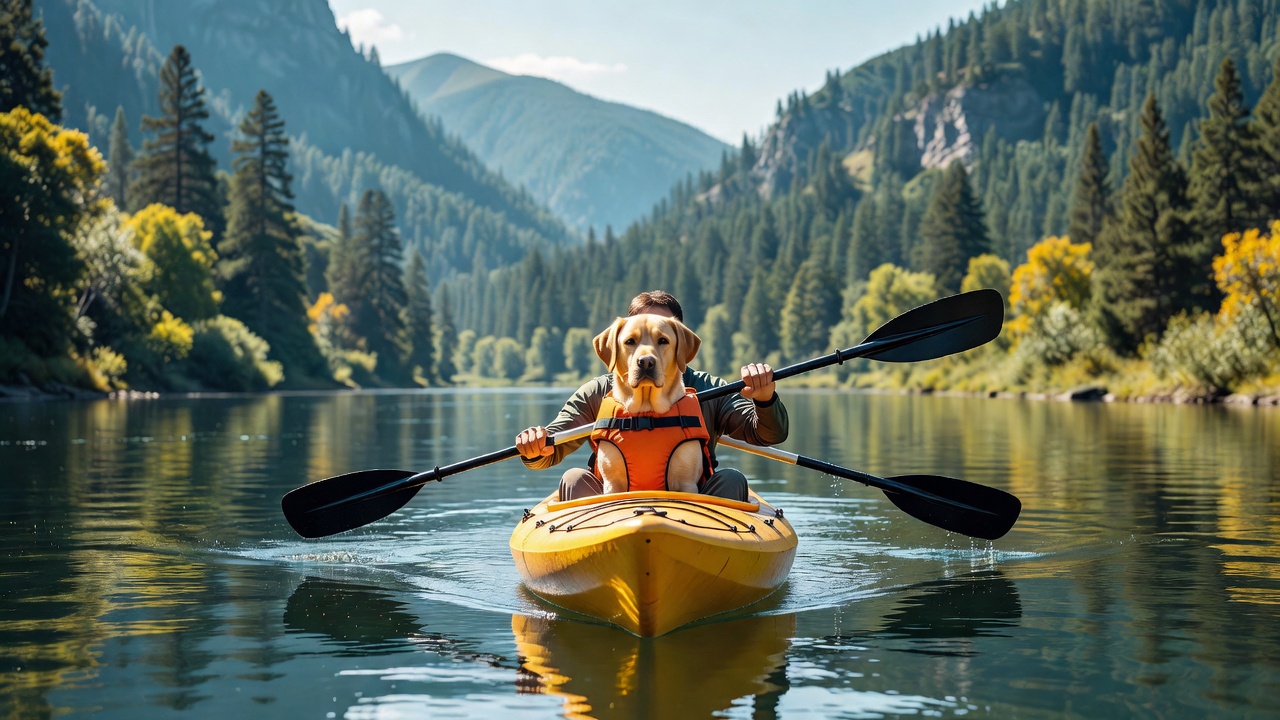
Choosing the right activity forms the foundation of any successful pet-inclusive adventure. Hiking remains the most accessible option because many trails accommodate leashed dogs and provide varied terrain that builds endurance for both parties. Look for routes with moderate elevation gains and reliable water sources. Kayaking offers another strong choice when using stable sit-on-top vessels equipped with non-slip surfaces. Pets must wear properly fitted life vests and demonstrate calm behavior around water before attempting longer paddles.
Additional options include controlled trail running on wide paths and introductory snowshoeing in winter conditions where paw traction devices prevent slips. Avoid high-risk pursuits such as technical rock climbing or whitewater rafting unless both you and your pet have extensive prior training. Always verify park-specific rules in advance, as many protected areas limit pets to certain zones to safeguard wildlife habitats.
Essential Gear and Step-by-Step Training
Proper equipment dramatically improves safety and comfort. Begin with a padded, adjustable harness that evenly distributes pressure during long exertion. Add paw-protection boots for rocky or hot surfaces, a reflective collar with identification tags, and a lightweight backpack that carries your pet’s supplies. Portable water bowls, waste bags, and a compact first-aid kit complete the essentials. Training should begin at least three months before any major trip.
Follow this structured progression: First, establish basic obedience through daily sessions emphasizing recall and stay commands in distracting outdoor settings. Second, introduce gear gradually during short neighborhood walks so your pet associates equipment with positive reinforcement. Third, simulate adventure conditions by practicing on varied surfaces and exposing your animal to wind, water sounds, and elevation changes. Professional trainers or group classes can accelerate results for anxious pets. Consistent short sessions outperform infrequent long ones and help build confidence without overwhelming the animal.
Safety Comparisons Across Different Sports
Each sport carries distinct risk profiles that demand tailored precautions. Hiking presents the lowest overall risk when participants monitor weather forecasts and stick to maintained trails. Primary concerns include dehydration and paw injuries, which are mitigated by frequent breaks and protective footwear. Kayaking introduces water immersion hazards requiring quick-release harnesses and constant visual contact. Mountain biking demands precise speed control to prevent sudden stops that could injure a following pet, while snowshoeing adds cold-weather considerations such as hypothermia prevention.
Universal safety measures include carrying species-specific first-aid supplies, knowing nearest veterinary locations, and maintaining two-way communication devices. Pre-trip veterinary examinations help detect hidden conditions that could worsen under physical stress. Never push pets beyond visible fatigue signals such as lagging behind or excessive panting.
Real-World Examples from Popular Destinations
Numerous locations worldwide now support pet-friendly adventures. In the United States, many trails within the national park system welcome leashed dogs on designated routes, creating opportunities for multi-day hikes with scenic vistas. Coastal areas in California and Oregon feature calm bays ideal for introductory kayaking sessions where pets can acclimate gradually to water movement. Canadian provincial parks and select European regions offer comparable policies supported by pet-friendly lodging and transport options.
Travelers frequently share success stories involving rescue dogs completing challenging routes after structured conditioning programs. These examples demonstrate that thorough preparation transforms potential barriers into rewarding shared achievements. Checking current trail conditions through official park websites before departure ensures compliance with seasonal restrictions.
Addressing Regulations and Health Preparation
Regulations differ by jurisdiction and often require current vaccinations, microchipping, and health certificates. Health preparation checklists should cover parasite prevention, emergency medication refills, and identification of 24-hour veterinary clinics near your destination. Airlines and ground transport companies maintain updated pet policies that permit cabin travel when carriers meet size requirements. Always confirm these details directly with providers at least two weeks prior to travel.
Practical Steps for a Successful Trip
Follow these actionable steps to ensure smooth execution: Research multiple route options and create backup plans for weather changes. Test all gear during practice outings. Schedule rest days between intense activities. Pack extra food and water rations. Document your pet’s baseline behavior so deviations are noticed early. These measures reduce stress and allow focus on the adventure itself.
Mistakes to Avoid
- Skipping pre-trip veterinary checkups, which can reveal issues that become serious in remote locations.
- Choosing activities based solely on human interest without assessing pet fitness.
- Ignoring local leash laws or wildlife protection rules that result in fines or safety incidents.
- Overpacking or underpacking supplies, leading to discomfort during long days outdoors.
Frequently Asked Questions
- What breeds adapt best to extreme sports? High-energy working breeds such as border collies and Labrador retrievers generally perform well after proper conditioning, while brachycephalic breeds require extra heat monitoring.
- How do I handle altitude sickness in pets? Watch for lethargy or rapid breathing and descend immediately if symptoms appear; gradual acclimatization helps prevent issues.
- Are there age restrictions? Puppies under twelve months and senior pets need shorter outings with more frequent rest periods and closer veterinary oversight.
- What documentation should I carry? Keep copies of vaccination records, microchip details, and emergency contacts both digitally and in print.
Conclusion
Pet-friendly extreme sports represent a fulfilling evolution in 2026 adventure travel. Thoughtful activity selection, rigorous preparation, and unwavering attention to safety standards enable unforgettable experiences shared with your pet. Begin with shorter outings, build skills progressively, and always place animal welfare first to enjoy these activities responsibly and sustainably.


No comments yet. Be the first!