 PlaceBee
Introduction to Nutrition for Extreme Sports
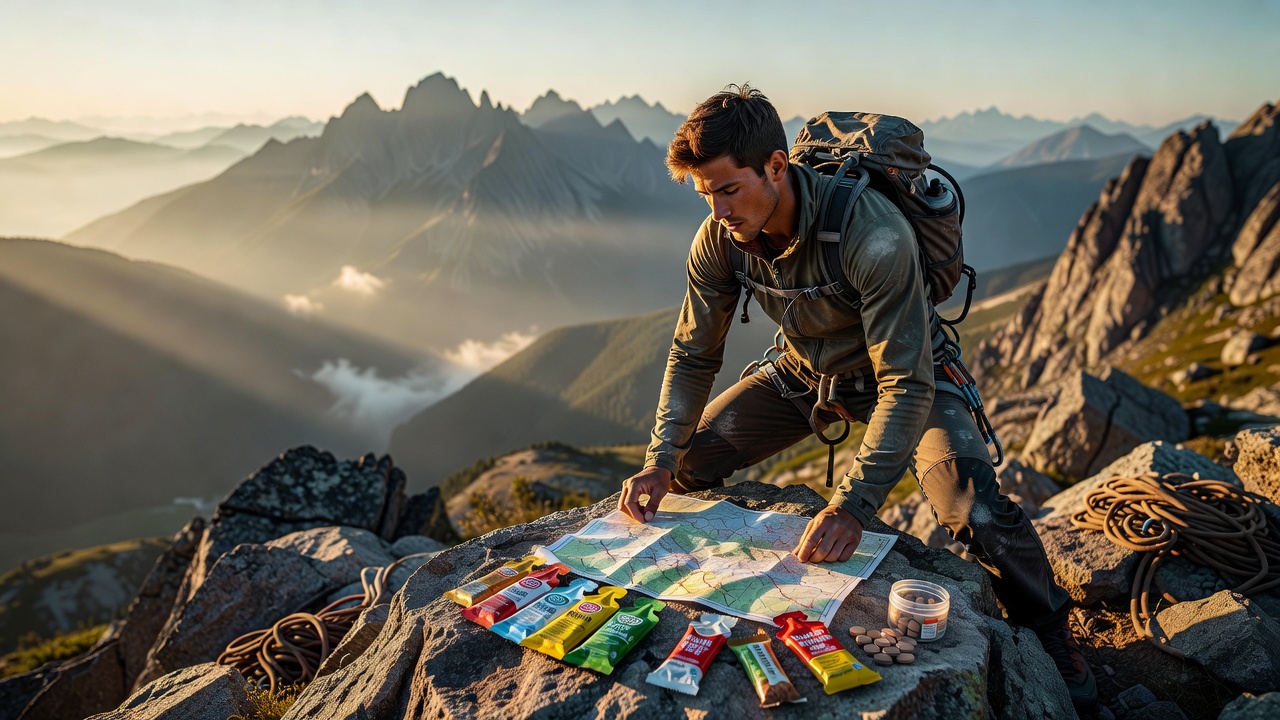
Adventure travelers pushing limits in extreme sports like rock climbing, whitewater kayaking, or multi-day treks need targeted nutrition to sustain high performance. In 2026, science-backed strategies focusing on macro timing, micronutrients, and hydration help athletes maintain energy across demanding trips. This guide covers practical fueling approaches tailored for outdoor enthusiasts seeking peak output and faster recovery. Proper nutrition directly influences endurance, reaction time, and injury prevention in unpredictable environments where oxygen levels fluctuate and physical demands spike unexpectedly.
Understanding Energy Systems in Extreme Sports
Extreme sports rely on a mix of anaerobic and aerobic energy pathways. Short bursts like bouldering moves draw from phosphocreatine stores, while prolonged efforts such as alpine ascents depend on glycogen and fat oxidation. Athletes benefit from periodizing carbohydrate intake to match these systems, ensuring glycogen reserves remain topped up for repeated high-intensity intervals over several days.
Macro and Micronutrient Timing
Carbohydrates fuel intense efforts, while proteins support muscle repair. Aim for 5-7 grams of carbs per kilogram of body weight daily during training phases, paired with 1.2-2.0 grams of protein. Micronutrients such as magnesium and antioxidants combat oxidative stress from high-intensity activities. Timing intake around activity windows maximizes glycogen stores and reduces fatigue. For example, consume a carb-rich snack 90 minutes before activity to top off liver glycogen without causing digestive discomfort. Post-activity, prioritize a 3:1 ratio of carbs to protein within the first hour to kickstart recovery processes.
Hydration Protocols for High-Intensity Activities
Proper fluid balance prevents performance drops in variable conditions. Consume 500ml of water two hours before activity, then 150-200ml every 15-20 minutes during exertion. Electrolyte replacement becomes critical in hot or high-altitude environments to maintain sodium and potassium levels. World Health Organization guidelines emphasize consistent hydration for overall health during physical stress. In practice, carry a hydration bladder with added electrolytes and sip regularly rather than gulping large volumes at once, which can lead to sloshing and reduced efficiency during technical moves.
Supplement Considerations
While whole foods form the foundation, supplements like beta-alanine or creatine can offer edges in specific scenarios. Branched-chain amino acids aid recovery on multi-day adventures. Always consult professionals before adding products, focusing on third-party tested options for safety in remote settings. Vitamin D and omega-3s support joint health and inflammation control, especially useful for athletes exposed to cold or high-impact landings.
Pre-Activity Fueling Examples
Two hours before a climb, opt for oatmeal with banana and honey for sustained carbs. Closer to start time, a rice cake with nut butter provides quick energy without heaviness. These choices stabilize blood sugar during initial bursts of effort. For longer approaches like mountain biking to a trailhead, a wrap filled with sweet potato and lean turkey offers both immediate and slow-release energy sources that prevent mid-activity bonking.
Post-Thrill Recovery Meals
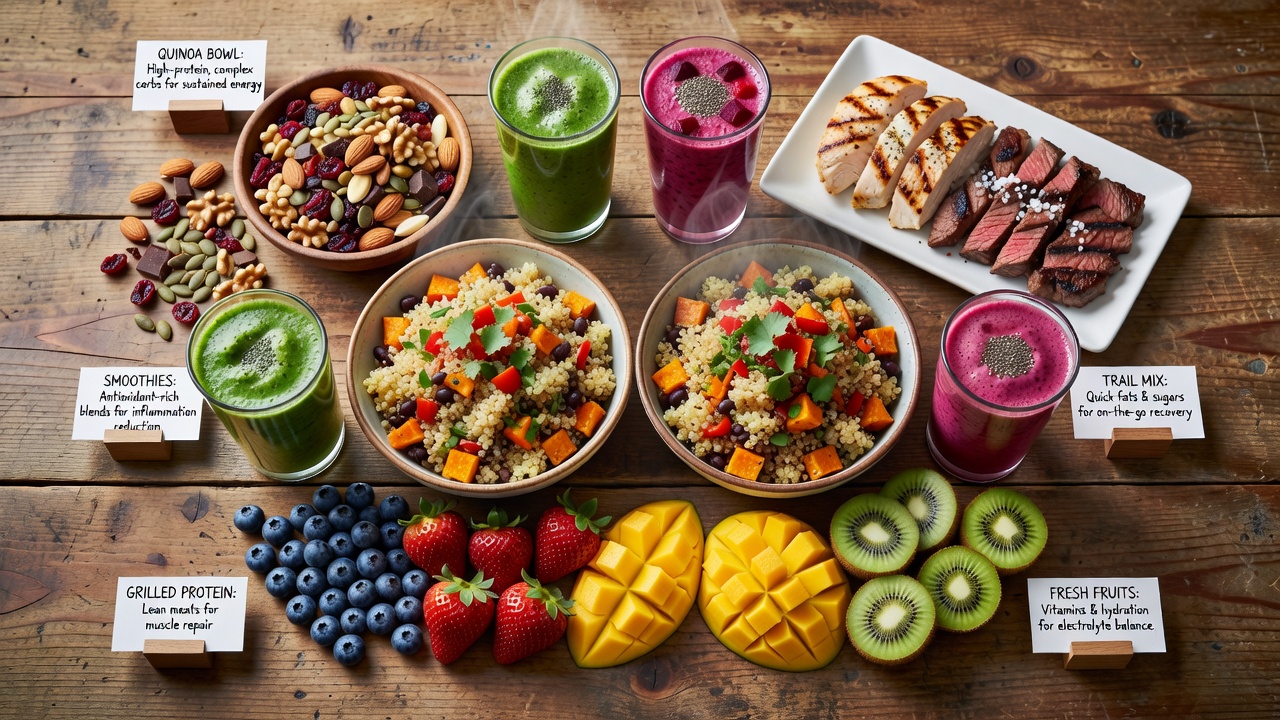
Within 30 minutes post-activity, combine protein and carbs such as a smoothie with Greek yogurt, berries, and spinach. Later meals featuring grilled salmon and quinoa replenish stores effectively. This window accelerates muscle repair and glycogen restoration. Consider adding tart cherry juice for its natural anti-inflammatory compounds that may reduce delayed onset muscle soreness after intense sessions.
Plant-Based Versus Traditional Athlete Diets
Plant-based approaches emphasize legumes, nuts, and grains for complete nutrition, often matching traditional diets in endurance outcomes when planned well. Traditional diets with animal proteins offer convenience in leucine density. Both succeed with attention to variety and calorie density for high-output sports. Plant-based athletes should combine complementary proteins like rice and beans at each meal, while omnivores can rotate sources to avoid over-reliance on red meat that may increase inflammation if consumed excessively.
Sample Daily Meal Plans
Here is a full-day plan designed for a 75kg athlete engaged in multi-day extreme activities:
- Breakfast: Oatmeal topped with chia seeds, berries, and a scoop of protein powder, providing 80g carbs and 30g protein.
- Mid-morning snack: Apple slices with almond butter and a handful of walnuts for sustained energy during travel to the site.
- Lunch: Large quinoa salad with mixed vegetables, chickpeas, avocado, and olive oil dressing delivering balanced macros for afternoon sessions.
- Pre-activity fueling: Two rice cakes with honey and a banana 60 minutes before starting.
- During activity: Sips of electrolyte drink plus one energy gel every 45 minutes for efforts exceeding 90 minutes.
- Dinner: Grilled chicken or tofu stir-fry with brown rice and broccoli, focusing on 40g protein and ample micronutrients.
- Evening recovery: Cottage cheese with pineapple or a plant-based yogurt alternative to support overnight muscle repair.
Adjust portions upward by 20% on heavy training days to match elevated expenditure.
Common Pitfalls to Avoid
Skipping meals leads to energy crashes. Over-relying on processed supplements without food variety causes nutrient gaps. Ignoring individual tolerances, especially at altitude, results in gastrointestinal issues. Monitor intake logs to refine approaches over trips. Another frequent mistake involves underestimating fluid needs in cold weather, where sweat evaporates quickly and dehydration sneaks up unnoticed. Athletes should also avoid experimenting with new foods during competitions; test all strategies during training weeks instead.
FAQ on Altitude and Endurance Challenges
How does altitude affect nutrition needs?
Higher elevations increase carbohydrate demands by up to 20% due to higher breathing rates and metabolic stress. Focus on easily digestible sources and consider iron-rich foods to support oxygen transport.
What endurance strategies work best for multi-day trips?
Consistent small meals every 2-3 hours prevent depletion. Include recovery-focused evenings with extra protein and plan rest days with slightly lower carb intake to allow metabolic flexibility.
Are there differences for plant-based athletes at altitude?
Yes, emphasize iron-rich plants with vitamin C for absorption to counter lower oxygen availability. Supplementing with B12 if dietary intake is low helps maintain red blood cell production.
How can athletes handle gastrointestinal distress during events?
Practice gut training by gradually increasing fiber and carb intake in training. Choose low-fiber options on race days and stay hydrated without overfilling the stomach at once.
What role does sleep play in nutritional recovery?
Sleep deprivation impairs glycogen replenishment and hormone regulation. Prioritize 7-9 hours nightly and time magnesium-rich foods like leafy greens in the evening meal to support restful recovery.
Conclusion
Mastering nutrition elevates extreme sports experiences by sustaining energy and speeding recovery. Apply these evidence-based tactics from Mayo Clinic resources and CDC physical activity guidelines to thrive on 2026 adventures. Track responses and adjust for personal needs to unlock consistent peak performance across varied terrains and conditions.


No comments yet. Be the first!