 PlaceBee
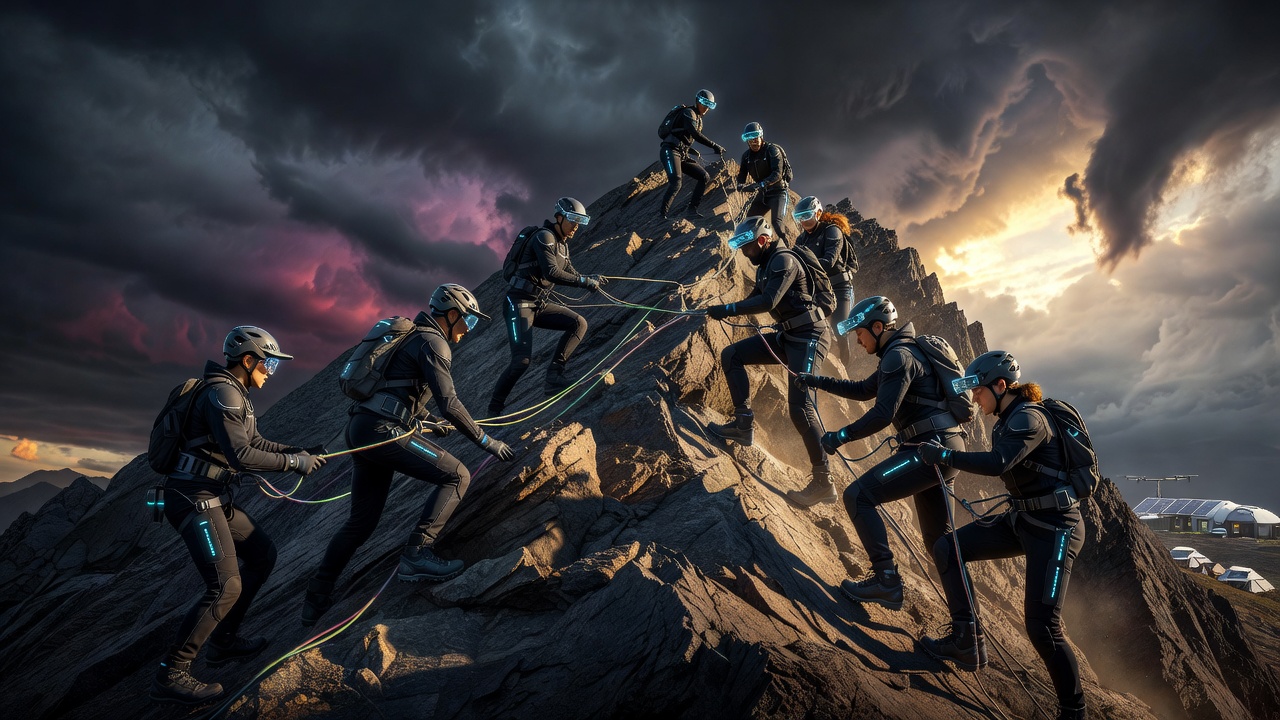
Climate-Resilient Extreme Sports: Adapting Thrill Travel in 2026
Climate change continues to reshape the world of extreme sports and thrill-seeking travel as we move into 2026. Rising temperatures, unpredictable weather patterns, and environmental shifts are forcing adventurers to adapt their plans, locations, and approaches to safety. This comprehensive guide examines the ways climate impacts outdoor adventures, highlights resilient destinations that remain viable, details updated safety protocols, and provides actionable steps for minimizing environmental footprints. Thrill seekers who plan thoughtfully can still enjoy high-adrenaline experiences while contributing to the preservation of these remarkable locations.
How Climate Change Impacts Popular Adventure Spots
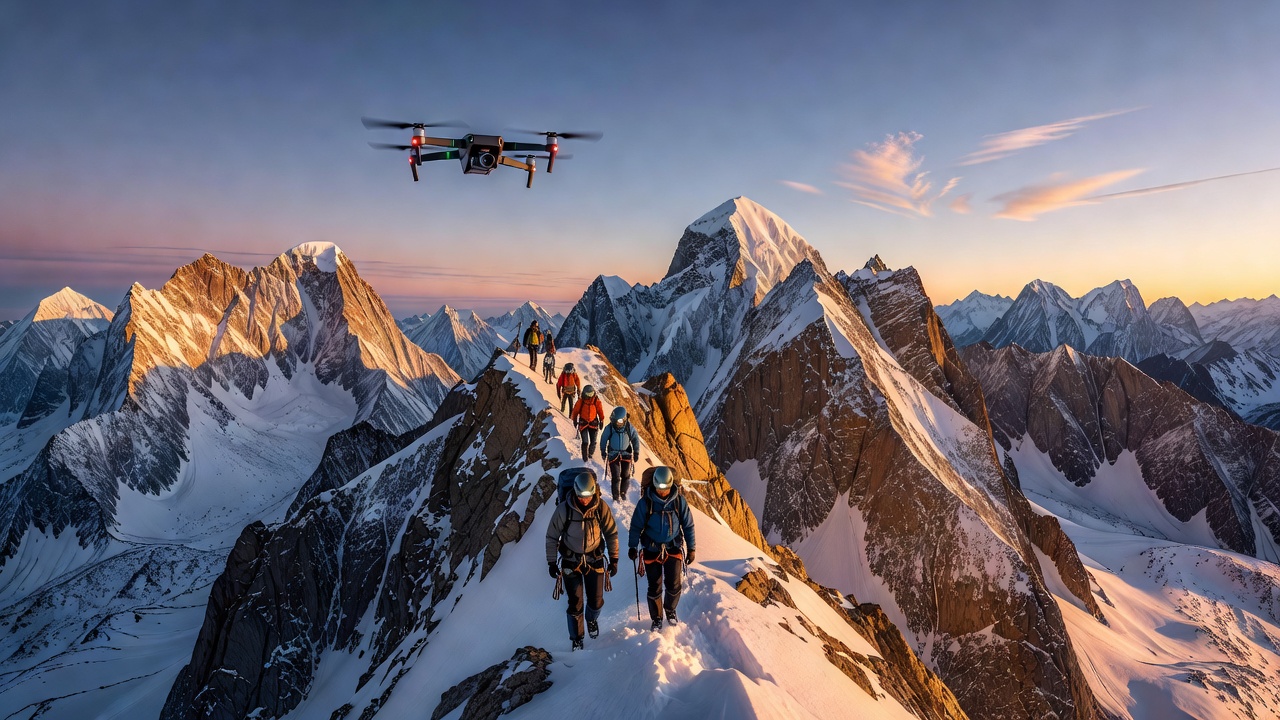
Global warming accelerates glacier melt, alters precipitation cycles, and intensifies storms, directly affecting iconic adventure sites. In the European Alps, ski seasons have shortened by several weeks in recent years, while increased rockfall threatens climbing routes. The Himalayas face similar glacier retreat, making traditional base camp approaches more hazardous due to unstable terrain. Coastal areas popular for sea kayaking and surfing, such as parts of Australia and California, experience stronger erosion and more frequent storm surges. Inland river rafting in the American Southwest contends with lower water levels from prolonged droughts. IPCC reports document these accelerating changes across multiple ecosystems. Real-world examples include canceled expeditions in Peru's Cordillera Blanca due to ice instability and relocated surfing competitions in Hawaii after repeated high-wave events. Travelers increasingly rely on satellite data and local guides to navigate these evolving conditions.
Shifting Destinations for Resilient Thrill Travel
Many adventurers now pivot to locations offering greater climate stability. Northern Scandinavia provides consistent snow cover for winter sports like backcountry skiing and snowboarding, while Alaska's vast wilderness supports multi-day hiking and mountaineering with fewer disruptions. Patagonia in South America maintains reliable rock climbing conditions compared to warming equatorial ranges. For water-based thrills, the Canadian Rockies offer stable lake kayaking opportunities that replace drought-affected southern rivers. New Zealand's South Island delivers year-round adventure variety including bungee jumping and heli-skiing with adaptive infrastructure. Comparison between traditional and resilient options reveals clear differences: fixed-date Everest treks suffer higher cancellation rates from avalanches, whereas flexible Iceland volcanic traverses provide comparable excitement with better predictability and lower environmental strain. Planning around shoulder seasons in these resilient areas often yields fewer crowds and more stable weather windows.
New Safety Protocols for Variable Weather
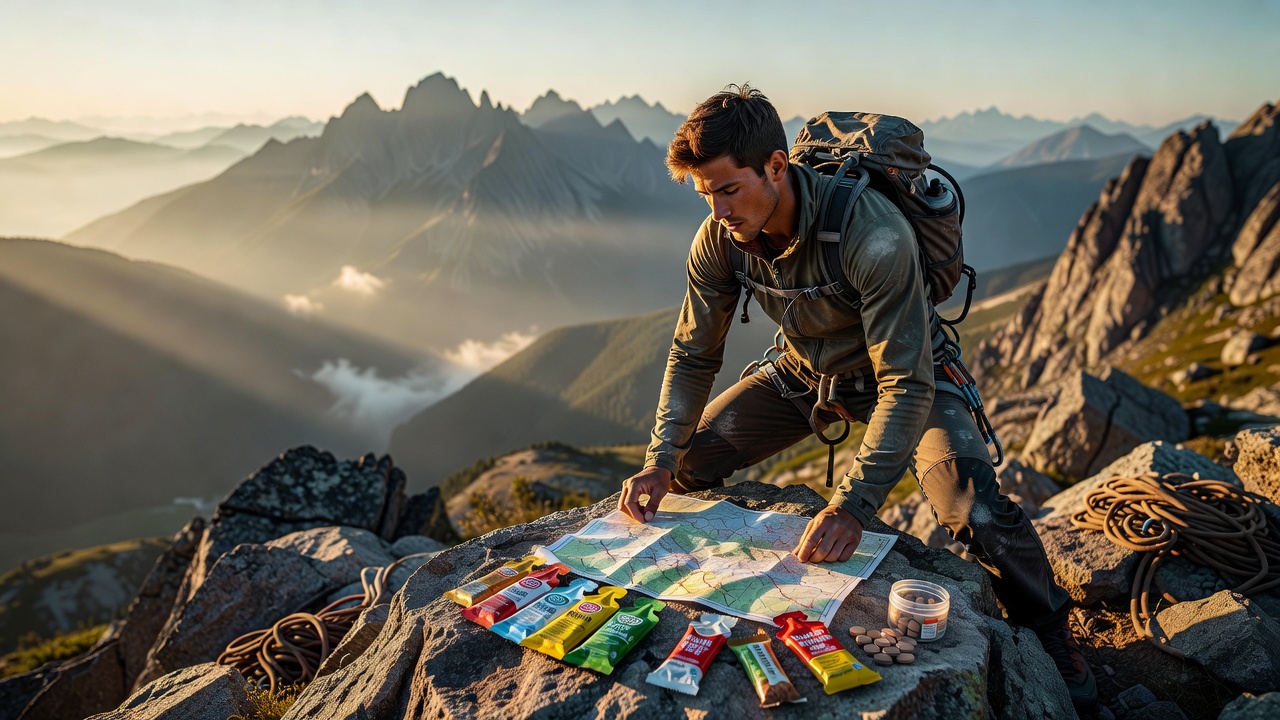
Operators and participants must adopt enhanced safety measures tailored to climate variability. Advanced weather monitoring through apps and satellite services becomes essential, along with mandatory flexible itineraries that allow last-minute route changes. Guides now require participants to complete specialized training in rapid temperature adaptation, including recognition of heat exhaustion and hypothermia symptoms. Essential equipment includes satellite communicators, extra insulation layers, and redundant navigation tools. Practical steps include conducting pre-trip risk assessments with local experts, carrying hydration systems optimized for fluctuating conditions, and participating in group briefings on emergency evacuation procedures. A scannable checklist helps travelers prepare effectively: check forecasts from at least three independent sources daily; train for sudden swings of 20 degrees or more; select tour companies with climate-adaptive certifications; pack backup power sources for devices; and practice leave-no-trace principles even during high-adrenaline moments. These protocols reduce incidents while maintaining the thrill factor.
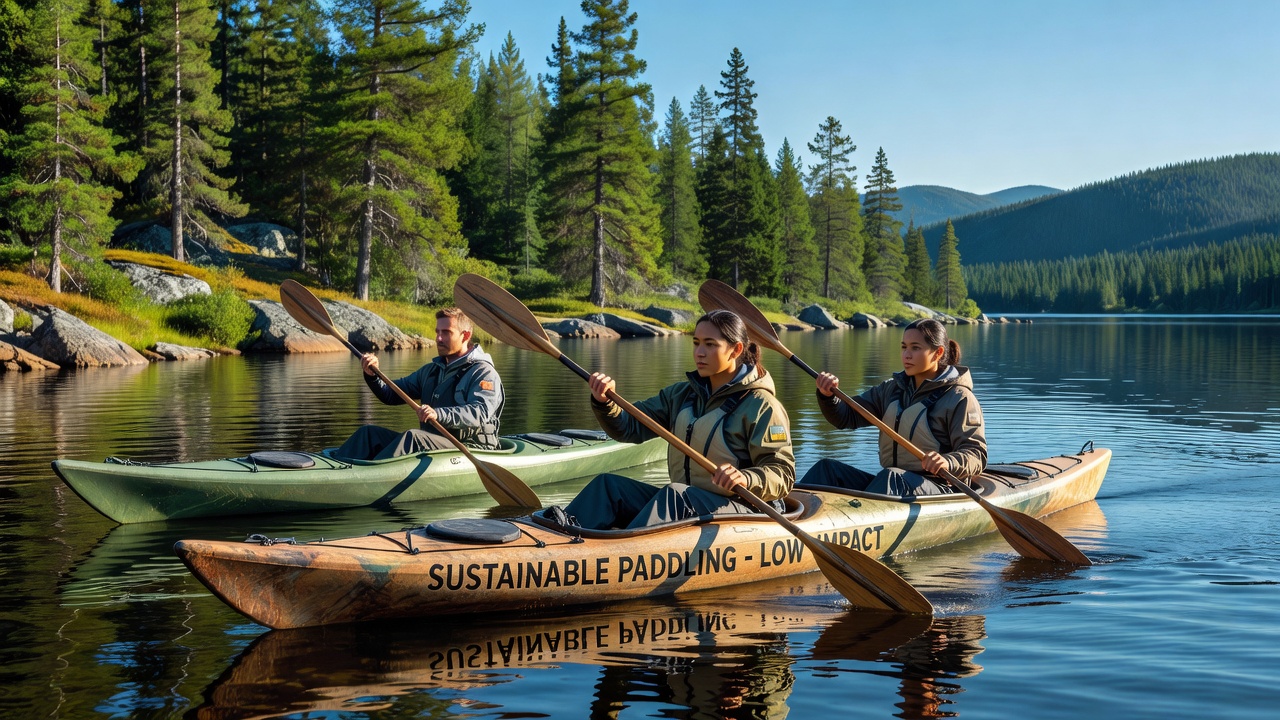
Eco-Friendly Practices for Sustainable Adventures
Minimizing personal impact requires deliberate choices throughout the trip planning and execution phases. Low-emission transportation options such as trains or electric shuttles replace short-haul flights whenever feasible. Carbon-neutral tour operators that invest in local reforestation projects represent a growing standard. Beyond classic leave-no-trace rules, 2026 adventurers often join habitat restoration days at their destination, planting native species or removing invasive ones. Packing strategies emphasize reusable items like stainless steel bottles and repair kits to eliminate single-use plastics. Supporting community-led conservation funds ensures economic benefits stay local and fund protective measures. Examples from popular spots include climbers in Yosemite who participate in trail maintenance and divers in the Red Sea who collect marine debris during surface intervals. These practices not only protect ecosystems but also deepen the connection between thrill seekers and the environments they explore.
Comparing Traditional and Climate-Resilient Options
Traditional adventure packages lock travelers into rigid schedules and single locations, increasing vulnerability to weather-related disruptions and higher disappointment rates. Climate-resilient alternatives prioritize flexibility, multiple activity backups, and partnerships with local sustainability initiatives. The resilient model typically delivers equivalent adrenaline levels alongside stronger long-term viability for the destination itself. For instance, a classic fixed-date rafting trip on a drought-prone river may be replaced by a multi-activity package combining kayaking, hiking, and wildlife viewing in a stable northern watershed. Decision factors include evaluating historical weather data for the chosen region, assessing operator transparency on adaptation strategies, and reviewing traveler reviews focused on environmental responsibility. This comparison empowers individuals to select experiences that balance excitement with responsibility.
Steps for Travelers to Minimize Impact
Preparation begins months in advance with research into destination-specific climate risks using authoritative resources. During travel, prioritize small-group tours that limit trail erosion and support local economies directly. Post-trip actions include sharing sustainable practices within adventure communities and donating to verified conservation organizations. Following these steps creates a positive cycle where thrill travel contributes to environmental stewardship rather than degradation.
FAQs on Preparing for Variable Conditions
What gear upgrades help most in 2026?
Versatile layering systems and weather-resistant fabrics designed for extreme variability provide the greatest return on preparation efforts.
How do I choose a climate-resilient operator?
Seek certifications from recognized sustainability bodies and review detailed adaptation plans published on their websites.
Are certain months better for specific sports?
Shoulder seasons in resilient regions frequently deliver stable conditions combined with reduced crowds and lower overall impact.
What training should I complete before departure?
Wilderness first aid courses updated for climate-related scenarios and navigation workshops using both digital and analog tools are highly recommended.
By integrating these adaptations into planning, thrill travelers can pursue safe, rewarding adventures throughout 2026 while actively supporting the long-term health of the world's premier outdoor destinations.
No comments yet. Be the first!