 PlaceBee
Introduction: The Rise of Multi-Sport Adventure Travel
Adventure seekers in 2026 are increasingly looking to maximize thrills by blending multiple extreme sports into single trips. Instead of dedicating an entire journey to one activity, travelers now combine compatible pursuits such as rock climbing, whitewater rafting, mountain biking, and paragliding. This approach creates dynamic itineraries that deliver variety while optimizing time and resources in remote destinations. The appeal lies in the seamless progression from one high-adrenaline experience to another, allowing participants to explore diverse landscapes without the need for separate vacations.
Successful multi-sport trips require careful planning around physical demands, weather windows, and travel logistics. When executed well, they provide unforgettable progression from one adrenaline rush to the next, fostering personal growth through varied challenges. Travelers report higher satisfaction rates when itineraries balance intensity with recovery periods, ensuring sustained energy throughout the journey.
Selecting Compatible Extreme Sports
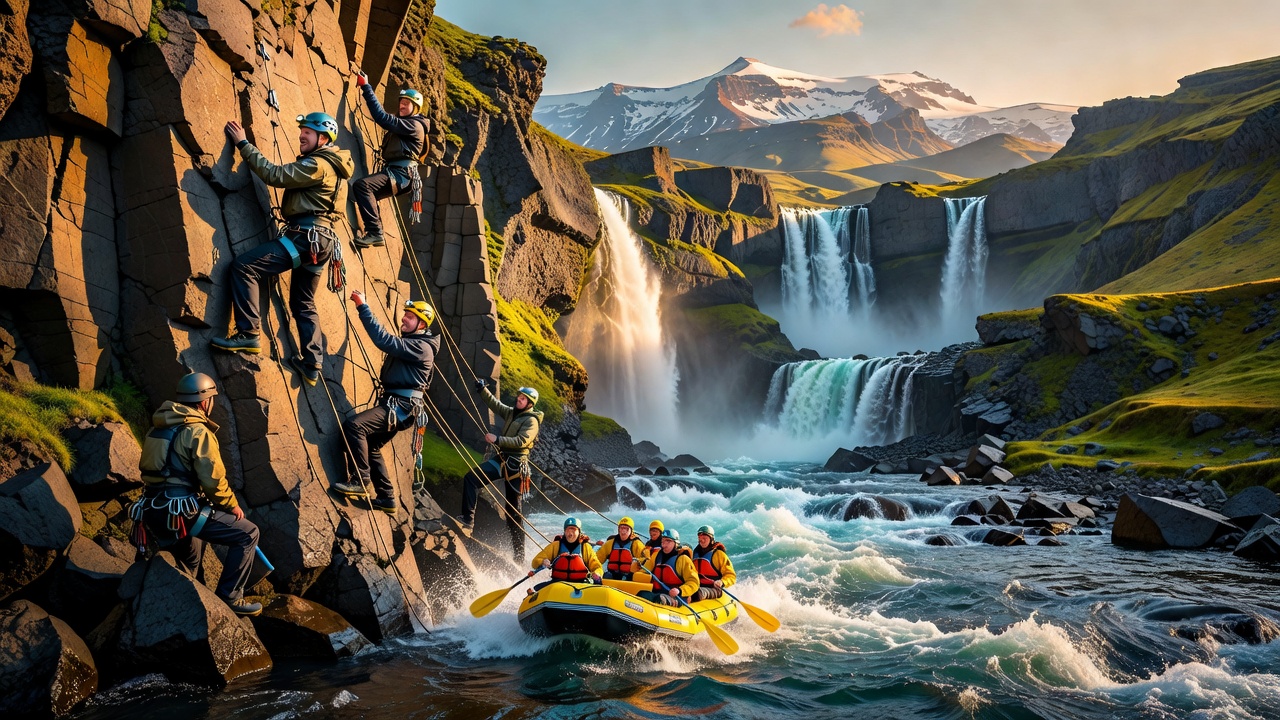
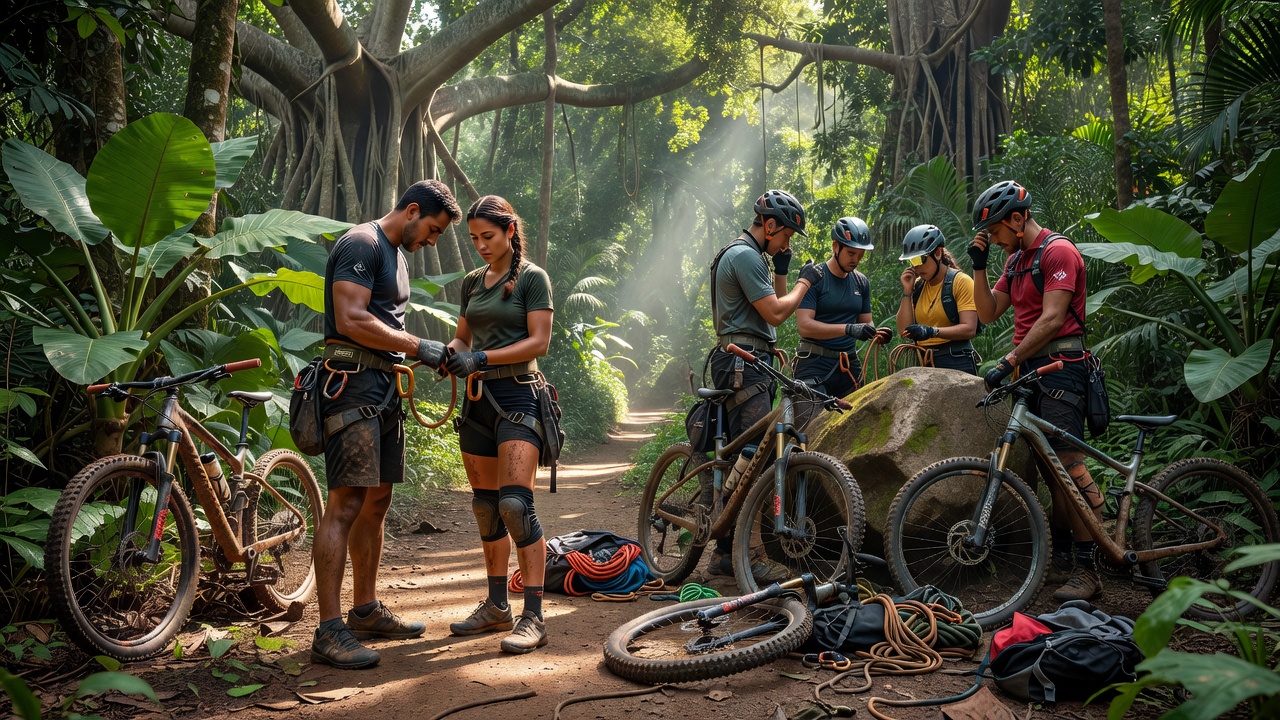
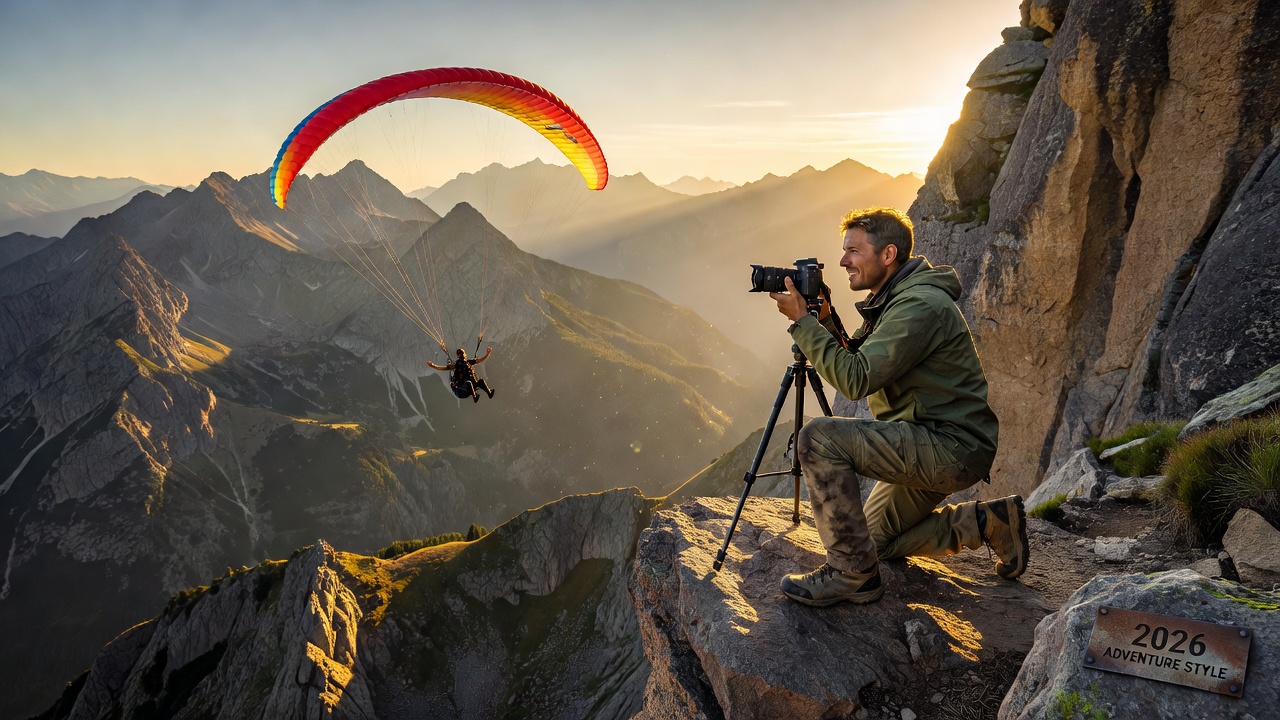
Not every pair of extreme sports pairs well. Ideal combinations share similar environments and physical requirements. Rock climbing and whitewater rafting work effectively because both demand upper-body strength and occur in mountainous river valleys. Adding mountain biking creates a full-day progression from vertical walls to flowing trails and then rushing water. Paragliding can complement these by offering aerial perspectives after ground-based efforts, though it requires specific wind conditions.
Consider energy expenditure and recovery needs. Pairing high-impact activities like downhill mountain biking with lower-impact options such as sea kayaking prevents burnout. Always assess skill levels across the group to avoid bottlenecks. Incompatible pairings, such as combining ice climbing with desert dune bashing, often lead to excessive travel time and mismatched gear needs. Research terrain overlap using topographic maps and consult local experts to refine selections.
Managing Logistics and Travel Routes
Route planning forms the backbone of any multi-sport itinerary. Start by mapping locations where multiple activities exist within a short transfer distance. In Iceland, the Golden Circle region allows climbers to tackle basalt columns in the morning before rafting the Hvítá River in the afternoon. Efficient routing minimizes downtime and maximizes daylight hours for activities.
Book transfers and permits in advance, especially in popular areas. Factor in buffer days for weather delays. Use apps for real-time route optimization and maintain flexible bookings where possible. Consider accommodations strategically placed between activity hubs to reduce daily commutes. For international trips, account for customs regulations on specialized equipment like climbing ropes or paddles. Explore options through Iceland's official tourism site for route suggestions and permit details.
Essential Safety Protocols
Safety must remain the top priority when stacking extreme sports. Always hire certified local guides for unfamiliar terrain and verify insurance coverage for multiple high-risk activities. Carry comprehensive first-aid kits tailored to each sport and establish clear communication protocols using satellite devices in remote zones. Groups should undergo pre-trip medical screenings to identify any potential issues exacerbated by altitude or exertion.
Conduct daily risk assessments that account for changing conditions. Groups should complete a shared safety briefing before each activity transition. Essential protocols include wearing appropriate personal protective equipment at all times, maintaining hydration and nutrition schedules, and having evacuation plans mapped for every site. Training in basic wilderness first aid is highly recommended before departure.
Training and Preparation for Multi-Sport Adventures
Preparation begins months in advance with targeted fitness training. Focus on building endurance through cross-training routines that simulate combined demands, such as climbing intervals followed by cardio sessions mimicking rafting paddling. Skill development workshops for each sport ensure participants handle transitions confidently. Mental preparation through visualization techniques helps manage the psychological intensity of consecutive high-stakes activities.
Review weather patterns and seasonal variations specific to chosen destinations. Enroll in certification courses for activities requiring technical knowledge, like swift-water rescue for rafting. This foundational work reduces on-site learning curves and enhances overall enjoyment.
Real-World Examples from Top Destinations
Iceland offers world-class opportunities for blending ice climbing with glacier hiking and river rafting. The volcanic landscapes around Skaftafell provide easy access between activities, with guided tours facilitating smooth transitions. Participants often start with ice axe training on glaciers before descending into river gorges for rafting sessions.
Costa Rica’s Arenal region combines jungle zip-lining, whitewater rafting on the Balsa River, and waterfall rappelling within a compact area. The tropical climate supports year-round adventures, though rainy season requires extra waterproofing measures. These destinations excel because of established infrastructure supporting multi-activity packages while maintaining high safety standards. Research local regulations through official tourism boards before finalizing plans, and check resources like Costa Rica's official tourism portal for updated trail conditions and operator recommendations.
Step-by-Step Planning Checklist
- Define group skill levels and fitness baselines at least three months ahead, including individual medical clearances.
- Research seasonal conditions and book core activities during optimal weather windows to avoid peak disruptions.
- Select 2–3 compatible sports and map transfer times between sites, including backup routes.
- Secure multi-sport travel insurance and confirm permit requirements with local authorities.
- Pack modular gear systems that transition efficiently between activities, prioritizing lightweight options.
- Build rest days into the itinerary to manage fatigue and allow for spontaneous adjustments.
- Establish emergency contacts and evacuation routes for each location, sharing them with all participants.
- Review environmental impact guidelines to ensure sustainable practices throughout the trip.
Common Pitfalls to Avoid
Many travelers underestimate transition times between sports, leading to rushed experiences or missed bookings. Overpacking heavy equipment also creates logistical strain during transfers. Another frequent mistake involves ignoring altitude or climate acclimatization, which can reduce performance and increase injury risk. Failing to coordinate with multiple providers can result in overlapping schedules or equipment shortages.
Always verify that each activity provider coordinates with others in your itinerary to prevent scheduling conflicts. Neglecting group dynamics, such as varying fitness levels, often leads to frustration. Proactive communication and contingency planning mitigate these issues effectively.
Environmental Considerations and Sustainability
Blending sports responsibly means minimizing ecological footprints. Choose operators committed to low-impact practices, such as using biodegradable products and following leave-no-trace principles. In sensitive areas like Icelandic highlands or Costa Rican rainforests, limit group sizes to reduce trail erosion and wildlife disturbance. Educate yourself on local conservation efforts to contribute positively during visits.
FAQ: Equipment Sharing and Weather Contingencies
How can groups share equipment across multiple sports?
Focus on versatile items such as helmets rated for multiple uses and quick-dry layers that serve dual purposes. Rent specialized gear like climbing shoes or paddles on-site to reduce transport weight and customs hassles. Create a shared packing list that assigns responsibility for communal items, ensuring everyone contributes to maintenance and inventory checks. This collaborative approach not only cuts costs but also streamlines logistics when moving between remote locations.
What happens if weather disrupts the schedule?
Build alternative indoor or lower-risk activities into the plan, such as indoor climbing gyms or guided nature walks. Monitor forecasts daily and maintain relationships with local operators who can reschedule or substitute experiences at short notice. Flexible refund policies help protect against extended poor conditions, while having satellite weather apps ensures real-time updates even in areas with limited connectivity. Proactive adjustments keep the trip enjoyable despite unexpected changes.
Conclusion
Blending multiple extreme sports creates richer adventure travel experiences when planned with precision. By focusing on compatible activities, rigorous safety measures, and flexible logistics, travelers can craft 2026 trips that deliver continuous excitement across stunning landscapes like those in Iceland and Costa Rica. Start early, prioritize preparation, and embrace the dynamic flow of a true multi-sport journey for memories that last a lifetime.
No comments yet. Be the first!