 PlaceBee
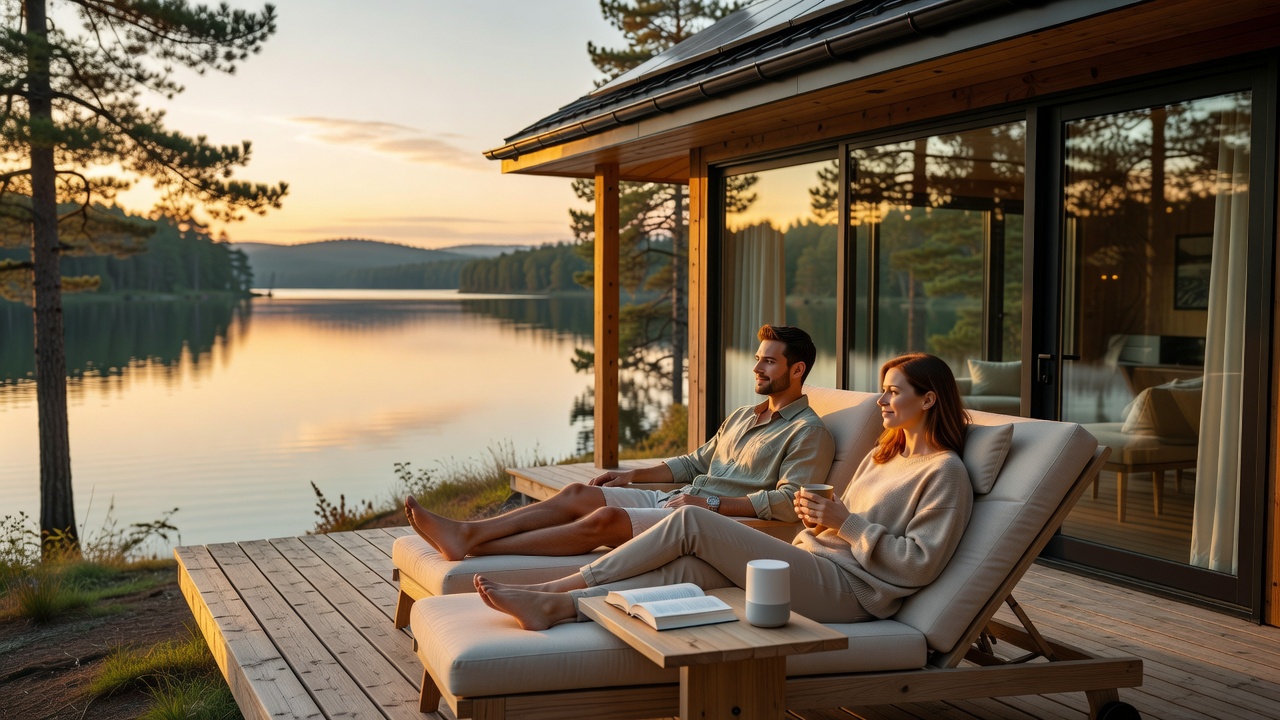
Introduction to Weekend Getaways in 2026
Planning quick escapes and short trips has never been more accessible for beginners. In 2026, weekend getaways offer the perfect balance of adventure and relaxation without requiring extended time off work. This guide focuses on core planning principles to ensure stress-free execution from start to finish. First-time planners often feel overwhelmed by the number of choices available, but breaking the process into clear steps makes it manageable and enjoyable.
Whether you are escaping the city for two nights or exploring nearby regions, thoughtful preparation makes all the difference. We will cover destination selection, budgeting, transport, and scheduling while providing practical tools like sample itineraries and checklists. The goal is to create trips that recharge your energy rather than add stress. By following these principles, you can turn a simple weekend into a memorable experience that fits seamlessly into your schedule.
Choosing the Right Destination
Start with a simple framework: consider travel time under four hours, seasonal weather, and personal interests. Use online maps to identify options within a 200-mile radius for minimal fatigue. Prioritize places with good reviews for first-timers and avoid overly crowded hotspots during peak periods. Think about what type of environment suits your group best—whether that means quiet nature spots, vibrant towns, or cultural sites.
Factor in accessibility for all group members and check for any entry requirements through official channels. This approach keeps planning realistic and enjoyable. For example, if traveling with family, look for destinations with kid-friendly attractions and easy parking. Couples might prefer romantic viewpoints or boutique areas. Always cross-reference current conditions using reliable government travel resources to confirm safety and accessibility before finalizing your choice.
Creating a Realistic Budget
Focus on major categories like accommodation, meals, and activities. Allocate funds proportionally and build in a buffer for unexpected costs. Research average daily expenses in your chosen area using reputable travel sites to set accurate expectations without overspending. Beginners benefit from separating fixed costs such as transportation from variable ones like souvenirs or extra meals.
Look for packages or off-peak deals that maintain quality while controlling expenses. Tracking everything in a simple spreadsheet helps beginners stay on target throughout the trip. Consider free or low-cost attractions such as public parks and walking tours to stretch your resources further. This method prevents surprises and allows you to enjoy the getaway without financial worry.
Selecting the Best Transport Options
Evaluate driving, trains, buses, or short flights based on distance and convenience. Driving offers flexibility for spontaneous stops, while public transit reduces stress in urban areas. Always compare total door-to-door times and book in advance where possible. Each option carries different advantages: cars provide freedom but require parking research, whereas trains allow you to relax and enjoy scenery.
Consider sustainability by choosing lower-emission options when feasible. Reliable apps provide real-time updates to keep your journey smooth. For longer distances within the allowable range, check schedules early to secure comfortable seats. This careful selection ensures your weekend starts and ends on a positive note without unnecessary delays or complications.
Building Flexible Daily Schedules
Design your itinerary with built-in downtime. Aim for two main activities per day plus meals and rest. Morning starts allow for exploration while evenings focus on winding down. Flexibility is key because unexpected weather or interesting detours can arise at any moment.
Leave room for weather changes or discoveries. A flexible structure prevents burnout and enhances enjoyment for new planners. Begin each day with a light breakfast and end with time to reflect or relax. Include buffer periods between activities so you never feel rushed. This balanced approach turns a short trip into a truly restorative experience.
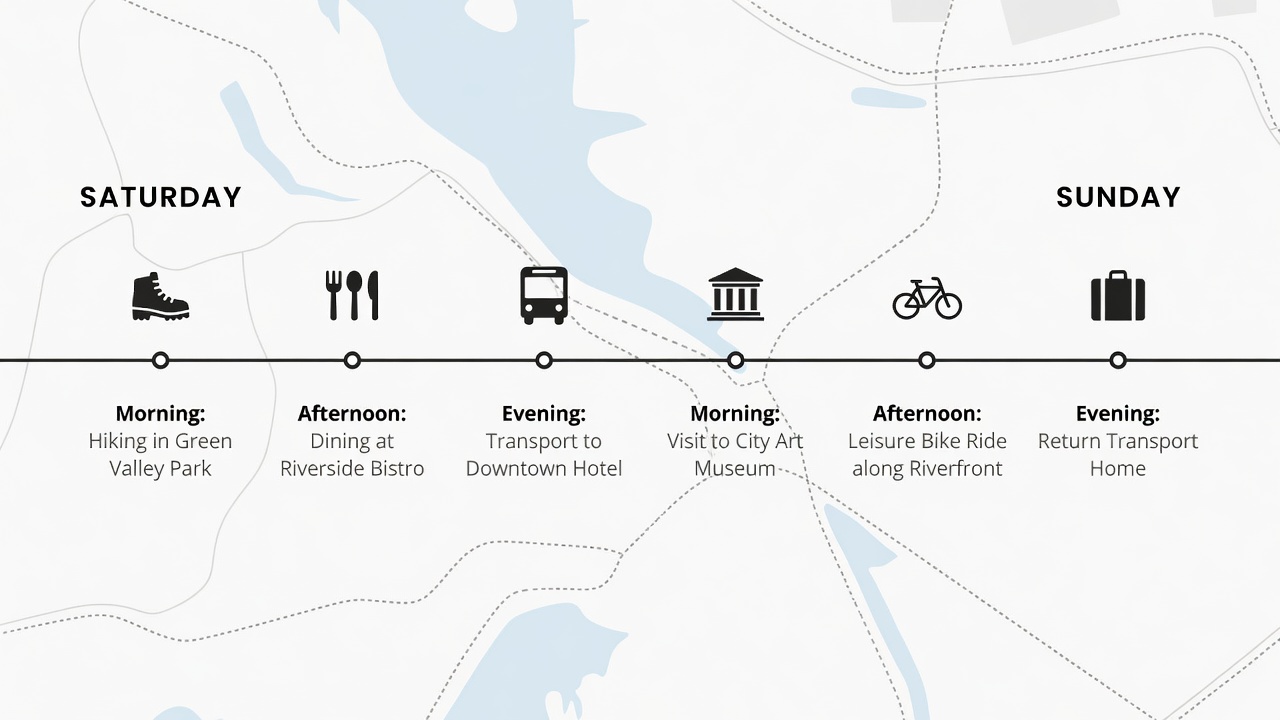
Three Sample Weekend Itineraries
Coastal Escape: Day 1 includes arrival and beach time followed by a relaxed dinner. Spend the morning settling into your lodging and taking a leisurely walk along the shoreline. In the afternoon, try optional water activities if the weather permits. Day 2 features a morning hike and afternoon market visit before departure. Pack a picnic lunch to enjoy at scenic overlooks and allow extra time for photos or casual browsing at local stalls.
Mountain Retreat: Focus on scenic drives and short trails on Day 1. Stop at viewpoints for panoramic photos and enjoy a picnic lunch outdoors. Day 2 offers a visit to a local viewpoint and easy village exploration. Wander through small shops, sample regional foods, and end the afternoon with a gentle nature walk before heading home refreshed.
City Quick Trip: Highlight key landmarks and a food tour on the first day. Use public transit or walking routes to visit historic sites and enjoy diverse cuisine. The second day covers museums and parks with ample breaks. Schedule time for people-watching in green spaces and browsing independent bookstores or galleries to capture the local vibe without feeling hurried.
Decision Checklist for Beginners
Before departing, run through this comprehensive list to cover all essentials:
- Confirm dates and group size with everyone involved
- Research weather and packing needs using reliable forecasts
- Book core transport and lodging early for better availability
- List emergency contacts and important documents in one accessible place
- Review cancellation policies for all reservations
- Plan at least one backup activity in case of weather issues
- Download offline maps and translation apps if needed
- Notify neighbors or building management about your absence
Following this checklist reduces last-minute anxiety and ensures nothing important is overlooked.
Additional Planning Tips and Safety Considerations
Beyond the basics, think about packing smart layers for changing conditions and carrying a small first-aid kit. Stay informed about local regulations by consulting official sources such as U.S. Department of State resources. Health preparation is equally important; review the latest guidance from CDC travel pages well before you leave. Consider travel insurance for peace of mind even on short trips.
Another useful step is creating a shared digital folder with reservations, maps, and contact information so all travelers can access details easily. These extra layers of preparation help transform a good weekend into an excellent one.
FAQs: Avoiding Common Rookie Mistakes
How far in advance should I book? Secure major elements four to six weeks ahead for better availability and rates.
What if plans change? Choose flexible bookings and monitor travel advisories via official government websites.
How do I handle health concerns? Review guidance from the CDC before departure and consult your doctor if needed.
Is solo travel suitable for weekends? Yes, many destinations cater well to individuals with safe, walkable areas and welcoming atmospheres.
Should I over-schedule activities? No—leaving breathing room prevents fatigue and allows for spontaneous enjoyment.
Conclusion
With these strategies, your first 2026 weekend getaways will be memorable and low-stress. Apply the frameworks, use the checklist, and enjoy the freedom of well-planned short trips. Start small, refine as you go, and discover the joy of regular escapes that fit your lifestyle perfectly. Consistent practice with these methods will make future planning even smoother and more rewarding.

No comments yet. Be the first!