 PlaceBee
Introduction to Group Weekend Getaways in 2026
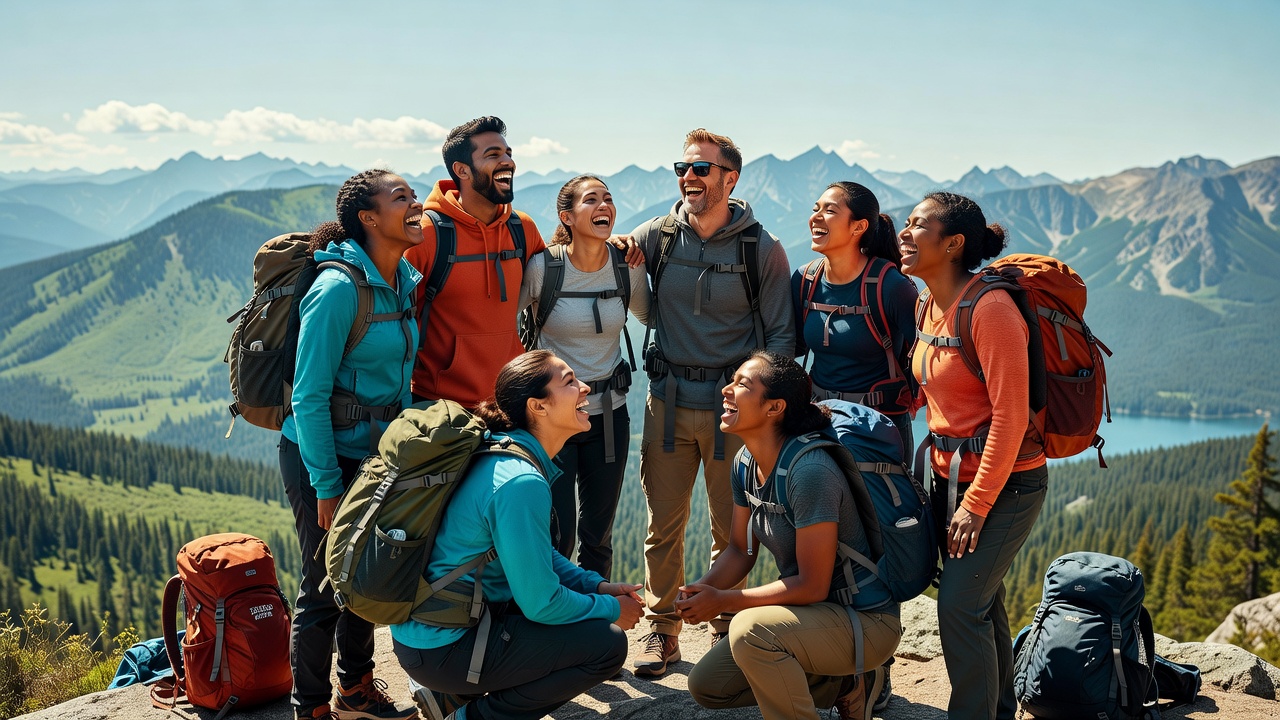
Planning group weekend getaways with friends offers a perfect balance of adventure, bonding, and relaxation without requiring extensive time off work. In 2026, these short trips continue to grow in popularity as people seek meaningful connections amid busy schedules. This comprehensive guide covers everything from selecting destinations that appeal to varied interests to managing shared logistics effectively, ensuring your next escape is seamless and memorable. Whether you are organizing a reunion of college friends or a regular monthly outing with coworkers, the principles remain the same: clear communication, shared responsibilities, and flexible planning.
Choosing Destinations That Suit Varied Interests
Selecting the right destination is crucial for group harmony. Consider locations with diverse activities such as hiking trails, cultural sites, and relaxation spots. National parks provide excellent options for outdoor enthusiasts while nearby towns cater to food lovers and history buffs. Research accessibility via public transport or driving distances to keep travel times under four hours for true weekend feasibility. Popular choices include coastal areas for beach activities or mountain regions for scenic views. Always factor in group size and mobility needs to avoid conflicts. A mix of free and low-cost attractions helps maintain budget flexibility throughout the trip. For example, a group of eight might choose a lakeside town that offers both water sports for active members and quiet reading spots for others, creating an inclusive environment that satisfies everyone.
When evaluating options, use online maps to plot routes and check seasonal weather patterns. Destinations near major highways often reduce travel stress, while lesser-known state parks can provide unique experiences without crowds. Involve the group in a voting process early to build excitement and ownership over the final choice.
Splitting Costs Effectively Among Friends
Transparent cost division prevents awkward conversations later. Use shared digital spreadsheets to track expenses like lodging, meals, and transportation. Assign one person to handle bookings and collect payments upfront via apps that support group transfers. This approach ensures everyone contributes fairly based on participation levels. Consider rotating responsibilities such as driving or cooking to reduce monetary outlays. Discuss preferences early, whether equal splits or usage-based allocations, to align expectations before departure. Real-world examples show that groups who itemize every expense in advance report higher satisfaction and fewer disputes upon return.
Another practical tactic is establishing a small group fund for incidentals like snacks or parking fees. This fund can be replenished equally at the start of each trip, simplifying on-the-spot decisions without constant reimbursement requests.
Coordinating Travel Logistics Like Shared Rides or Group Bookings
Logistics coordination starts with a group poll for availability and preferred travel modes. Carpooling reduces emissions and costs while fostering conversations en route. For larger groups, explore van rentals or train options that accommodate everyone comfortably. Book group rates for attractions or transport where available. Create a shared itinerary document with real-time updates to keep all members informed about schedules and meeting points. National Park Service resources can help identify accessible group-friendly sites. Additional planning around peak traffic times and rest stops ensures smoother journeys, especially when traveling with mixed vehicle types or public transit users.
Always confirm vehicle capacities and fuel-sharing agreements ahead of time. Groups that assign a dedicated navigator or use collaborative mapping apps experience fewer delays and better enjoyment of the ride itself.
Activity Ideas for Bonding and Fun
Activities should encourage interaction and cater to different energy levels. Options range from group hikes and cooking classes to board game nights or local tours. Incorporate downtime for casual chats to strengthen friendships naturally. Outdoor adventures like kayaking or trail walks provide physical bonding, while indoor team-building games or workshops offer alternatives during poor weather. Food-focused experiences such as shared picnics create relaxed settings for conversation, and evening entertainment like stargazing or live music adds memorable highlights.
- Organize a morning yoga session followed by a group breakfast
- Plan a photography challenge where everyone captures the same landmark
- Arrange a collaborative playlist for road trips and downtime
- Include a service activity like a short volunteer shift if the group enjoys giving back
Balance structured plans with free time to prevent fatigue. Tailor ideas based on season and location for maximum enjoyment, and always have backup indoor options ready.
Accommodation Options for Larger Groups
Choose lodging that offers communal spaces alongside private areas. Vacation rentals with multiple bedrooms, bunkhouses, or connected hotel suites work well for groups of six or more. Look for properties featuring full kitchens to support shared meal preparation. Compare amenities like Wi-Fi reliability and parking availability. Reading recent reviews helps gauge suitability for group dynamics. Consider factors such as proximity to activities and noise levels from neighboring units. 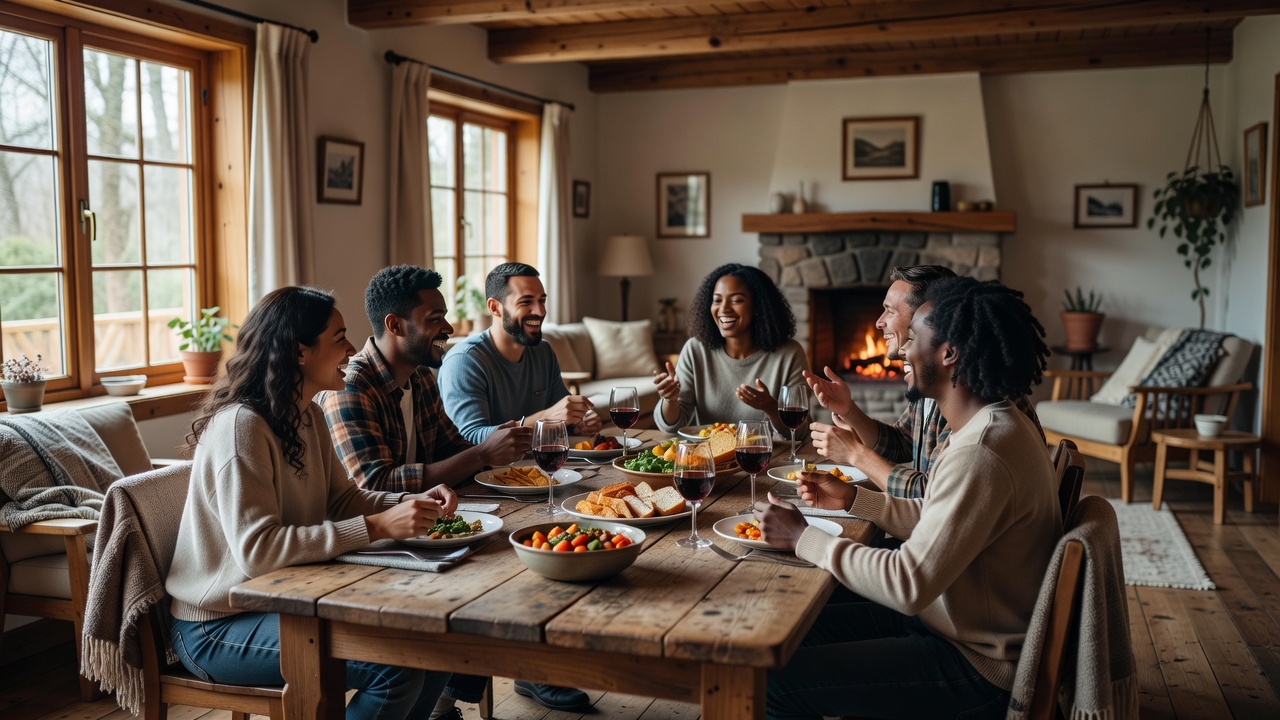
Some groups prefer cabin-style stays for their rustic charm and outdoor decks, while others opt for modern condos with pools for added relaxation. Checking cancellation policies and pet rules (if applicable) prevents last-minute surprises.
Packing Strategies for Quick Escapes
Efficient packing minimizes stress for short trips. Create a communal checklist covering weather-appropriate clothing, toiletries, and electronics. Share a master list so duplicates are avoided and essentials are covered. Pack versatile items that serve multiple purposes and use compression bags for space savings. Designate a group member to handle first-aid supplies and any shared gear like chargers or games. Include items for both active days and downtime, such as comfortable loungewear and rain jackets. Groups that prepare a shared digital packing list updated by all members tend to arrive fully equipped without excess baggage.
Step-by-Step Planning Checklists
- Confirm dates and budget with all participants two months ahead, including a contingency fund for unexpected costs.
- Finalize destination and book accommodations one month prior after reviewing multiple options.
- Organize transportation and activity reservations two weeks out, confirming group sizes and dietary needs.
- Send detailed itinerary and packing reminders one week before, including emergency contact lists.
- Conduct a final group call the day prior to address last-minute issues and confirm arrival times.
Real-Life Case Studies and Format Comparisons
One group of college friends successfully planned a lakeside weekend using a shared app for all decisions, resulting in strong memories and minimal conflicts. Another urban group opted for city-based stays focusing on food tours, proving flexibility in format. Compare cabin retreats versus hotel clusters: cabins foster togetherness but require more self-management, while hotels offer convenience with less privacy. Choose based on group familiarity and trip goals. A third example involved a mixed-age group that combined hiking with museum visits, demonstrating how hybrid itineraries can bridge differing interests effectively.
Health, Safety, and Sustainability Considerations
Health and safety remain priorities for any group outing. Share basic medical information and emergency contacts beforehand. Centers for Disease Control and Prevention guidelines recommend checking local health advisories before travel. Sustainability practices such as carpooling, reusable containers, and Leave No Trace principles help minimize environmental impact while setting a positive example for future trips.
FAQ Addressing Common Challenges
How do we handle dietary restrictions? Survey preferences early and plan meals accordingly, with backup options available at nearby restaurants.
What if someone cancels last minute? Have a flexible booking policy and clear refund agreements established upfront to protect the group budget.
How to manage different energy levels? Include optional activities so participants can opt in or out comfortably without feeling pressured.
Are there ways to incorporate work-life balance? Schedule tech-free hours and respect quiet times for those needing rest or remote check-ins.
Conclusion
With thoughtful preparation, group weekend getaways in 2026 can create lasting bonds and refreshing breaks. Apply these strategies for logistics, activities, and planning to ensure every trip runs smoothly from start to finish, turning short escapes into cherished traditions.

No comments yet. Be the first!