 PlaceBee

What Are Microadventures and Why They Matter in 2026
Microadventures offer quick, meaningful escapes close to home, perfect for travelers seeking weekend getaways without extensive planning or long-distance travel. In 2026, this format continues to grow in popularity as people prioritize sustainability, affordability, and frequent short trips over traditional vacations. These bite-sized adventures typically last one or two days and focus on destinations within a two-hour radius, making them ideal for busy professionals, families, and anyone looking to integrate more nature and exploration into everyday life. Search intent around microadventures often centers on low-cost local adventures that deliver high satisfaction without the logistical headaches of longer journeys. Readers want practical, repeatable ways to recharge through nature immersion, light physical activity, and fresh perspectives right in their own regions.
Generating Microadventure Ideas by Region
Ideas vary widely depending on your location and the season. Urban dwellers might focus on city parks, riverside paths, or rooftop stargazing sessions that turn familiar skylines into adventure backdrops. Those near rural or suburban zones can explore nearby forests, lakes, or farmland trails for birdwatching and foraging walks. Coastal regions offer beachcombing, tide pooling, or short paddle outings, while mountain and foothill areas provide easy ridge hikes or wildflower spotting. In the Midwest, prairie preserves and river valleys create opportunities for cycling or overnight tent setups. Desert locales emphasize sunrise photography and short canyon explorations. Always adapt ideas to current conditions and consider rotating between three to five favorite spots throughout the year to keep experiences fresh and sustainable.
5-Step Planning Process for Your Next Microadventure
Follow this structured approach to maximize enjoyment and minimize stress. First, define your goals clearly by deciding whether the focus is relaxation, moderate physical challenge, wildlife observation, or cultural discovery. Second, research local spots using digital maps, trail apps, and community forums to pinpoint accessible parks, trailheads, or hidden green spaces within driving distance. Third, check all logistics including any required permits, parking availability, public transit options, and current trail conditions. Fourth, assemble a minimal yet complete kit tailored to your chosen activity, emphasizing lightweight and versatile items. Fifth, execute the plan while remaining flexible, then reflect afterward by journaling highlights to refine future outings. This process turns spontaneous ideas into reliable, repeatable adventures.
Comparing Microadventures to Traditional Getaways
Unlike full vacations that often require flights, hotel bookings, and multi-week planning, microadventures emphasize proximity, simplicity, and low environmental impact. Traditional trips frequently involve higher costs, travel fatigue, and time away from home, whereas microadventures promote flexibility and allow multiple outings per month. They also support better work-life balance for frequent travelers by fitting neatly into weekends. However, traditional getaways may offer deeper immersion in distant cultures, so the choice depends on individual priorities. Many people now combine both formats, using microadventures as regular resets between larger trips.
Real-World Examples: Urban Hikes, Overnight Camps, and More
One popular option is an urban hike through a local greenway system that winds through parks and neighborhoods, ending with a picnic using locally sourced foods. Another involves selecting a nearby state park campground reachable by bicycle or short drive for an overnight tent experience complete with evening campfire stories. Coastal microadventures might include a dawn beach walk followed by tide pool exploration and a simple lunch. In hilly terrain, try a sunrise ridge hike with binoculars for birding. These examples demonstrate how ordinary landscapes transform into memorable escapes when approached with intention. Participants often report improved mental clarity and stronger connections to their immediate surroundings after just one or two days.
Budget Breakdowns and Sustainable Options
Focus on free or low-cost activities such as public trail access, carpooling with friends, and preparing meals at home beforehand. Sustainable choices center on leave-no-trace principles, using reusable containers, and supporting nearby businesses for any needed supplies rather than big-box retailers. Repeatable options encourage building personal habits around local natural areas, reducing overall carbon footprints compared to flying or driving long distances. Over time, these approaches create a library of go-to microadventures that require minimal new investment while delivering consistent value.
Gear Checklists for Microadventures
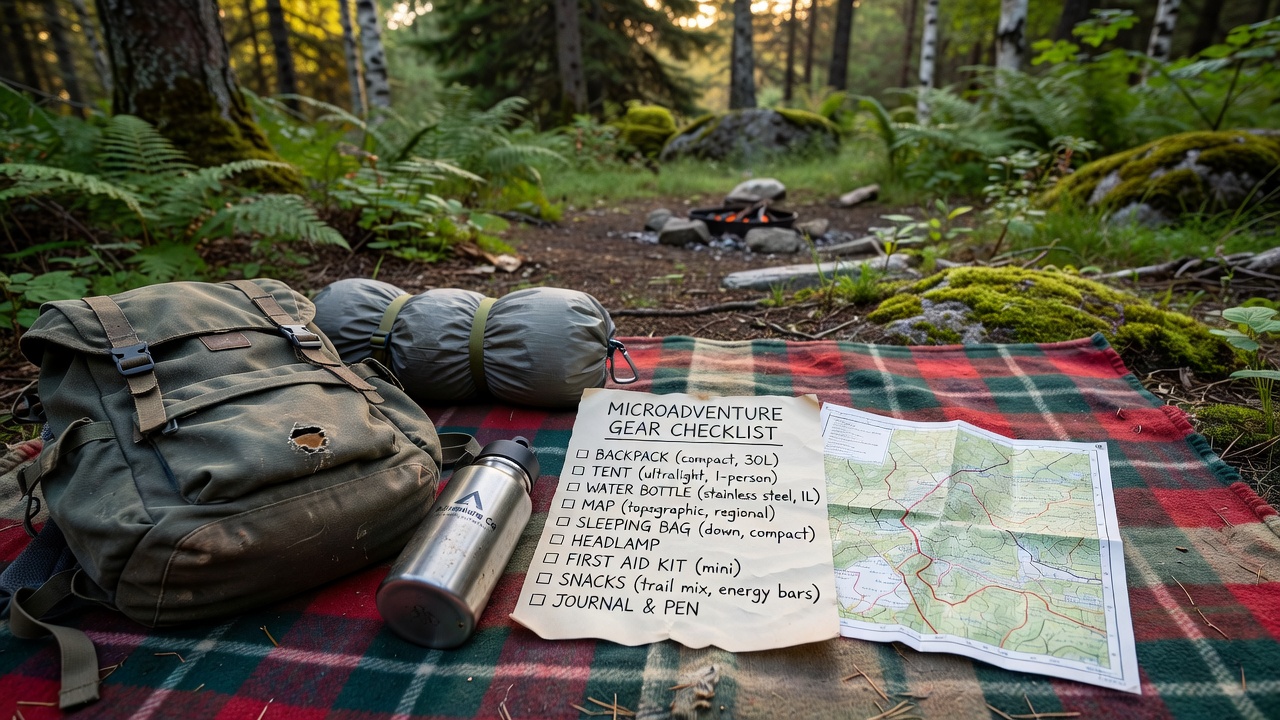
- Core essentials include comfortable broken-in shoes, a reusable water bottle, a printed or digital map, a compact first-aid kit, and weather-appropriate layers.
- Activity-specific additions might feature a lightweight tent or hammock for camping, a headlamp for evening activities, binoculars for wildlife viewing, and a small notebook for observations.
- Prioritize multi-use, durable, and repairable items to minimize waste and long-term expenses. Always test new gear on short local outings before committing to an overnight trip.
Handling Weather Contingencies and Safety
Monitor forecasts closely through reliable sources and maintain backup indoor or sheltered alternatives such as museum visits or covered pavilions in case of sudden changes. Safety begins with sharing your exact itinerary with a trusted contact and carrying a fully charged phone plus a portable charger. Beginners should start with well-marked trails and consider joining local hiking groups for added support. National Park Service guidelines offer comprehensive outdoor safety resources, while National Weather Service updates help anticipate conditions in advance.
Frequently Asked Questions
How do microadventures support frequent travel without burnout?
They fit seamlessly into weekends and require far less recovery time than extended trips, allowing regular escapes that refresh energy levels throughout the year.
What if weather disrupts carefully made plans?
Shift to sheltered local attractions like botanical gardens or indoor climbing facilities, or simply reschedule; the microadventure mindset values adaptability over rigid adherence to an original idea.
Are microadventures safe and suitable for beginners?
Absolutely. Start with well-marked, popular trails during daylight hours and gradually increase difficulty as confidence grows. Group outings provide extra reassurance for first-timers.
Can families with children participate effectively?
Yes, by choosing short distances, incorporating games or scavenger hunts, and selecting locations with easy terrain and nearby facilities for comfort and convenience.
How can microadventures remain interesting over multiple seasons?
Rotate locations, adjust activities to match weather patterns, and add thematic elements such as photography challenges or seasonal foraging to keep each outing distinct.
Conclusion
Microadventures in 2026 deliver an ideal balance of adventure, accessibility, and sustainability. By embracing local options and following structured planning, anyone can build rewarding habits that enrich daily life without the demands or expense of traditional travel. Begin with one simple outing this weekend and discover the lasting benefits of exploring closer to home.

No comments yet. Be the first!