 PlaceBee
Introduction to Extreme Sports Photography in 2026
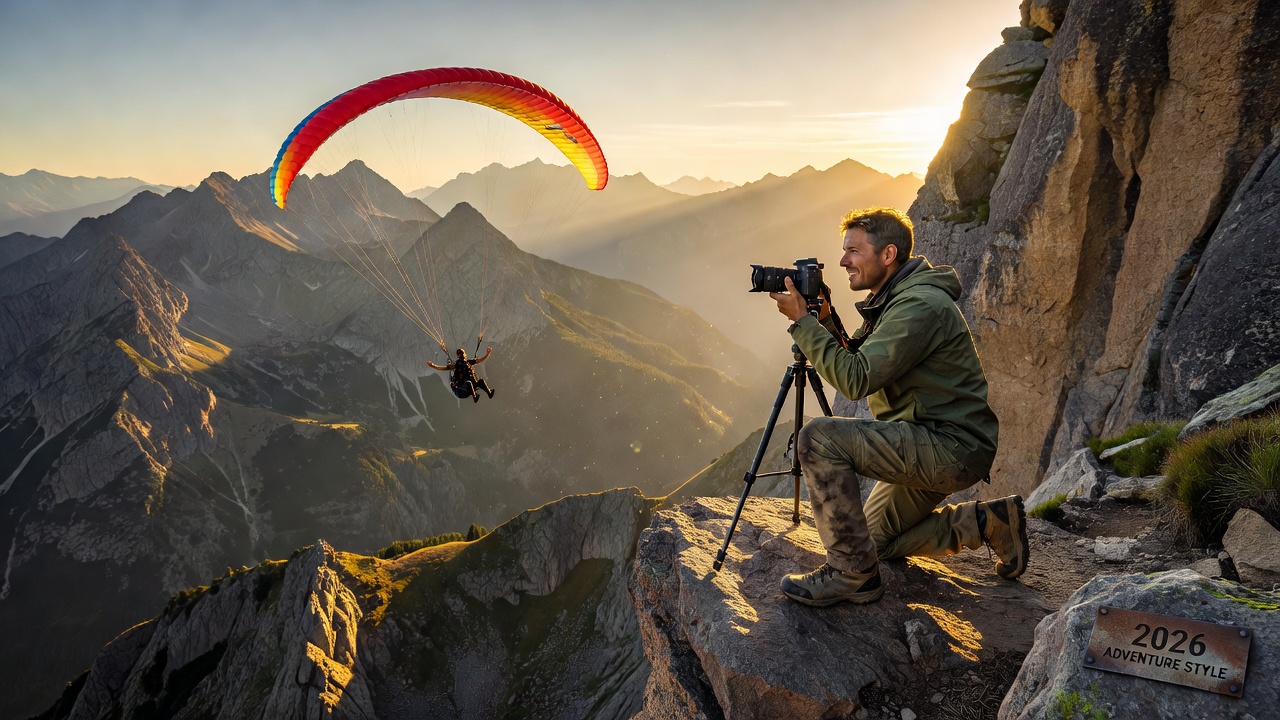
Adventure photographers are increasingly drawn to thrill travel, capturing high-adrenaline moments in dynamic outdoor environments. As destinations evolve with new regulations and emerging hotspots, 2026 presents fresh opportunities for those ready to combine technical skill with safety awareness. This guide delivers in-depth strategies tailored for action-packed shoots, helping you produce compelling images while prioritizing well-being in remote or hazardous settings. Whether you are documenting base jumping in alpine regions or whitewater kayaking through remote canyons, understanding the interplay between movement, light, and environment is essential for creating images that resonate with audiences and convey the raw energy of extreme sports.
Successful thrill travel photography requires more than just a fast shutter speed. Photographers must anticipate unpredictable conditions, coordinate with athletes, and adapt to rapidly changing weather. In 2026, new technologies such as improved AI-assisted autofocus and lighter carbon-fiber tripods are making it easier to travel light without sacrificing image quality. This article explores every facet of the craft, from selecting the right camera system to post-production techniques that amplify dramatic impact, ensuring your work stands out in a competitive field.
Essential Gear Recommendations
Selecting the right equipment forms the foundation of successful extreme sports photography. Weather-sealed bodies and fast lenses handle dust, water, and sudden impacts common in these environments. Consider stabilizers and backup power sources for extended sessions far from civilization. High-capacity memory cards rated for extreme temperatures and ruggedized external hard drives for on-location backups are equally important. Many photographers now carry modular lens kits that allow quick swaps between wide-angle environmental shots and telephoto compression for distant action.
When comparing DSLR versus mirrorless setups, mirrorless systems often excel due to their lighter weight and superior autofocus tracking for fast-moving subjects. DSLRs provide proven durability and longer battery life in extreme cold but can feel cumbersome during hikes. Mirrorless cameras offer silent shooting modes ideal for wildlife-adjacent shoots and better electronic viewfinders for precise framing in variable light. The choice ultimately depends on your mobility needs and tolerance for carrying extra gear. For instance, a mirrorless body paired with a 24-70mm f/2.8 lens provides versatility across climbing and mountain biking scenarios, while a DSLR with a 70-200mm f/2.8 may suit photographers who prefer optical viewfinders during prolonged dawn sessions.
Additional accessories like ND filters for controlling bright daylight, protective rain covers, and chest harnesses keep hands free during movement. Investing in quality straps and harness systems reduces fatigue on multi-day expeditions and prevents accidental drops in high-wind environments.
Safety Protocols While Shooting
Dynamic environments demand rigorous safety measures. Always assess terrain risks before positioning yourself, maintain communication devices with satellite connectivity, and travel with at least one partner for support. Understanding local weather patterns and having evacuation plans ready prevents minor issues from escalating. Carry a first-aid kit tailored to the activity, including items for altitude sickness or hypothermia, and establish clear radio or hand-signal protocols with athletes before any shoot begins.
Professional photographers also recommend comprehensive travel insurance that covers equipment loss and medical evacuation. Ethical considerations extend to respecting restricted zones and avoiding actions that could endanger athletes or wildlife. In practice, this means briefing everyone on potential hazards such as rockfall zones or sudden river surges and establishing no-go boundaries. Real-world examples from 2025 expeditions in Iceland showed that photographers who conducted pre-shoot risk assessments avoided several near-miss incidents involving shifting glacial terrain.
Optimal Lighting Techniques for Dawn and Dusk
Golden hour sessions deliver dramatic contrast and rich colors perfect for thrill imagery. Position subjects against low-angle sunlight to create silhouettes that emphasize motion and scale. At dusk, incorporate artificial light sources like headlamps or flares to add depth while maintaining natural ambiance. Using reflectors or small LED panels can fill shadows on athletes' faces without overpowering the environment, preserving the authentic feel of the location.
Experiment with exposure bracketing to capture both bright skies and shadowed action areas, then merge files in post-production for balanced results. In 2026, emerging destinations such as the high plateaus of Bolivia offer unique opportunities for twilight shooting because of their clear skies and minimal light pollution, allowing stars to appear in the same frame as athletes in motion.
Composition Strategies for Action Shots
Effective composition in extreme sports relies on anticipating movement and using leading lines from trails or waves. Apply the rule of thirds to place athletes off-center, leaving negative space that conveys speed and direction. Incorporate environmental elements like cliffs or waves to contextualize the scale of the action. Panning techniques with slower shutter speeds can blur backgrounds while keeping the subject sharp, creating a powerful sense of velocity.
- Use burst mode with continuous autofocus to secure peak moments.
- Frame wide for environmental storytelling or tight for emotional intensity.
- Include foreground interest to add layers and depth.
- Experiment with low angles to exaggerate height and drama in jumps or drops.
- Monitor the background for distractions such as other spectators or vehicles.
Case studies from professional shoots in New Zealand's Southern Alps demonstrate how positioning the camera just below eye level during mountain biking runs produces images where riders appear to soar above the landscape, heightening viewer engagement.
Editing Workflows for Dramatic Impact
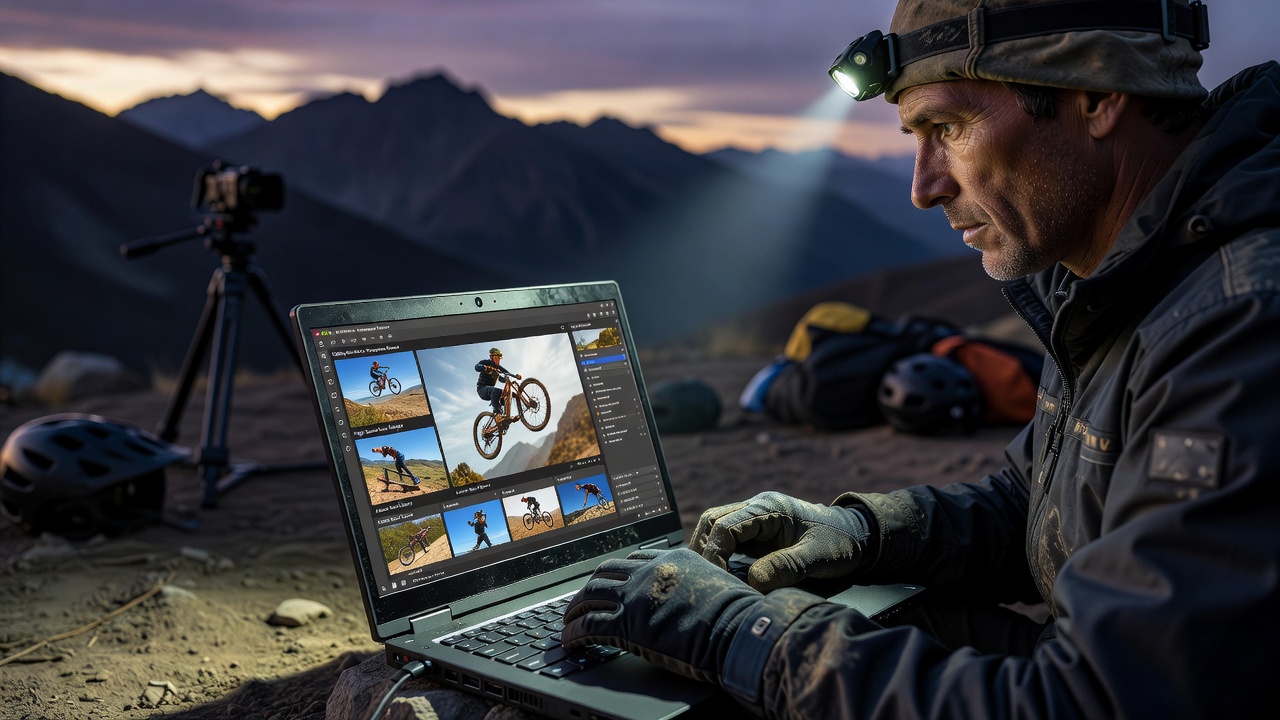
Post-processing transforms raw captures into striking visuals. Begin with global adjustments for exposure and contrast, then refine local areas using masks to enhance highlights on athletes. Apply subtle sharpening to details like fabric texture or water spray without introducing artifacts. Noise reduction is particularly useful for high-ISO dawn shots, while gradient filters help balance sky and foreground exposure.
Color grading toward cooler tones can heighten tension, while selective saturation boosts adrenaline-inducing elements. Batch processing similar shots maintains consistency across a series from the same location. Many photographers now integrate AI-powered masking tools that automatically isolate subjects, speeding up complex edits and allowing more time for creative decisions such as adding subtle motion blur effects in post.
Step-by-Step Checklist for Planning Shoots
- Research permits and access rules for your chosen 2026 destination at least two months ahead.
- Test all gear in similar conditions to identify potential failures.
- Coordinate with athletes on timing, signals, and safety boundaries.
- Pack redundancy for batteries, memory cards, and protective housing.
- Review insurance coverage and share itineraries with emergency contacts.
- Scout locations during off-peak hours to refine compositions.
- Establish communication protocols and emergency evacuation routes.
- Prepare backup storage and upload images nightly when possible.
Real-World Examples from Emerging 2026 Destinations
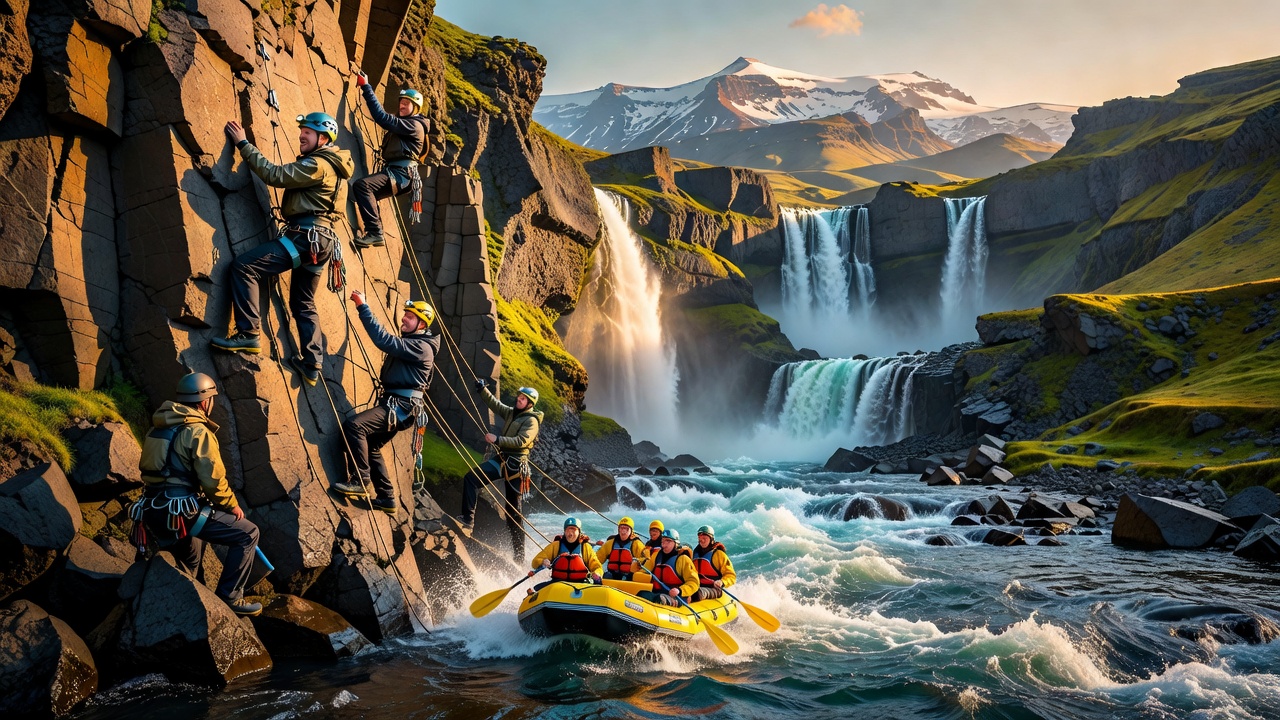
Locations like the remote fjords of Norway and high-desert plateaus in Patagonia continue to attract thrill seekers. Photographers there combine drone perspectives with ground-level action to showcase both individual feats and vast landscapes. These sites require advance coordination with local guides to navigate evolving access rules. Additional emerging spots include the volcanic highlands of Iceland and the river gorges of British Columbia, where 2026 regulations now emphasize low-impact travel practices that photographers must respect to maintain access privileges.
FAQ
What permits are typically required for extreme sports photography?
Many national parks and protected areas require commercial photography permits. Check official government sites such as nps.gov before travel.
How should photographers address ethical wildlife considerations?
Maintain safe distances, avoid flash near sensitive species, and follow guidelines from organizations like nationalgeographic.com to minimize disturbance.
Is specialized insurance necessary for adventure travel creators?
Yes, standard policies often exclude high-risk activities. Seek coverage that explicitly includes equipment protection and remote medical support for peace of mind during shoots.
How do I handle sudden weather changes during a shoot?
Monitor forecasts hourly using satellite devices and have quick-access shelter options. Always prioritize safety over capturing the perfect shot and retreat if conditions deteriorate rapidly.
Conclusion
Thrill travel photography in 2026 rewards preparation, technical mastery, and respect for the environments and people involved. By integrating robust gear choices, safety-first planning, and refined creative techniques, you can produce images that inspire while ensuring every expedition ends safely. Consistent practice and thoughtful adaptation to new destinations will keep your portfolio fresh and impactful for years to come.
No comments yet. Be the first!