 PlaceBee
Introduction to Legal Compliance in Thrill Travel
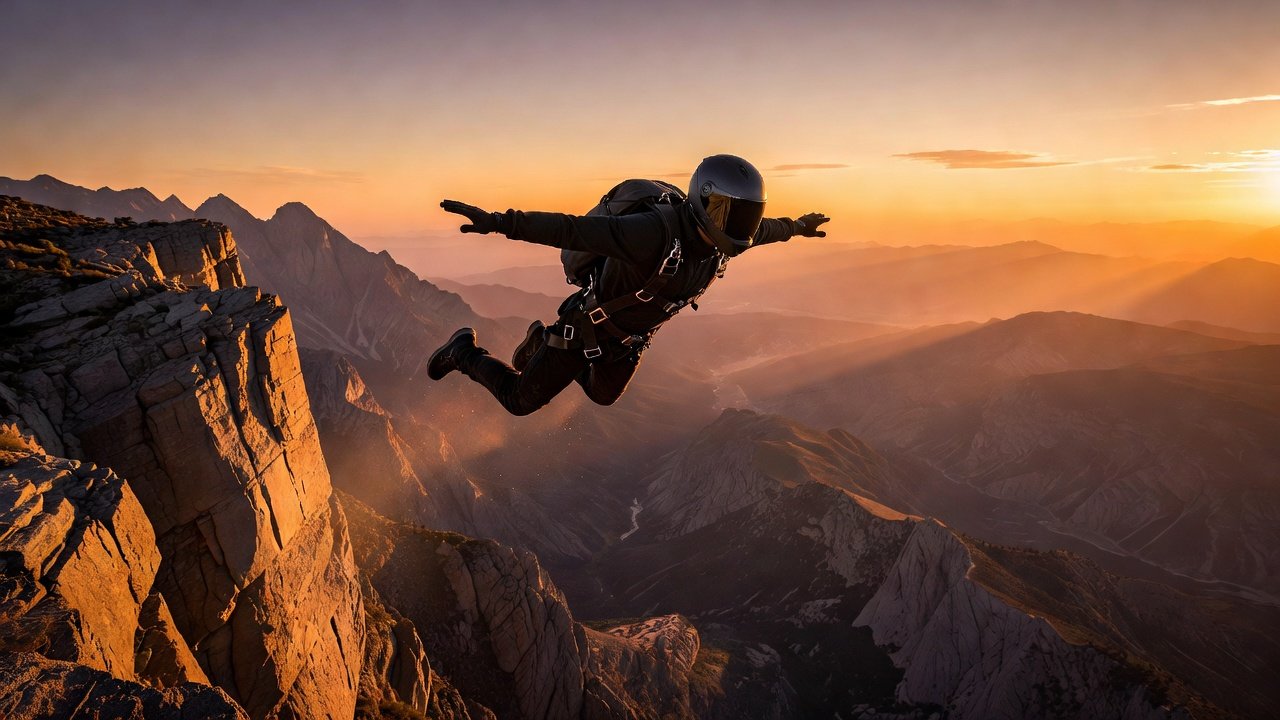
Adventure travel and extreme sports continue to surge in popularity as travelers seek unforgettable outdoor adventures around the globe. However, participating in activities like base jumping, canyoneering, and other high-risk pursuits requires careful attention to evolving legal frameworks that prioritize participant safety and environmental protection. In 2026, global regulations emphasize safety, cross-border liability, and proper documentation to protect both participants and operators in the thrill travel sector. This comprehensive guide equips adventure travelers with the knowledge needed to plan legally sound journeys that minimize risks while maximizing enjoyment of extreme sports.
Understanding these rules prevents costly disruptions, legal complications, and ensures safer experiences during outdoor adventures. Whether you're researching international permit requirements or comparing liability waivers across borders, thorough preparation is essential for any thrill travel itinerary. The landscape of extreme sports regulations has shifted notably with new environmental and insurance mandates taking effect worldwide.
International Permit Requirements for Extreme Sports
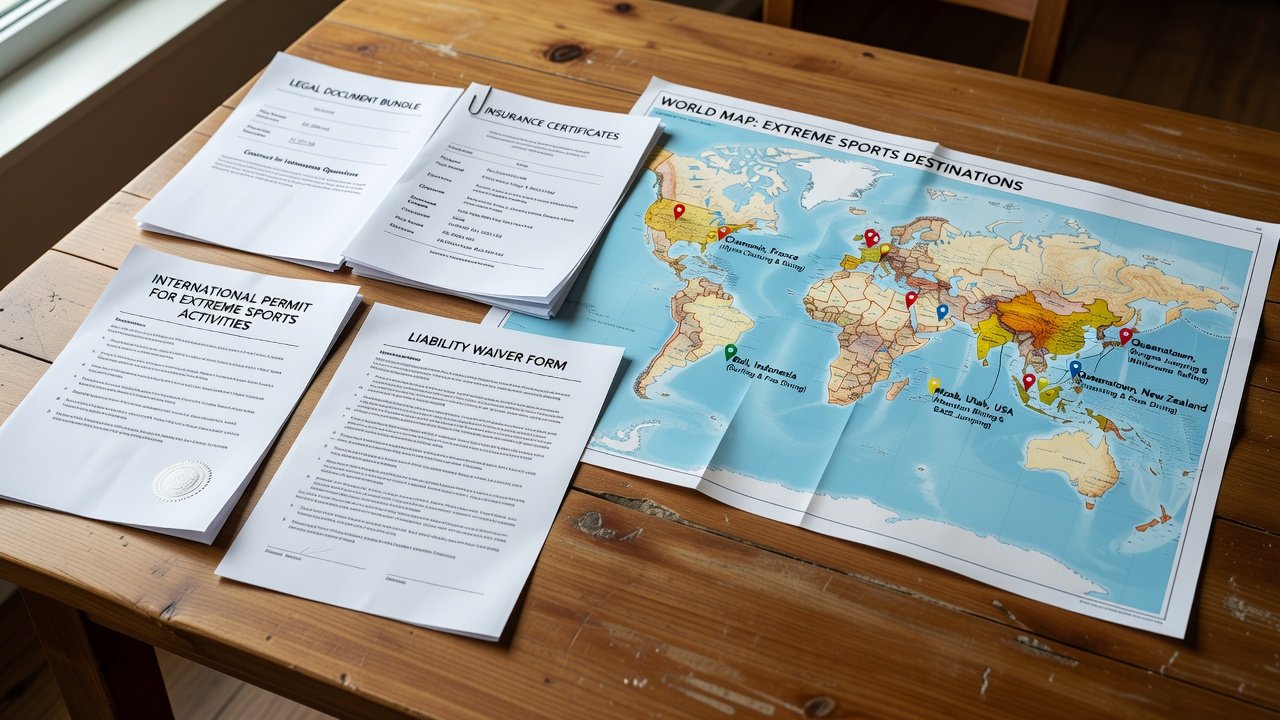
Many countries mandate specific permits for extreme sports in 2026, often tied to environmental conservation efforts and crowd control measures. For instance, base jumping in designated areas frequently requires advance approval from local aviation or environmental authorities to ensure compliance with airspace regulations. Canyoneering in national parks typically involves permits issued through official booking systems designed to manage environmental impact and limit group sizes in sensitive ecosystems.
Practical steps include verifying requirements via official government portals at least 60 days before travel. Start by identifying the specific activity and destination, then submit applications accompanied by proof of insurance and documented experience levels. Real-world examples include New Zealand's strict permitting for bungee jumping and base jumping sites, where operators must hold current licenses renewed annually under updated 2026 tourism safety codes. Similarly, canyoneering enthusiasts heading to Utah's national parks must navigate federal permit systems that now incorporate digital tracking for visitor management.
Liability Waivers Across Borders
Liability waivers form a critical layer of protection but vary significantly by jurisdiction, affecting how extreme sports participants are safeguarded during adventure travel. In the United States and Canada, waivers are generally enforceable if clearly worded and signed voluntarily, whereas some European countries impose stricter consumer protections that may limit their effectiveness or require additional clauses. Travelers should always review waivers in their native language and consult legal experts familiar with international law before signing.
Comparisons reveal higher risks in countries with less developed tort systems, such as certain Southeast Asian destinations popular for canyoneering, where enforcement can be inconsistent and court outcomes unpredictable. U.S. Department of State travel resources offer country-specific advisories on legal risks associated with extreme sports and outdoor adventures.
Insurance Mandates and Coverage Essentials
Insurance remains non-negotiable for extreme sports in 2026, with many destinations now requiring proof of specialized coverage before allowing participation. Policies must explicitly cover adventure activities, medical evacuation, and third-party liability to meet new regulatory standards. Standard travel insurance often excludes thrill sports, making specialized providers essential for anyone engaging in base jumping or canyoneering during adventure travel.
Obtain coverage well before booking trips, ensuring it meets or exceeds destination minimums. For example, some alpine regions now require proof of rescue insurance for mountaineering-related extreme sports, with policies needing to include helicopter evacuation clauses. This protects travelers against the high costs associated with remote outdoor adventures gone wrong.
Destination-Specific Regulations and 2026 Updates
Popular thrill travel spots have implemented unique rules reflecting local priorities. Switzerland maintains rigorous oversight for base jumping in the Alps, requiring registered guides and environmental permits that were strengthened in early 2026 to address growing participant numbers. Iceland's canyoneering sites demand registration with tourism authorities following regulatory updates from the previous year that focus on volcanic terrain safety.
Other notable examples include Australia's strict liability rules for outdoor adventures and South Africa's updated permitting processes for adventure travel operators. Always cross-reference with local embassies for the latest 2026 changes, as many nations have introduced digital permit platforms to streamline compliance for international visitors seeking extreme sports experiences.
Comparisons of Legal Risks by Country
Legal risks differ widely depending on the destination chosen for extreme sports. Low-risk destinations like Norway offer clear guidelines and strong insurance frameworks that reduce traveler exposure, while higher-risk areas in parts of Latin America may involve unpredictable enforcement and limited recourse options. Adventure travelers should prioritize countries with transparent regulations to minimize exposure during outdoor adventures and thrill travel activities.
Additional considerations include varying standards for operator licensing, with some nations requiring on-site safety audits that directly impact the legality of canyoneering or base jumping excursions.
Real-World Case Studies from Thrill Travel Destinations
Examining actual incidents highlights the importance of compliance. In one 2025 case from New Zealand, a base jumper faced fines after failing to secure the required permit, underscoring the need for advance documentation. Conversely, a group of canyoneering enthusiasts in Iceland avoided complications by registering properly and carrying comprehensive insurance, allowing them to enjoy their adventure travel without interruption.
These examples demonstrate how proper preparation aligns with 2026 global rules, turning potential legal hurdles into seamless experiences for participants in extreme sports worldwide.
Practical Steps for Obtaining Documentation
- Research activity-specific permits via official tourism boards and government websites at least two months ahead.
- Secure comprehensive insurance policies covering extreme sports, medical evacuation, and liability before any bookings.
- Review and sign liability waivers with professional legal translation if needed for non-English documents.
- Carry digital and physical copies of all permits, insurance certificates, and identification during travel.
- Register with your home country's embassy or consulate for emergency support while abroad.
- Verify operator credentials through local licensing authorities upon arrival at the destination.
FAQ: Common Traveler Concerns
What happens if I lack required permits for extreme sports?
Penalties range from substantial fines to activity bans, temporary detention, or even deportation in severe cases. Always secure permits in advance to avoid these outcomes during adventure travel.
Are liability waivers valid internationally for thrill travel?
Validity depends heavily on the country; some jurisdictions limit their scope or require specific formatting, making specialized insurance vital as a backup protection measure.
How do 2026 rules differ from previous years for outdoor adventures?
Updates focus on enhanced environmental protections, mandatory rescue coverage for high-risk activities, and digital permitting systems that improve accessibility for global participants.
Can I participate in base jumping without local guides in regulated areas?
Many destinations now prohibit solo or unguided base jumping, requiring certified professionals to ensure compliance with safety and liability standards.
Actionable Checklists for Legally Sound Journeys
Pre-Trip Checklist
- Confirm all activity-specific permits and operator licenses through official channels.
- Purchase specialized extreme sports insurance with adequate coverage limits.
- Study destination regulations thoroughly using government advisories and local resources.
- Translate and notarize key documents if traveling to non-English speaking countries.
On-Site Checklist
- Carry all documentation including permits, insurance, and waivers in accessible formats.
- Verify current operator credentials and safety certifications before participating.
- Follow all local safety protocols and environmental guidelines during extreme sports.
- Report any concerns to authorities immediately if regulations appear unclear.
Conclusion
Navigating the legal landscape of extreme sports in adventure travel demands proactive research, thorough documentation, and ongoing awareness of 2026 regulatory updates. By following these essentials, thrill seekers can enjoy outdoor adventures responsibly while reducing legal risks across borders. Prioritize compliance to transform potential challenges into rewarding and memorable experiences in the world of thrill travel.
No comments yet. Be the first!