 PlaceBee
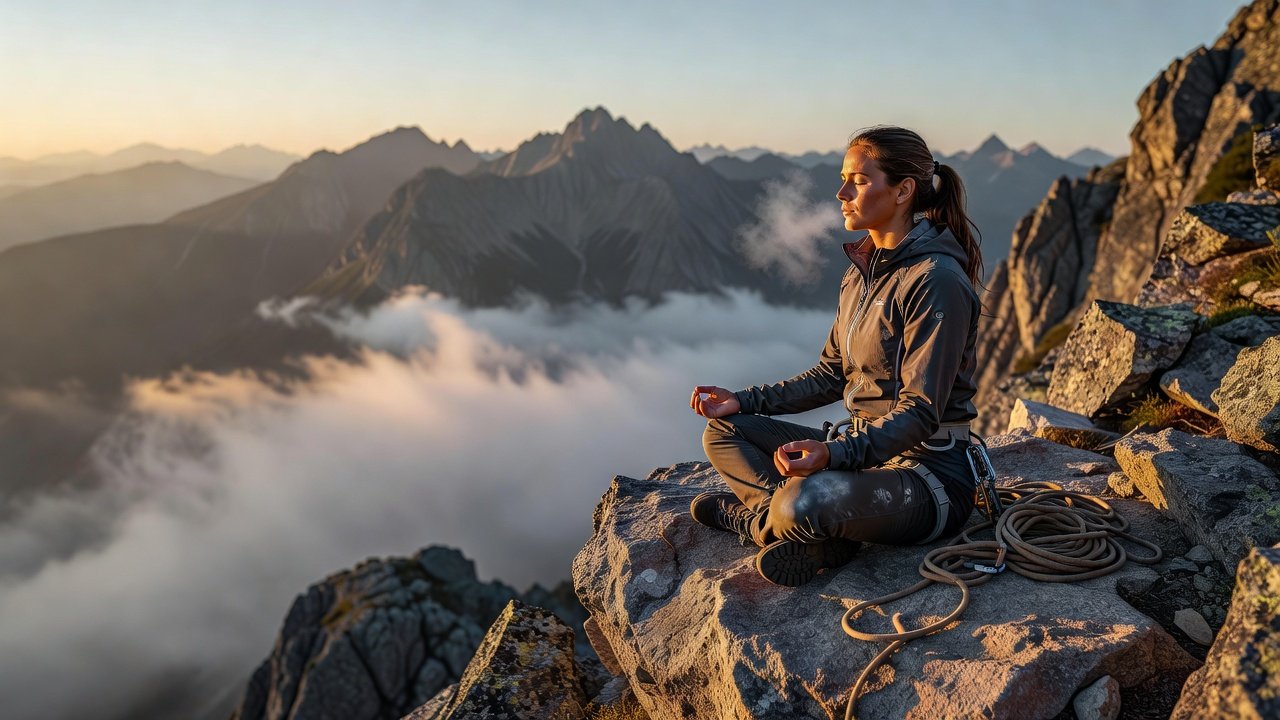
Introduction: Why Mindfulness Matters in Thrill-Seeking Adventures
Extreme sports and adventure travel push both body and mind to their limits. In 2026, athletes and explorers increasingly recognize that mental resilience is as critical as physical conditioning. Mindfulness practices help participants stay present, manage fear, and make split-second decisions that can prevent accidents. This approach transforms high-risk activities from reckless thrills into deeply rewarding experiences. Whether preparing for a multi-day trek in Patagonia or a technical climb in the Alps, integrating mindfulness builds the calm focus needed for peak performance. Research from leading health organizations shows that consistent mental training reduces anxiety and improves reaction times under stress, allowing adventurers to enjoy the journey while minimizing risks associated with panic or distraction.
Adventure seekers often overlook the mental component until a close call forces reflection. By building these skills proactively, travelers report higher satisfaction and better team dynamics on expeditions. This article explores proven techniques tailored for high-stakes environments, drawing from real athlete experiences and practical routines that fit demanding travel schedules.
Understanding the Role of Mindfulness in Adventure Travel
Mindfulness involves paying deliberate attention to the present moment without judgment. In extreme environments, this translates to heightened awareness of terrain, weather shifts, and personal physical cues. Unlike traditional training that emphasizes endurance and strength, mindfulness targets the mental side of performance, helping athletes avoid panic during sudden challenges like equipment failure or unexpected storms. Participants learn to observe thoughts as they arise rather than reacting impulsively, which proves invaluable when conditions deteriorate rapidly.
Comparisons reveal that mindfulness complements physical prep. Traditional regimens build muscle memory, while mindfulness sharpens decision-making. Athletes who combine both report fewer injuries and greater overall satisfaction on expeditions. The synergy creates a holistic preparation model where mental clarity amplifies physical capabilities, leading to safer outcomes and more memorable adventures across diverse terrains worldwide.
Breathing Exercises Before High-Risk Activities
Controlled breathing activates the parasympathetic nervous system, lowering heart rate and sharpening concentration. Professional guides recommend these routines immediately before activities like base jumping or whitewater rafting. These exercises can be performed in under five minutes yet deliver lasting calm that carries through the activity.
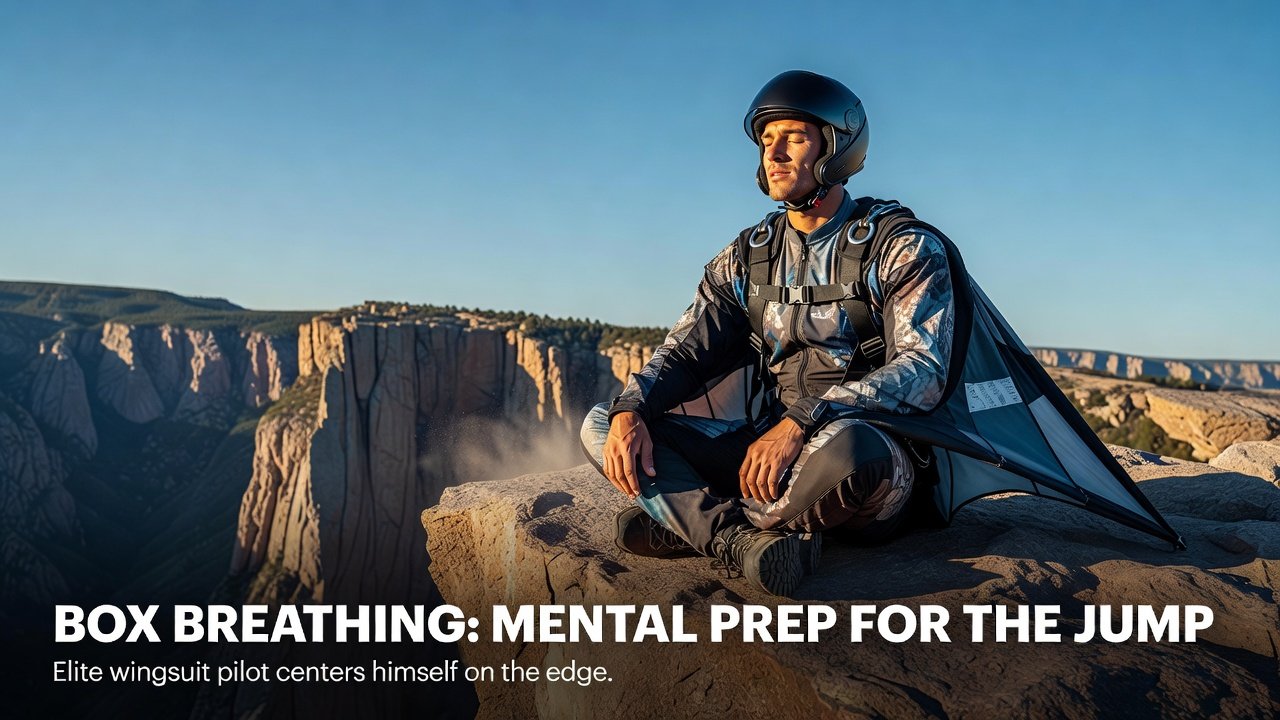
- Box breathing: Inhale for four counts, hold for four, exhale for four, hold for four. Repeat five cycles to reset focus before a descent.
- Physiological sigh: Take two quick inhales through the nose followed by a long exhale through the mouth. Use this when tension spikes mid-activity.
- Diaphragmatic breathing: Place one hand on the belly and breathe deeply so it rises more than the chest, for two minutes to ground yourself at the start of each day.
- Alternate nostril breathing: Close one nostril and breathe through the other, switching sides after each inhale-exhale pair for three minutes to balance nervous system activity.
Perform these while visualizing successful execution of the activity. Many 2026 athletes credit these exercises with maintaining composure during critical moments, such as navigating sudden wind gusts or equipment adjustments at altitude.
Visualization Strategies Used by Professional Athletes
Top performers mentally rehearse entire scenarios, including potential setbacks. This technique, drawn from sports psychology, strengthens neural pathways for real-world execution. For example, a 2026 mountaineer preparing for an Everest expedition might spend 15 minutes daily picturing each pitch, weather changes, and calm responses to fatigue. Visualization works because the brain processes imagined events similarly to actual ones, building confidence and reducing performance anxiety.
Step-by-step visualization routine: 1) Sit quietly and close your eyes in a distraction-free spot. 2) Replay the full activity in vivid sensory detail, noting sights, sounds, and physical sensations. 3) Include positive outcomes and recovery from errors to prepare for variables. 4) Finish with a sense of gratitude for the experience and the opportunity to push limits safely. Repeat daily for two weeks before a major trip to embed the patterns deeply.
Integrating Daily Meditation Into Multi-Day Trips
Long expeditions offer ideal opportunities for short, consistent meditation sessions. Even five to ten minutes at dawn or dusk can reset focus and improve sleep quality. Use apps with offline modes or simple body-scan techniques to stay grounded without extra gear. On multi-day adventures, schedule sessions around natural breaks such as after breakfast or before dinner to avoid disrupting group momentum.
Practical integration tips include pairing meditation with gear checks or meals. This builds habit without disrupting tight schedules. Athletes on 2026 expeditions to remote areas like the Himalayas reported enhanced enjoyment and fewer conflicts within teams after adopting group mindfulness moments. For solo travelers, combining meditation with journaling about daily observations strengthens self-awareness and helps process the intense emotions that arise in extreme settings.
Mindfulness Versus Traditional Training: Key Comparisons
Traditional training focuses on physical metrics such as VO2 max and strength gains. Mindfulness adds layers of emotional regulation and situational awareness. Studies indicate combined approaches yield superior results in high-stakes environments, with participants experiencing lower stress responses and faster recovery between efforts. Traditional methods excel at building raw power, but mindfulness prevents the mental fatigue that often leads to errors.
Mistakes to avoid: Treating mindfulness as a last-minute fix rather than a daily practice, or ignoring physical limits while chasing mental gains. Balance remains essential for long-term success. Athletes who neglect one side often face setbacks, while integrated programs produce well-rounded performers ready for any challenge.
Real-World Examples From 2026 Athletes
Professional kayaker Lena Torres used mindfulness during a record 2026 descent of a Class V river, crediting breathing techniques for navigating a near-miss with composure. Similarly, wingsuit flyer Marcus Hale incorporated visualization into pre-flight routines, achieving personal bests while prioritizing safety protocols. In another case, ultra-runner Sofia Patel applied daily body scans during a 2026 multi-stage trail race across the Andes, maintaining steady pacing despite altitude-induced doubt and finishing stronger than expected.
These cases illustrate how mental tools elevate performance when paired with rigorous preparation. Teams on guided expeditions have started incorporating short group breathing sessions, resulting in improved communication and quicker collective responses to changing conditions.
Common Mistakes to Avoid When Starting Mindfulness
Many beginners rush into advanced techniques without mastering basics, leading to frustration. Another pitfall is inconsistent practice during travel, which diminishes benefits. Instead, start small with one breathing exercise and build gradually. Avoid comparing your progress to others; mindfulness is personal and improves with patience over time.
Frequently Asked Questions
How much time does mindfulness require on expeditions?
Just 10-15 minutes daily suffices. Sessions can be split into short breathing resets throughout the day without adding significant downtime.
Can beginners start mindfulness without prior experience?
Yes. Start with simple breathing and progress to guided visualizations. Consistency matters more than perfection, and results appear within days for most practitioners.
Does mindfulness replace physical training?
No. It enhances it. Use both for optimal safety and enjoyment during extreme activities.
What if I feel too anxious to meditate before an activity?
Begin with just one minute of focused breathing. This often breaks the anxiety cycle and makes longer sessions easier to approach.
Are there tools or apps recommended for remote trips?
Offline-capable meditation apps or simple timers work well. Many athletes also use natural timers like sunrise for consistency in the field.
Conclusion
Mindfulness equips adventure travelers with tools for safer, more fulfilling extreme sports experiences. By adopting breathing exercises, visualization, and daily meditation, participants build lasting mental resilience. Begin incorporating these practices now to prepare for your next 2026 journey. For further reading on mental health benefits, visit World Health Organization, Mayo Clinic, and National Institutes of Health.
No comments yet. Be the first!