 PlaceBee
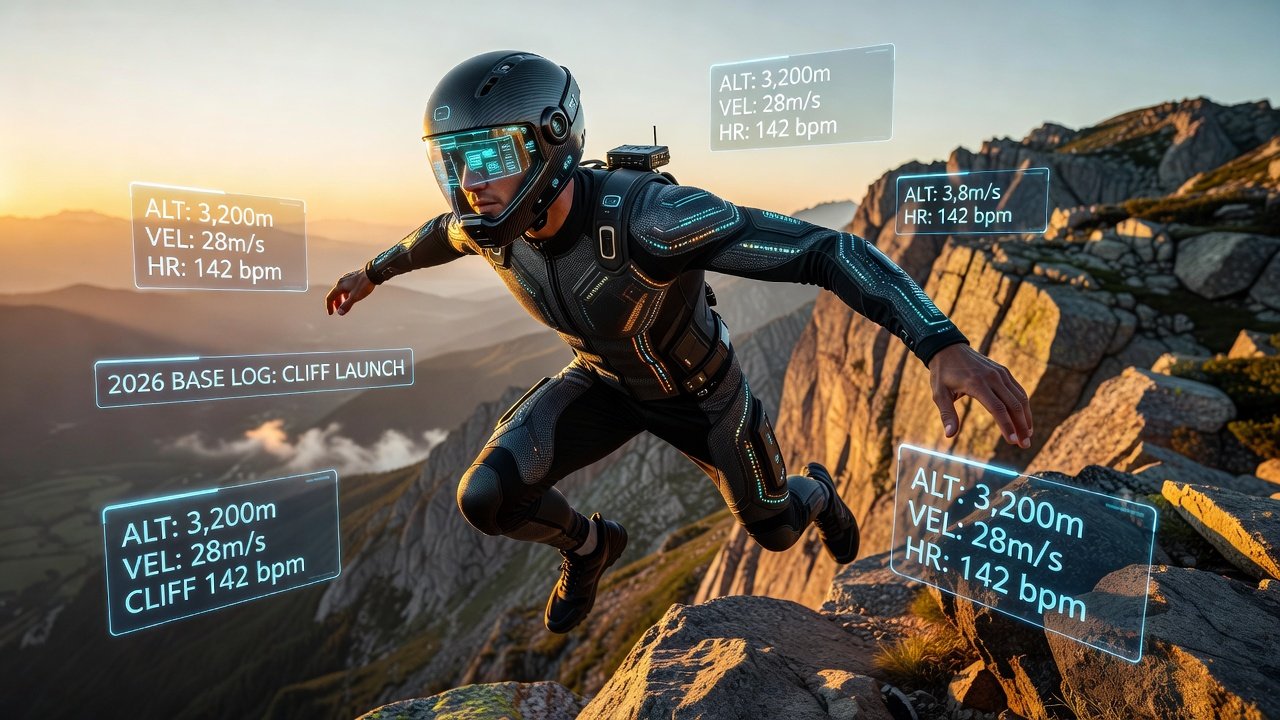
Extreme sports enthusiasts are experiencing a profound shift in 2026 as wearable technology integrates seamlessly into high-adrenaline activities. From real-time biometric feedback to advanced navigation tools, these devices enhance safety and performance while opening new possibilities for thrill-seekers worldwide. In an era where adventure travel combines physical limits with digital intelligence, wearables are no longer optional accessories but essential companions that redefine what is possible in remote and dangerous environments.
Key Innovations Driving the Wearable Tech Revolution
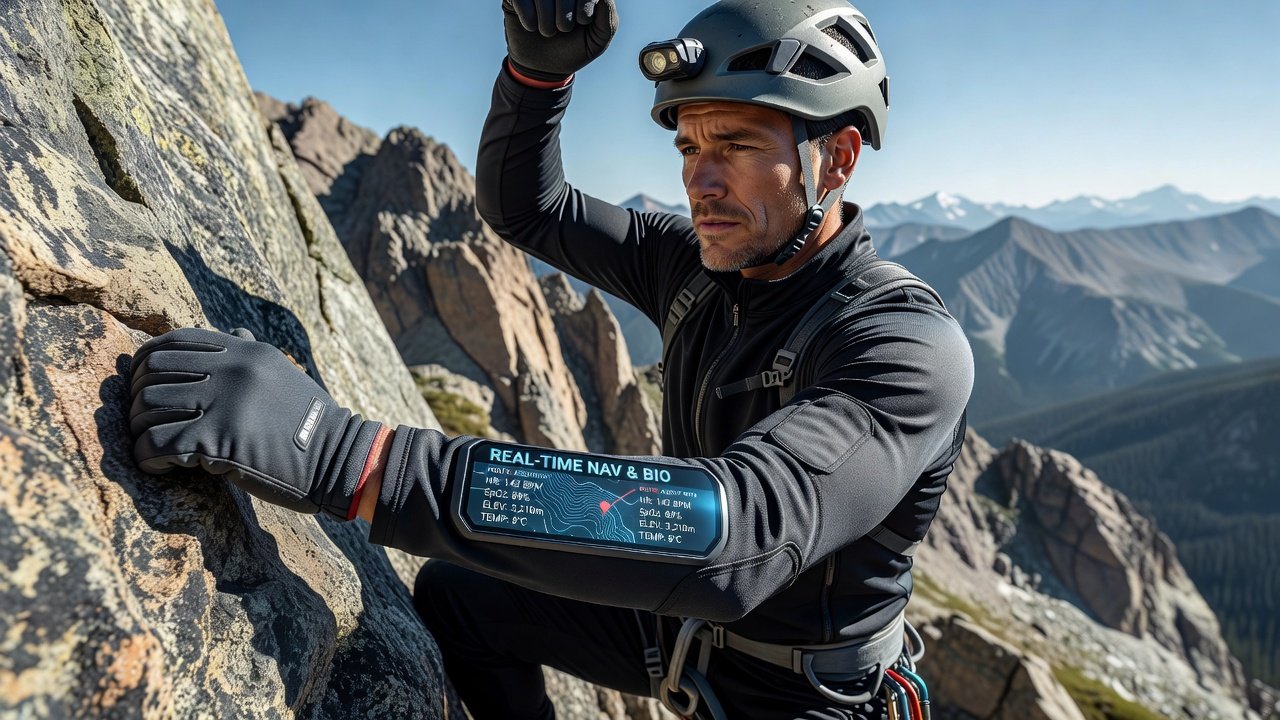
Smart helmets now incorporate impact sensors and augmented reality overlays that provide instant hazard alerts during high-speed descents or climbs. These helmets use lightweight materials combined with embedded microprocessors to detect sudden changes in velocity and issue warnings through bone-conduction audio. Biometric monitors track heart rate variability, oxygen saturation, and muscle fatigue with medical-grade precision, allowing athletes to adjust effort levels before exhaustion sets in. GPS-integrated suits offer turn-by-turn guidance overlaid on terrain maps, reducing disorientation risks in remote areas by syncing with satellite networks for continuous positioning even without cellular coverage.
Additional breakthroughs include haptic feedback vests that vibrate to signal proximity to obstacles and solar-rechargeable fabrics that extend battery life during multi-day expeditions. These innovations stem from cross-industry collaborations between outdoor equipment manufacturers and consumer electronics firms, resulting in devices that withstand extreme temperatures, water immersion, and high-impact forces.
Applications in BASE Jumping and Rock Climbing
In BASE jumping, wearables deliver altitude-triggered parachute deployment assistance and wind pattern analysis that calculates safe exit points in real time. Jumpers receive auditory cues about thermal updrafts and can review flight paths post-landing through synchronized mobile apps. Rock climbers benefit from grip-strength analytics and route optimization that syncs with climbing gym databases, suggesting handholds based on previous ascents logged by the community. These tools have lowered incident rates significantly according to industry reports from leading safety organizations.
Beyond these core activities, similar technology supports wingsuit flying by monitoring body position and paragliding by integrating air pressure sensors for precise altitude management. Practical examples include professional athletes using biometric data to fine-tune training regimens, resulting in personal best performances while minimizing injury downtime.
Comparing Leading Devices Available in 2026
When evaluating options, consider the trade-offs between specialized and versatile systems. Helmet systems with multi-sensor arrays provide comprehensive head protection and data collection but add weight, whereas lightweight visor models prioritize mobility for technical climbs. Full-body biometric suits excel in delivering holistic physiological insights during prolonged efforts, while modular armband options offer easier setup for beginners testing the waters.
- Helmet systems with multi-sensor arrays versus lightweight visor models: The former suits high-risk jumps with built-in emergency beacons; the latter favors agility in narrow rock fissures.
- Full-body biometric suits versus modular armband options: Suits capture comprehensive data including core temperature, ideal for desert or arctic adventures, whereas armbands focus on heart metrics for shorter sessions.
- Integrated GPS apparel compared to standalone wrist units: Apparel provides seamless integration without extra gear, but wrist units allow quick swaps between activities like mountain biking and kayaking.
Each category excels in different environments, with full suits favored for multi-day expeditions where reliability outweighs bulk.
Step-by-Step Integration for Adventure Itineraries
- Assess your primary activity risks and select core devices accordingly, starting with a helmet for impact sports and adding monitors for endurance-focused pursuits.
- Pair wearables with smartphone apps for data synchronization before departure, ensuring firmware updates are installed to access the latest safety algorithms.
- Test all functions during controlled training sessions in familiar locations to identify connectivity issues or calibration needs.
- Share location data with emergency contacts via secure cloud services while configuring privacy settings to limit third-party access.
- Review post-activity analytics to refine future plans, identifying patterns such as heart rate spikes at specific elevations.
- Pack backup power sources and familiarize yourself with manual overrides in case of device malfunction during isolated adventures.
Sustainability Considerations in Modern Wearables
Manufacturers increasingly use recycled materials and solar-charging components to reduce environmental impact. Choosing devices from brands committed to environmental standards helps minimize the ecological footprint of adventure travel. Many 2026 models incorporate biodegradable casings and low-energy Bluetooth protocols that extend usability without frequent replacements. This approach aligns with broader industry efforts to promote responsible outdoor recreation that preserves natural landscapes for future generations.
Benefits for Beginners and Seasoned Professionals
Newcomers gain confidence through guided feedback that mimics expert coaching, with visual cues on visors highlighting safe paths and warning of overexertion. Veterans optimize training loads and recover faster using detailed physiological insights that track recovery metrics overnight. Both groups enjoy enhanced situational awareness in unpredictable conditions, such as sudden weather shifts or route deviations. Real-world applications show beginners completing first-time climbs with fewer errors, while pros extend their careers through data-driven injury prevention strategies.
Common Mistakes to Avoid When Adopting Wearables
Over-reliance on technology without developing fundamental skills can lead to complacency in critical moments. Always cross-verify device readings with personal judgment and environmental cues. Neglecting regular maintenance, such as sensor cleaning after dusty climbs, reduces accuracy over time. Ignoring data privacy settings may expose sensitive health information during shared trips. Finally, failing to budget for firmware subscriptions can limit access to evolving features that improve safety protocols.
Future Trends and Predictions
Looking ahead, integration with broader networks like satellite-based emergency response systems promises even greater resilience. Partnerships with organizations such as National Geographic are exploring citizen-science applications where athlete-collected data contributes to environmental monitoring. These developments will further blur the line between recreation and research, empowering users to contribute meaningfully while pursuing their passions.
Frequently Asked Questions
What are typical costs for these technologies?
Entry-level options start at accessible price points while premium systems command higher investments depending on features and durability, with ongoing expenses mainly limited to occasional replacements rather than recurring fees.
How is personal data protected?
Leading platforms employ end-to-end encryption and comply with international privacy regulations to safeguard sensitive biometric information, giving users full control over sharing preferences through intuitive dashboards.
What developments are expected beyond 2027?
Future iterations may include AI-driven predictive safety algorithms and deeper integration with environmental monitoring networks from sources like CDC guidelines on physical activity safety.
Are these devices suitable for all skill levels?
Yes, most systems include adjustable sensitivity modes and tutorial modes that scale complexity from novice guidance to advanced analytics, ensuring broad accessibility across experience levels.

No comments yet. Be the first!