 PlaceBee
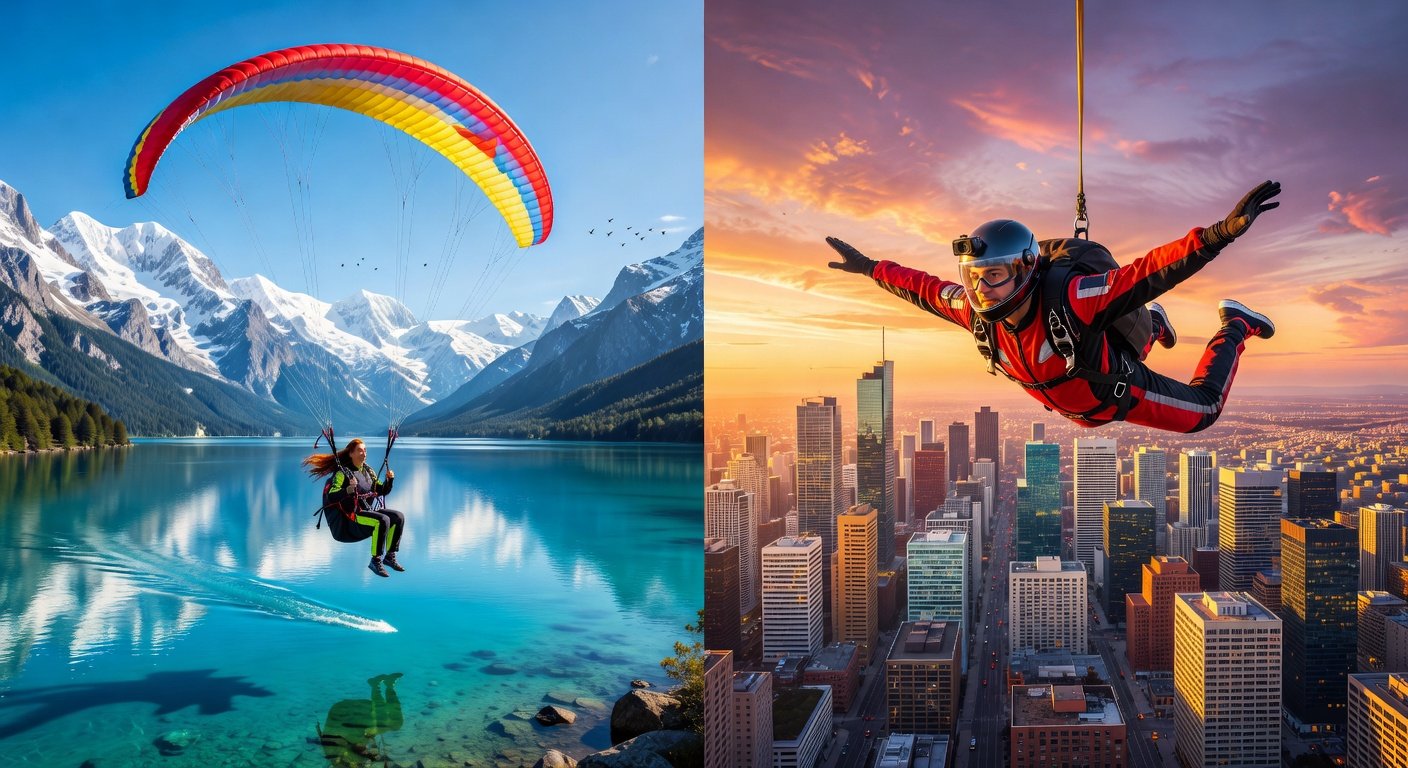
Introduction to Ultimate Adrenaline Rushes
Are you craving the ultimate adrenaline-pumping adventure for your 2026 travel plans? Paragliding and skydiving stand out as two premier extreme sports that blend breathtaking views with heart-racing thrills. Paragliding lets you soar like a bird on lightweight wings, while skydiving delivers freefall ecstasy before a parachute deployment. Both offer unparalleled outdoor adventures, but which one suits your thrill-seeking style? In this comprehensive comparison, we'll break down costs, top destinations, required skills, adrenaline levels, gear innovations, safety protocols, and unique experiences to help you decide.
Whether you're a newbie chasing your first rush or a seasoned adventurer, understanding these differences will guide your choice for unforgettable adventure travel.
Costs: Budgeting for Your High-Flying Adventure
Cost is a key factor in extreme sports planning. Tandem jumps or flights make both accessible for beginners.
- Skydiving: Expect $200–$300 for a tandem jump (including gear and instructor). Solo jumps after certification range from $25–$35 per jump. Annual gear costs for ownership: $3,000–$8,000.
- Paragliding: Tandem flights cost $100–$250. Training courses (essential for solo flying) run $1,500–$3,000 for 10–20 days. Gear purchase: $2,500–$5,000, with wings needing replacement every 200–300 hours.
Skydiving offers cheaper entry for one-offs, but paragliding's ongoing costs suit frequent flyers who invest in portability.
Required Skills: From Beginner to Pro
No extreme sport is truly 'easy,' but skill barriers vary.
Skydiving Skills
Minimal prior experience needed for tandems. Full certification (AFF course) requires 25 jumps, physical fitness, and mental resilience for freefall. Advanced skills include formation skydiving or wingsuit flying.
Paragliding Skills
Tandems are beginner-friendly, but solo flying demands a structured course (SIV, mountain flying). You'll need agility, weather-reading ability, and 50+ hours of practice. It's more technical, emphasizing passive soaring over active jumps.
Paragliding rewards patience; skydiving favors boldness.
Adrenaline Levels: Measuring the Thrill Factor
Adrenaline is subjective, but metrics help.
- Skydiving: 60 seconds of freefall at 120 mph (193 km/h) spikes heart rates to 180+ bpm. The sudden rush from plane exit is unmatched.
- Paragliding: Sustained flight at 20–50 mph with thermals creates prolonged euphoria. Sudden collapses or speed-flying add bursts, but it's smoother overall.
Skydivers report peak intensity; paragliders enjoy extended immersion.
Top 2026 Destinations for Epic Thrills
2026 promises prime conditions with emerging spots and events.
Skydiving Hotspots
- Dubai, UAE: Palm JUMP – world's highest tandem at 13,000 ft over skyscrapers.
- Interlaken, Switzerland: Alpine drops with Jungfrau views; host to international boogies.
- Wollongong, Australia: Coastal cliffs for scenic ocean plunges.
Paragliding Paradises
- Annecy, France: Lake soaring with Mont Blanc backdrop; Red Bull Dolomites preview site.
- Queenstown, New Zealand: Coronet Peak launches over fjords.
- Oludeniz, Turkey: World's best beach launch; XC competitions in 2026.
Check local forecasts; 2026 events like the USPA Skydiving Championships or FAI worlds amplify the vibe.
Gear Innovations Revolutionizing the Sports
Tech advancements make both safer and more thrilling.
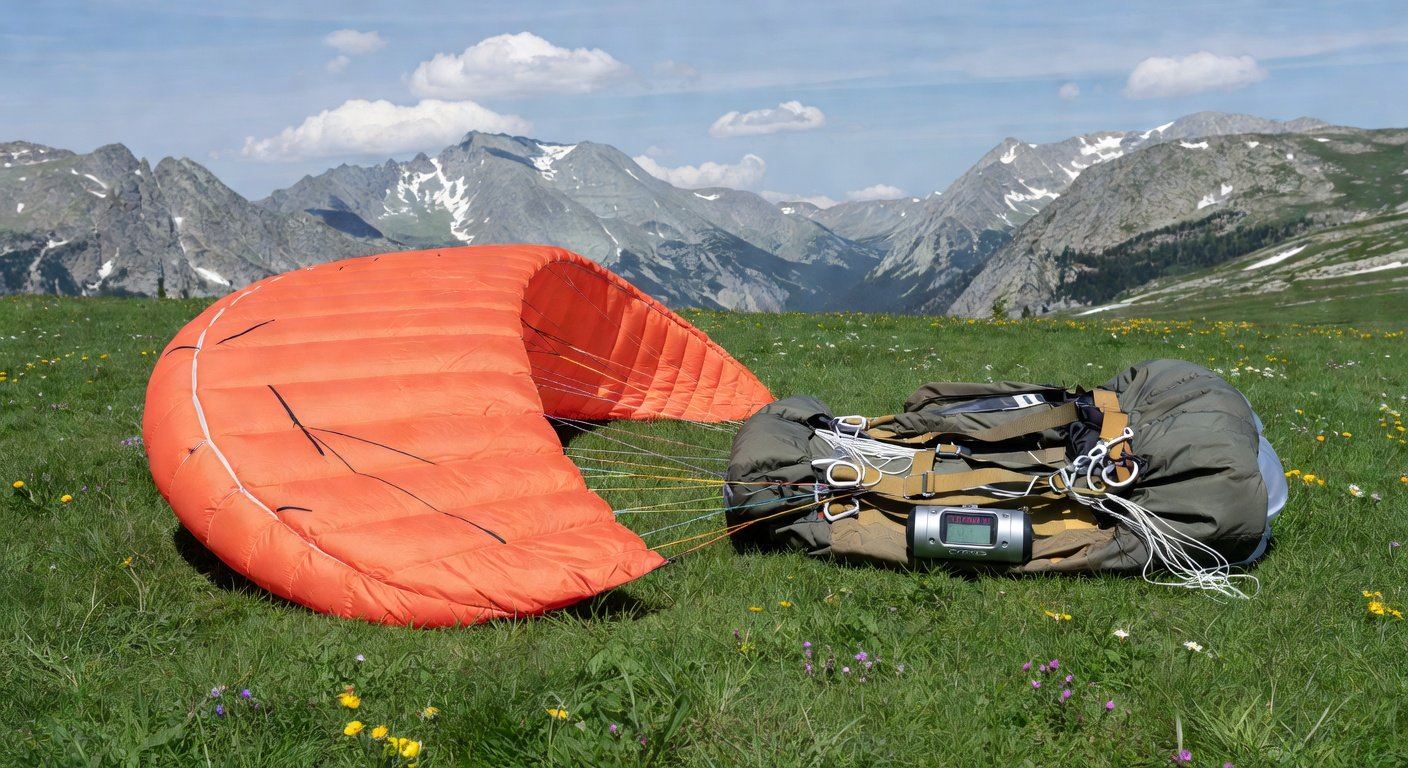
- Skydiving: Compact Automatic Activation Devices (AADs) like CYPRES deploy reserves at low altitudes. Wingsuits with ram-air designs extend glide ratios to 3:1. VR training sims prepare jumpers affordably.
- Paragliding: Ozone and Gin Gliders' 2026 models feature shark-nose profiles for stability in turbulence. Electric winches and mini-motors (paramotors) extend range. Apps like FlySafe predict thermals via AI.
Visit FAI.org for certified gear standards boosting innovation.
Safety Protocols: Flying Responsibly
Safety first in extremes.
| Sport | Key Protocols | Fatality Rate (per 100k jumps/flights) |
|---|---|---|
| Skydiving | Tandem mastery, reserve checks, AAD mandatory. USPA ratings system. | ~0.4 (2023 data) |
| Paragliding | DHV/EN certification, pre-flight inspections, SIV training. Weather minimums. | ~5–10 (higher due to terrain) |
Both have improved 50% in a decade via tech and training. Always choose certified schools.
Unique Outdoor Adventures Each Offers
Beyond thrills, experiences differ.
- Skydiving Uniques: Night jumps with flares, canopy piloting (speed carving), or group formations. Pair with surf or ski for multi-sport days.
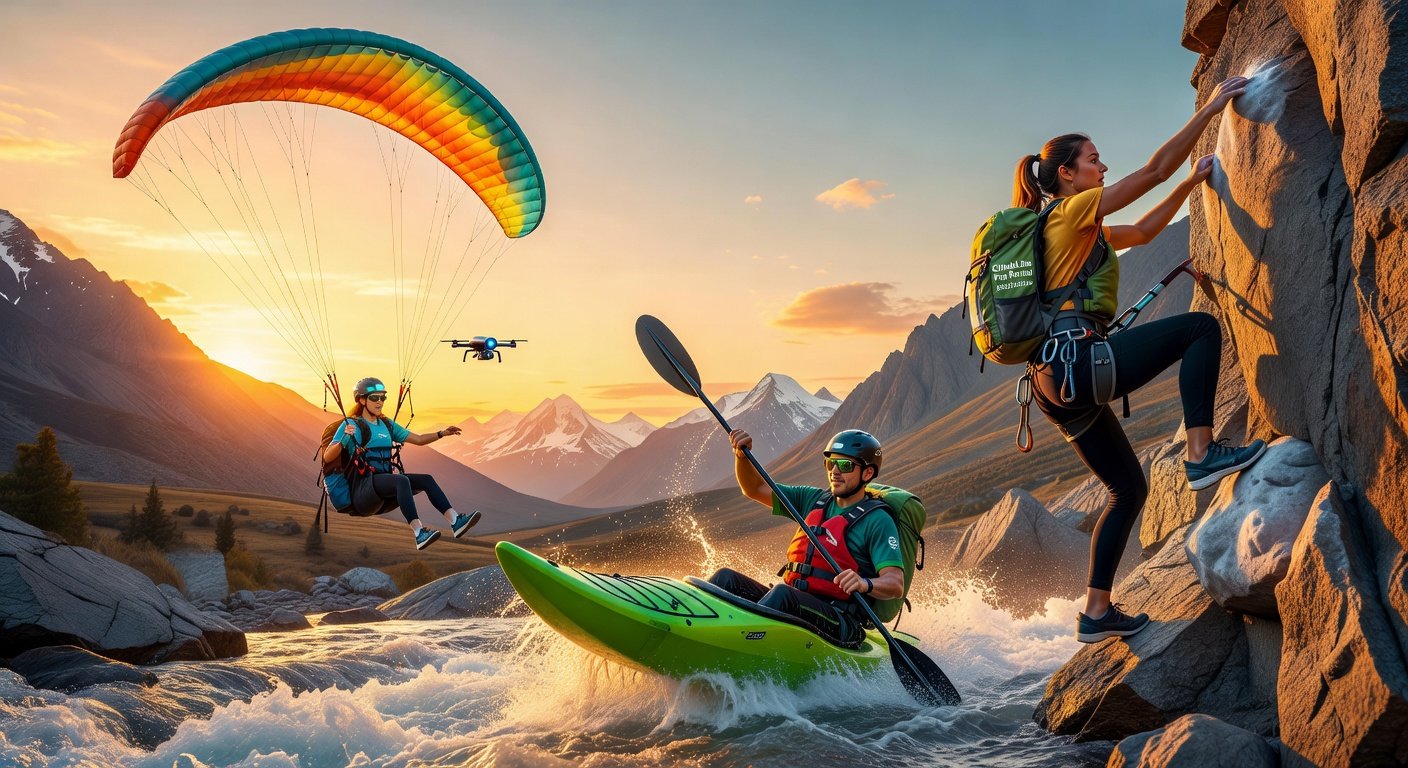
- Paragliding Uniques: Cross-country (XC) marathons (200+ km), hike-and-fly expeditions, or aero-towing over beaches. Eco-adventures like bird-watching from thermals.
Skydiving is event-driven; paragliding is exploratory.
How to Choose: Your Perfect Thrill Match
Assess your profile:
- Choose Skydiving if: You want instant, intense rushes; prefer structured drops; have limited time/budget for training; seek social jumps.
- Choose Paragliding if: You love nature immersion; enjoy skill progression; travel light; prioritize serene flights with occasional excitement.
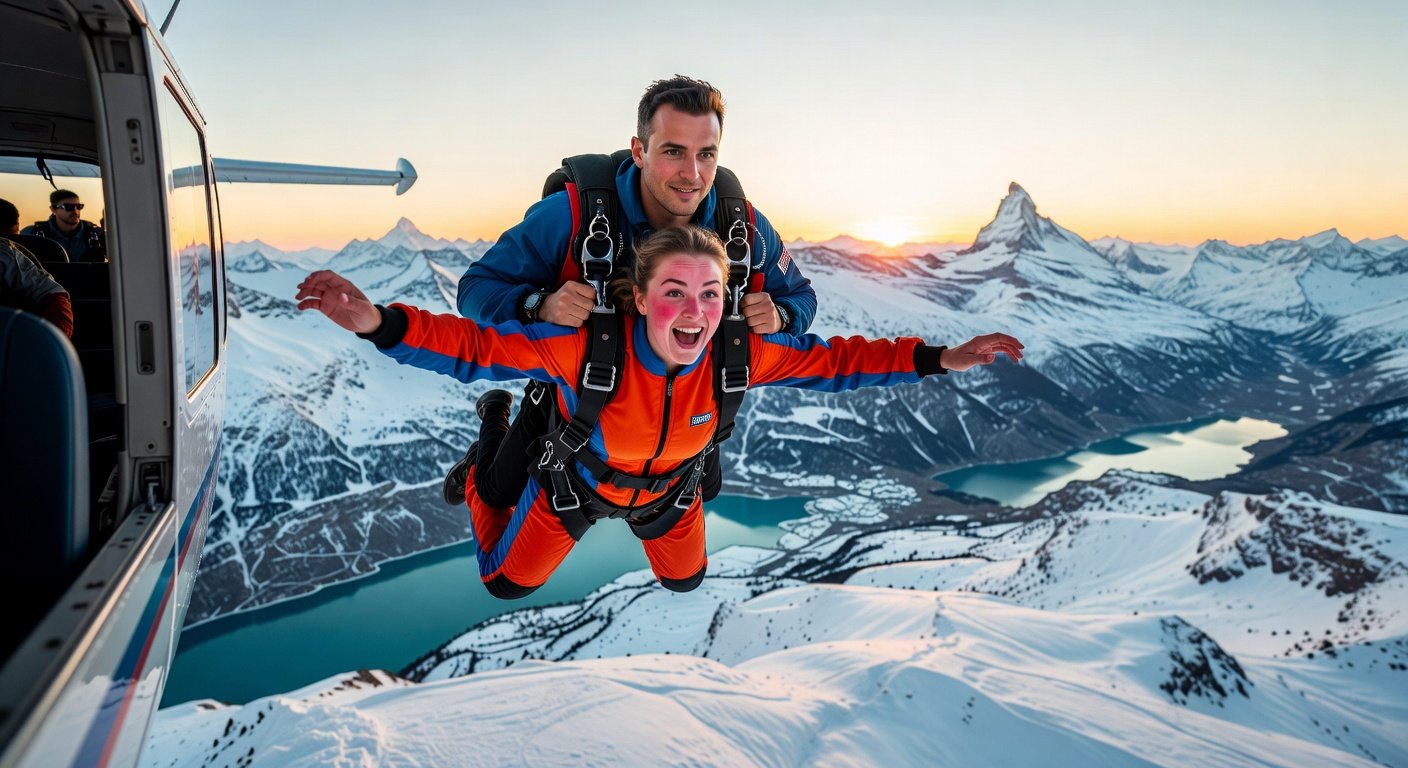
Beginner Tip: Start tandem in both, then commit. Budget $500–$1,000 for intro trips. Consult pros and monitor health—extreme sports demand fitness.
For 2026, book early as spots like Interlaken and Annecy fill fast. Whichever you pick, these sports promise life-changing adventures that redefine your limits.
Ready to leap? Share your choice in comments!
No comments yet. Be the first!