 PlaceBee
Introduction to Risk Management in Extreme Sports Adventure Travel
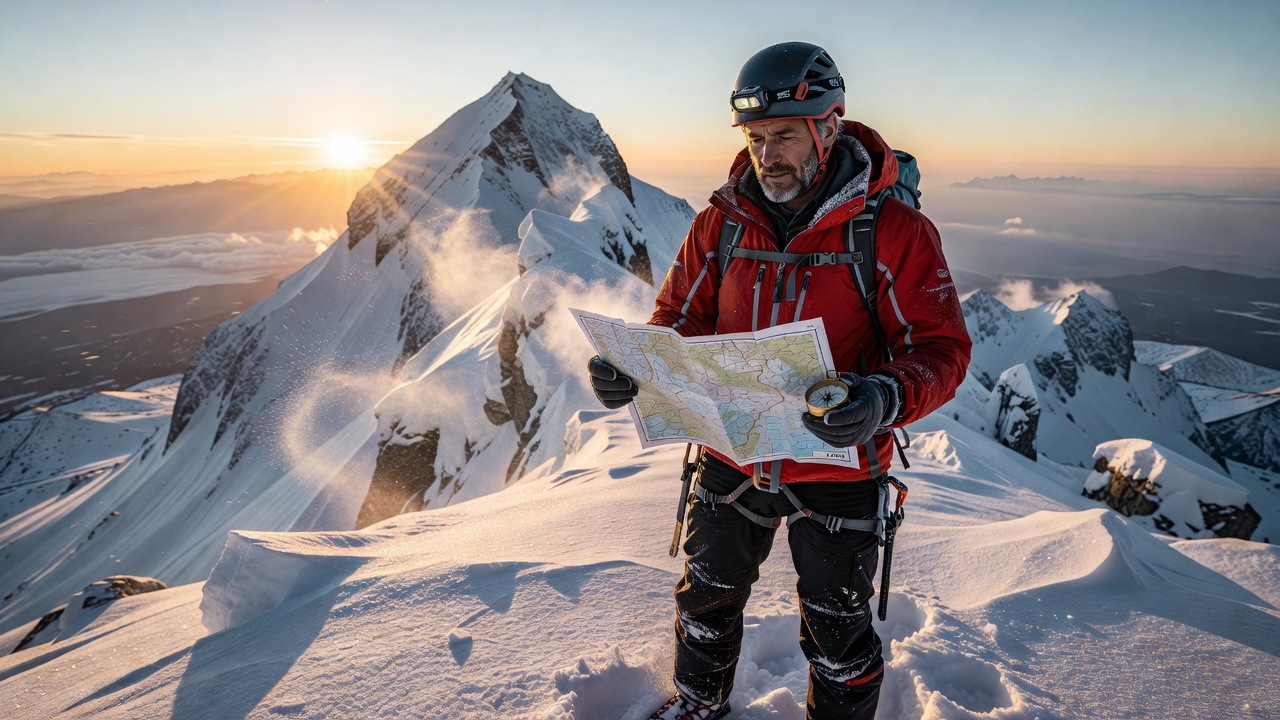
Adventure travel in 2026 continues to draw enthusiasts who seek the adrenaline rush of extreme sports including mountaineering, whitewater rafting, backcountry skiing, and technical climbing. These pursuits often occur in remote locations where immediate help is unavailable, making proactive risk management essential. This guide delivers in-depth frameworks for identifying hazards, assessing risks quantitatively, and applying mitigation hierarchies. Real-world expedition examples illustrate how these methods reduce incidents while preserving the excitement of adventure travel. Readers will gain practical tools for dynamic decision-making, legal preparedness, and understanding group versus solo dynamics to travel confidently.
Hazard Identification in Remote Outdoor Adventures
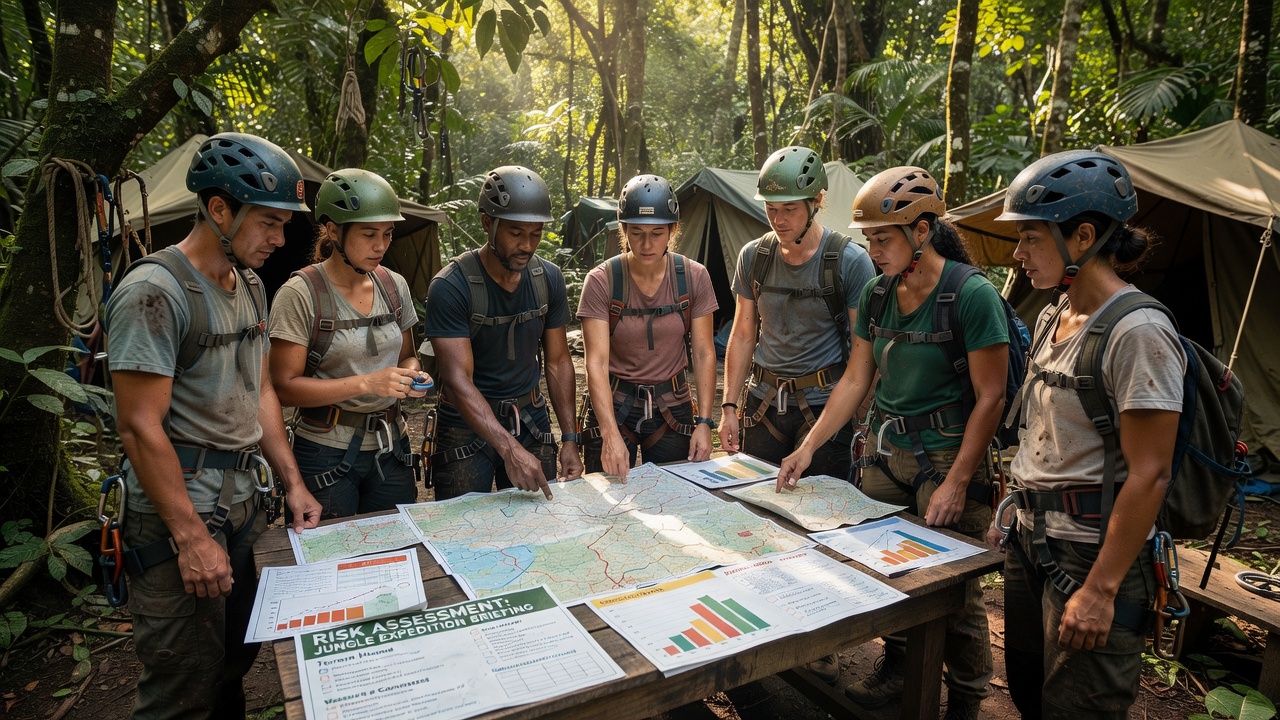
Effective hazard identification starts long before departure with detailed research into terrain, seasonal weather, and environmental factors. In remote areas like the Andes or Alaska wilderness, common hazards include unstable rock faces, sudden flash floods, wildlife encounters, and altitude-related illnesses. Expedition teams should review topographic maps, satellite imagery, and historical incident reports from similar routes. On-site, daily hazard scans involve observing changing snow conditions, water levels, or trail erosion. A 2025 expedition in the Himalayas updated their hazard list twice daily after noticing new crevasses forming due to warming temperatures, preventing several potential accidents. Incorporating local guide knowledge adds another layer, as indigenous insights often reveal micro-hazards not visible on standard maps.
Quantitative Assessment Tools
Quantitative tools turn subjective observations into measurable data. Risk matrices assign scores for likelihood and consequence on a 1-5 scale, producing an overall risk rating that guides prioritization. GPS-enabled apps combined with weather APIs allow real-time updates during activities. For example, avalanche risk models used in ski touring calculate slope angles, snowpack stability, and wind loading to output probability percentages. These tools help teams decide whether to proceed or retreat, especially when multiple hazards interact. Regular calibration of equipment ensures accuracy in harsh conditions.
Mitigation Hierarchies with Real Expedition Examples
The mitigation hierarchy prioritizes elimination of hazards first, followed by substitution, engineering controls, administrative procedures, and personal protective equipment as a last line. During a 2024 multi-week trek in Patagonia, leaders eliminated avalanche exposure by selecting an alternate valley route after matrix analysis showed unacceptable risk levels. In a 2025 whitewater expedition on the Zambezi River, substitution involved choosing a lower-volume section during peak flood season. Engineering controls included installing fixed anchors and temporary bridges, while administrative steps covered mandatory briefings and rotation schedules. Personal equipment such as helmets and throw bags served as final safeguards. These layered approaches proved effective when one raft capsized yet all participants reached safety quickly.
Dynamic Decision-Making During Activities
Dynamic environments require structured yet flexible decision frameworks. The adapted OODA loop encourages continuous observation of surroundings, orientation using gathered data, decisive action, and rapid feedback. During a backcountry ski trip in the Canadian Rockies, sudden whiteout conditions prompted immediate reassessment of slope angles and group spacing. Leaders activated pre-planned escape routes and used two-way radios to maintain contact. Simulation training beforehand builds muscle memory for these scenarios, reducing panic and improving outcomes. Incorporating rest cycles prevents fatigue-induced errors that compound risks.
Legal and Insurance Considerations
International adventure travel demands attention to varying legal landscapes. Participants must secure activity-specific insurance that covers search-and-rescue and medical evacuation. Waivers should be reviewed with legal counsel familiar with the destination country. Resources from CDC Travel Health provide vaccination and health alerts, while WHO offers global safety guidelines. In 2026, many policies now include drone-use clauses for remote monitoring. Always carry digital and printed copies of documents, and notify embassies of itineraries for added protection.
Group Versus Solo Risk Profiles
Group travel spreads observational duties and enables faster rescues but can slow progress due to varying fitness levels. Solo travelers enjoy scheduling freedom yet face higher self-rescue demands. Data from recent expeditions shows groups reduce fatality rates by 40 percent in technical terrain when communication protocols are followed. Solo adventurers mitigate risks through satellite messengers and detailed trip plans shared with contacts. Hybrid models, such as small guided parties with independent segments, offer balanced profiles for intermediate participants.
Step-by-Step Protocols for Adventure Preparation
- Perform environmental scouting using multiple data sources including satellite views and local ranger stations.
- Build a comprehensive risk register with probability scores and response triggers for each hazard.
- Create layered contingency plans covering weather shifts, injury scenarios, and equipment failure.
- Assemble redundant gear kits including navigation backups, first-aid supplies, and emergency shelters.
- Conduct pre-departure skills assessments and team briefings to align expectations.
- Schedule post-activity debriefs to document lessons and update future protocols.
Sport-Specific Comparisons
Each extreme sport carries distinct risk profiles requiring tailored strategies. Mountaineering focuses on crevasse rescue, rope systems, and acclimatization schedules to combat altitude sickness. Whitewater rafting emphasizes rapid water reading, eddy recognition, and swift-water rescue certifications. Backcountry skiing demands avalanche transceiver training and snow stability tests. Scuba diving in remote reefs requires decompression knowledge and marine hazard awareness. Comparing these reveals overlapping needs like communication devices but unique emphases on physical conditioning and technical certifications.
Emergency Response Protocols
Well-rehearsed emergency protocols minimize chaos during incidents. Establish clear roles such as medical lead, communicator, and navigator before activities begin. Carry satellite communicators with pre-programmed distress signals and maintain a 24-hour check-in schedule with base contacts. In a documented 2025 climbing incident in the Alps, rapid activation of a pre-arranged helicopter evacuation reduced response time to under two hours. Practice drills for common injuries like fractures or hypothermia ensure team members act instinctively.
Technology Integration in Risk Management
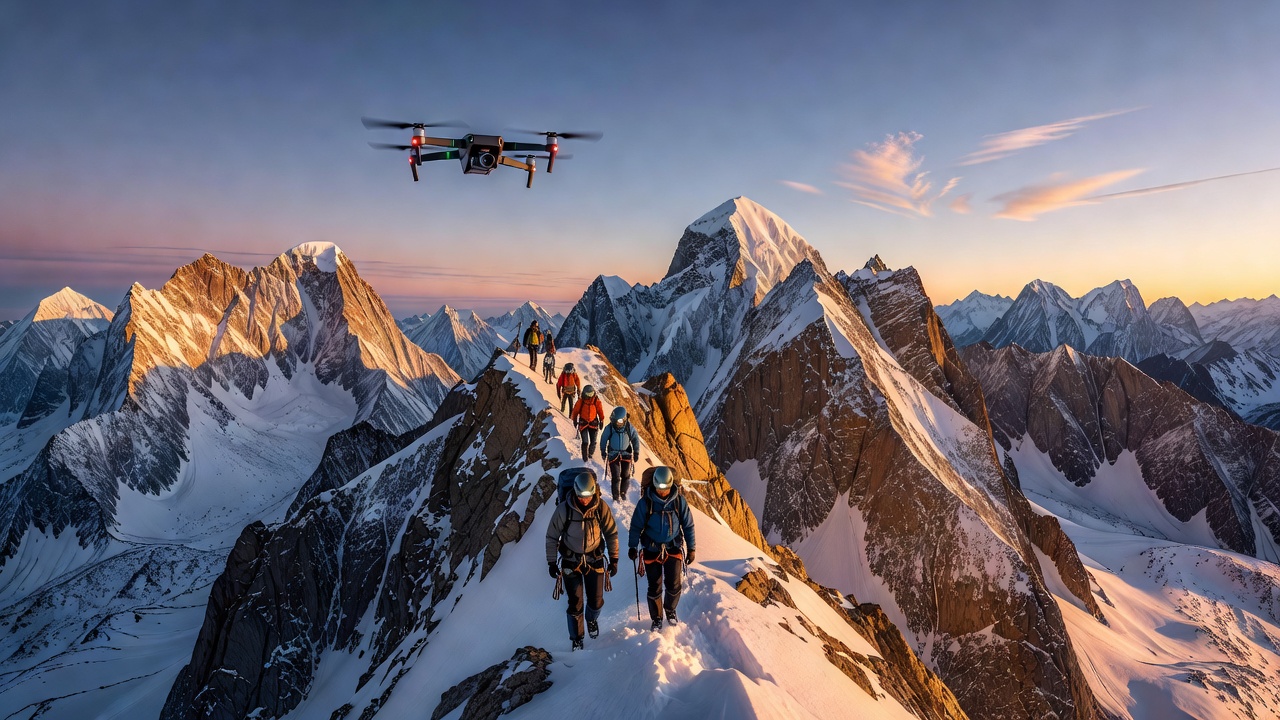
Modern tools enhance traditional methods. Drones provide aerial reconnaissance of routes ahead, while wearable sensors track heart rate and fatigue levels. Apps integrating topographic data with live weather forecasts allow mid-activity adjustments. However, technology serves as a supplement, never a replacement for fundamental skills like map reading and first aid. Battery management plans and analog backups remain critical in remote zones where signals fail.
Common Mistakes to Avoid
- Underestimating rapid weather changes in exposed terrain without frequent updates.
- Neglecting thorough equipment inspections that reveal wear before departure.
- Ignoring interpersonal dynamics that impair clear communication under stress.
- Over-relying on single navigation apps without cross-verification using compasses.
- Skipping acclimatization periods that lead to preventable altitude illnesses.
- Failing to share detailed itineraries with trusted contacts outside the group.
FAQ Section
What is the first step in risk management for extreme sports?
Begin with systematic hazard identification using maps, weather data, and expert consultations to build a complete risk picture.
How does insurance factor into adventure travel planning?
Obtain specialized extreme sports coverage that includes evacuation; cross-reference requirements via CDC Travel Health and WHO resources.
Are group or solo trips safer for extreme activities?
Groups provide mutual support and faster rescues, while solo trips demand superior self-reliance and redundant safety systems.
Which quantitative tools are most effective?
Risk matrices paired with real-time environmental sensors deliver reliable, data-backed assessments across varied expeditions.
How often should protocols be reviewed?
Conduct reviews after every activity and whenever new hazards emerge, ensuring continuous improvement.
Conclusion
Mastering risk management empowers adventurers to tackle extreme sports with calculated confidence. Integrating identification processes, assessment tools, mitigation hierarchies, and emergency protocols transforms potential dangers into manageable elements. Apply these comprehensive strategies on upcoming trips and consult authoritative sources such as National Park Service for region-specific updates. Safe exploration awaits those who prepare thoroughly.
No comments yet. Be the first!