 PlaceBee
Introduction to Urban Extreme Sports in 2026
Adventure travel in 2026 increasingly blends the thrill of extreme sports with the accessibility of major cities. Urban extreme sports such as parkour, rooftop climbing, and street luge allow travelers to experience adrenaline rushes without venturing deep into remote wilderness. These activities transform cityscapes into playgrounds, offering unique perspectives on iconic skylines while demanding respect for safety and local rules. Thrill-seekers are drawn to these pursuits because they combine physical challenge with cultural immersion. Whether tracing parkour routes through historic districts or navigating street luge runs in bustling metropolises, participants must prioritize preparation. This guide explores the key disciplines, practical planning, real-world destinations, and essential safety considerations for an unforgettable 2026 adventure. Urban environments provide constant variety through architecture, crowds, and unexpected obstacles, making each session dynamic and engaging for both novices and seasoned athletes.
Key Urban Extreme Sports Disciplines
Parkour Routes in Major Cities
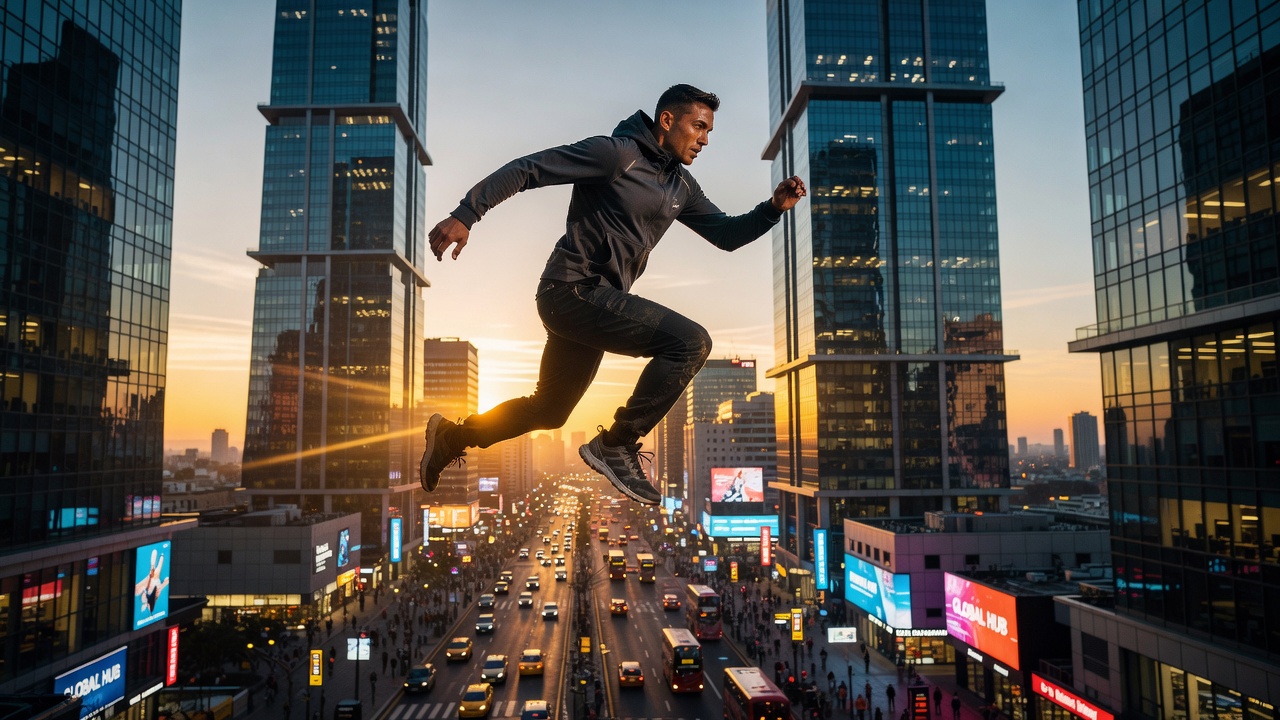
Parkour involves fluid movement through urban environments using jumps, vaults, and climbs. Cities like New York offer routes along the High Line and through financial district architecture, while Tokyo provides dense alleyways and temple-adjacent structures ideal for precision training. Beginners start with guided sessions to learn flow and obstacle assessment. In London, practitioners often utilize the South Bank area with its mix of modern and historic buildings, creating opportunities to practice precision jumps over railings and walls. Paris features expansive routes near the Seine where athletes can combine running with vaulting techniques across bridges and plazas. Advanced practitioners in these cities emphasize mental visualization before attempting complex sequences, reducing injury risk through progressive drills. Equipment needs remain minimal yet critical, focusing on lightweight clothing and grippy shoes designed for concrete surfaces.
Rooftop Climbing Adventures
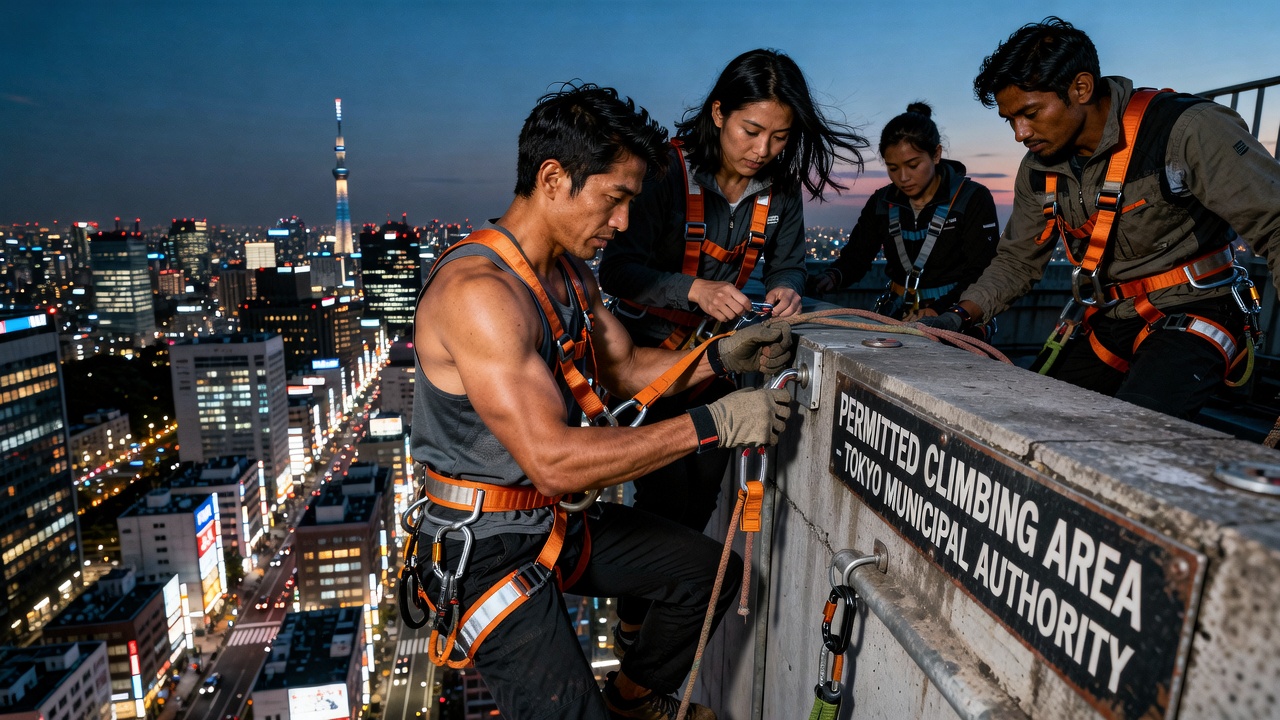
Rooftop climbing combines bouldering techniques with urban heights, often on permitted building ledges or specialized facilities. Participants use crash pads and harnesses in controlled settings before progressing to authorized climbs. This discipline emphasizes grip strength and mental focus amid city views. In New York, dedicated indoor-outdoor gyms simulate rooftop conditions with adjustable walls overlooking the skyline, allowing year-round practice. Tokyo offers elevated training platforms integrated into climbing centers that mimic ledge scenarios. Safety briefings typically cover wind assessment and anchor point verification, as urban gusts can differ dramatically from indoor environments. Travelers benefit from combining sessions with sunset views, turning physical challenges into memorable cultural experiences.
Street Luge on Urban Descents
Street luge adapts downhill skateboarding to paved city slopes, reaching high speeds on closed or permitted roads. Athletes lie prone on boards, navigating curves with body weight shifts. Locations with elevation changes, such as hilly neighborhoods in San Francisco or Lisbon, serve as prime testing grounds. Additional spots include steep avenues in Vancouver where permitted evening runs provide cooler temperatures and fewer pedestrians. Riders must master braking techniques using gloves and boots while maintaining aerodynamic positions. Community groups in these cities organize skill-sharing events to teach cornering strategies and group riding etiquette, fostering safer collective experiences for visitors.
Safety Protocols and Local Regulations
Safety forms the foundation of all urban extreme sports. Always wear certified helmets, pads, and appropriate footwear. Check weather conditions, inspect equipment, and never attempt moves beyond your skill level. Local regulations vary widely; many cities require permits for group sessions or prohibit activity in certain public spaces. In New York, for instance, organized events often need coordination with parks departments, whereas Tokyo enforces strict rules around temple grounds. Travelers should consult official municipal resources before planning sessions. For health guidelines on physical activity, refer to World Health Organization recommendations. Insurance policies tailored to adventure sports are essential, covering potential medical evacuations and liability. Additional resources from Centers for Disease Control and Prevention provide updated advice on injury prevention and hydration strategies during high-intensity sessions.
Step-by-Step Planning for First-Time Urban Sessions
- Research destinations and verify current regulations via city tourism boards at least one month ahead.
- Enroll in introductory classes with certified instructors to build foundational skills and receive personalized feedback.
- Secure necessary permits and confirm insurance coverage at least two weeks in advance to avoid last-minute cancellations.
- Assemble a safety kit including first-aid supplies, communication devices, and hydration packs suited for urban heat.
- Scout locations during daylight hours and identify emergency exit routes plus nearby medical facilities.
- Start with short sessions and gradually increase intensity while monitoring physical limits and fatigue signals.
- Connect with local communities through verified apps or clubs for real-time updates on conditions and best practices.
City Versus Wilderness Extreme Sports Comparison
Urban extreme sports differ markedly from wilderness counterparts. City activities provide immediate access via public transport and nearby medical facilities, reducing logistical barriers. However, they introduce variables like traffic, crowds, and stricter legal oversight compared to remote trails. Wilderness sports such as rock climbing in national parks offer solitude and natural terrain but require longer travel times and advanced self-sufficiency. Urban versions suit time-constrained travelers seeking quick thrills, while wilderness options appeal to those craving immersion in untouched environments. Both demand physical fitness and risk awareness, yet urban settings often foster community through local meetups. Urban sports also allow integration with sightseeing, creating hybrid itineraries that maximize limited vacation time.
Real-World Examples from New York, Tokyo, and Beyond
New York City's diverse architecture supports vibrant parkour scenes around Brooklyn Bridge Park and rooftop sessions in authorized midtown venues. Participants often combine sessions with visits to cultural landmarks for a balanced itinerary. Tokyo excels in street luge opportunities along permitted hillside routes near Shibuya and advanced parkour training in dedicated urban gyms. The city's efficient transit system makes transitioning between locations seamless, enhancing the overall adventure travel experience. London adds historic flavor with routes weaving around the Thames and Tower Bridge, while Paris blends climbing with artistic backdrops near Montmartre. These destinations demonstrate how urban sports evolve with local culture, offering travelers fresh challenges each visit.
Training and Skill Development Strategies
Effective preparation involves consistent cross-training including strength work, flexibility routines, and cardiovascular conditioning. Many athletes incorporate yoga for balance and mental resilience. Video analysis of personal runs helps identify form improvements, and progression ladders prevent overexertion. Joining progressive workshops in target cities accelerates learning curves for visitors.
Environmental and Community Considerations
Responsible participation includes minimizing noise, respecting private property, and leaving no trace in shared spaces. Urban athletes often collaborate with city planners to promote designated zones, benefiting future travelers and residents alike. Sustainable practices like carpooling to sites further align these sports with eco-conscious adventure travel trends.
Frequently Asked Questions
Do I need special permits for urban extreme sports?
Permits depend on the activity and location. Group parkour sessions or street luge events frequently require municipal approval, while individual training in public spaces may not.
What insurance should I obtain?
Choose policies explicitly covering extreme sports, including coverage for injuries and third-party liability. Review terms for exclusions related to urban environments.
Are these activities suitable for beginners in 2026?
Yes, with professional instruction. Many cities now host beginner-friendly programs that emphasize progressive skill development and safety education.
How do weather conditions affect urban sessions?
Rain or high winds can make surfaces slippery and increase risks dramatically. Always check forecasts and reschedule if conditions appear unfavorable.
What are common mistakes to avoid?
Overestimating abilities, ignoring local laws, and neglecting warm-ups rank among the top errors. Proper scouting and gradual progression mitigate most issues.
Conclusion
Urban extreme sports represent an evolving frontier in adventure travel for 2026. By mastering parkour, rooftop climbing, and street luge within city limits, travelers gain accessible thrills paired with cultural discovery. Diligent attention to safety, regulations, and structured planning ensures rewarding experiences that balance excitement with responsibility. Embrace these city-based adventures thoughtfully to create lasting memories while honoring the communities that host them.

No comments yet. Be the first!