 PlaceBee
Introduction to Canyoneering as an Extreme Sport
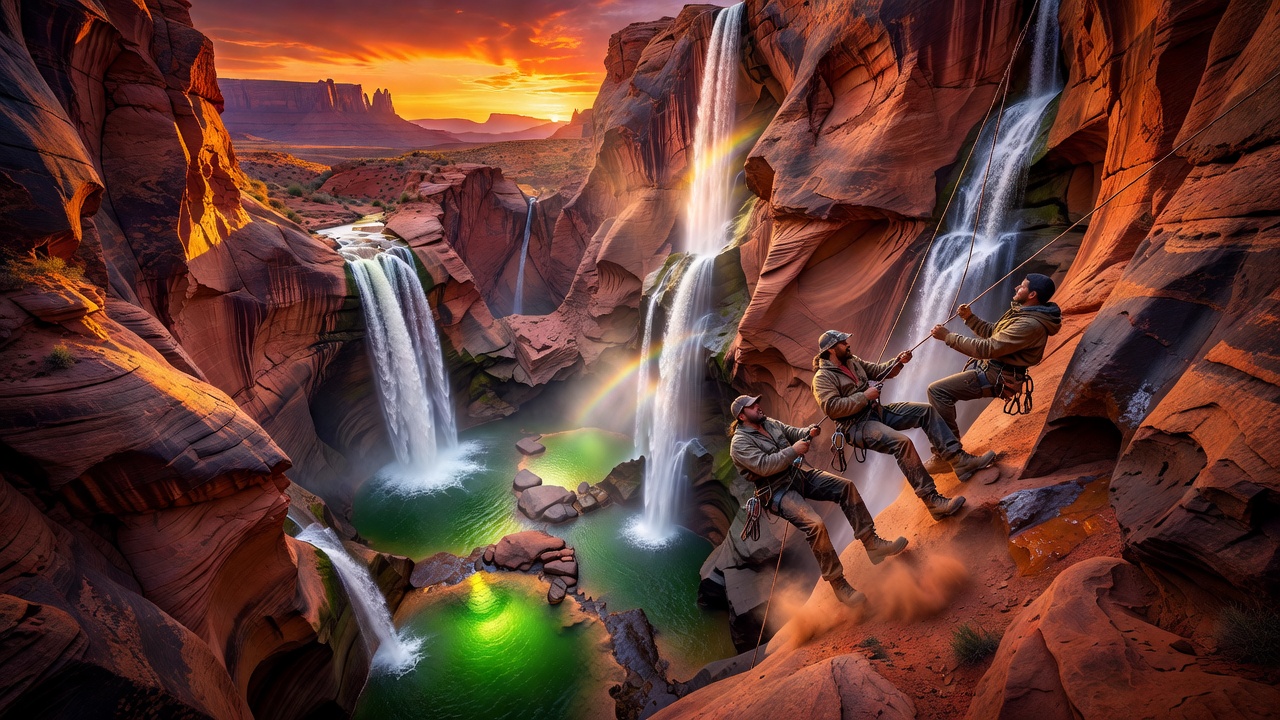
Canyoneering combines hiking, rappelling, swimming, and climbing through narrow slot canyons and remote wilderness areas, offering thrill-seekers an adrenaline-fueled alternative to mainstream activities like skydiving. In 2026, this pursuit continues to grow among adventure travelers seeking sustainable access to pristine natural environments while integrating it into broader multi-sport itineraries. The sport appeals to those who want more than a single-day adrenaline rush, providing an immersive experience that tests physical limits, problem-solving skills, and environmental awareness over several hours or even full days in isolated terrain.
Unlike guided tours in popular spots, canyoneering emphasizes self-reliance and technical skills in remote settings. Travelers often combine it with rock climbing, mountain biking, or kayaking for immersive trips. The 2026 trends highlight a shift toward low-impact exploration, with more participants choosing permits that support conservation efforts in fragile ecosystems. This guide covers everything from core techniques to destination planning, ensuring you can safely incorporate canyoneering into your next adventure.
Essential Techniques for Canyoneering
Success in canyoneering relies on mastering rappelling, navigating waterfalls, and swimming through cold slot canyon pools. Rappelling involves controlled descent using ropes and harnesses on steep drops, often 50-200 feet in technical canyons. Proper anchor setup and friction management are critical. Beginners should practice on short, straightforward drops before progressing to multi-pitch routes where rope management becomes complex.
Swimming sections require comfort in cold water while wearing a wetsuit, and waterfall navigation may involve jumping or sliding safely. Always assess water levels and flow before entering. Additional skills include route finding with maps and GPS, building natural anchors from trees or boulders, and emergency self-rescue techniques such as ascending a rope or escaping a keeper pothole. Many practitioners start with introductory courses that simulate these scenarios in controlled environments before heading into the backcountry.
Top Global Destinations for 2026 Trips
Prime locations include Utah's Zion National Park and Escalante region, where Bureau of Land Management lands offer vast slot canyons. National Park Service resources provide current access info. Internationally, consider Iceland's rugged canyons or Australia's Blue Mountains for diverse challenges. Emerging 2026 trends favor lesser-visited areas in Patagonia and the Canadian Rockies for sustainable wilderness experiences. Each destination presents unique geological features, from sandstone narrows to volcanic basalt formations, and varying water conditions that influence difficulty.
For example, Utah slots often feature dry rappels mixed with short swims, while Icelandic canyons may involve glacier-fed rivers requiring stronger swimming proficiency. Planning a 2026 trip should account for seasonal closures and permit lotteries that help manage visitor impact. Many adventurers now pair these locations with nearby activities like trail running or photography workshops to create balanced itineraries.
Required Gear Checklist
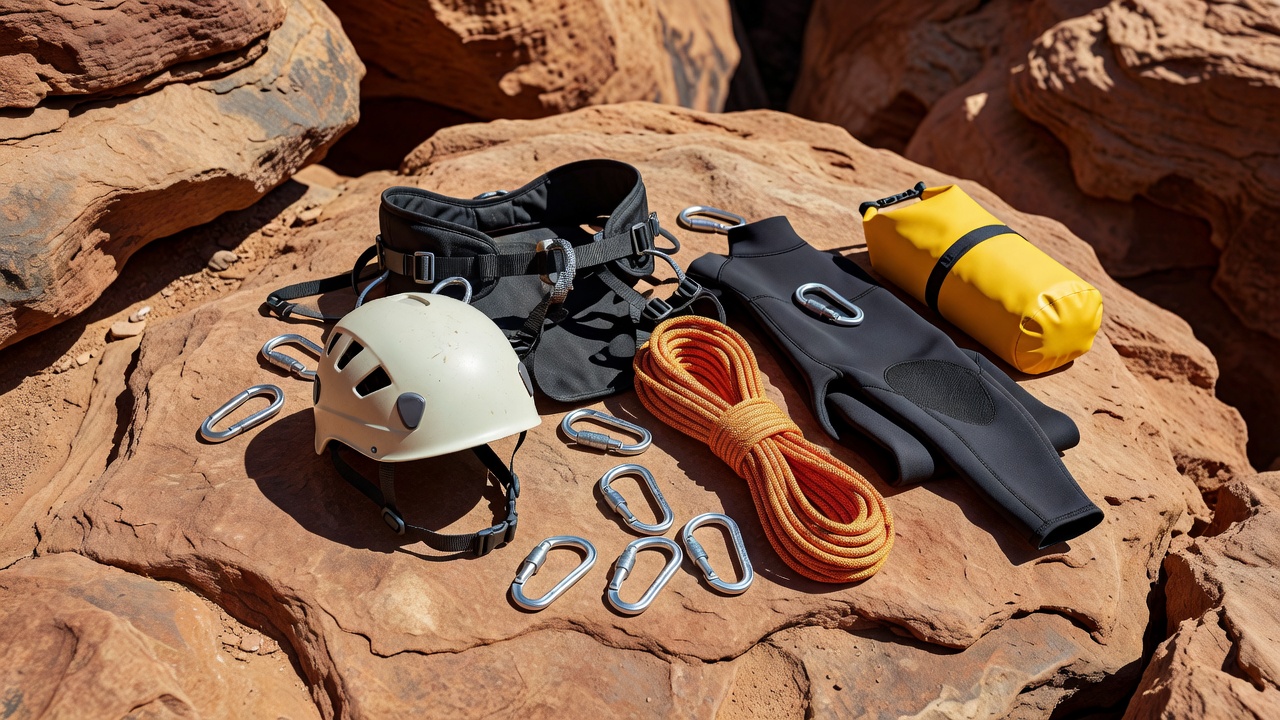
Selecting the right equipment ensures both safety and comfort during long days in the canyon. A comprehensive list includes:
- Helmet and headlamp for protection and low-light navigation – helmets must meet UIAA or CE standards to withstand rockfall.
- Harness, ropes, and descenders rated for canyoneering – static ropes are preferred over dynamic climbing ropes for abrasion resistance.
- Wetsuit or drysuit depending on water temperatures – 3mm to 5mm neoprene is common for most desert slots.
- Neoprene socks, gloves, and sturdy canyoneering shoes – shoes with sticky rubber soles improve grip on wet rock.
- Backpack with dry bags for gear protection – 25-40 liter packs allow room for extra layers and food.
- First aid kit, whistle, and multi-tool – include a personal locator beacon for remote areas.
Always inspect gear before each trip and replace worn components promptly. Many experienced canyoneers carry backup items such as extra carabiners and prusik cords for self-rescue scenarios.
Safety Protocols and Risk Management
Always check weather forecasts and flash flood risks. Travel with experienced partners and file trip plans with local authorities. Physical fitness is essential—participants need strong swimming ability, upper body strength, and endurance for multi-hour treks. Common mistakes include underestimating water flow or skipping anchor inspections. Additional protocols involve establishing communication signals within the group, carrying sufficient water and high-energy food, and knowing how to treat hypothermia or minor injuries on site. In 2026, many groups use satellite messengers to send real-time updates from areas without cell coverage.
Comparisons to Similar Outdoor Adventures
Canyoneering differs from rock climbing by focusing on downward movement through water features. It shares elements with whitewater rafting but emphasizes technical rope work over paddling. For multi-sport trips, pair it with hiking or via ferrata for balanced itineraries. Compared to mountaineering, canyoneering usually requires less altitude acclimatization but demands greater comfort with confined spaces and cold water immersion. This makes it an excellent complement to activities that build overall wilderness competency.
Step-by-Step Planning Advice
- Assess your fitness level and complete basic climbing or rappelling courses from certified instructors.
- Research permits and seasonal access for chosen destinations using official government sites.
- Assemble and test all gear well in advance, including practice sessions in local parks.
- Book guided introductions if new to the sport to learn local hazards.
- Plan logistics including shuttles, overnight permits, and emergency contacts.
- Review Leave No Trace principles to minimize environmental impact during your visit.
Real-World Traveler Examples
One group integrated canyoneering into a Utah-Arizona road trip, starting with moderate slots before tackling advanced routes. They spent seven days alternating between canyons and mountain biking, reporting improved route-finding skills that transferred across activities. Another traveler combined it with mountain biking in the Alps, noting improved route-finding skills across activities. A third example involves a solo adventurer who joined a small guided expedition in Iceland, using the experience to build confidence for future independent trips in the American Southwest. These stories illustrate how canyoneering can anchor longer, multi-activity journeys while fostering personal growth and technical proficiency.
FAQ Section
What fitness level is required?
Intermediate to advanced: strong swimming, hiking endurance, and comfort with heights. Training plans often include swimming laps, weight training for upper body, and long-distance hikes with elevation gain.
Is canyoneering suitable for beginners?
Start with guided trips on non-technical canyons before progressing independently. Many outfitters offer progressive skill-building packages that span several days.
How does it fit into 2026 sustainable travel trends?
Focus on low-impact routes and support local conservation efforts through organizations like the American Alpine Club. Choosing destinations with established permit systems helps protect fragile canyon ecosystems.
What should I know about weather and seasonal conditions?
Flash floods pose the greatest risk; always monitor forecasts and avoid narrow canyons during monsoon season. Spring and fall typically offer the most stable conditions in desert regions.
Conclusion
Canyoneering delivers unmatched remote adventure in 2026. With proper preparation and respect for the environment, it becomes a highlight of any multi-sport journey. Whether you are planning your first descent or expanding an existing itinerary, the sport rewards those who prioritize safety, skill development, and sustainability.

No comments yet. Be the first!