 PlaceBee
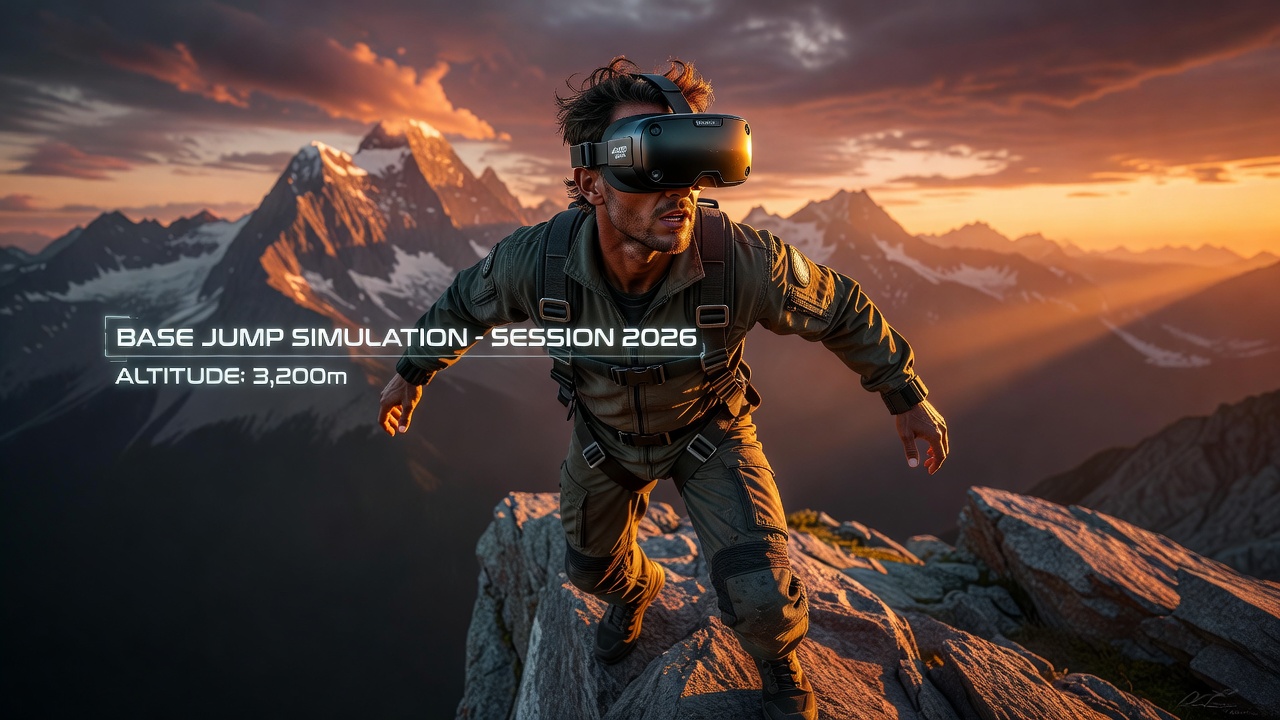
Introduction: Why VR Is Reshaping Extreme Sports Preparation
Tech-savvy thrill-seekers planning 2026 adventures increasingly turn to virtual reality to build skills before tackling real-world extremes. VR training offers risk-free repetition of complex maneuvers, helping athletes develop muscle memory and decision-making under pressure. This approach aligns perfectly with adventure travel trends emphasizing safety and performance gains without sacrificing the adrenaline rush.
By 2026, immersive technologies have matured to deliver hyper-realistic simulations that closely mirror physical conditions. Travelers can now rehearse BASE jumping exits or navigate whitewater rapids from their living rooms, reducing injury risks during actual trips. The focus remains on safer skill-building methods that complement, rather than replace, traditional outdoor practice. Research from organizations like the CDC underscores the value of simulation-based training in high-risk activities for minimizing accidents through repeated exposure.
Benefits of VR Training for Thrill-Seekers
Virtual reality provides numerous advantages for extreme sports preparation. It allows users to practice in controlled environments where mistakes carry no physical consequences, fostering confidence and reducing anxiety. Athletes can isolate specific skills, such as body positioning during freefall, and repeat them hundreds of times. This targeted approach accelerates learning curves compared to sporadic real-world attempts limited by weather, location, or cost.
Additionally, VR enables data-driven progress tracking through built-in analytics on reaction times, movement precision, and decision accuracy. For adventure travelers with busy schedules, sessions can fit into daily routines without needing access to remote mountains or rivers. The technology also supports mental rehearsal, which sports psychologists recognize as critical for peak performance in high-stakes scenarios.
Comparing Leading VR Platforms for Extreme Sports
Several platforms stand out for extreme sports training. Meta Quest 3 excels in standalone wireless freedom and hand-tracking accuracy, ideal for dynamic movements like paddling or freefall positioning. HTC Vive Focus 3 offers superior visual fidelity and room-scale tracking suited for larger simulation spaces. Varjo XR-3 provides enterprise-grade resolution favored by professional athletes for detailed environmental cues.
Each platform supports custom scenarios through Unity or Unreal Engine integrations. Quest 3 leads in accessibility for hobbyists, while Vive systems integrate better with motion platforms for enhanced realism. Varjo models shine in professional settings requiring precise depth perception. Travelers should evaluate hardware based on their target activities, available space, and whether they prefer wireless mobility or tethered high-performance graphics. Compatibility with third-party software for importing real terrain data from sources like satellite mapping further differentiates these options.
Step-by-Step VR Training Workflow for BASE Jumping
Begin with basic orientation sessions to acclimate to virtual heights and harness systems. Users spend initial time adjusting to the sensation of standing on virtual ledges while learning proper breathing techniques to manage simulated adrenaline. Progress to exit drills from simulated cliffs, focusing on body position, arm placement, and parachute deployment timing under varying wind conditions.
Advanced modules introduce wind variations, equipment malfunctions, and emergency procedures using branching decision trees that respond to user inputs in real time. For example, one scenario might require quick canopy control adjustments after a turbulent exit. Users repeat each phase until consistent performance metrics are achieved, typically over 10–15 sessions spread across several weeks. Data logging tracks reaction times and error rates, allowing targeted improvements before real jumps. A practical tip is to review session recordings immediately afterward to reinforce correct form.
Step-by-Step VR Training Workflow for Whitewater Kayaking
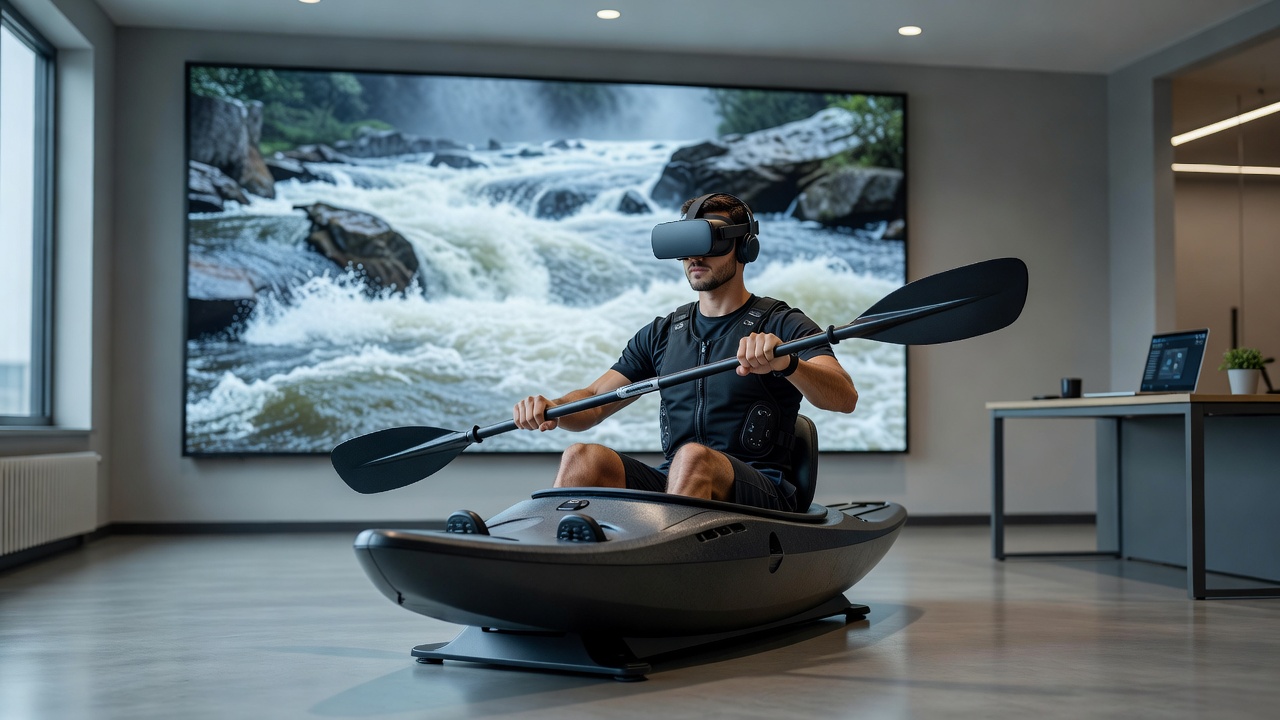
Start with calm-water paddling fundamentals to master stroke mechanics, balance, and boat edging. Trainees practice forward strokes, draws, and braces while receiving instant visual feedback on paddle angle efficiency. Advance to Class III rapids featuring eddy turns, hole navigation, and surf maneuvers. Full scenarios incorporate weather changes, rock avoidance, and group communication signals to simulate team dynamics on the river.
Integrate haptic feedback vests and resistance paddles to simulate water resistance and impacts from waves or boulders. Sessions conclude with detailed debriefs analyzing line choices, recovery techniques, and energy conservation strategies. This structured progression builds confidence transferable to actual rivers. Beginners benefit from slowing down simulation speed initially, while intermediates add variables like low-light conditions or unexpected strainers. Over multiple weeks, users can layer in multi-day expedition simulations that include portaging and campsite setup elements.
Real-World Transfer Success Stories
Professional athletes report measurable improvements after VR integration. One BASE jumper credited virtual exit practice with reducing hesitation during a 2025 record attempt, noting that repeated simulations helped perfect timing for wing-suit transitions. Kayakers from expedition teams noted faster adaptation to unfamiliar rivers after repeated VR sessions, leading to cleaner runs on remote waterways in Patagonia and the Himalayas.
Amateur travelers have also shared positive outcomes, such as a group of friends who used VR to prepare for their first multi-day rafting trip and completed the route with fewer incidents than expected. These examples highlight how simulation accelerates learning curves while preserving the excitement of live adventure travel. The key to success lies in consistent practice combined with gradual real-world exposure.
Recommended VR Gear Setups for 2026 Travelers
A complete setup includes a high-refresh-rate headset, wireless controllers with grip sensors, and optional full-body tracking suits for full immersion. Pairing with a dedicated PC or standalone unit ensures smooth performance during extended sessions. Add a stable play area with safety padding to prevent real-world collisions during intense movements. Popular combinations feature Meta Quest 3 with third-party accessories like additional base stations for enhanced immersion, suitable for most adventure enthusiasts preparing 2026 itineraries.
Consider accessories such as noise-canceling headphones for audio realism and biometric sensors that monitor heart rate during simulations. For those traveling frequently, portable VR kits with compact cases allow training on the road before reaching destination sites.
Understanding Cost Structures and Budgeting Tips
Entry-level VR systems fall into accessible consumer tiers, while premium options with advanced tracking command higher investments. Subscription-based training libraries provide ongoing scenario updates at recurring rates. Factor in potential add-ons like haptic devices when budgeting for comprehensive extreme sports preparation as of mid-2026. Many users start with basic hardware and upgrade selectively based on specific sports needs rather than purchasing everything at once.
Common Mistakes to Avoid in VR Training
One frequent error is skipping the acclimation phase, which can lead to disorientation or reduced effectiveness. Another is neglecting to cross-reference virtual skills with in-person coaching once outdoors. Over-reliance on perfect simulation conditions without introducing variables like fatigue can also create gaps in real-world readiness. Travelers should aim for balanced sessions that mix focused drills with full scenario runs to build resilience.
Integrating VR Training with Physical Outdoor Adventures
VR serves as an effective bridge between indoor practice and field application. Schedule virtual sessions two to three weeks before trips, followed by progressive real-world exposure starting with controlled environments. Combine data from VR analytics with on-site coaching for optimal results. This hybrid model maximizes skill retention while allowing travelers to focus on enjoyment during actual adventures. For instance, after mastering a virtual rapid sequence, athletes often report smoother navigation when facing the same river features in person.
Emerging 2026 Trends in Immersive Thrill Travel Tech
Expect greater AI-driven personalization of training scenarios and multi-user collaborative simulations for team-based sports. Cloud streaming will expand access to high-fidelity environments without expensive local hardware. Integration with biometric monitoring promises real-time feedback on stress responses during virtual challenges. These advancements align with broader wellness guidelines from the World Health Organization, which emphasize mental preparation alongside physical training for high-risk pursuits.
Frequently Asked Questions
Does VR training help with motion sickness?
Gradual exposure and proper calibration minimize discomfort for most users. Start with shorter sessions and use features like virtual horizons to ease adaptation. Resources from the CDC provide general guidance on managing simulator-related symptoms through hydration and breaks.
How effective are VR metrics for real-world performance?
Studies show strong skill transfer when sessions emphasize repetition and feedback. Effectiveness improves further when combined with physical practice and professional oversight. Metrics such as error reduction rates often predict better outcomes on actual adventures.
Can beginners use these workflows safely?
Yes, platforms include progressive difficulty levels designed specifically for novices transitioning into extreme sports. Always follow manufacturer safety instructions and consult a physician if you have pre-existing conditions.
What activities beyond BASE jumping and kayaking benefit from VR?
Rock climbing, paragliding, and mountaineering scenarios are increasingly available, allowing comprehensive preparation across multiple disciplines within one system.
Conclusion
VR training empowers 2026 adventure travelers to approach extreme sports with greater preparation and confidence. By leveraging platform comparisons, structured workflows, and thoughtful integration strategies, thrill-seekers can enhance safety and performance on their next journey while embracing the latest immersive technologies.

No comments yet. Be the first!