 PlaceBee
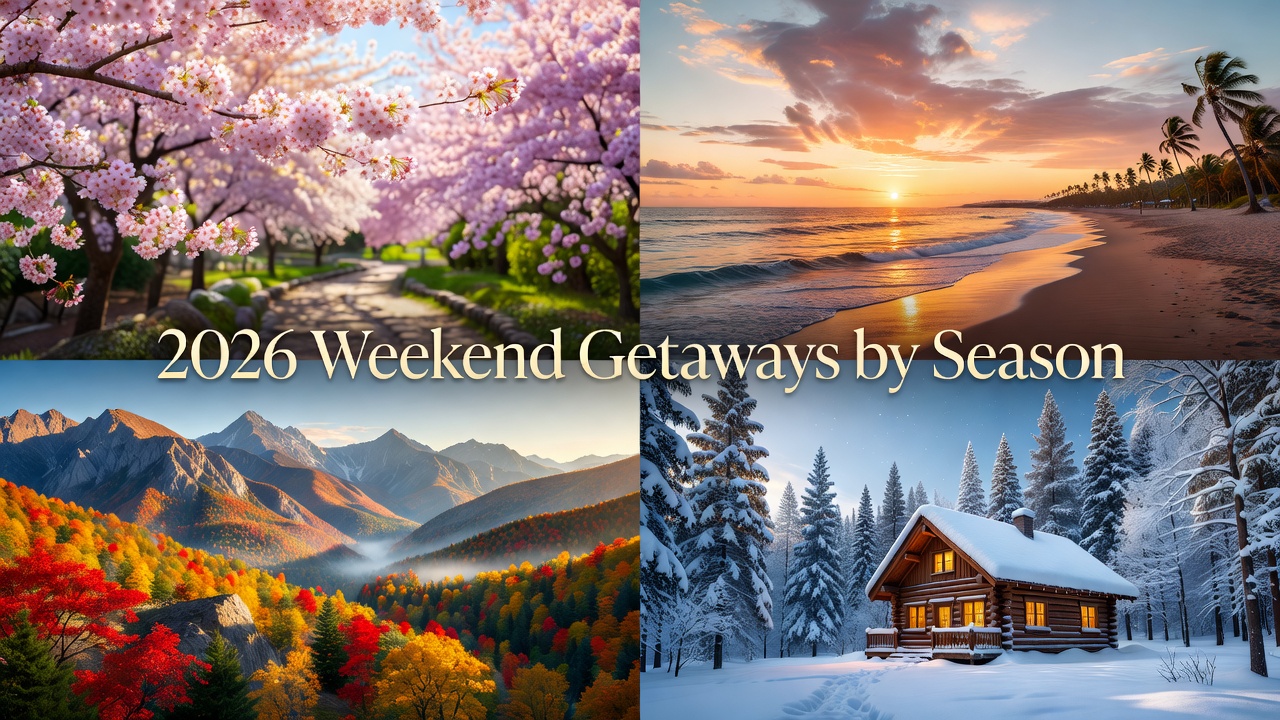
Introduction to Seasonal Weekend Getaways in 2026
Planning short trips that align with the changing seasons maximizes enjoyment while minimizing weather-related disruptions. This comprehensive guide provides in-depth recommendations for 2026 weekend getaways tailored to spring blooms, summer beaches, fall foliage, and winter escapes. By matching destinations and activities to the time of year, travelers can enjoy optimal conditions whether seeking relaxation, adventure, or cultural experiences. The focus remains on practical planning that considers weather patterns, crowd levels, and activity availability throughout the year.
Seasonal travel allows visitors to experience nature at its peak, from vibrant wildflowers to crisp autumn colors. This approach also helps avoid the pitfalls of off-season closures or extreme weather. Readers will find detailed destination suggestions, sample itineraries for 48-hour trips, packing checklists, and step-by-step booking strategies. Cost considerations are addressed qualitatively to highlight value across different quarters without specific figures.
Spring Weekend Getaways: Embracing Blooms and Mild Weather
Spring offers ideal conditions for outdoor exploration as temperatures rise and nature awakens. Popular destinations include the Blue Ridge Mountains for wildflower hikes and Washington D.C. for cherry blossom viewing along the Tidal Basin. Other strong options feature the Pacific Northwest for tulip festivals or Texas Hill Country for bluebonnet fields. Activities focus on garden tours, light hiking, and scenic drives to take advantage of comfortable daytime conditions in many regions.
Travelers should monitor pollen levels and prepare for occasional showers. Early spring trips often feature fewer crowds than later months, making it easier to secure reservations at popular sites. Consider combining nature with nearby cultural attractions such as historic estates or local farmers markets for a balanced weekend.
Sample 48-Hour Spring Itinerary
- Day 1: Arrive by midday, check into lodging, and visit a local botanical garden followed by a farm-to-table dinner featuring seasonal produce.
- Day 2: Early morning hike on moderate trails, scenic drive through blooming landscapes, and departure with stops at roadside markets for fresh goods.
Summer Weekend Getaways: Beaches and Outdoor Adventures
Summer calls for water-based escapes and vibrant festivals. Coastal spots like the Outer Banks or lake regions in the Midwest provide swimming, boating, and beachcombing opportunities. Mountain destinations offer hiking and rafting while avoiding peak heat through early starts. Focus on shaded activities or water sports during midday hours to stay comfortable.
Popular choices include Cape Cod for lighthouse tours and seafood, or the Great Lakes for kayaking and sand dune exploration. Families often enjoy amusement parks or national seashores, while couples may prefer quieter coastal inns. Always verify lifeguard schedules and water safety guidelines before heading out.
Fall Weekend Getaways: Foliage and Harvest Festivals
Autumn transforms landscapes with vibrant colors, making it perfect for scenic drives and apple picking. Destinations such as Vermont or the Smoky Mountains deliver peak foliage displays typically from mid-September through late October. Additional highlights include wine harvest events in California valleys or pumpkin festivals in the Midwest.
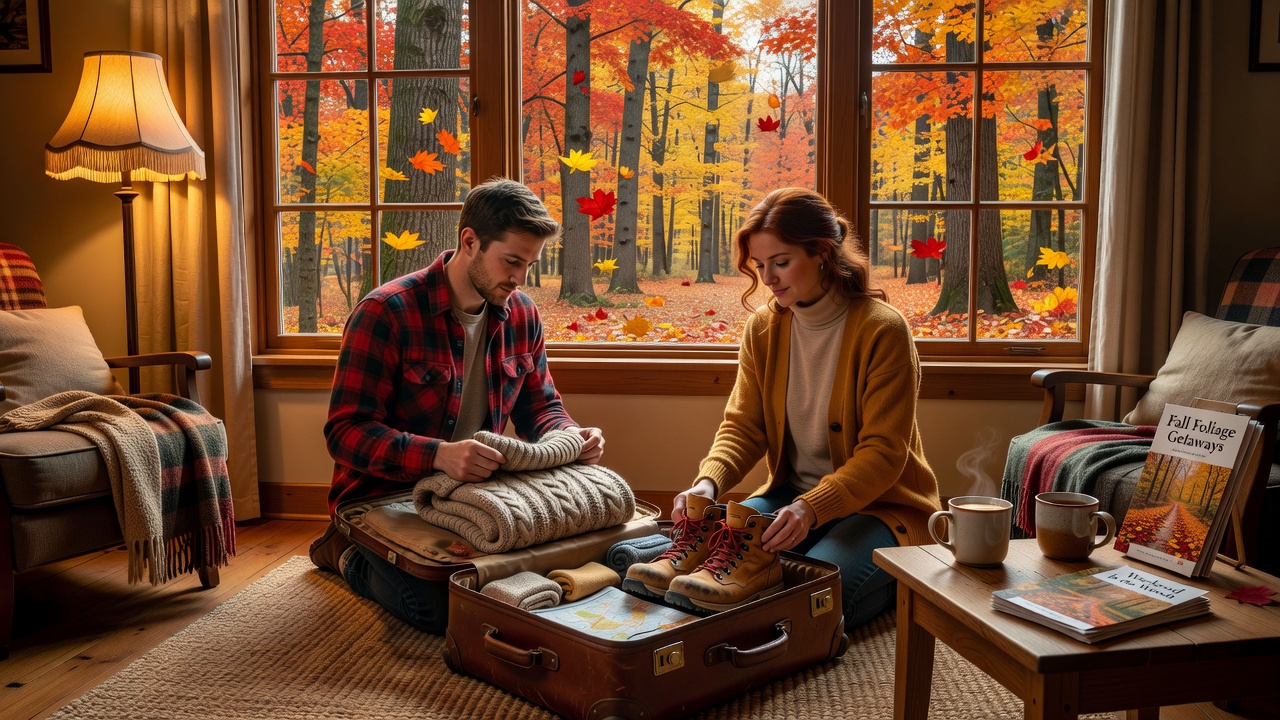
Activities range from leaf-peeping drives along designated routes to guided foraging tours. Hikers benefit from cooler temperatures and clearer views once leaves begin to change. Pair outdoor time with cozy indoor experiences like cider tastings or craft workshops for a well-rounded escape.
Winter Weekend Getaways: Cozy Escapes and Snow Activities
Winter destinations emphasize indoor comfort or snowy adventures like skiing and snowshoeing in the Rockies. Consider thermal springs in the Pacific Northwest for a relaxing contrast to cold weather, or historic cities with festive holiday markets. Destinations such as Asheville for mountain views or Quebec for winter carnivals provide varied options.
Travelers can enjoy cabin stays with fireplaces, ice skating rinks, or aurora viewing in northern areas. Layered clothing and vehicle preparedness are essential for safety on potentially icy roads. Many locations offer indoor alternatives like museums and spas when outdoor conditions turn harsh.
Packing Checklists Adjusted for Each Season
Always check forecasts before departure using reliable sources. Spring packing includes layers, rain jackets, and comfortable walking shoes. Summer requires sunscreen, hats, swimwear, and lightweight breathable clothing. Fall calls for sturdy boots, warm sweaters, and waterproof outer shells. Winter essentials feature insulated jackets, moisture-wicking base layers, gloves, and hand warmers.
Additional items across seasons include reusable water bottles, portable chargers, and first-aid kits. For longer drives, add blankets and snacks. Tailor lists to specific activities such as bringing binoculars for wildlife viewing or journals for scenic reflection.
Cost Comparisons Across Quarters
Travel costs fluctuate seasonally due to demand. Shoulder periods like early spring or late fall often offer better value for accommodations and transportation compared to peak summer or holiday weeks. Booking mid-week flights and choosing less crowded destinations can further improve affordability while maintaining high-quality experiences.
Step-by-Step Booking Advice
- Research destinations 4-6 weeks ahead using reliable weather data from sources like the National Weather Service.
- Compare lodging options on official tourism sites and read recent guest reviews.
- Book popular activities and permits in advance for seasonal events such as foliage tours or beach access.
- Monitor for flexible cancellation policies and consider travel insurance for weather-related changes.
- Confirm transportation details including rental car requirements or public transit schedules.
Common Mistakes to Avoid
Overpacking, ignoring local events, or failing to confirm road conditions in winter can derail trips. Always build buffer time into itineraries and double-check park hours, as some sites adjust schedules seasonally. Another frequent error is neglecting to research crowd levels, which can lead to long waits at popular attractions.
FAQ: Seasonal Booking Pitfalls and Adapting Plans
How far in advance should I book? For peak foliage or beach seasons, secure lodging 2-3 months ahead to access preferred properties.
What if weather changes unexpectedly? Have indoor backup activities ready and flexible transportation options. Check updates through the National Park Service for trail and road status.
Are there ways to save on last-minute trips? Monitor mid-week deals through official park and tourism websites for available openings.
How do I adapt for families or different group sizes? Choose destinations with varied activity levels and confirm accessibility features in advance.
Conclusion
Seasonal weekend getaways provide rewarding escapes when planned thoughtfully. By following the destination ideas, itineraries, and practical tips outlined above, travelers can create memorable short trips throughout 2026 that align perfectly with each season's unique offerings.

No comments yet. Be the first!