 PlaceBee
Introduction to Water Extreme Sports in 2026
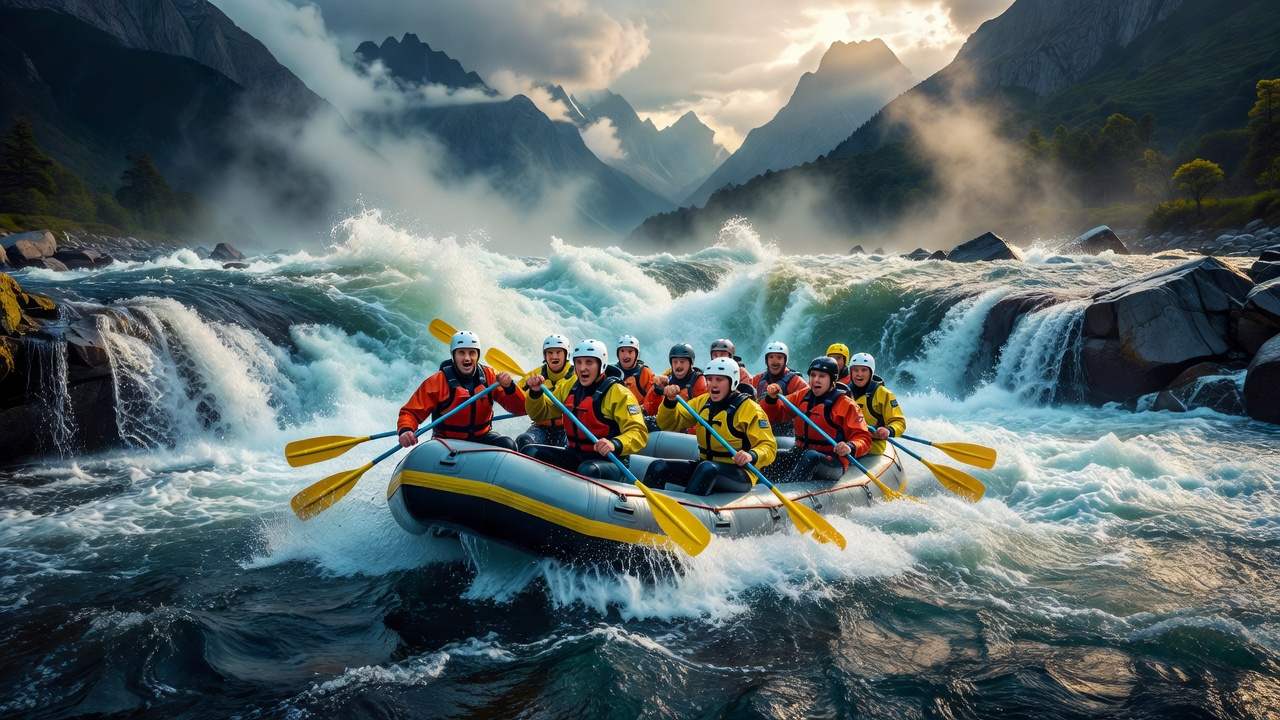
Water extreme sports combine adrenaline with nature's power, offering thrill-seekers unforgettable adventures on rivers and waves. In 2026, activities such as whitewater rafting, big wave surfing, and kitesurfing continue to attract adventurers seeking aquatic outdoor challenges. These sports demand physical fitness, mental resilience, and respect for the elements while providing opportunities for personal growth and stunning travel experiences. Participants often describe the rush of navigating powerful currents or catching massive swells as life-changing moments that foster confidence and a deeper connection to the natural world. Whether you are drawn to team-based rafting expeditions or the solitary focus required in big wave surfing, these pursuits represent some of the most exhilarating options in modern adventure travel. This comprehensive guide explores key destinations, safety measures, skill development paths, gear essentials, and practical planning advice to help you embark on a rewarding journey.
Top Global Destinations for Water Extreme Sports
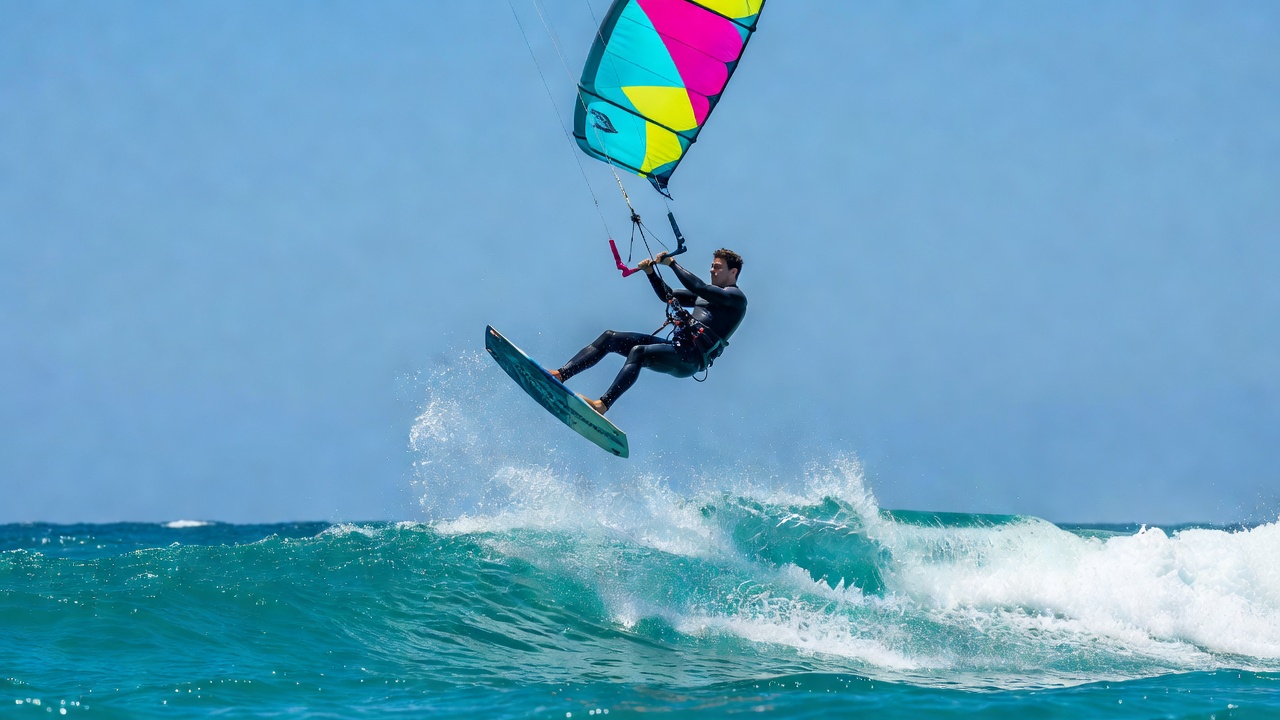
Selecting the ideal location is crucial for an unforgettable experience. The Colorado River in the United States offers world-class whitewater rafting with rapids that range from thrilling to extreme, surrounded by dramatic canyon landscapes. Hawaii's North Shore provides legendary big wave surfing opportunities where swells can reach impressive heights during winter months. Tarifa in Spain stands out for kitesurfing due to its reliable trade winds and vibrant international community. Additional premier spots include the rivers of New Zealand's South Island for rafting and kayaking hybrids, Australia's Gold Coast for consistent surfing waves, and the coastal waters of Brazil's northeast for kitesurfing adventures. Each destination features distinct seasonal windows, cultural attractions, and varying levels of accessibility for international travelers. Before committing, review official park service guidelines and local operator reviews to ensure conditions align with your experience level.
Comparing Intensity Levels Across Sports
Whitewater rafting delivers collaborative excitement with difficulty grades from class I to class V, making it suitable for mixed groups. Big wave surfing requires individual prowess against powerful ocean forces, often involving waves over 20 feet that test balance and timing. Kitesurfing merges high-speed travel with aerial tricks powered by wind, appealing to those who enjoy dynamic control and quick decision-making. Intensity varies based on environmental factors and personal preparation, with rafting frequently serving as an entry point for beginners while surfing demands advanced ocean awareness. Comparing these helps adventurers match activities to their risk tolerance and physical capabilities.
Essential Safety Protocols
Prioritizing safety ensures enjoyable participation. Certified personal flotation devices and helmets are mandatory across all disciplines. Daily checks of weather, river flows, and wave forecasts prevent unnecessary risks. Traveling with experienced, certified guides is recommended for unfamiliar areas. Mastering basic rescue skills and carrying reliable communication tools further enhances preparedness. Resources from the American Red Cross offer comprehensive water safety training. Additional protocols include understanding rip currents in surfing, recognizing eddy lines in rafting, and monitoring wind gusts during kitesurfing sessions. Group briefings before every outing reinforce communication and emergency response plans.
Skill-Building Progressions for Beginners
Structured progression starts with foundational lessons on calm waters to develop core techniques such as paddling, balance, and board control. Intermediate stages introduce moderate conditions and decision-making under pressure. Advanced training focuses on reading dynamic environments and executing complex maneuvers. Many certified programs guide participants from novice to competent levels within structured multi-day courses tailored to each sport.
Practical Steps for Beginners
- Evaluate swimming proficiency and overall cardiovascular fitness through professional assessments.
- Enroll in beginner courses offered by accredited schools with strong safety records.
- Obtain required travel insurance and any necessary activity permits in advance.
- Align travel dates with peak seasonal conditions for optimal water levels and winds.
- Network with local clubs or online communities to gain insider knowledge and potential travel partners.
Must-Have Gear Lists
Proper equipment directly impacts performance and protection. For whitewater rafting, essential items include a high-quality personal flotation device, helmet, drysuit or wetsuit, and sturdy paddles. Big wave surfers require a specialized surfboard with reinforced construction, full wetsuit, leash, and impact vest. Kitesurfing demands a suitable kite size range, twin-tip board, harness, helmet, and impact vest. Supplementary gear such as dry bags, reef-safe sunscreen, hydration systems, and quick-dry clothing completes any kit. Always select items matched to your body size, skill level, and local conditions for maximum effectiveness.
Investing in reputable brands and maintaining equipment regularly prevents failures during critical moments.
Environmental Considerations and Seasonal Timing
Responsible participation protects fragile ecosystems through leave-no-trace practices and support for sustainable operators. Seasonal timing is sport-specific: spring and early summer often provide ideal rafting flows in northern regions, while fall delivers steady winds for kitesurfing in many locations. Big wave surfing peaks during winter storm seasons in the northern hemisphere. Consulting resources from the National Oceanic and Atmospheric Administration helps anticipate changing patterns.
Health and Fitness Preparation
Building strength, endurance, and flexibility through targeted training reduces injury risk. Swimming drills, core exercises, and balance work form the foundation. Mental preparation involves visualization techniques and stress management to handle high-pressure situations. Medical check-ups prior to travel ensure any underlying conditions are addressed.
Common Mistakes to Avoid
Overestimating personal abilities leads to dangerous situations. Neglecting weather updates or ignoring guide instructions frequently causes accidents. Choosing budget operators without proper certifications compromises safety. Failing to acclimate gradually to altitude or intense conditions can result in fatigue and poor performance.
Frequently Asked Questions
What are typical costs involved?
Package prices fluctuate according to destination, group size, and inclusions such as instruction or equipment. Focusing on comprehensive programs often delivers the best overall value and safety standards.
How do these sports impact the environment?
Responsible practices can raise awareness and support conservation efforts, yet popular sites require ongoing management to prevent habitat degradation and maintain water quality.
When is the best time to try each sport?
Optimal windows depend on geography. Spring river flows suit rafting in many mountain regions, while winter brings prime surfing conditions to exposed coastlines and consistent autumn winds benefit kitesurfers.
Conclusion
Water extreme sports provide transformative 2026 adventures when approached with thorough preparation and environmental respect. Following these detailed guidelines enables thrill-seekers to pursue safe, memorable experiences across rivers and waves worldwide.
No comments yet. Be the first!