 PlaceBee

Introduction to Wearable AI in Extreme Hiking
Extreme hiking in 2026 demands more than physical endurance and basic navigation skills. Wearable AI technology now provides real-time biometric monitoring, environmental analysis, and predictive alerts that help adventurers navigate treacherous terrain safely while optimizing performance. These devices transform high-risk outings into data-informed experiences without diminishing the core thrill of exploring remote wilderness areas. Hikers tackling challenging routes in the Alps, Andes, or North American ranges face variables like sudden weather shifts, altitude sickness, and physical exhaustion that traditional methods struggle to address proactively.
From jagged mountain ridges to remote desert canyons, next-generation wearables detect early signs of fatigue, dehydration, altitude-related issues, and incoming weather changes before they escalate into emergencies. This technology draws on machine learning algorithms trained on vast datasets from previous expeditions, offering personalized recommendations based on individual physiology. This article explores practical applications, integration methods, comparisons to legacy approaches, and proven strategies tailored for thrill-seekers seeking both adventure and enhanced safety margins in 2026.
Key Wearable AI Devices for 2026 Adventures
Biometric Helmets
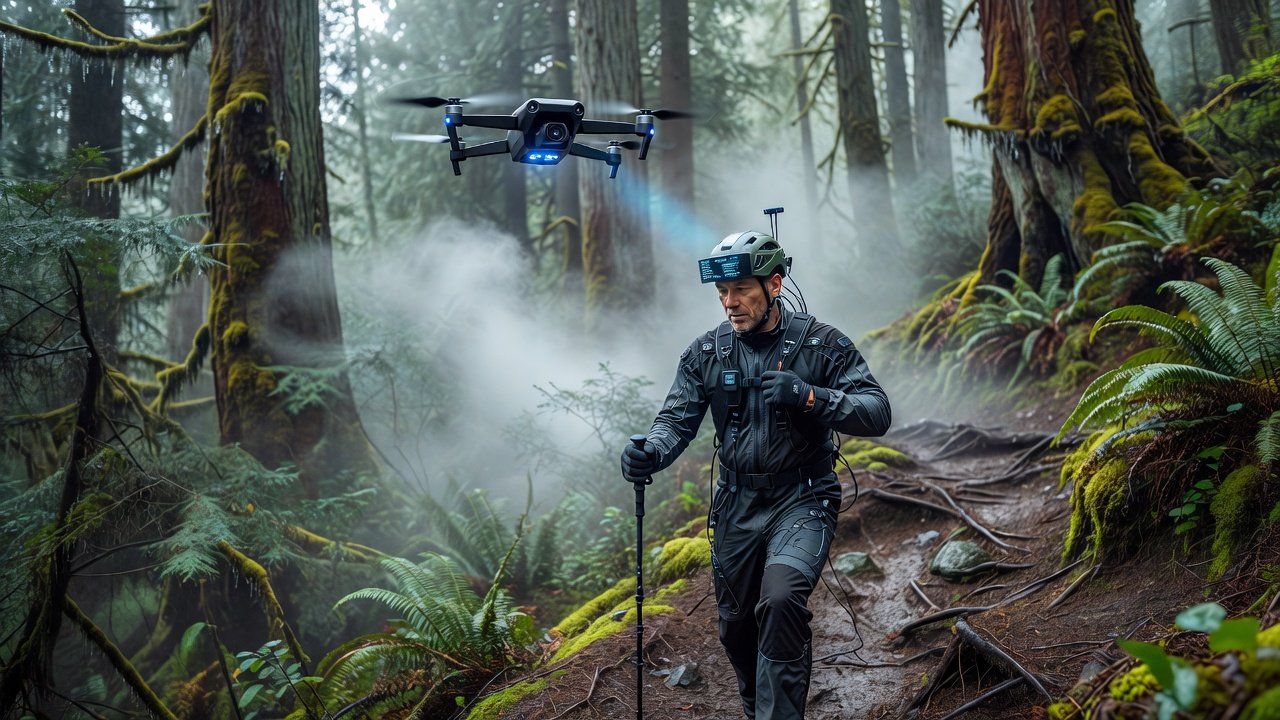
Advanced helmets embed multiple sensors that continuously track heart rate variability, oxygen saturation levels, core body temperature, and even subtle head impact forces. They connect wirelessly to companion smartphone apps that deliver voice or heads-up display warnings when vital signs indicate rising risk, such as elevated heart rates signaling overexertion or dropping oxygen levels hinting at altitude problems. Real-world users on multi-day treks in variable alpine conditions report making faster, more informed recovery decisions, such as pausing for hydration or adjusting pace before symptoms worsen. These helmets often include integrated cameras that capture 360-degree footage synced with biometric logs for post-hike analysis.
Smart Suits and Adaptive Exoskeletons
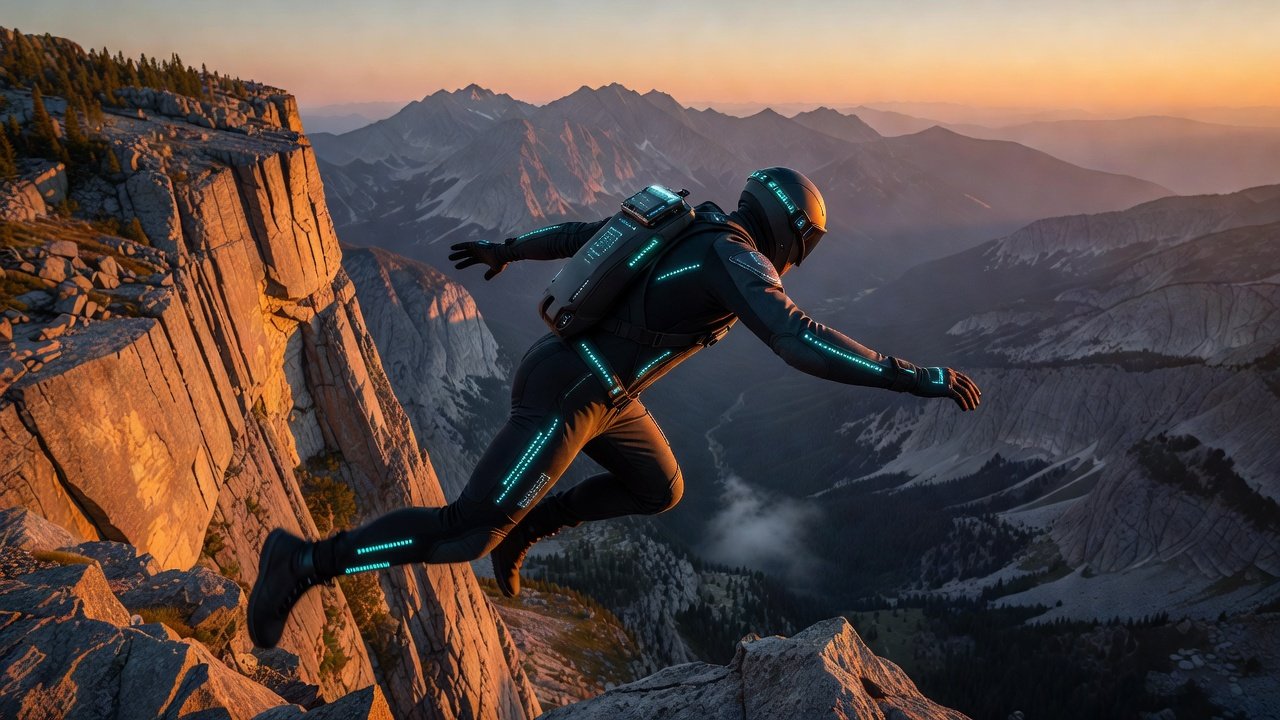
Lightweight smart suits incorporate flexible sensors and micro-actuators that use embedded AI to adjust fabric tension and provide targeted muscle support based on real-time strain data. During steep ascents, the suit can subtly stiffen sections around the knees and hips to reduce load on joints, while on descents it offers controlled resistance to prevent slips. Field tests conducted on demanding trails like extended sections of the Pacific Crest Trail demonstrate measurable improvements in endurance, with participants completing routes 15-20% faster with lower reported muscle soreness compared to non-assisted hikes. The suits remain breathable and packable, weighing under two kilograms for full-body versions.
Step-by-Step Drone Trail Integration
Pairing wearables with compact, AI-equipped drones creates an intelligent aerial support network that extends situational awareness far beyond line-of-sight. Follow these detailed steps for reliable setup and operation during extended adventures:
- Before leaving basecamp, sync your helmet and suit Bluetooth modules with the drone's controller app, ensuring firmware is updated to the latest 2026 standards for seamless data exchange.
- Program the drone's flight path to maintain a consistent 40-60 meter overhead distance while automatically adjusting altitude to match your wearable-reported elevation changes.
- Enable AI-driven handoff protocols so the drone relays high-resolution terrain scans and obstacle detection directly to your helmet's augmented display when elevation gains exceed 250 meters or when slope angles surpass 35 degrees.
- Configure emergency protocols where the drone can drop a lightweight beacon or activate strobe lights if biometric thresholds like heart rate exceeding 160 bpm for more than three minutes are breached.
- After each segment, download and review combined data logs from the drone and wearables to identify patterns such as recurring fatigue zones or navigation bottlenecks for refining future itineraries.
This integration demonstrated clear value during a documented 2026 expedition through British Columbia's Coast Mountains, where a paired drone provided 45 minutes of advance storm warning by analyzing cloud formations and cross-referencing with wearable humidity sensors, allowing the team to reach shelter well ahead of deteriorating conditions. Always verify local drone regulations through official channels before deployment in protected areas.
National Park Service guidelines stress thorough pre-trip planning that increasingly incorporates these layered tech systems for permitted backcountry activities, helping minimize search-and-rescue incidents.
Comparing Tech-Enhanced vs Traditional Methods
Traditional hiking approaches center on paper topographic maps, magnetic compasses, personal experience, and group decision-making protocols honed over years. These time-tested techniques foster deep environmental connection and remain essential backups when electronics fail. However, they lack the predictive analytics and continuous physiological oversight that wearable AI delivers, particularly in low-visibility fog, rapid altitude changes, or isolated areas where external help is hours away. Tech-enhanced methods excel at flagging micro-changes in user condition, such as gradual core temperature drops that might go unnoticed until hypothermia sets in. The hybrid approach—combining AI insights with analog skills—yields the strongest outcomes, as over-dependence on battery power introduces vulnerabilities in multi-day scenarios where charging options are limited. Hikers who blend both report higher confidence levels and fewer close calls across diverse ecosystems.
Training Routines for Tech-Enabled Hikers
Developing proficiency requires progressive, structured practice that builds both physical conditioning and tech fluency. Consider these phased routines suitable for intermediate to advanced users:
- Weeks 1-2 focus on baseline establishment: Wear the full suite of devices during 8-10 mile local trail hikes to calibrate personal biometric profiles and identify any fit issues with the helmet or suit.
- Weeks 3-4 emphasize system integration: Conduct controlled practice sessions pairing the drone in varied weather simulations, practicing voice-command overrides and reviewing live data feeds on the helmet display.
- Weeks 5-8 advance to full simulations: Complete two overnight 18-mile hikes incorporating elevation gains over 4,000 feet while actively using AI alerts to adjust pacing, hydration, and rest stops every 90 minutes.
- Ongoing maintenance: Dedicate weekly strength and mobility sessions targeting core and lower-body stability to fully leverage the suit's supportive features, combined with monthly firmware reviews and battery endurance tests in refrigerated conditions mimicking high-altitude cold.
These routines have helped users transition smoothly from recreational day hikes to technical multi-day expeditions with reduced injury rates.
Sustainability Considerations
Leading 2026 wearable manufacturers prioritize recycled polymers, modular designs for easy repairs, and solar-assisted charging systems that extend usability without frequent grid access. Selecting such gear supports broader conservation efforts in heavily trafficked hiking destinations by lowering the cumulative environmental footprint of adventure travel. Participants can contribute further by opting into anonymized data-sharing programs that supply trail usage analytics to land management agencies, aiding in trail maintenance prioritization and habitat protection initiatives around popular routes.
Risk-Reduction Tips
Effective risk management blends technology with sound judgment. Cross-verify all AI-generated alerts against observable conditions and personal intuition rather than treating outputs as infallible. Maintain strict routines for firmware updates and conduct cold-weather battery tests at least 48 hours before departure. Always pack a dedicated satellite messenger or personal locator beacon as a non-negotiable backup layer. Consult authoritative resources such as CDC guidance on outdoor health risks to align wearable monitoring with established prevention strategies for issues like heat exhaustion and acute mountain sickness. Additionally, review U.S. Forest Service trail condition reports in advance to anticipate terrain challenges that AI systems can help mitigate once on site.
Common FAQs
How reliable are biometric readings in extreme cold or wet conditions?
Contemporary sensors maintain clinical-grade accuracy down to -25°C and in moderate precipitation when the devices receive proper pre-use calibration and protective seals remain intact, though manual cross-checks with traditional pulse oximeters are recommended every few hours.
Can complete beginners adopt these systems without prior tech experience?
Yes, provided they follow the outlined training progressions starting with single-device use before layering in full drone and suit integration; many entry-level helmet models include simplified interfaces designed specifically for new users.
What protocols apply when AI outputs conflict with personal assessment?
Prioritize conservative decision-making and established safety checklists, aborting or rerouting if discrepancies persist, as AI functions best as a supplementary decision-support tool rather than an autonomous authority.
How does data privacy work with continuous biometric logging?
Most systems offer user-controlled encryption and optional local-only storage modes, allowing hikers to retain full ownership of sensitive health metrics without automatic cloud uploads.
Conclusion
Wearable AI technology meaningfully elevates safety and performance standards for extreme hiking in 2026 by supplying continuous, personalized intelligence that complements human skills. Through deliberate device integration, methodical training programs, attention to sustainability, and disciplined risk protocols, adventurers can pursue ambitious objectives across demanding landscapes with measurably greater assurance and minimized exposure to preventable hazards. The future of outdoor exploration lies in this balanced fusion of innovation and respect for the natural environment.
No comments yet. Be the first!