 PlaceBee
Introduction to AI Biometrics in Extreme Sports
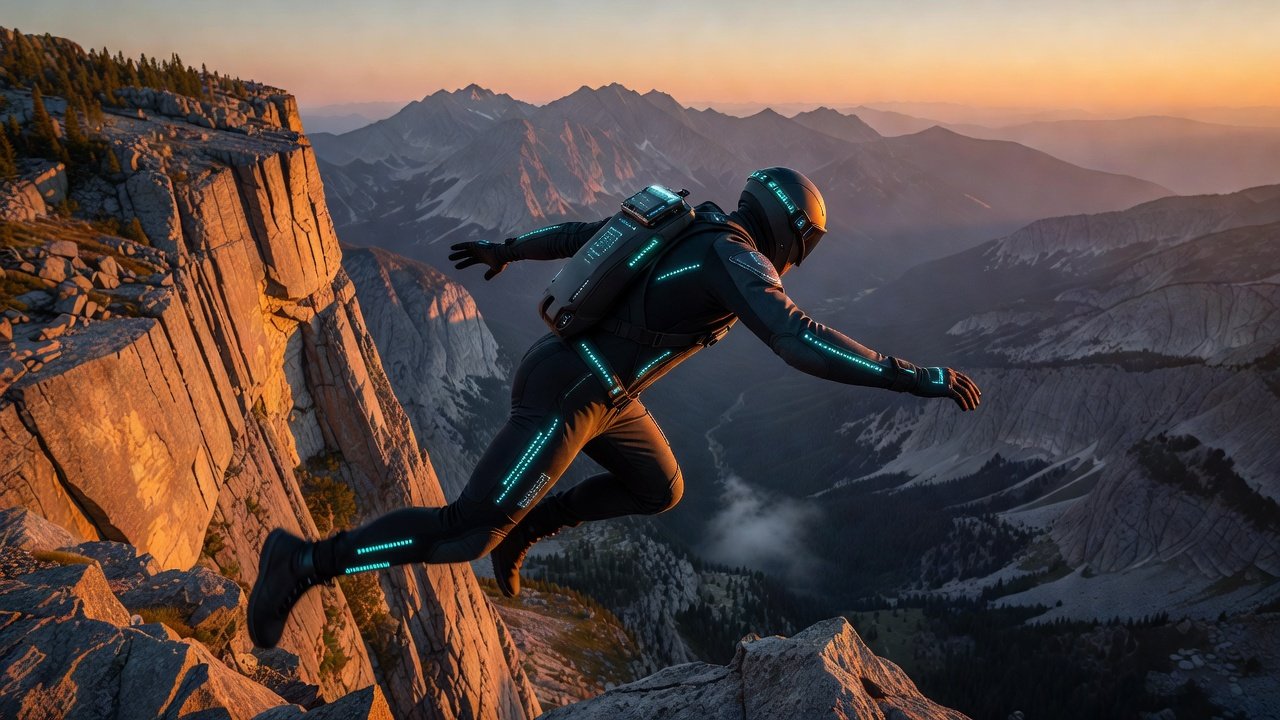
Extreme sports such as BASE jumping and canyoneering demand peak physical condition and split-second decisions. In 2026, AI-driven biometric wearables are transforming how athletes manage risks by providing real-time physiological insights. These technologies integrate smart suits, heart-rate monitors, and advanced sensors to monitor vital signs, predict fatigue, and alert users to potential dangers before they escalate. Adventure travelers seeking thrill in remote locations now rely on these tools to blend cutting-edge innovation with outdoor exploration. This comprehensive guide covers practical integration steps, athlete case studies, data analysis techniques, comparisons, training routines, sustainability practices, and legal considerations to help you leverage AI biometrics effectively and responsibly.
The adoption of these systems has grown rapidly among professionals and enthusiasts alike, driven by improvements in sensor accuracy and machine learning models tailored for high-stress environments. Whether you are preparing for your first canyon descent or refining advanced BASE jumping techniques, understanding these tools can mean the difference between a successful outing and a preventable incident.
Understanding AI Biometric Technology
AI biometrics combine wearable hardware with machine learning algorithms that process data from heart rate, oxygen saturation, muscle activity, and environmental factors. Unlike traditional monitors, these systems use predictive analytics to forecast issues like dehydration or cardiac strain during high-adrenaline activities. For instance, smart suits embedded with flexible sensors transmit data to companion apps that simulate scenarios based on historical performance metrics. This evolution marks a shift from reactive safety measures to proactive risk mitigation in extreme environments. The underlying AI models continuously learn from aggregated anonymized data pools, improving predictions for individual users over time while accounting for variables such as age, fitness level, and prior injury history.
Gear Setup Steps for Optimal Performance
Setting up AI biometric gear requires careful preparation to ensure reliability in rugged terrain. Follow these detailed steps for seamless integration:
- Choose compatible devices: Select a smart suit or chest-strap monitor certified for extreme conditions, pairing it with a smartphone or dedicated hub that supports low-latency Bluetooth or satellite connectivity.
- Calibrate sensors: Perform baseline readings in a controlled setting, accounting for altitude and temperature variations common in BASE jumping sites, and repeat calibrations after significant weather changes.
- Sync with AI platforms: Connect to apps that use machine learning for personalized thresholds, testing connectivity before heading out and verifying backup offline modes.
- Conduct field tests: Simulate activities in safe areas to verify alerts and data accuracy under stress, including multi-hour sessions to mimic real expedition lengths.
- Secure all components: Use reinforced straps and waterproof casings to prevent dislodgement during dynamic movements like freefall or rappelling.
Always update firmware regularly to incorporate the latest safety algorithms and review manufacturer guidelines for battery optimization in cold climates.
Real Athlete Examples from BASE Jumping and Canyoneering
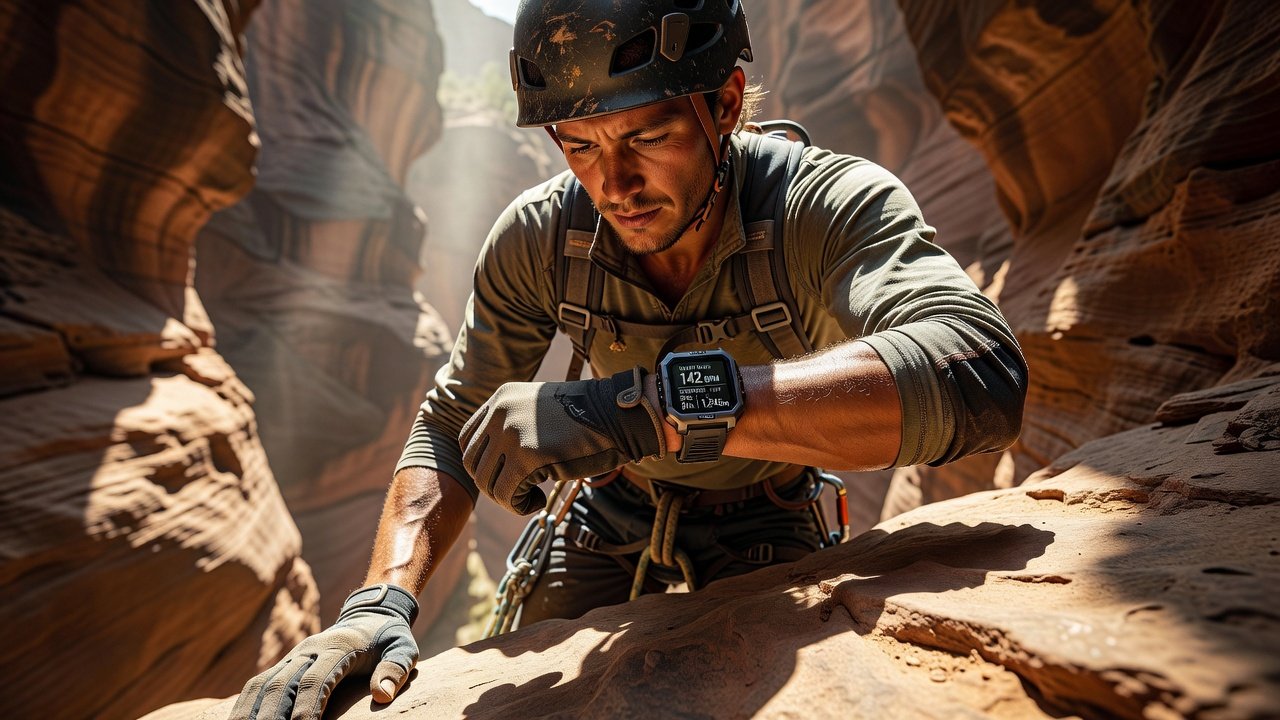
Professional BASE jumper Elena Vargas credits AI biometrics for her improved safety record in 2025 competitions. During a Utah canyon jump, her smart suit detected elevated heart-rate variability indicating early fatigue, prompting an early descent that avoided injury. Similarly, canyoneering guide Marcus Hale in Arizona uses integrated monitors to track team members' vitals, enabling real-time adjustments during multi-hour descents through narrow slot canyons. Another example comes from European athlete Lars Koenig, who utilized oxygen saturation alerts during a high-altitude BASE jump in the Alps to adjust his pacing and prevent hypoxia-related complications. These examples highlight how data-driven decisions reduce incidents compared to intuition alone, empowering athletes to push limits responsibly while documenting performance for post-activity reviews.
Interpreting Biometric Data Effectively
Raw data from wearables becomes actionable through AI interpretation. Key metrics include heart-rate zones, recovery scores, and stress indicators. Athletes should review daily trends rather than isolated readings, setting custom alerts for anomalies like sudden spikes above 85% max heart rate during rest periods. Cross-reference with environmental data such as GPS altitude to contextualize readings. Many platforms offer dashboards that visualize patterns, helping users refine training and avoid overexertion in variable conditions. Advanced users can export datasets for deeper analysis using third-party tools, identifying correlations between sleep quality and next-day performance in extreme settings.
Risk Comparisons to Traditional Methods
Traditional safety relies on spotters and basic heart-rate watches, which lack predictive capabilities. AI biometrics reduce response times by up to 40% in simulated scenarios, according to industry benchmarks. They also account for individual variability, unlike one-size-fits-all protocols, though they require initial investment in learning curves. In contrast, conventional methods often depend on visual cues or manual checks that can miss subtle physiological shifts, making AI integration particularly valuable for solo adventurers or teams operating in low-visibility environments.
Training Routines Incorporating Biometrics
Incorporate wearables into routines for progressive overload. Start with low-intensity sessions monitoring baseline recovery, then advance to sport-specific drills. For BASE jumping prep, focus on breath control exercises tracked via oxygen sensors. Weekly reviews of AI-generated reports guide adjustments, building resilience while minimizing injury risk. Include recovery protocols such as guided breathing sessions prompted by the device when stress levels rise, and combine with strength training focused on core stability to support sensor accuracy during movement.
Platform Comparisons for Adventure Travelers
Several platforms stand out for extreme sports use. Compare features like battery life, integration with mapping tools, and community data sharing. Prioritize those with offline capabilities for remote canyoneering spots and robust privacy controls to protect sensitive health information. Some systems excel in real-time team syncing, while others emphasize post-session analytics and long-term trend forecasting, allowing users to select based on whether their focus is immediate safety or performance optimization over multiple trips.
Common Pitfalls and How to Avoid Them
Many users overlook sensor placement consistency or fail to account for device drift after prolonged exposure to moisture. Always double-check calibration before critical activities and maintain detailed logs of environmental conditions alongside biometric readings. Another frequent mistake is ignoring battery warnings in remote areas, which can be mitigated by carrying portable chargers and establishing check-in protocols with support teams.
Sustainability Tips for Long-Term Use
Extend device lifespan by following manufacturer care guidelines, such as proper cleaning after exposure to moisture and dust. Opt for brands emphasizing recyclable materials and energy-efficient designs. Responsible disposal of worn components supports eco-friendly adventure practices in sensitive outdoor areas, and consider participating in manufacturer take-back programs when upgrading equipment.
FAQ on Legal Compliance
- Is data sharing required? Most jurisdictions allow personal use without mandatory sharing, but check local adventure regulations for group activities.
- Are there liability concerns? Using AI biometrics can demonstrate due diligence in safety planning and may support insurance claims if incidents occur.
- Privacy laws apply? Ensure compliance with data protection standards when storing or transmitting biometric information, particularly across international borders.
- Insurance implications? Some providers now offer discounts for documented use of advanced safety tech in high-risk sports.
Consult official resources like World Health Organization guidelines for health monitoring standards and CDC injury prevention resources for outdoor activity best practices.
Conclusion
AI biometrics represent a pivotal advancement for 2026 extreme sports safety, offering athletes unprecedented control over their physiological limits. By mastering setup, interpretation, and integration, adventure travelers can elevate both performance and security in thrilling pursuits like BASE jumping and canyoneering. Embrace these tools thoughtfully to unlock safer, more informed explorations and contribute to the ongoing evolution of adventure travel technology.
No comments yet. Be the first!