 PlaceBee
Introduction to 2026 Hot Air Balloon Travel
Hot air ballooning delivers a serene yet exhilarating perspective on the world, allowing travelers to drift silently above iconic landscapes. In 2026, demand for these experiences continues to rise, making advance planning crucial for securing optimal conditions, availability, and value. This comprehensive guide explores the best global destinations, precise seasonal windows, weather factors, crowd dynamics, booking timelines, operator insights, safety standards, cost variations, and a detailed checklist to ensure first-time flyers enjoy smooth, memorable journeys. Whether seeking wildlife encounters, cultural vistas, or festival spectacles, readers will find data-driven comparisons to match destinations with personal preferences and travel calendars.
Why Timing Matters in 2026
Seasonal timing directly influences flight reliability, comfort, and overall enjoyment. Stable morning winds, clear visibility, and moderate temperatures define successful seasons, while off-peak periods reduce crowds but may introduce variable weather. For 2026, aligning trips with shoulder months often balances accessibility and quality. Crowds surge during holidays and festivals, increasing wait times and prices, whereas early planning six to nine months ahead typically unlocks preferred dates and private options. Weather monitoring tools help predict patterns, and operators frequently adjust schedules based on real-time forecasts to maintain safety margins.
Top 10 Global Destinations for 2026
1. Cappadocia, Turkey
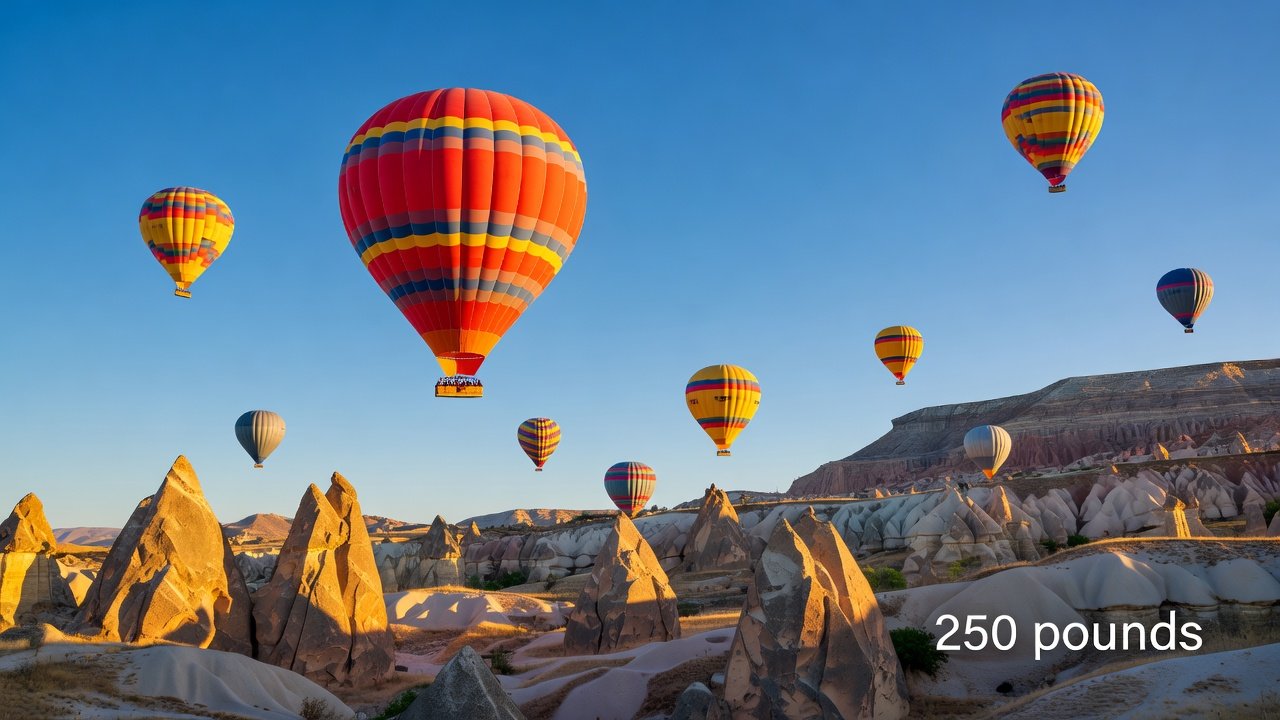
April through October brings reliable thermals and dramatic rock formations. Summer months see peak tourism with higher crowds, while May and September provide golden light, fewer visitors, and vibrant wildflowers. Exact booking windows open six months prior for sunrise departures over valleys.
2. Serengeti, Tanzania
June to October coincides with the great migration, offering dry savanna conditions and abundant wildlife sightings from above. Rainy seasons from November to April limit flights, making this the prime window for combining ballooning with safari extensions.
3. Napa Valley, California, USA
March to November delivers consistent valley breezes ideal for vineyard overflights. Harvest season in fall attracts larger groups, so spring flights offer quieter experiences with blooming landscapes and milder crowds.
4. Bagan, Myanmar
October to February features cool, stable air perfect for temple-dotted horizons. High season overlaps with regional holidays, so reserving five months early ensures spots during peak visibility periods.
5. Albuquerque, New Mexico, USA
October hosts the renowned International Balloon Fiesta with mass launches under crisp autumn skies. Mild weather supports multiple daily flights, though advance bookings become essential as thousands gather for the event.
6. Loire Valley, France
May to September provides temperate conditions for chateau and river views. Summer festivals boost demand, positioning spring shoulder months as optimal for intimate group sizes and lush greenery.
7. Queenstown, New Zealand
December to February aligns with Southern Hemisphere summer for alpine lake and mountain vistas. Wind patterns stabilize then, and early summer avoids peak holiday influxes for smoother logistics.
8. Marrakech, Morocco
October to April sidesteps summer heat for desert dune flights. Clear winter skies enhance visibility, though European holiday overlaps require booking at least five months ahead to secure slots.
9. Lake Bled, Slovenia
June to September showcases alpine lakes and castles amid mild temperatures. Early summer minimizes crowds while maximizing scenic reflections, ideal for photographers seeking tranquil conditions.
10. Luxor, Egypt
October to April offers Nile River perspectives with ancient ruins below. Winter clarity pairs well with cultural tours, but sandstorm monitoring and early reservations prevent disruptions during busy periods.
Step-by-Step Booking Strategies
Begin research twelve months out by comparing operator reviews and flight logs. Verify certifications, read recent passenger feedback, and request detailed itineraries. Secure reservations four to nine months ahead, especially for festivals or migration seasons. Confirm inclusions like ground transfers and post-flight meals. Monitor flexible date options for weather contingencies. Utilize resources such as FAA guidelines for regulatory insights and U.S. State Department advisories for destination safety updates. Cross-reference with National Weather Service data for seasonal wind trends.
Cost Breakdowns by Season
High-season pricing reflects elevated demand and limited slots, while shoulder periods deliver more competitive rates alongside comparable scenery. Private baskets and extended durations add layers of expense, whereas group flights remain accessible. Additional considerations include regional taxes, insurance add-ons, and transfer fees that vary by location. Comparing seasonal value helps prioritize trips where experience quality outweighs minor price differences.
Safety Protocols and Operator Recommendations
Reputable operators maintain rigorous pre-flight inspections, pilot licensing, and weather minimums. Passengers receive comprehensive briefings on landing procedures, basket positioning, and emergency protocols. Equipment undergoes regular certifications, and flights only proceed when wind speeds and visibility meet strict thresholds. Examples include operators in Cappadocia emphasizing dual-pilot teams for redundancy. International standards prioritize passenger communication and rapid response capabilities. Always confirm recent safety records and insurance coverage before committing.
Practical Checklist for First-Time Riders
- Assess personal health with a physician, noting any mobility or respiratory concerns that could affect comfort at altitude.
- Layer clothing for rapid temperature shifts, including hats and gloves for early morning ascents.
- Plan arrival one to two hours before scheduled departure to accommodate briefings and inflation.
- Secure travel insurance explicitly covering ballooning activities and potential weather cancellations.
- Decide between shared or exclusive baskets based on group size and desired privacy levels.
- Review expected flight durations of 45 to 90 minutes and prepare cameras with charged batteries.
- Discuss dietary restrictions for post-flight celebrations in advance with the operator.
- Confirm meeting points and transportation logistics to avoid last-minute delays.
FAQs
How do cancellations work?
Operators typically reschedule due to weather without penalty, though full refunds hinge on individual policies—review cancellation clauses thoroughly during booking.
What altitude experiences are typical?
Most flights cruise between 1,000 and 3,000 feet, balancing expansive views with detailed ground observation while adhering to local airspace rules.
Can trips combine with other activities?
Absolutely—pair ballooning with wine tastings in Napa, wildlife drives in Tanzania, or temple explorations in Bagan for enriched multi-day itineraries.
Are there age or weight restrictions?
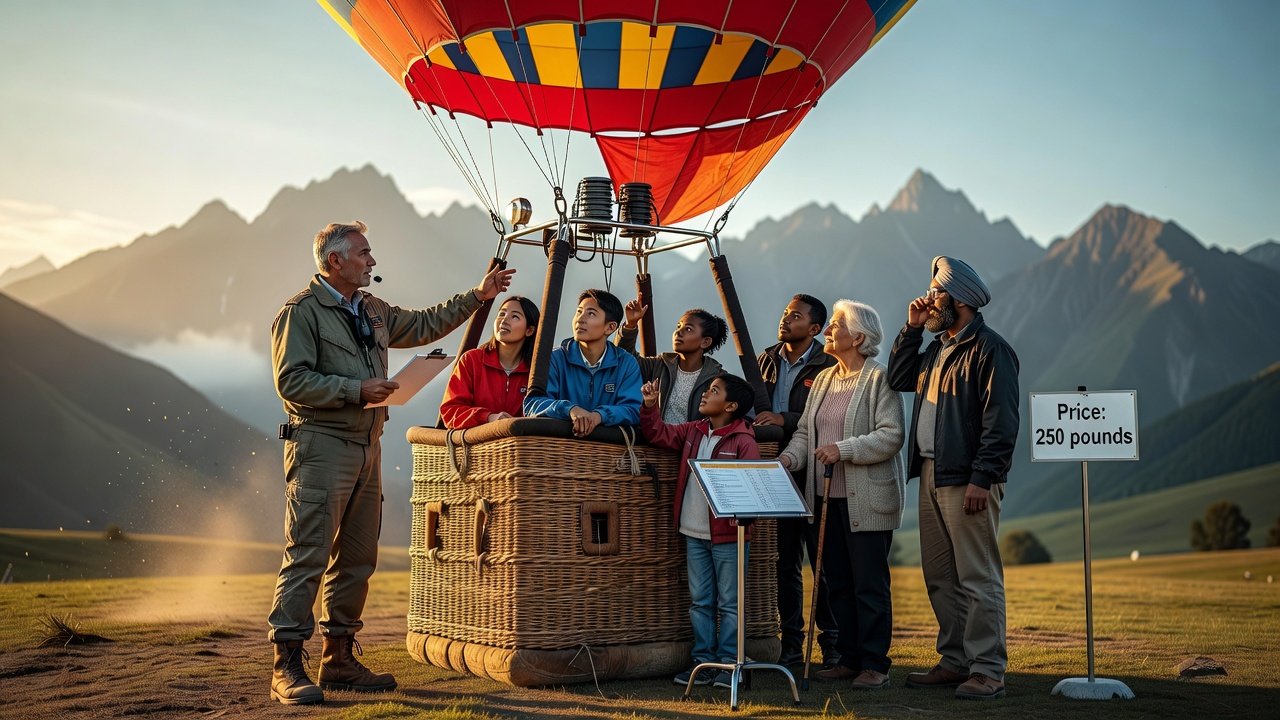
Many operators accommodate children over five and adults up to 250 pounds, but confirm specifics as limits vary by basket configuration and location.
What happens during landing?
Crews coordinate with chase vehicles for gentle touchdowns, often in open fields, followed by assistance exiting the basket and a traditional toast.
Conclusion
Strategic timing and informed booking transform 2026 hot air balloon escapes into seamless adventures. By evaluating destinations against seasonal strengths, following structured reservation processes, and preparing with safety-focused checklists, travelers can select experiences that align perfectly with their goals. This guide equips readers with the depth needed to navigate options confidently and create lasting aerial memories across the globe.

No comments yet. Be the first!