 PlaceBee
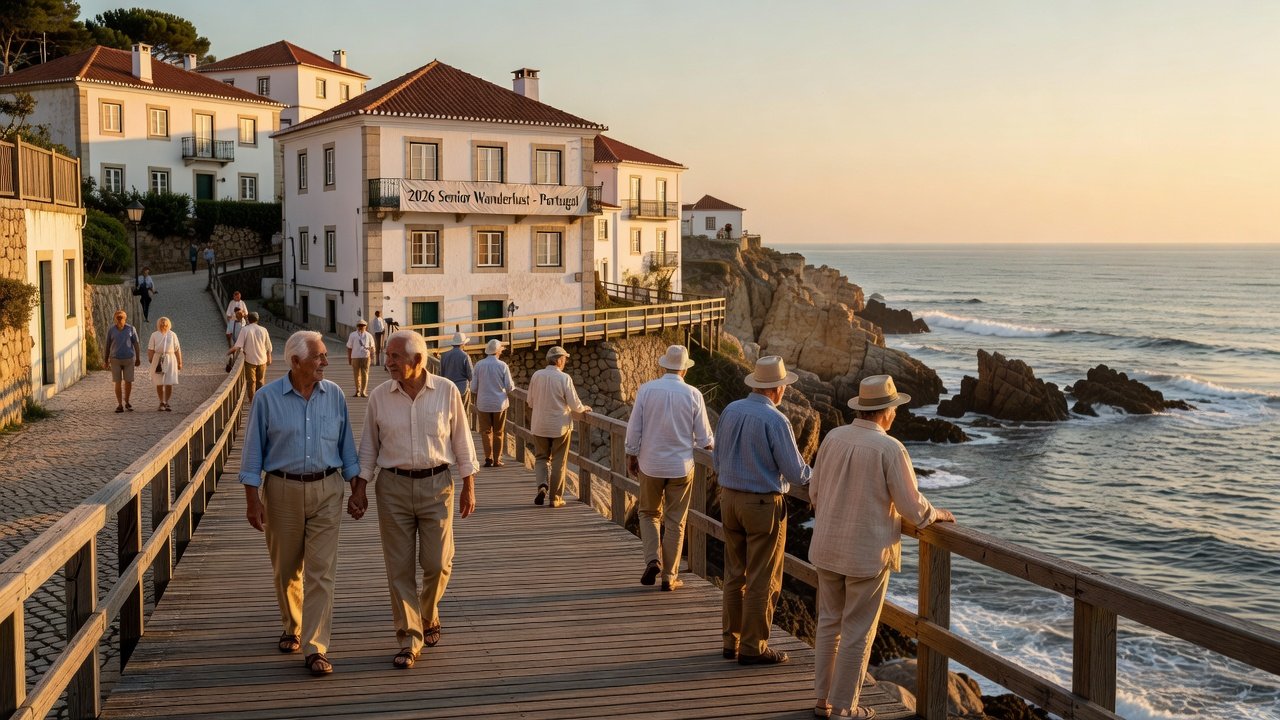
Embracing Senior Wanderlust in 2026
Retirees today are redefining travel with a focus on unhurried exploration and meaningful cultural connections. In 2026, the emphasis is on serene spots that offer relaxation without sacrificing immersion. These destinations prioritize low-stress environments, accessible infrastructure, and wellness options ideal for seniors. Whether you prefer coastal breezes or scenic rail journeys, this listicle highlights places perfect for slow travel. The modern retiree seeks experiences that nurture both body and mind, moving away from rushed itineraries toward deliberate journeys that allow time for reflection and discovery. Slow travel encourages staying longer in one place, fostering deeper connections with local communities and traditions.
Travelers can enjoy gentle pacing while discovering local traditions, cuisine, and history. Planning ahead ensures that mobility needs, dietary preferences, and health considerations are addressed seamlessly. The following selections balance tranquility with opportunities for light engagement, ensuring memorable yet restful experiences that align with the growing trend of meaningful wanderlust among older adults.
Top Serene Destinations for Relaxed Exploration
Here are ten carefully chosen locations suited for retirees. Each offers easy access, wellness amenities, and fewer crowds when visited strategically. These spots have been selected for their combination of natural beauty, cultural richness, and senior-friendly features such as reliable public transportation and availability of medical facilities nearby.
1. Algarve Coast, Portugal
This southern Portuguese region features stunning cliffs and beaches with a relaxed vibe. Seniors can stroll along boardwalks or enjoy beachside wellness retreats. Local markets offer fresh seafood and regional wines, providing opportunities for gentle cultural immersion through food tastings and conversations with vendors. Visit Portugal provides resources for accessible travel planning. Many towns have flat promenades ideal for mobility aids, and numerous hotels now include elevators and ground-floor rooms.
Active option: Light hiking on flat coastal paths with frequent rest stops. Relaxing option: Spa days with ocean views and therapeutic massages. Visit in spring for mild weather and minimal crowds, allowing peaceful mornings on the beach without the summer bustle.
2. Scenic Rail Routes in Japan
Routes like the Sanriku Coast offer breathtaking views from comfortable trains equipped with wide seats and accessible restrooms. Cultural immersion comes through temple visits and tea ceremonies in quiet towns where locals welcome visitors with traditional hospitality. Onboard announcements are often available in English, easing navigation for international travelers.
Active option: Short guided walks at stops to explore nearby gardens. Relaxing option: Onboard dining with scenic vistas while enjoying bento boxes. Autumn provides beautiful foliage without peak summer crowds, and many stations offer senior discounts on passes for extended journeys.
3. Tuscany Countryside, Italy
Olive groves and historic villages create a peaceful setting. Wellness amenities include thermal spas with mineral-rich waters known for soothing joints. Many towns feature flat, accessible paths through vineyards and olive orchards. Cooking classes focused on simple regional recipes allow for light participation without physical strain.
Active vs relaxing: Vineyard tours with electric carts versus garden meditation sessions. Shoulder seasons like May avoid crowds while offering pleasant temperatures perfect for outdoor dining on patios overlooking rolling hills.
4. Costa Brava, Spain
Charming coves and medieval towns define this Mediterranean area. Easy ferry access and senior-friendly promenades make it ideal for slow travel. Hidden beaches accessible by short, paved walks provide spots for reading or sketching. Local festivals in shoulder months celebrate Catalan culture with music and dance that seniors can enjoy from comfortable seating areas.
5. Banff's Quieter Lakes, Canada
Focus on lesser-visited lakes with accessible viewpoints reached by shuttle buses. Wellness lodges provide yoga and nature immersion in a low-key setting surrounded by pine forests. Wildlife viewing from vehicle or lodge decks offers excitement without hiking demands, and rangers provide educational talks tailored for older audiences.
6. Provence Villages, France
Lavender fields and markets invite gentle wandering. Many spots offer electric bike rentals for light activity or café relaxation with views of historic fountains. Art workshops in small studios allow creative expression, and weekly markets feature local cheeses and herbs for sampling at leisure.
7. New Zealand's South Island Towns
Scenic drives and hot springs support wellness. Small communities emphasize cultural stories with minimal tourist hustle. Maori cultural centers offer seated storytelling sessions, while nearby trails include benches for resting amid stunning fjord landscapes.
8. Azores Islands, Portugal
Volcanic landscapes and thermal pools create serene escapes. Direct flights and accessible trails suit retirees seeking nature without exertion. Whale watching tours from stable boats provide memorable encounters, and many guesthouses offer in-room massages using local volcanic stones.
9. Slovenia's Lake Bled Area
Calm lakeside paths and island visits offer cultural charm. Wellness hotels provide easy access to saunas and gentle boat rides. Traditional cream cake tastings at lakeside cafes add a sweet element to the day, and the surrounding mountains create a picturesque backdrop for photography from benches.
10. Tasmania's Coastal Hamlets, Australia
Quiet beaches and fresh seafood define these spots. Senior discounts on ferries and tours enhance the experience. Penguin viewing at dusk from designated viewing platforms requires no strenuous walking, and local wineries host relaxed tastings with explanations of regional varietals.

Practical Tips for Senior Travelers
Accessibility Considerations
Choose destinations with good public transport and flat terrain. Many European towns now feature ramps and senior mobility aids like rentable scooters. Check local tourism boards for updated accessibility maps before booking. Consider travel insurance that covers mobility equipment and medical evacuations. For rail travel, reserve seats in advance and request assistance at stations, which is often complimentary for seniors.
Seasonal Timing Advice
Shoulder seasons (April-May or September-October) typically mean fewer crowds and comfortable weather across these locations. This timing also aligns with lower hotel rates and easier restaurant reservations. Monitor weather apps for real-time updates, as coastal areas can experience sudden changes. Planning around local events, such as harvest festivals, adds cultural depth without overwhelming schedules.
Essential Packing List
- Comfortable walking shoes with good support and non-slip soles to prevent falls on varied surfaces
- Layered clothing for variable weather, including lightweight jackets that pack small
- Medications and a basic first-aid kit with copies of prescriptions in multiple languages
- Lightweight daypack for daily outings with compartments for easy organization
- Reusable water bottle and snacks to maintain hydration and energy during longer days
- Travel adapter and portable charger to keep devices powered for navigation and photos
- Sunscreen and hat for outdoor time, along with a compact umbrella
- Comfort items like a travel pillow and eye mask for rest during transfers
These items ensure preparedness for both active light explorations and extended relaxation periods.
Additional Booking and Budget Strategies
Book accommodations directly with properties that advertise senior amenities such as ground-floor rooms or shuttle services. Look for packages that bundle wellness activities like yoga or spa access. Research group tours designed specifically for seniors, which often include medical escorts and flexible pacing.
Health and Solo Travel FAQs
How do I manage health needs abroad? Consult your doctor before travel and carry copies of prescriptions. Many destinations partner with international clinics for seniors, and apps can locate nearby pharmacies. Stay hydrated and build rest days into itineraries to avoid fatigue. CDC Travelers' Health offers country-specific advisories that update regularly.
Is solo senior travel safe? Yes, in these low-crime areas with strong community support. Opt for group tours or hotels with concierge services. Share itineraries with family and use apps for location sharing. Many destinations have senior helplines for assistance.
What about active versus relaxing options? Every spot allows customization—mix short walks with downtime for balance. Listen to your body and adjust daily plans accordingly.
Are there dietary accommodations? Most locations accommodate special diets with advance notice. Markets and restaurants increasingly offer vegetarian, gluten-free, and low-sodium options popular among seniors.
How to handle jet lag effectively? Arrive a day early if possible, stay hydrated on flights, and ease into activities gradually. Light walks in natural light help reset internal clocks.
Conclusion
These 2026 destinations empower retirees to pursue wanderlust through thoughtful, unhurried journeys. With proper planning around accessibility, seasons, and personal preferences, cultural immersion and relaxation go hand in hand for unforgettable experiences that enrich later life.
No comments yet. Be the first!